
Men's Coats
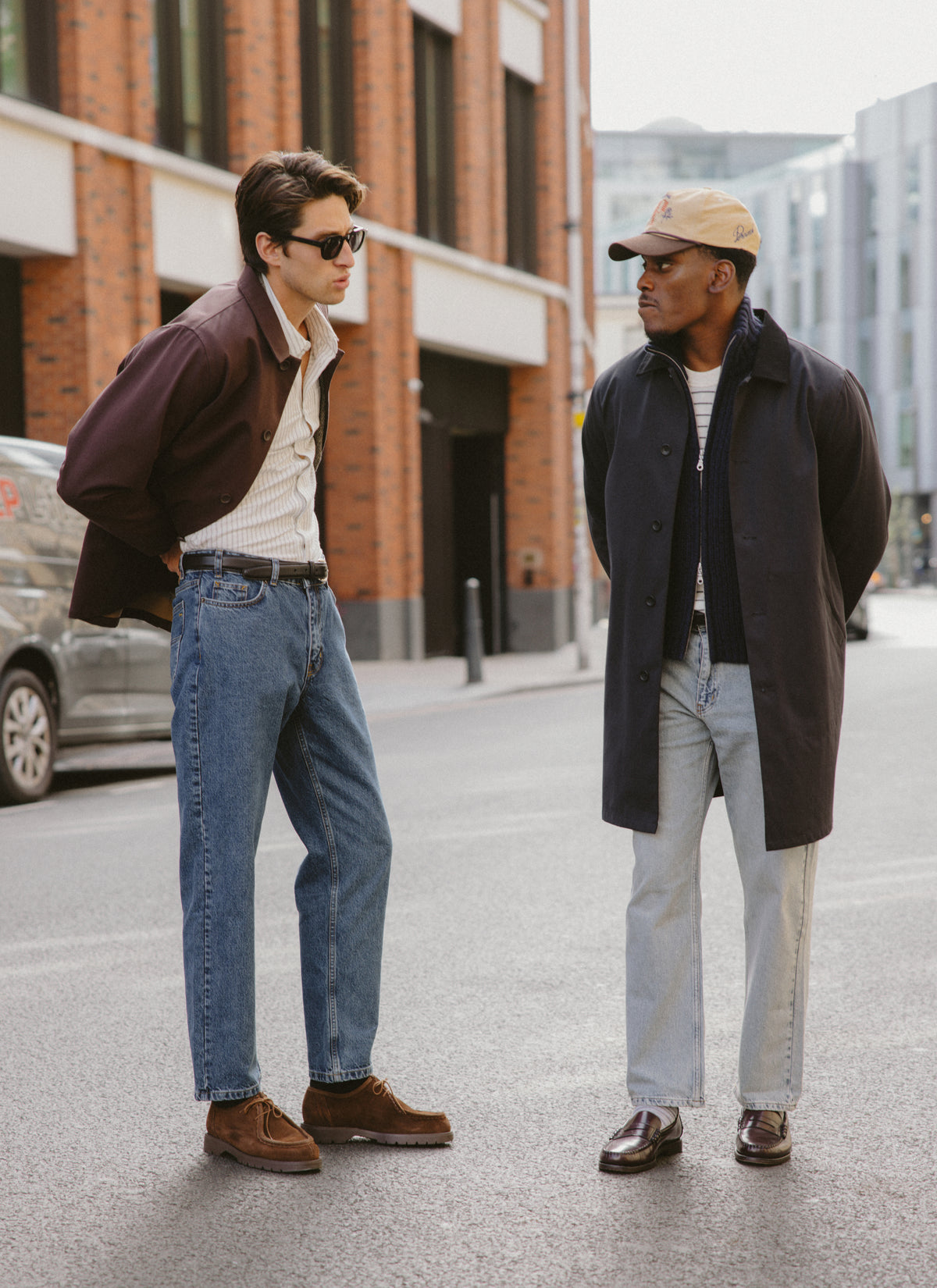
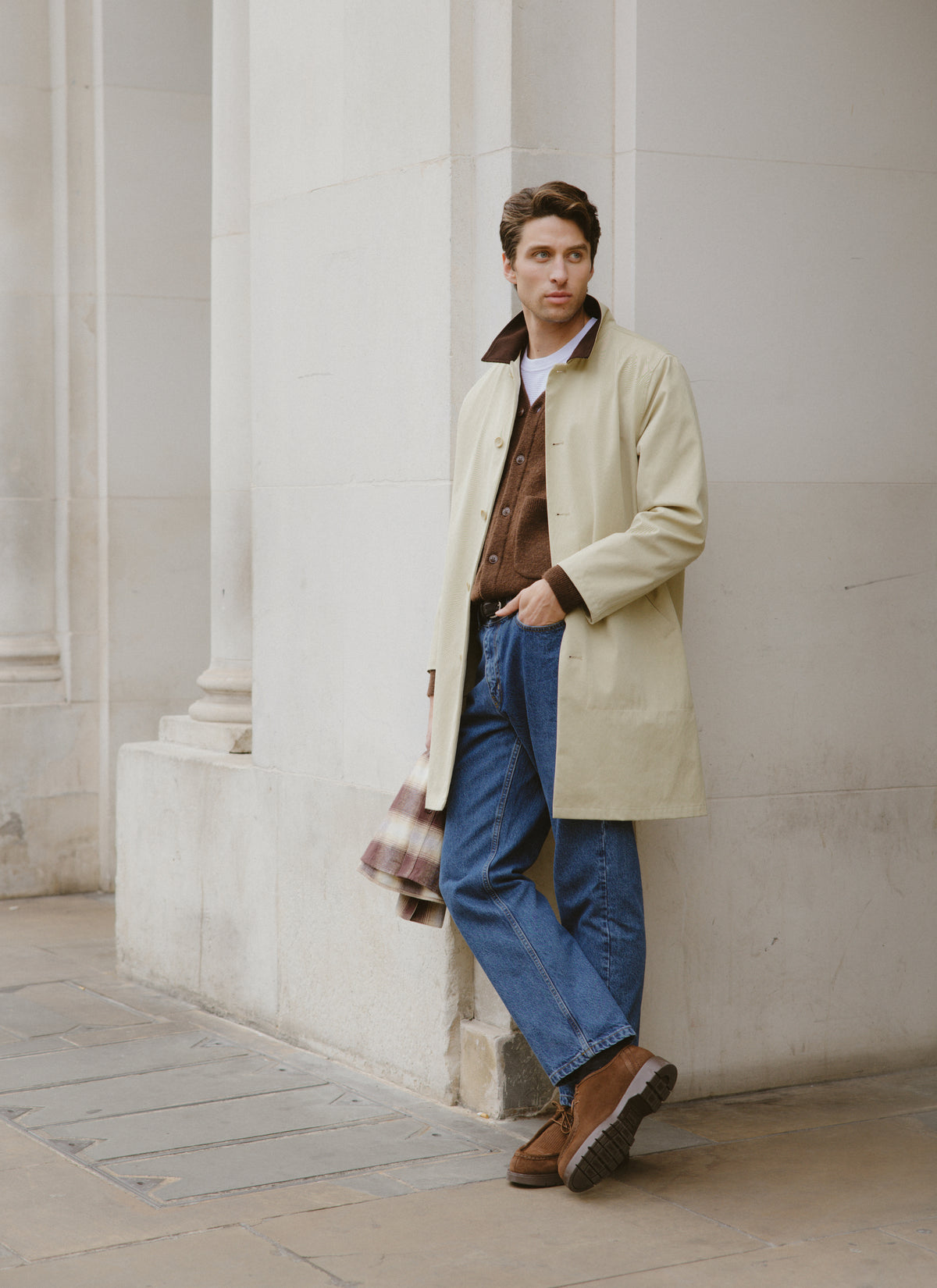
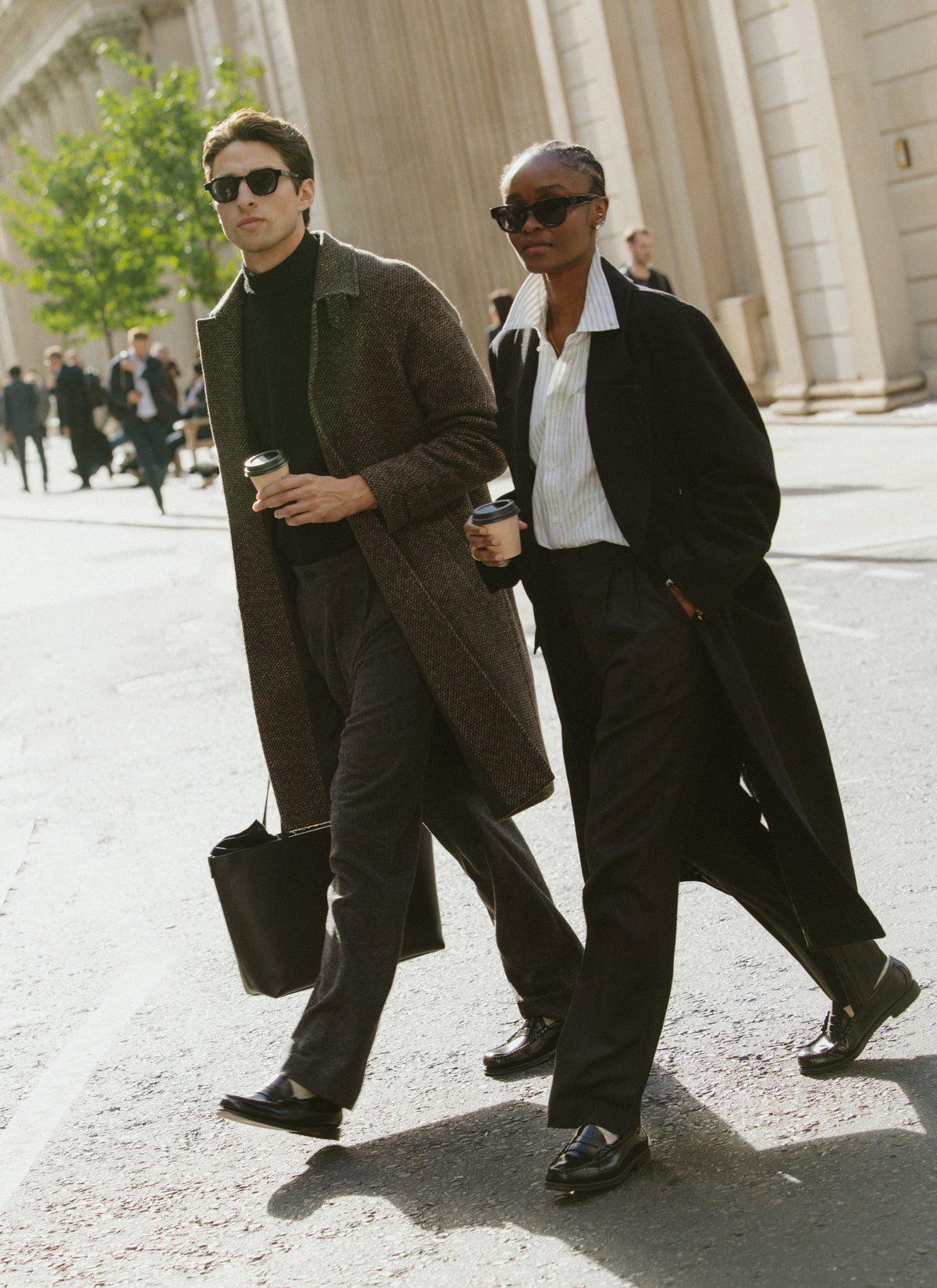
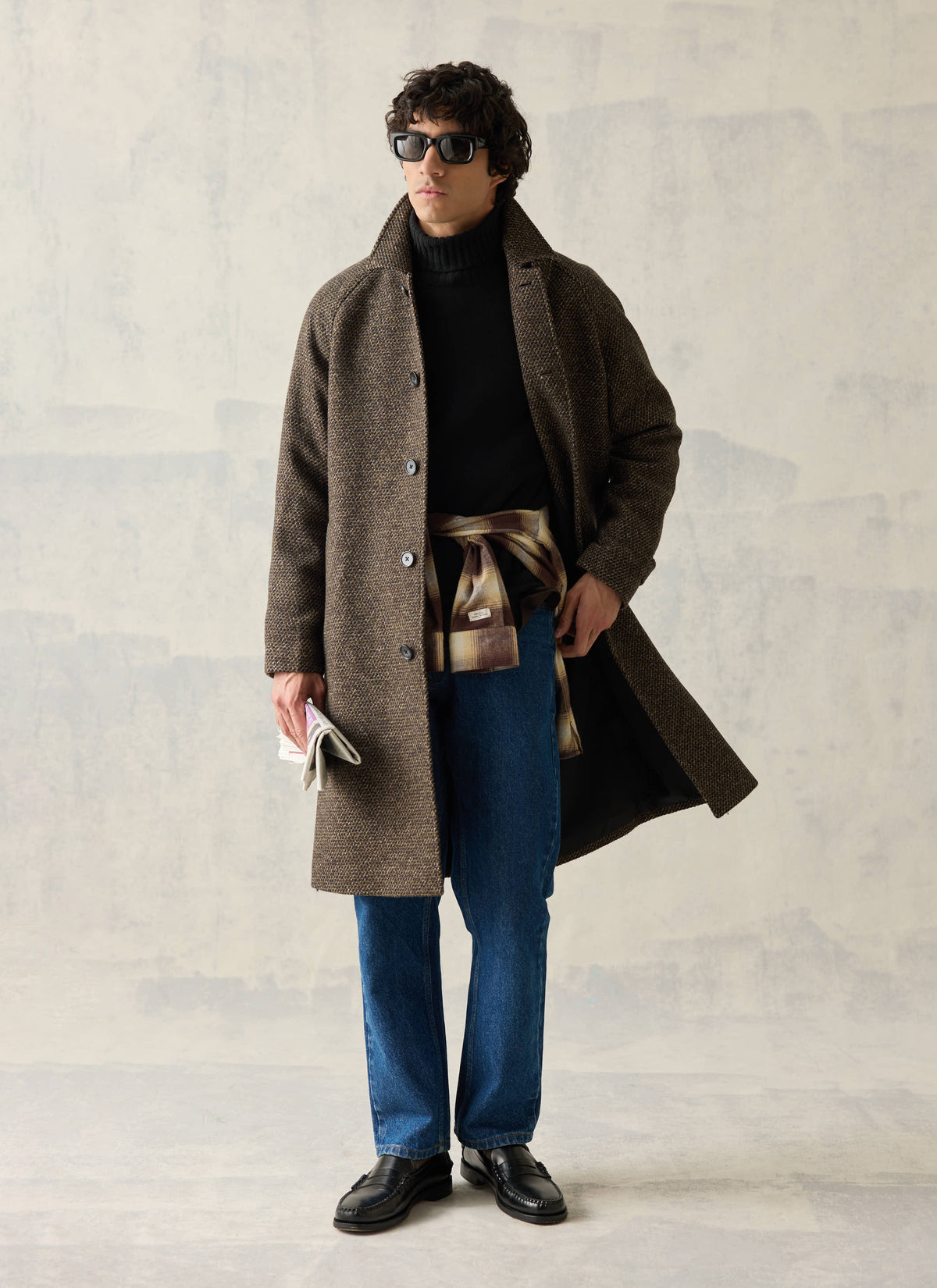
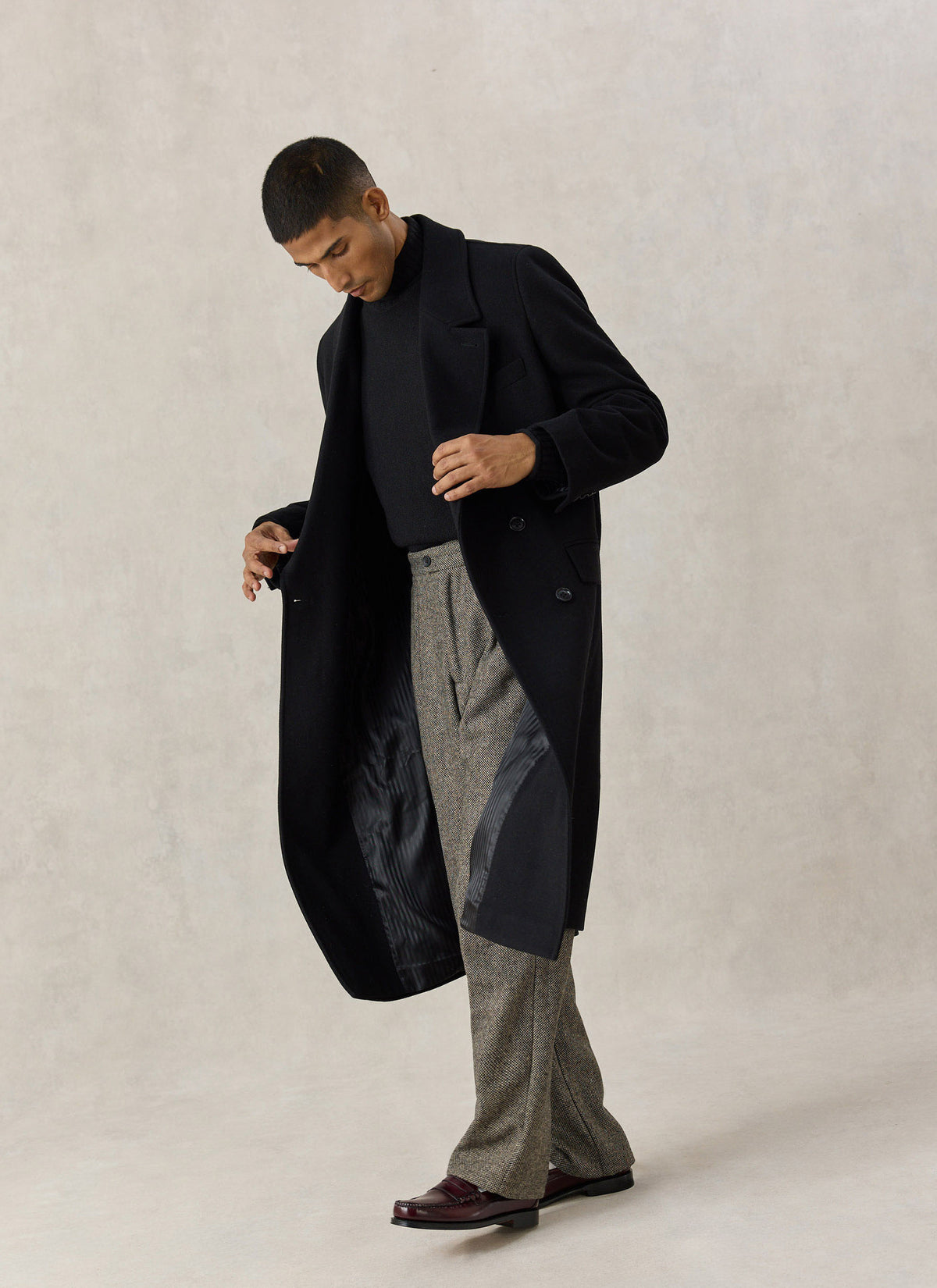
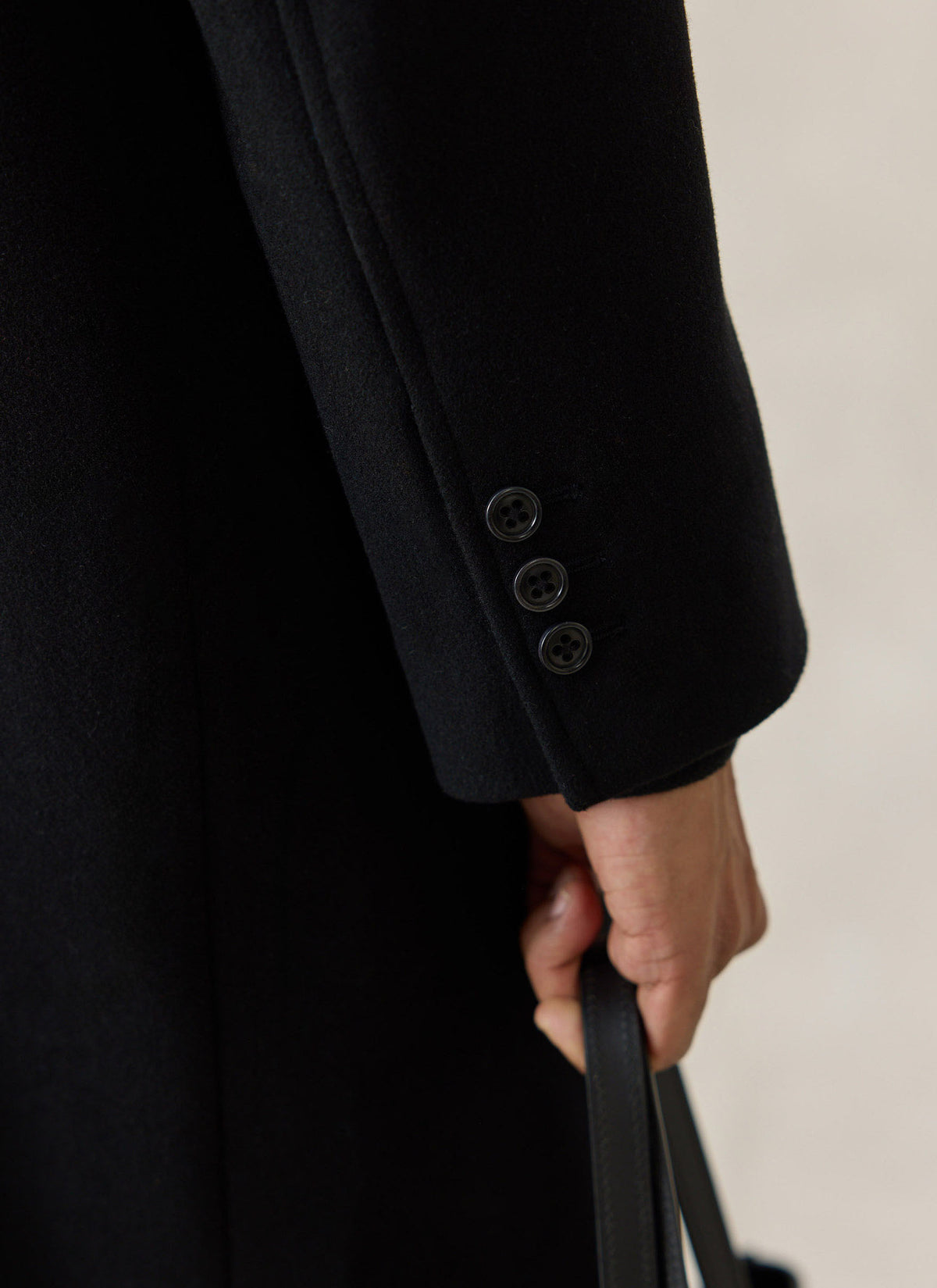
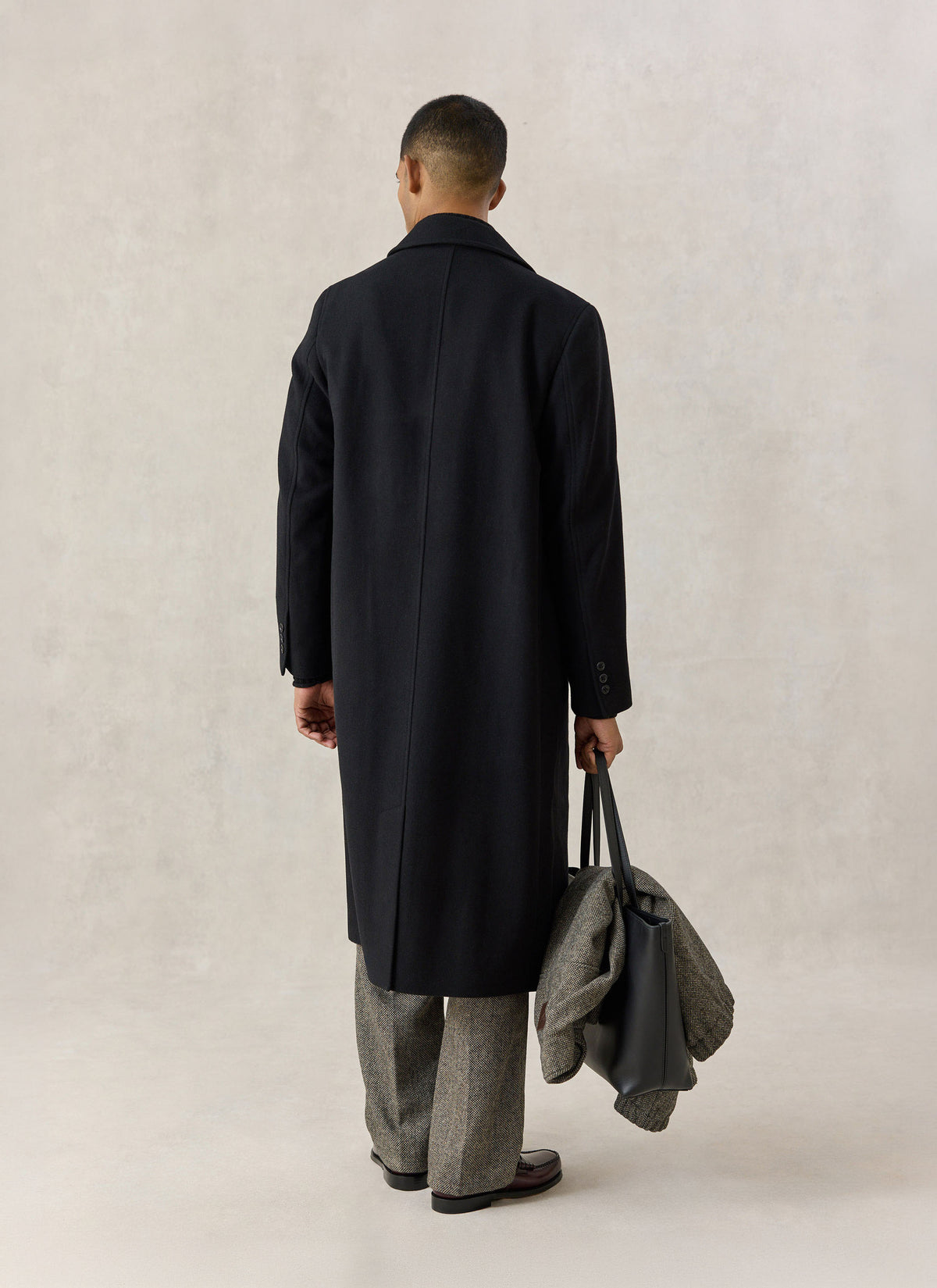
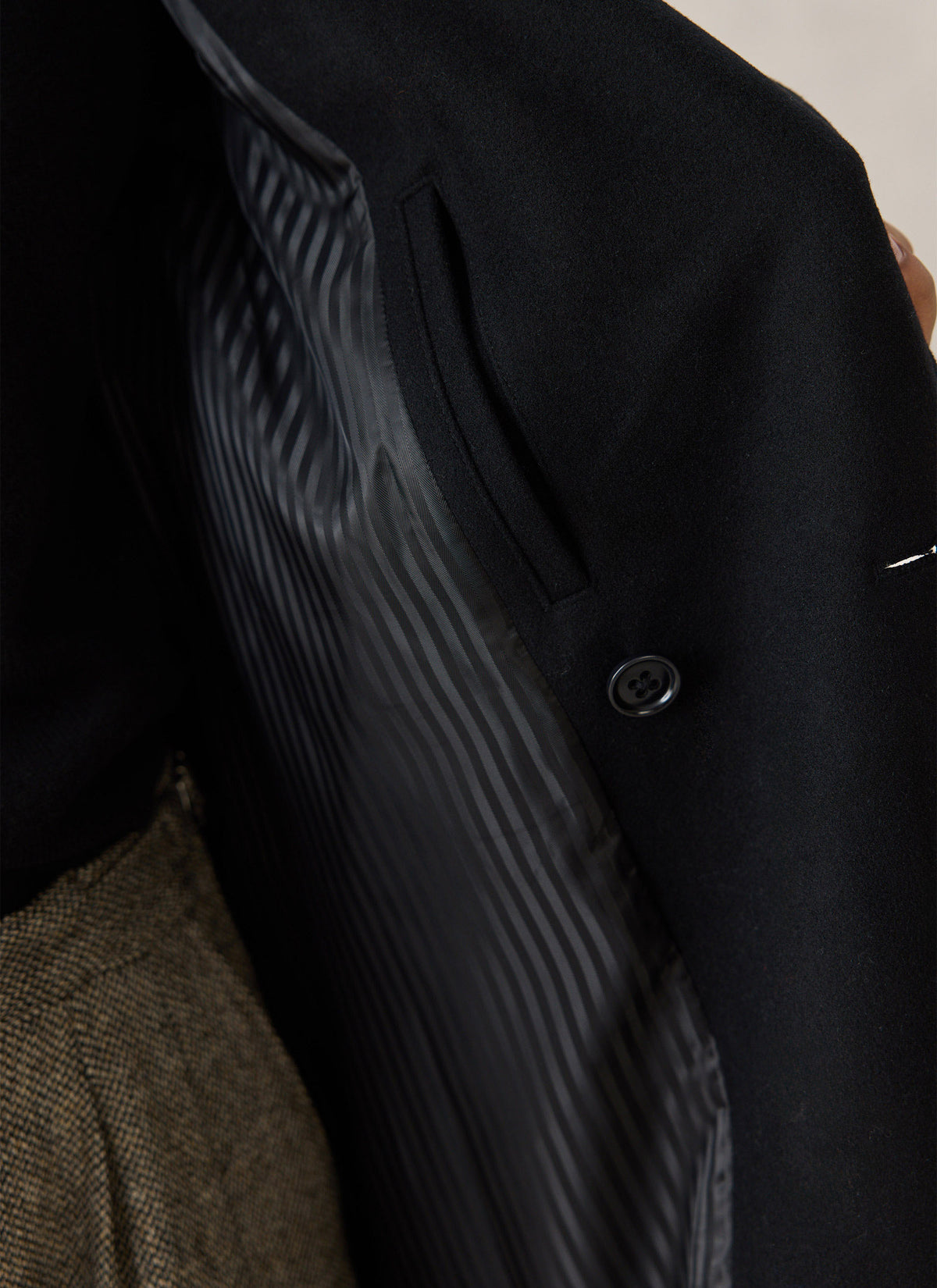
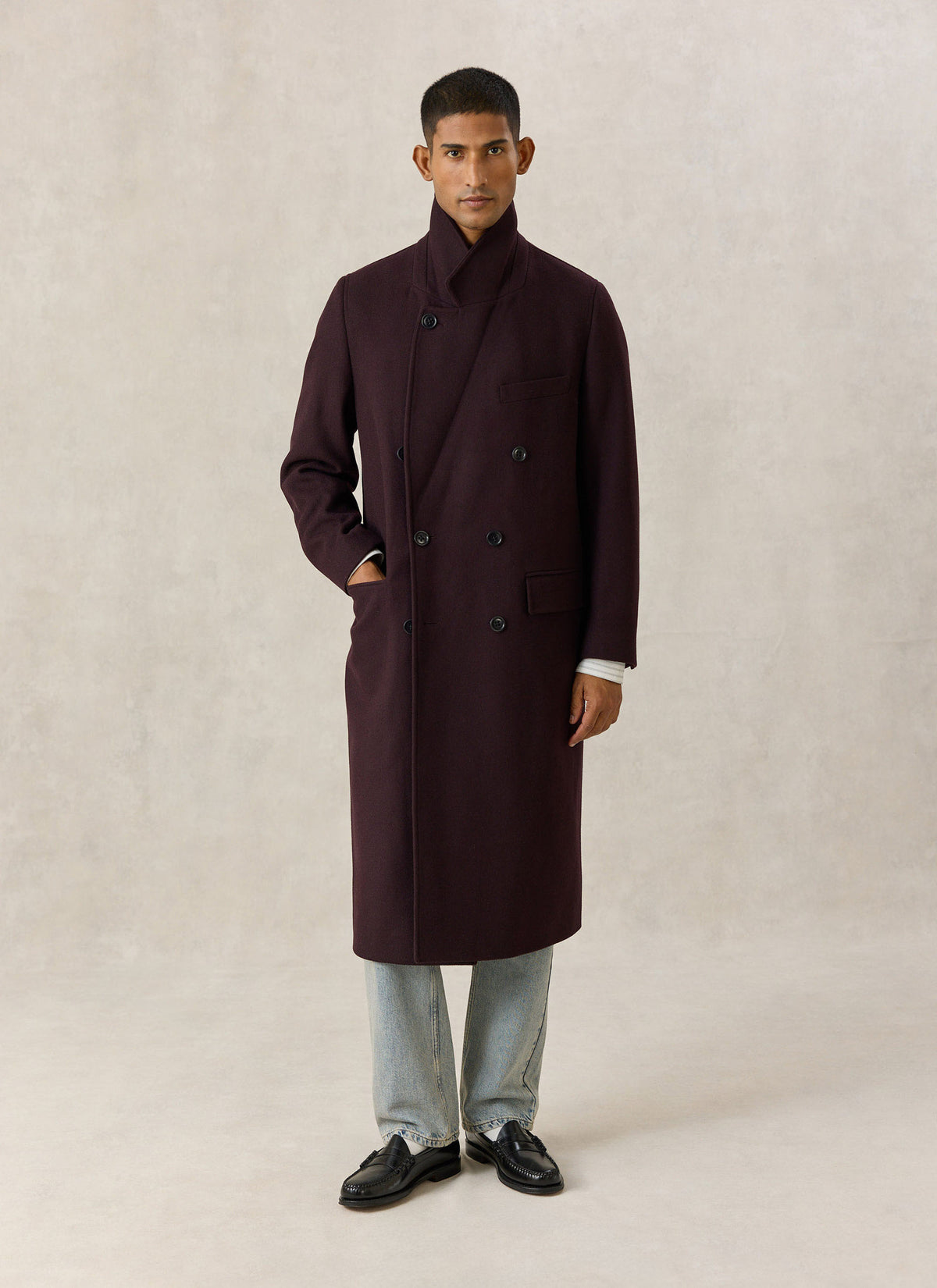
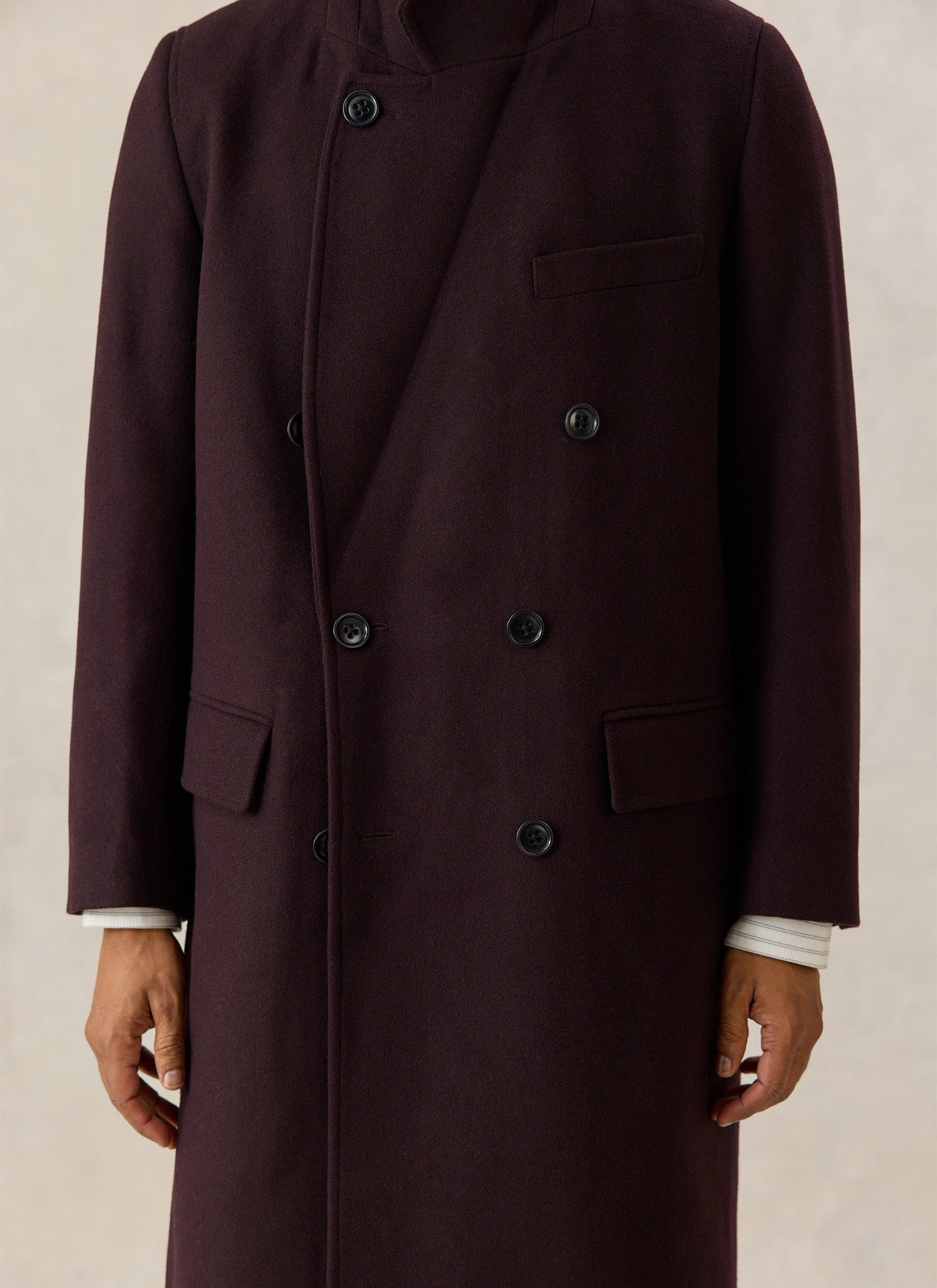
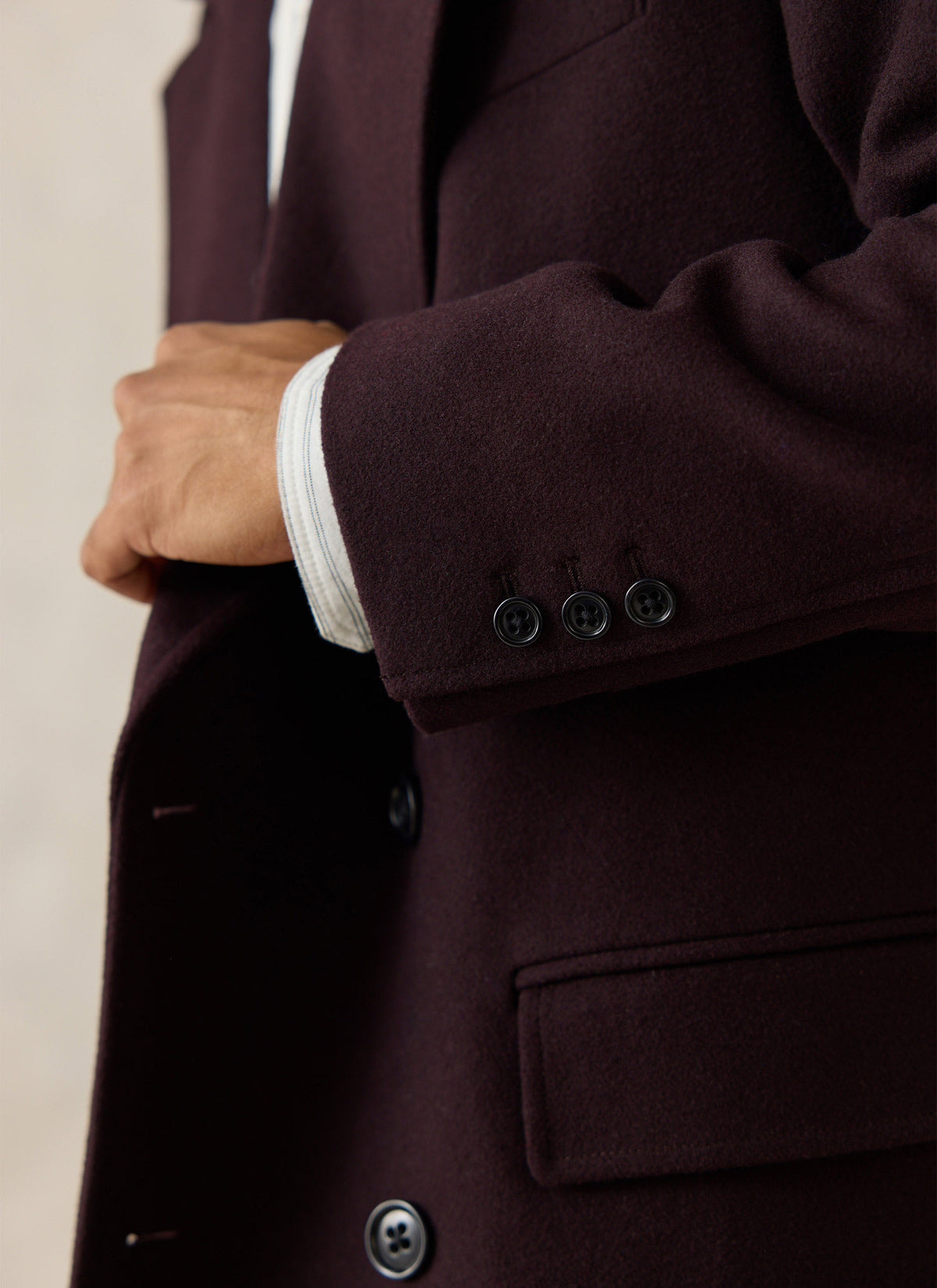
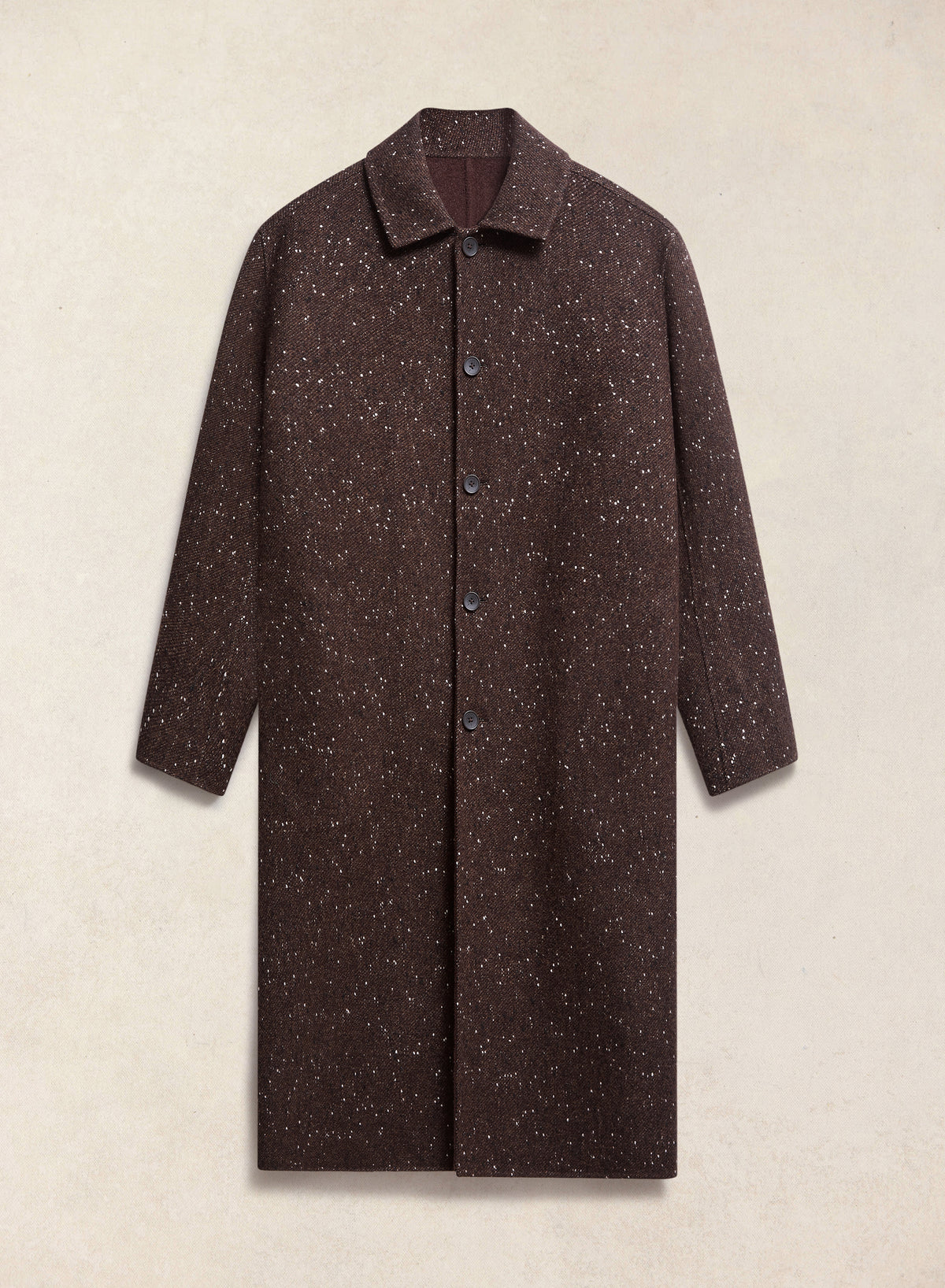
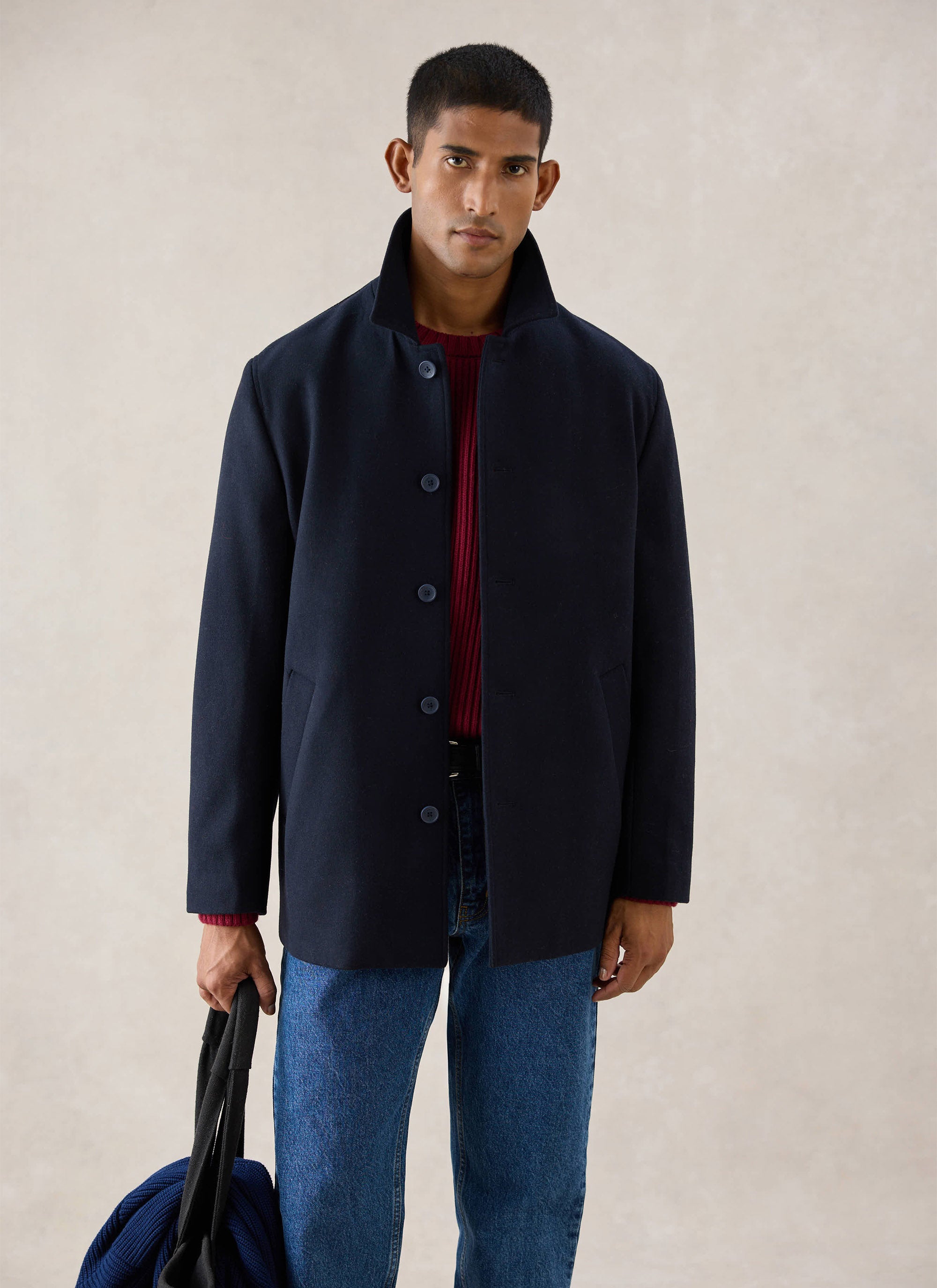
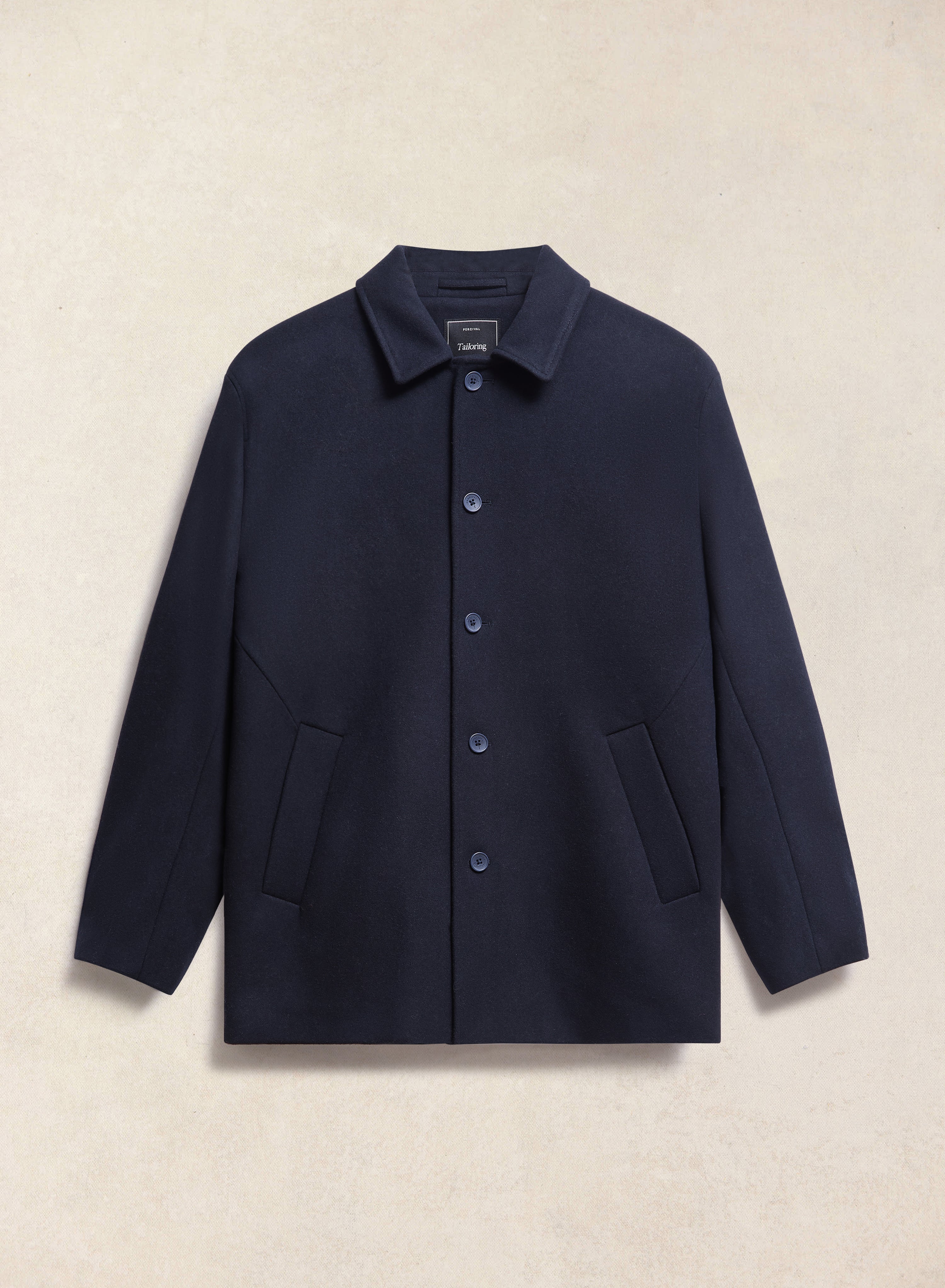
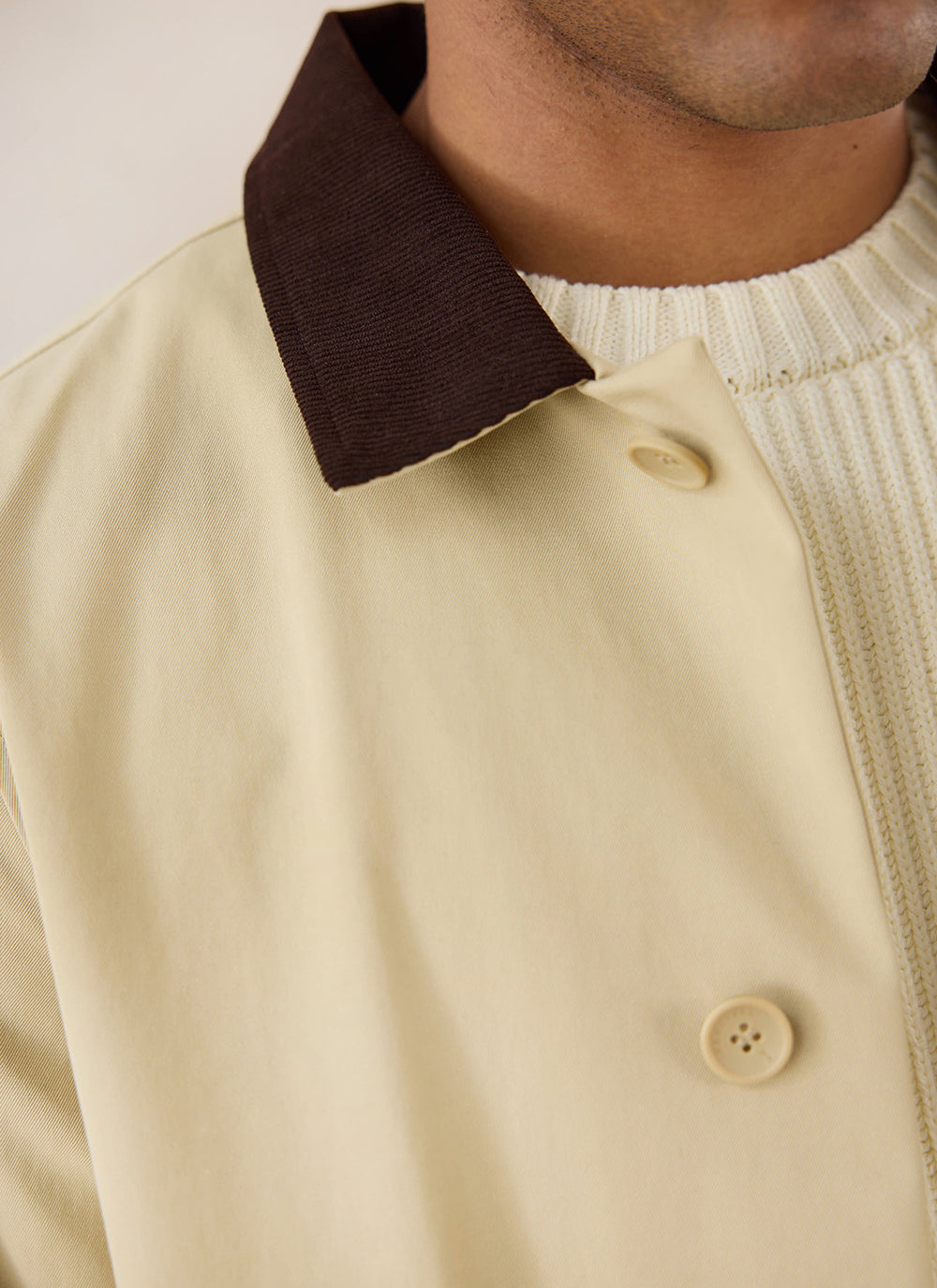
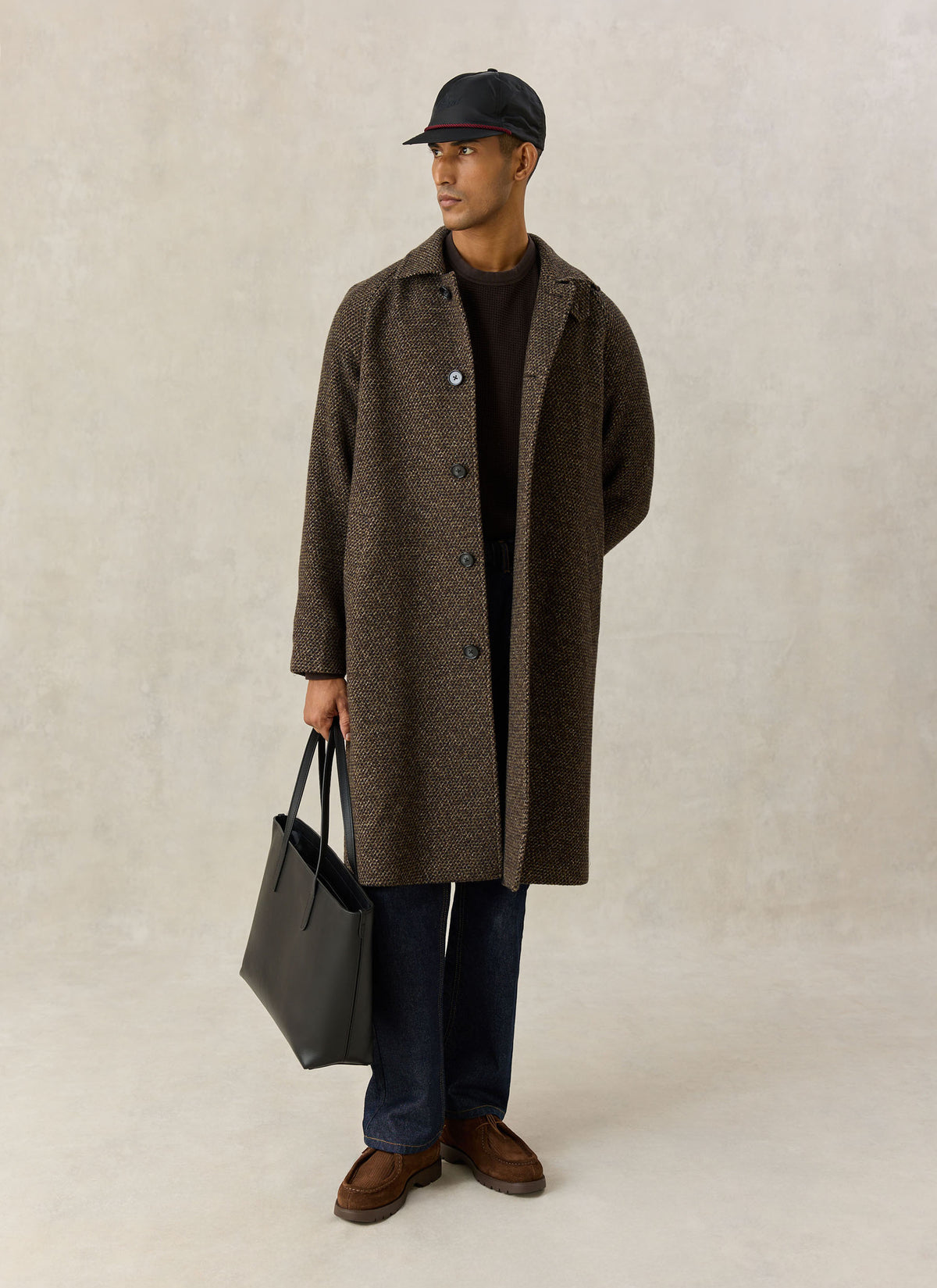
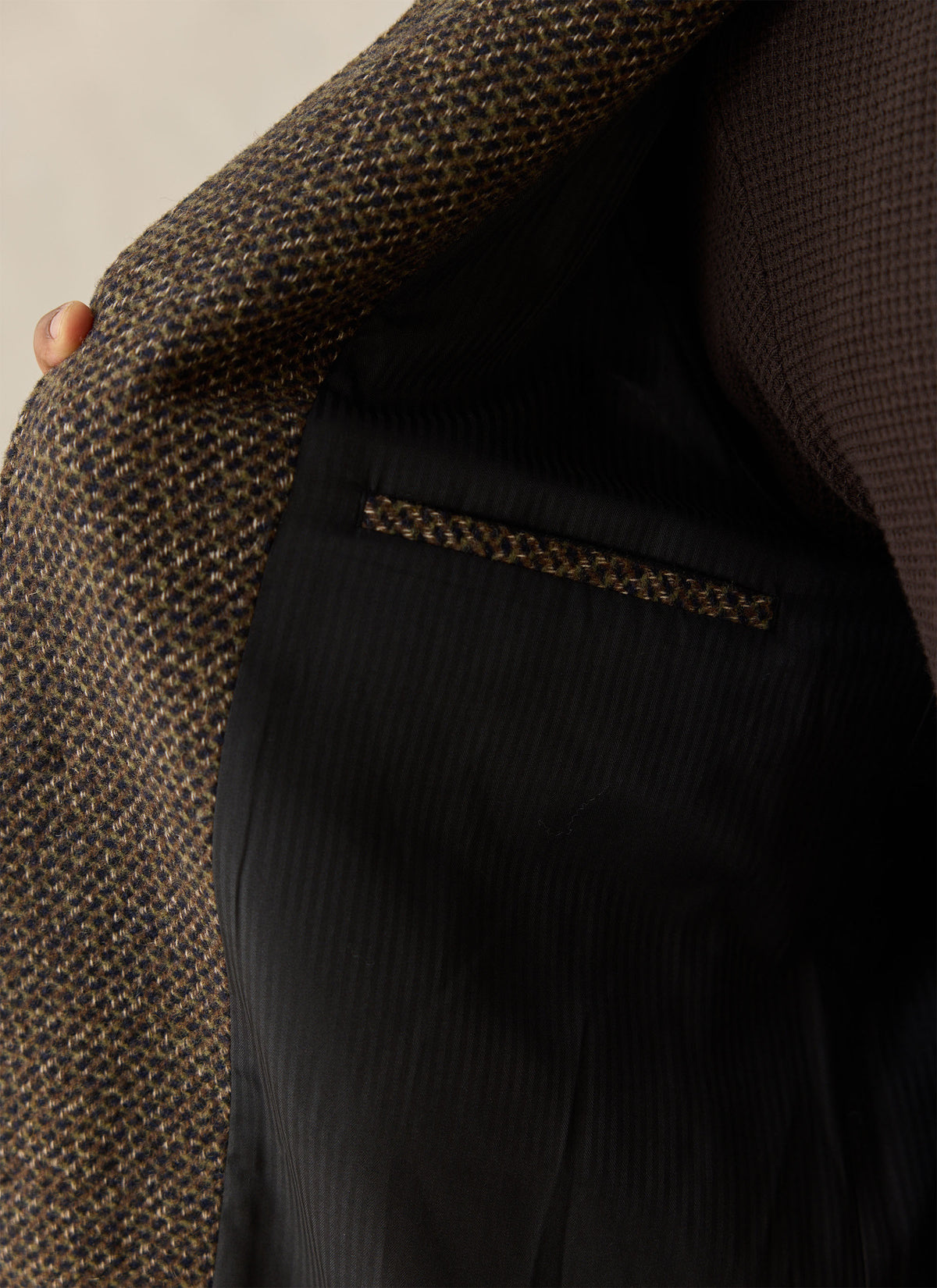
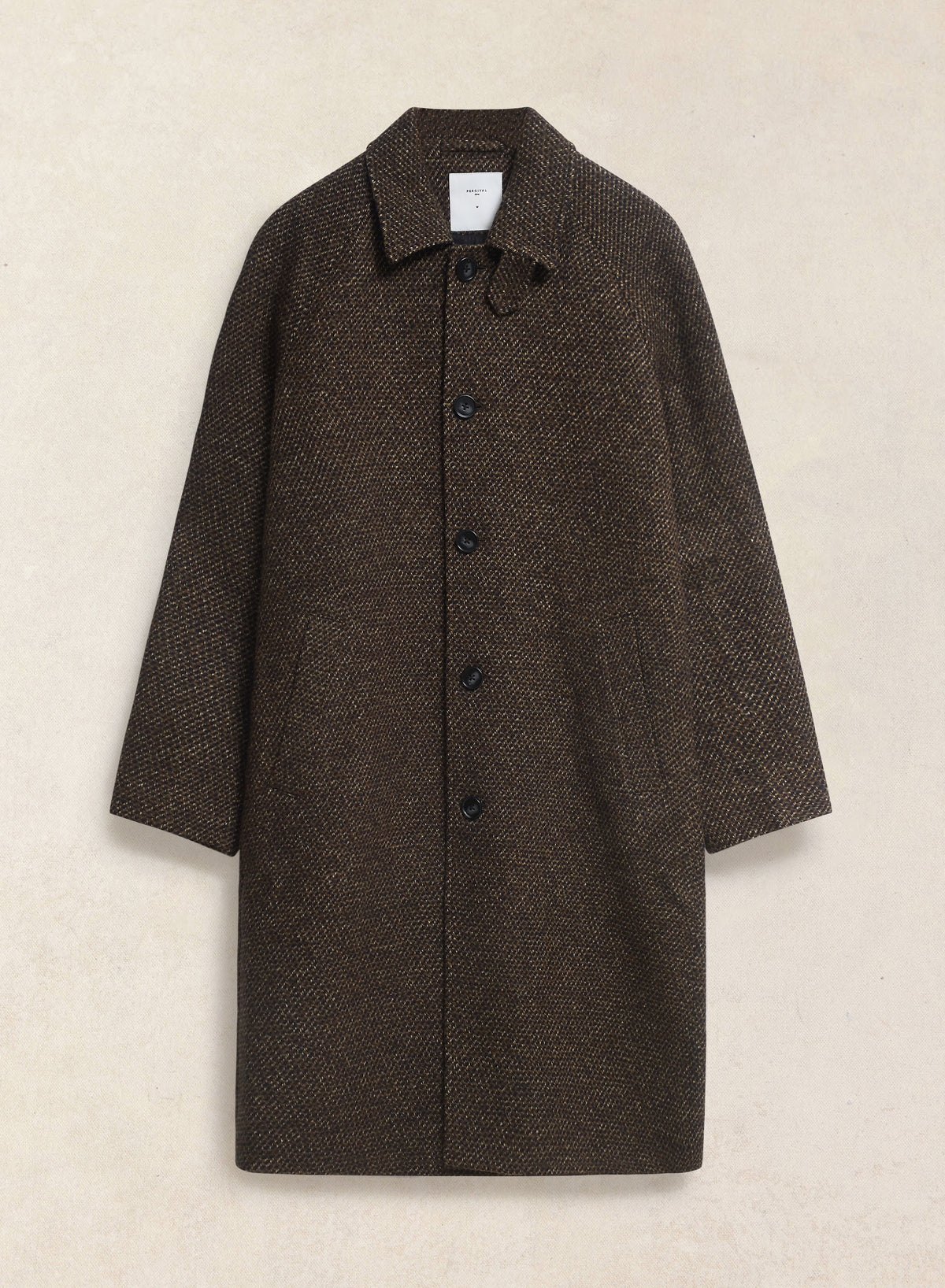
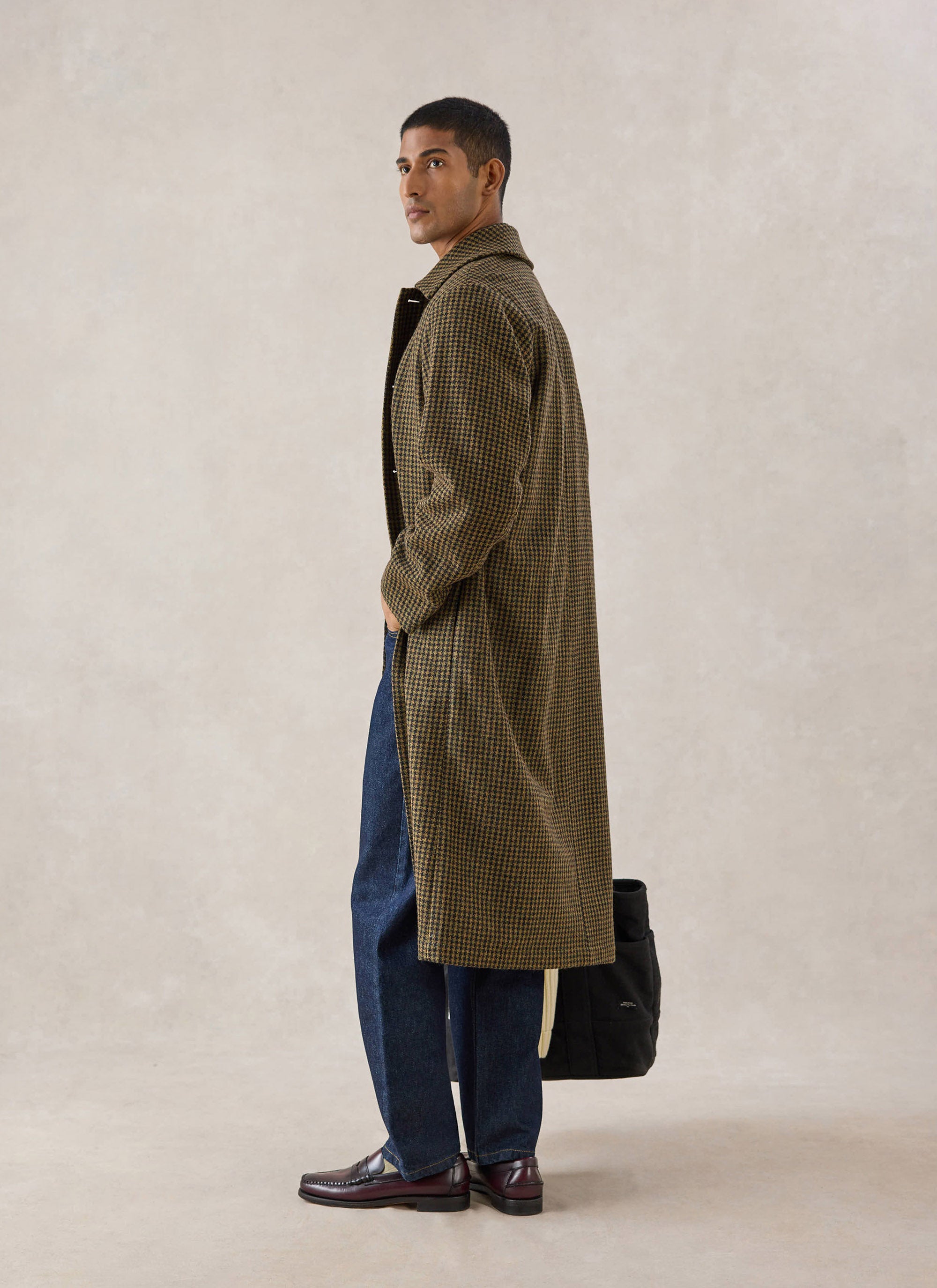
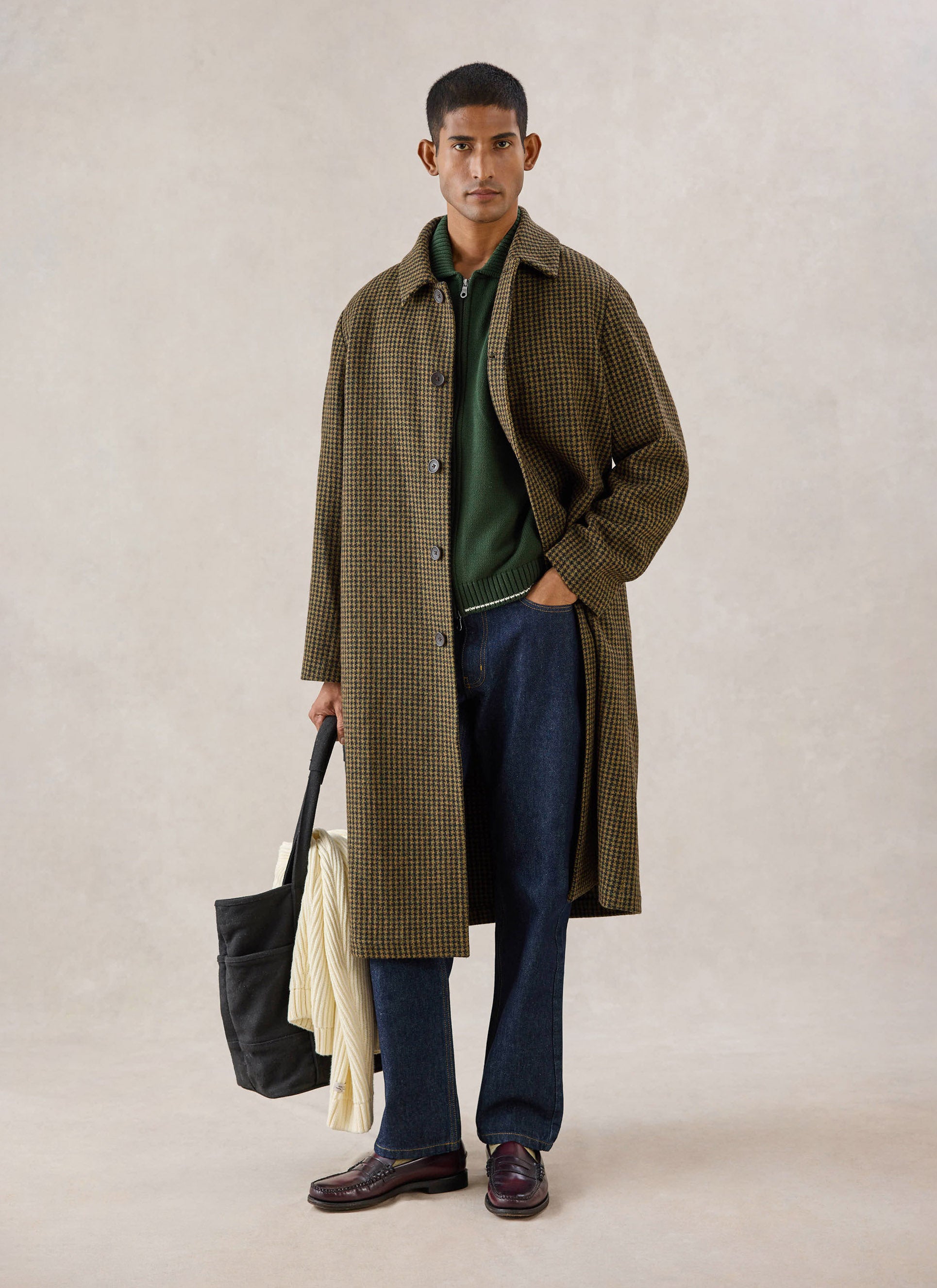
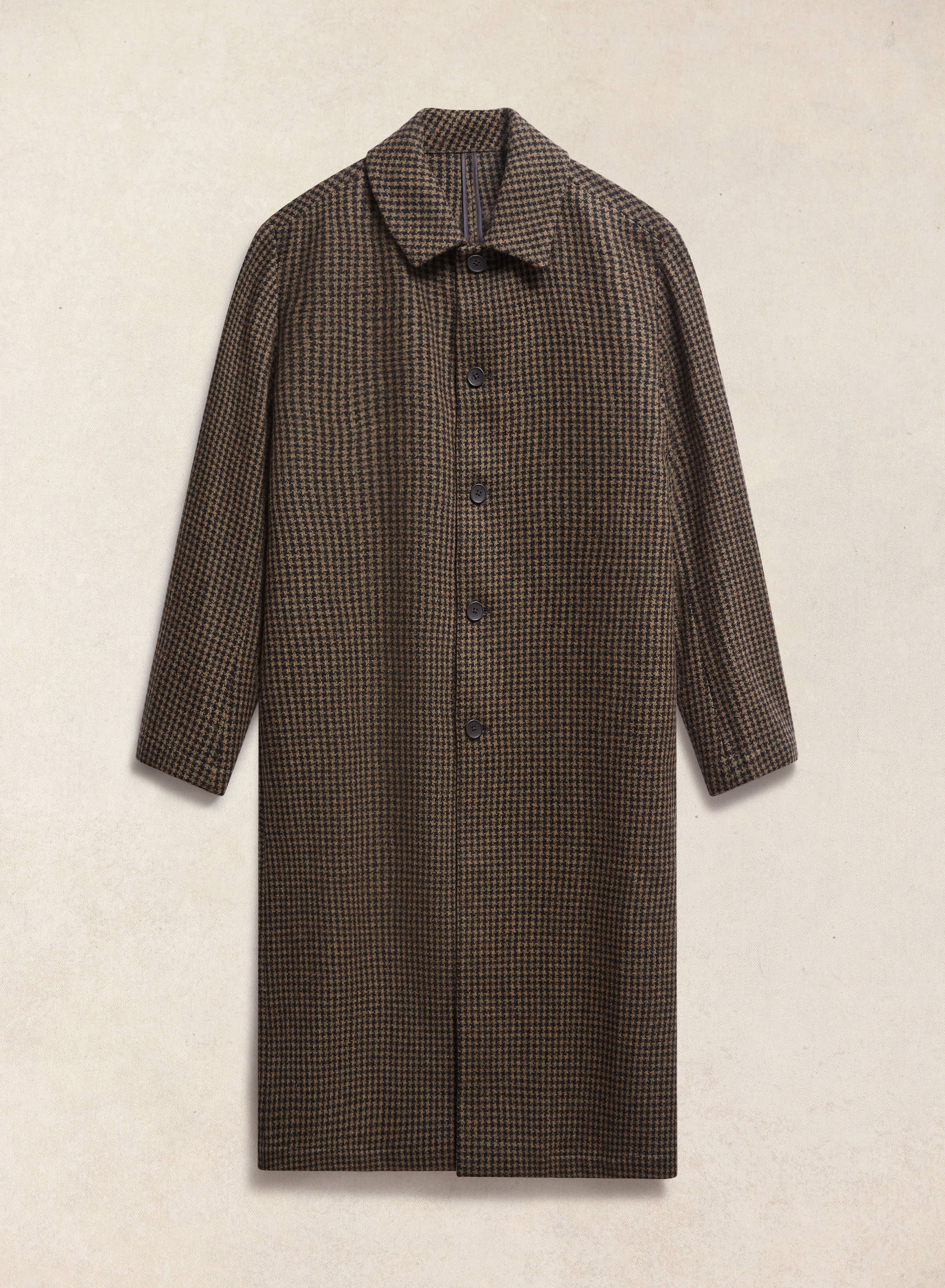
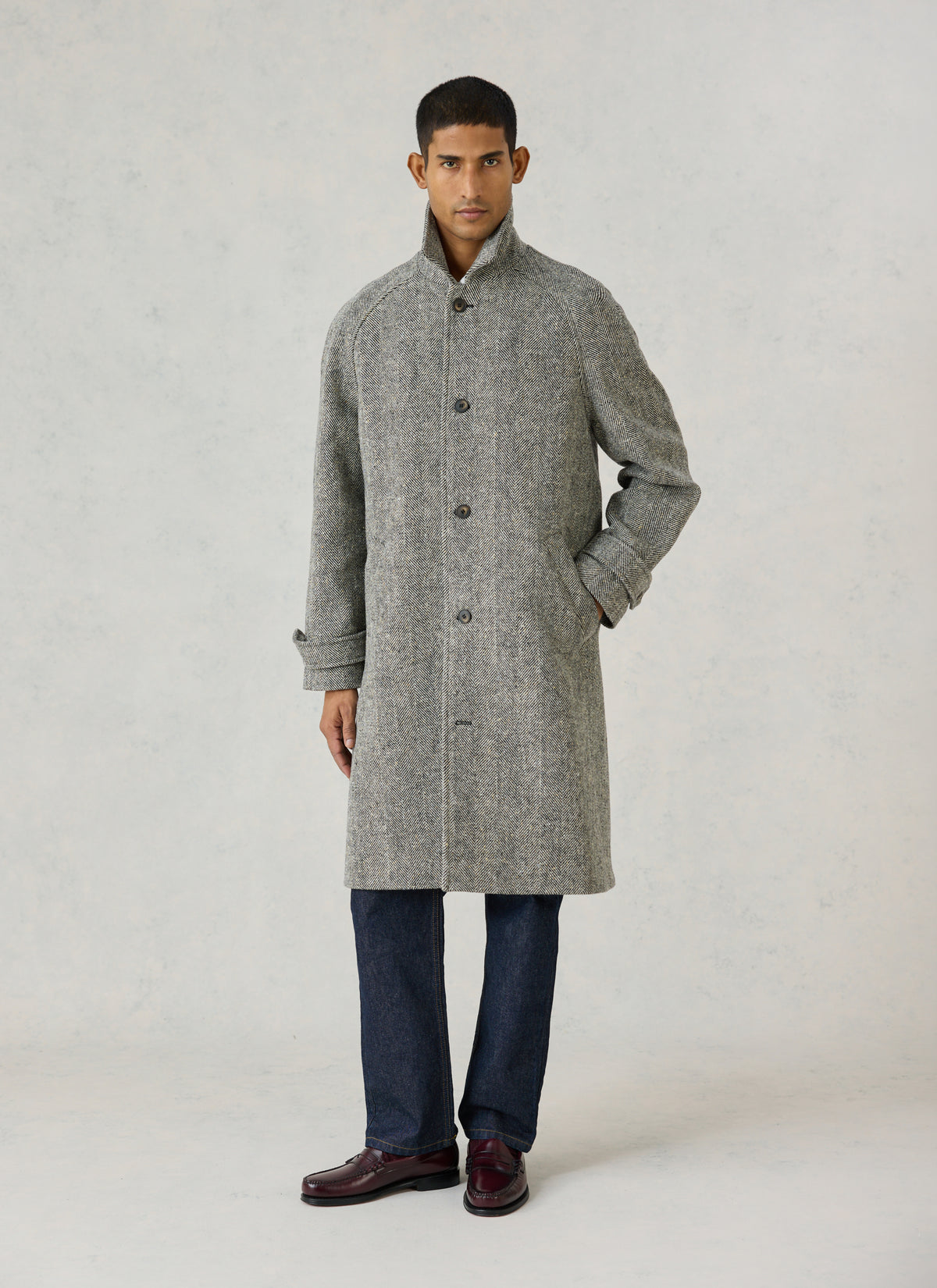
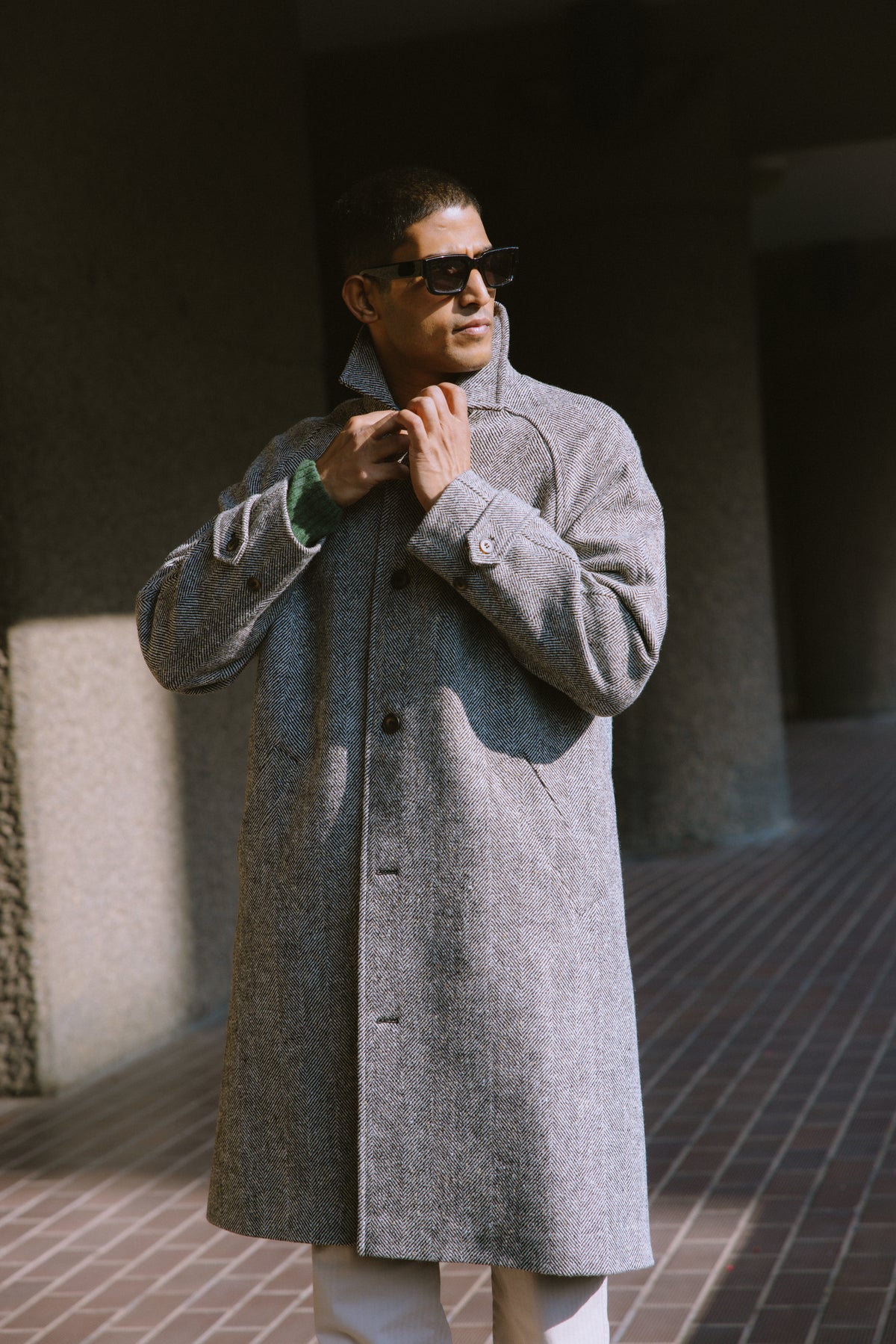
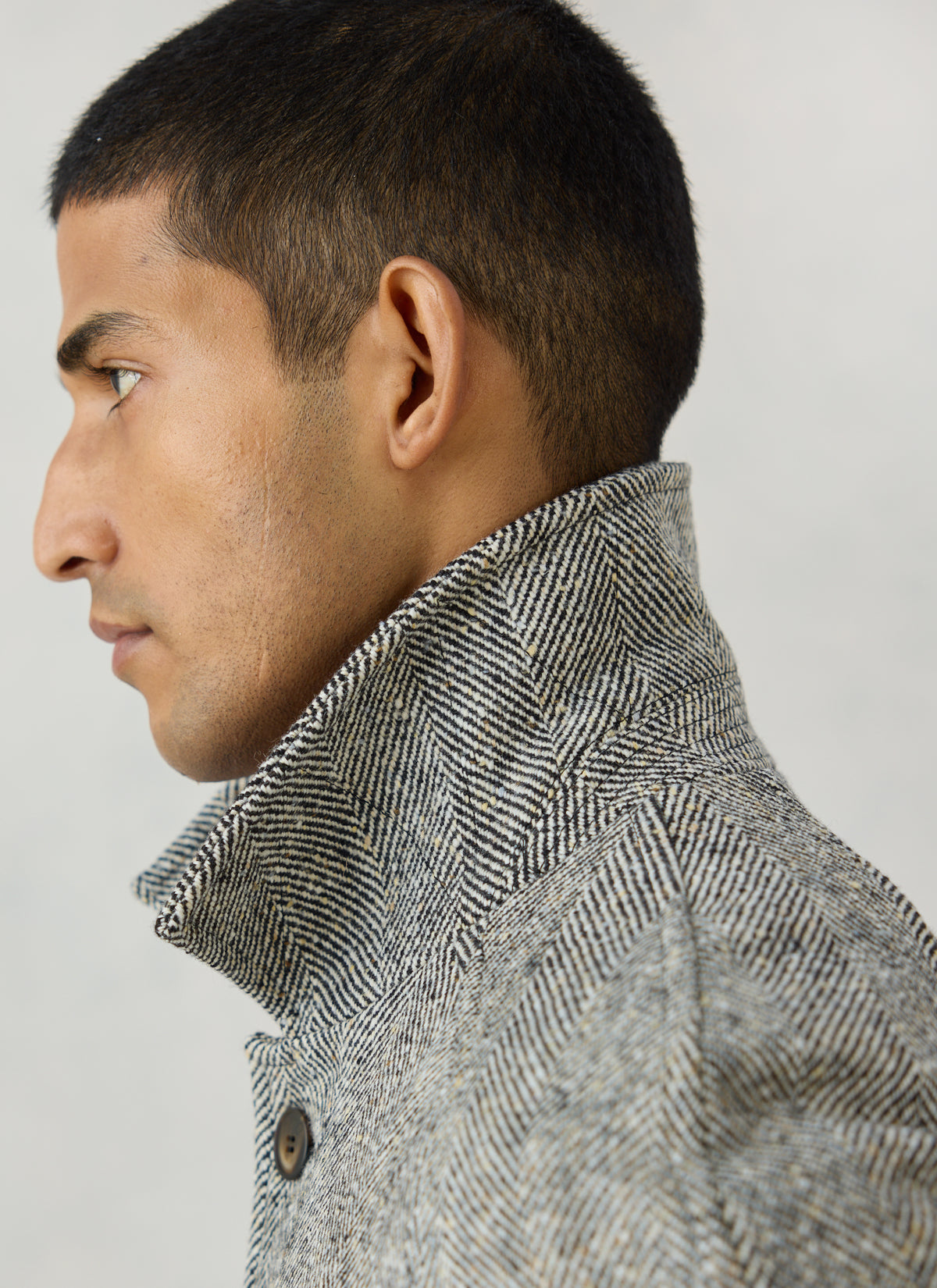
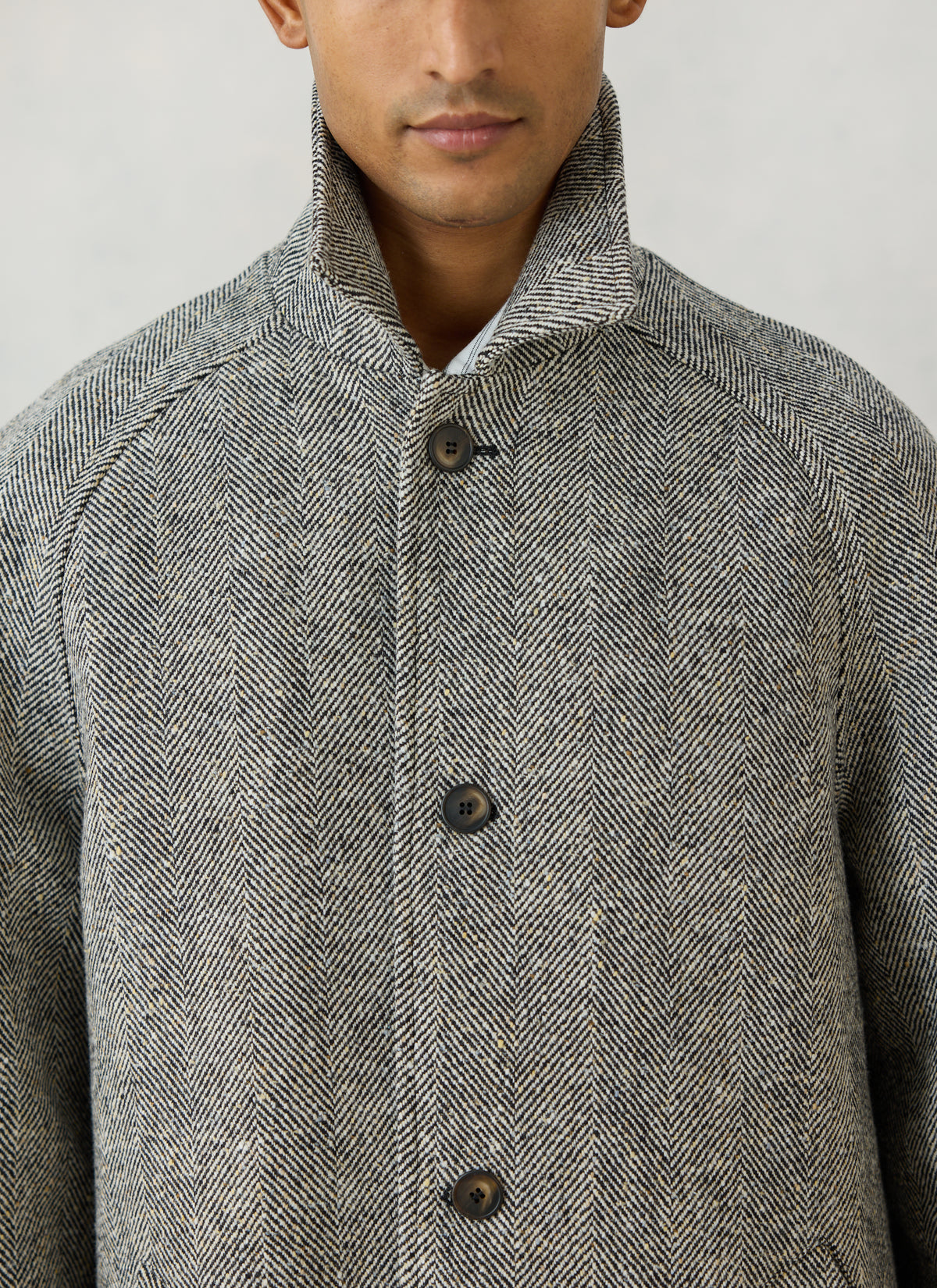
Men’s coats cut in dense wool, richly textured cloth and technical waterproof fabrics chosen for their handle, weight and drape. From long wool overcoats to men’s trench coats and timeless winter coats, each piece is designed to layer with ease, hold its shape and become better acquainted with your wardrobe over time.
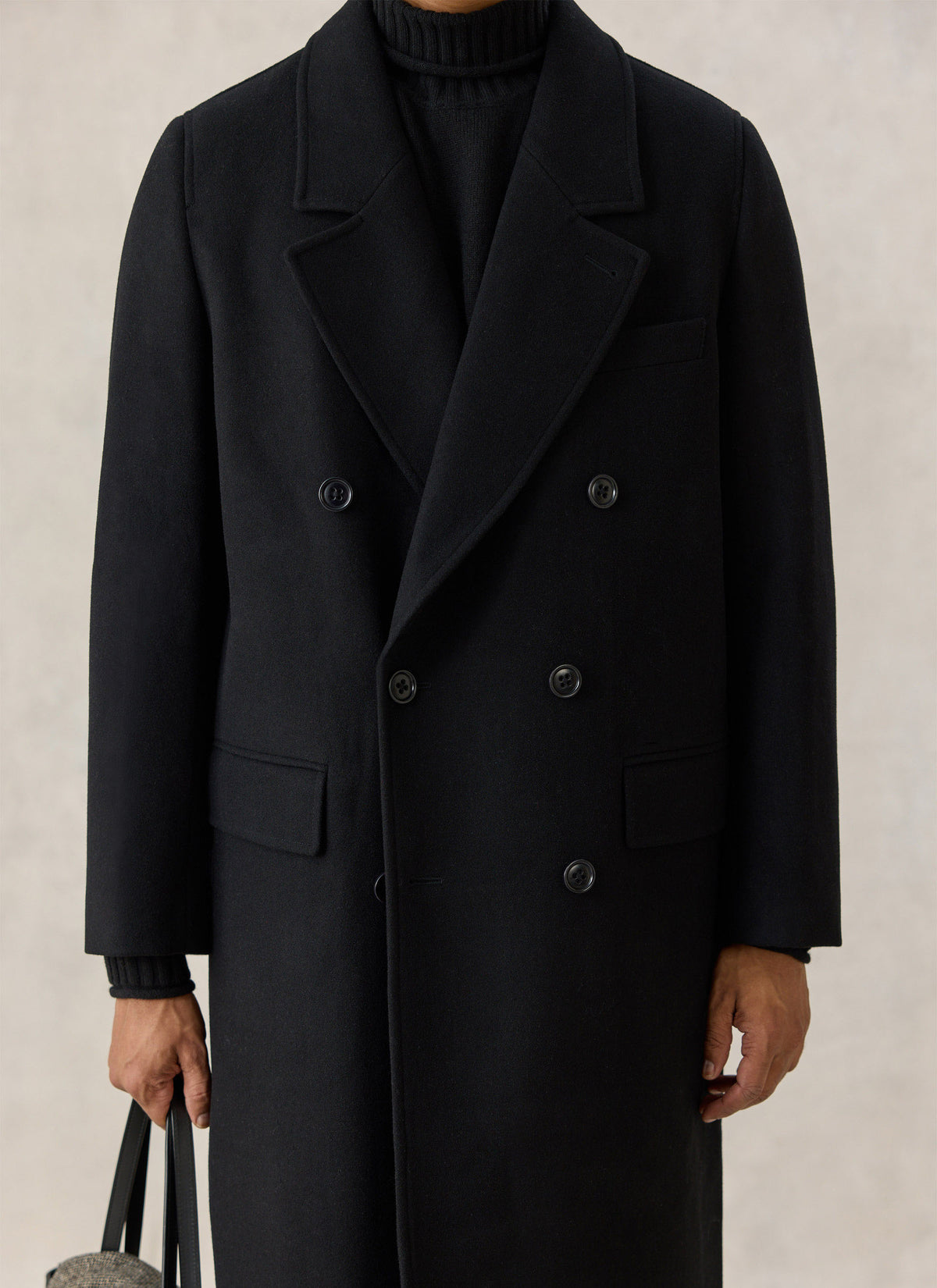
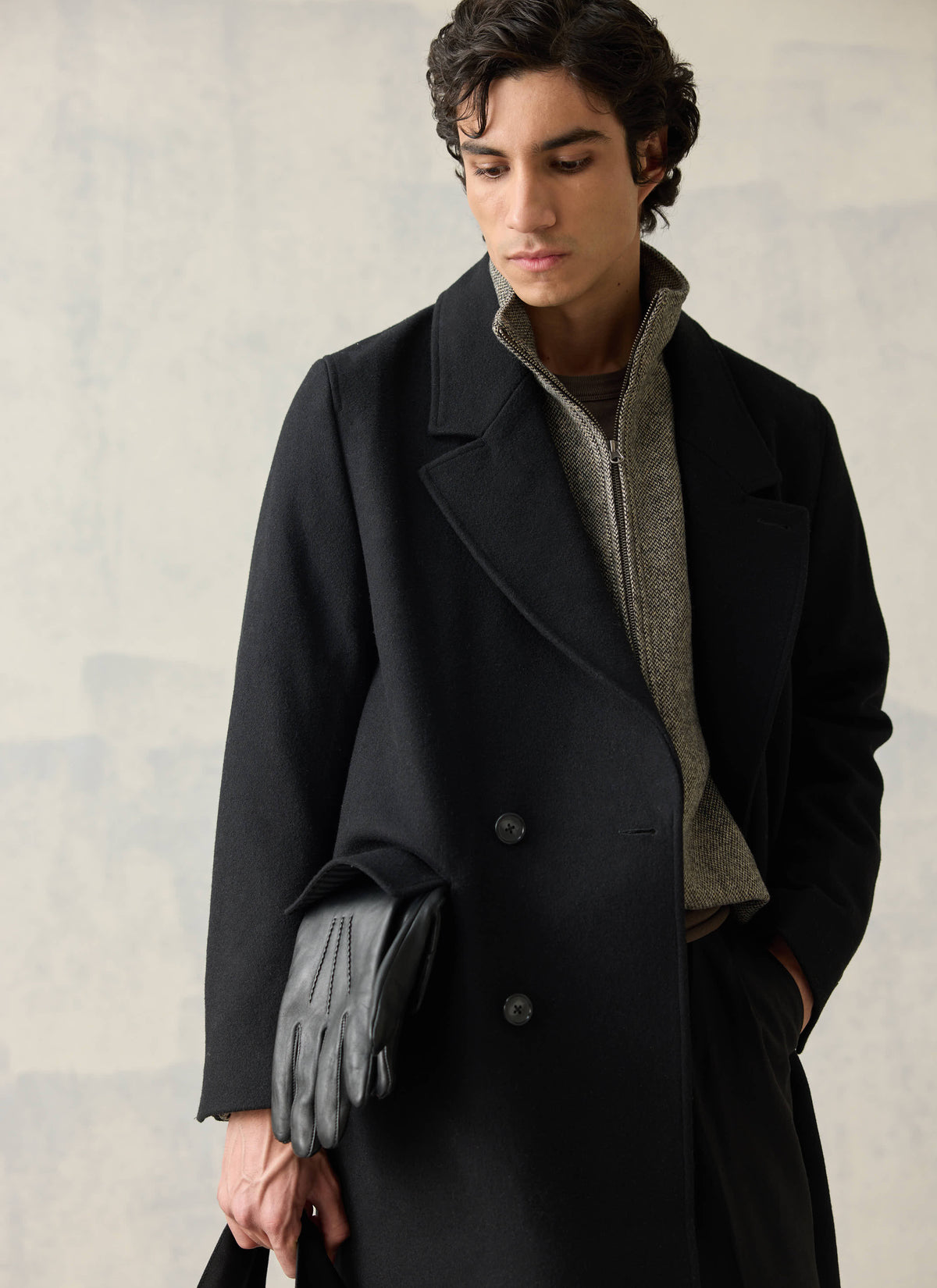
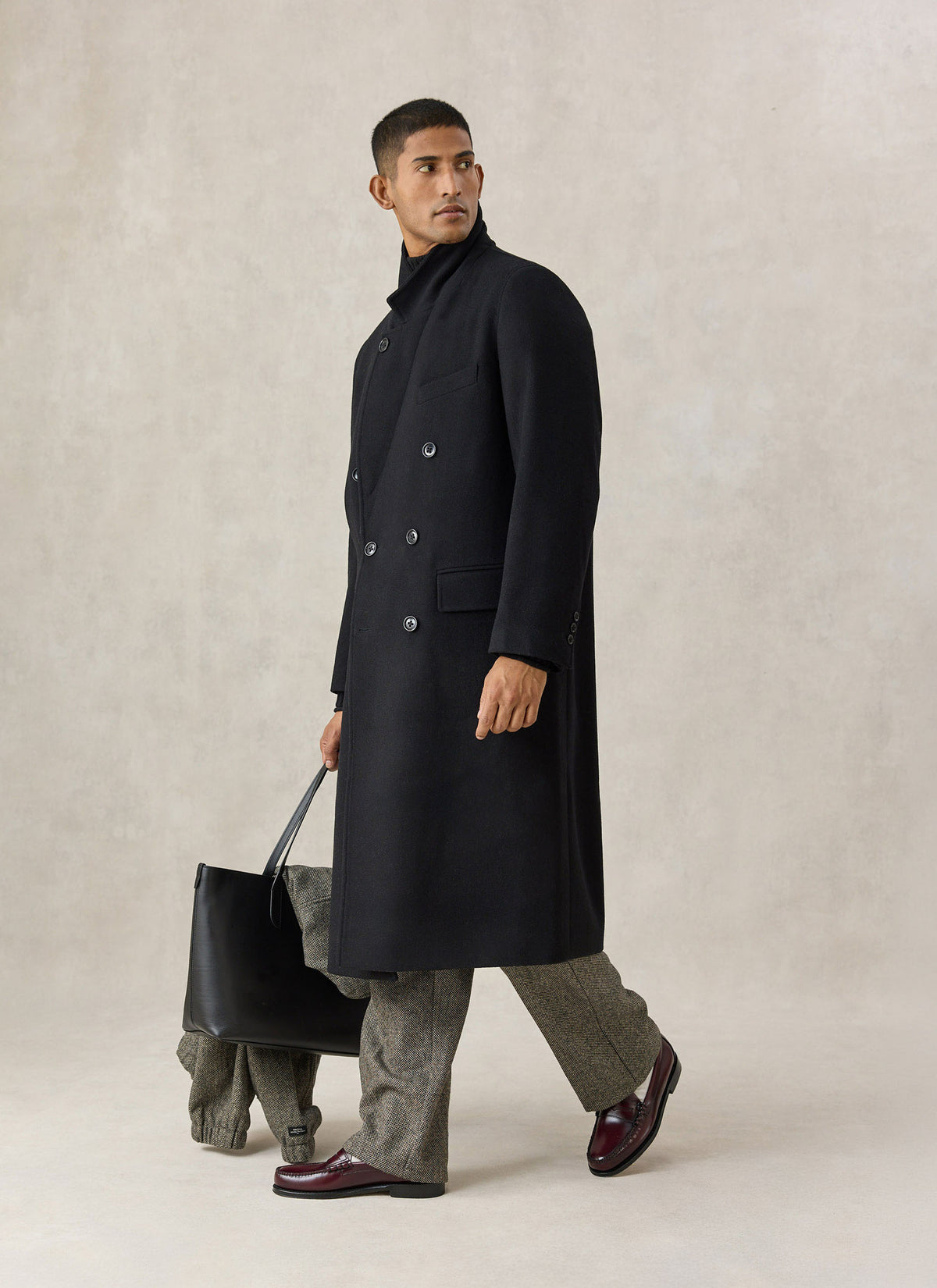
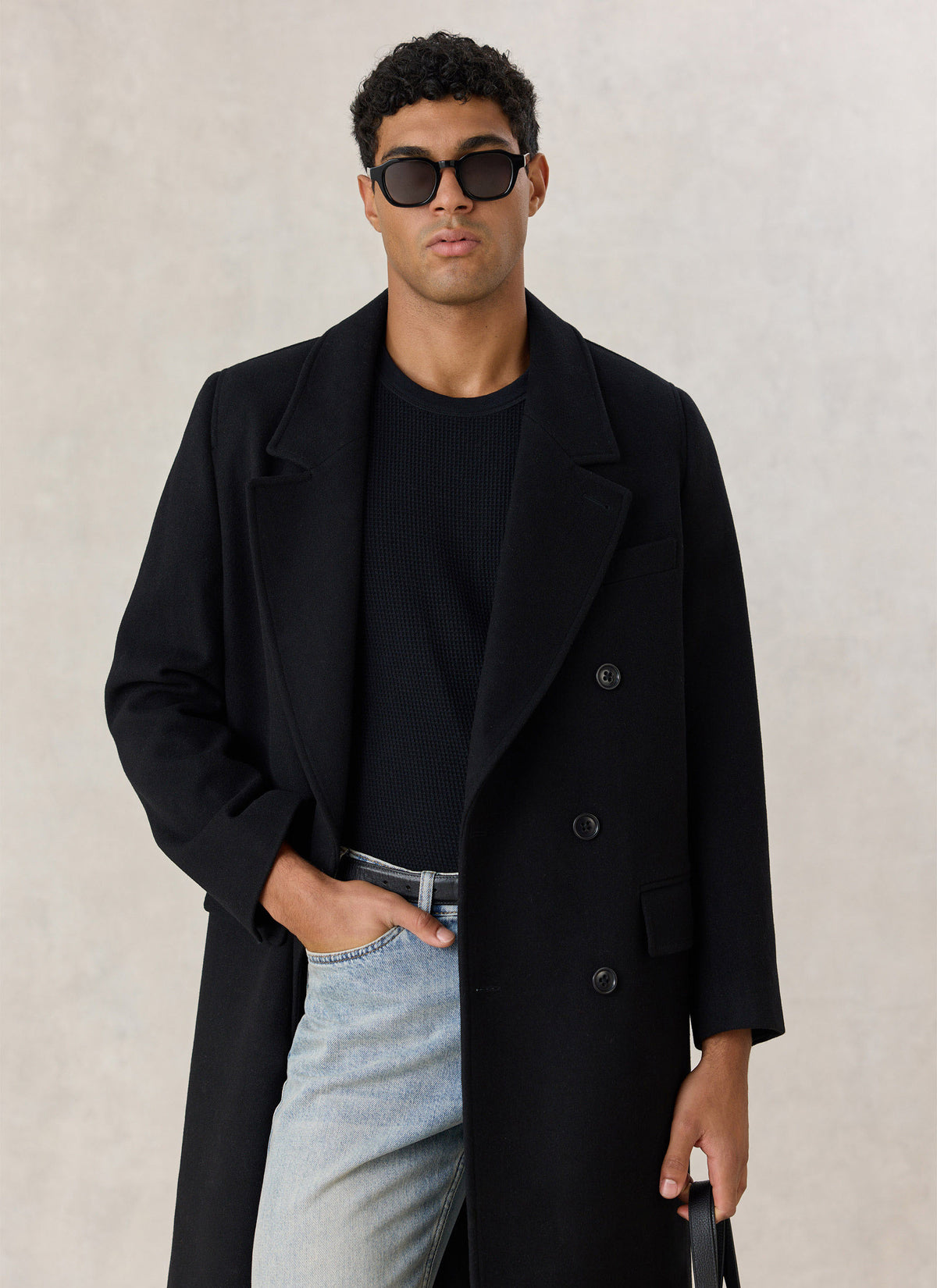

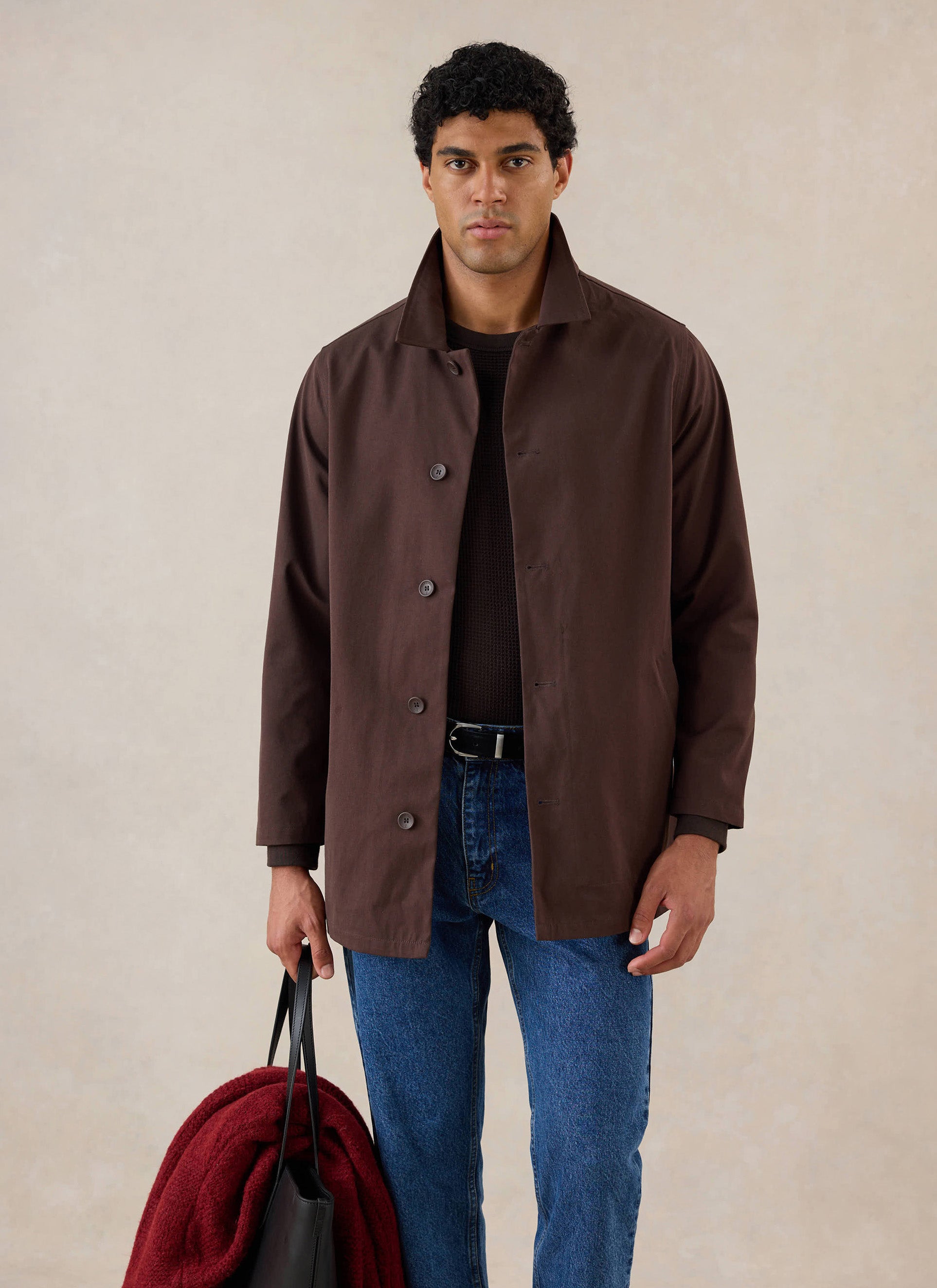
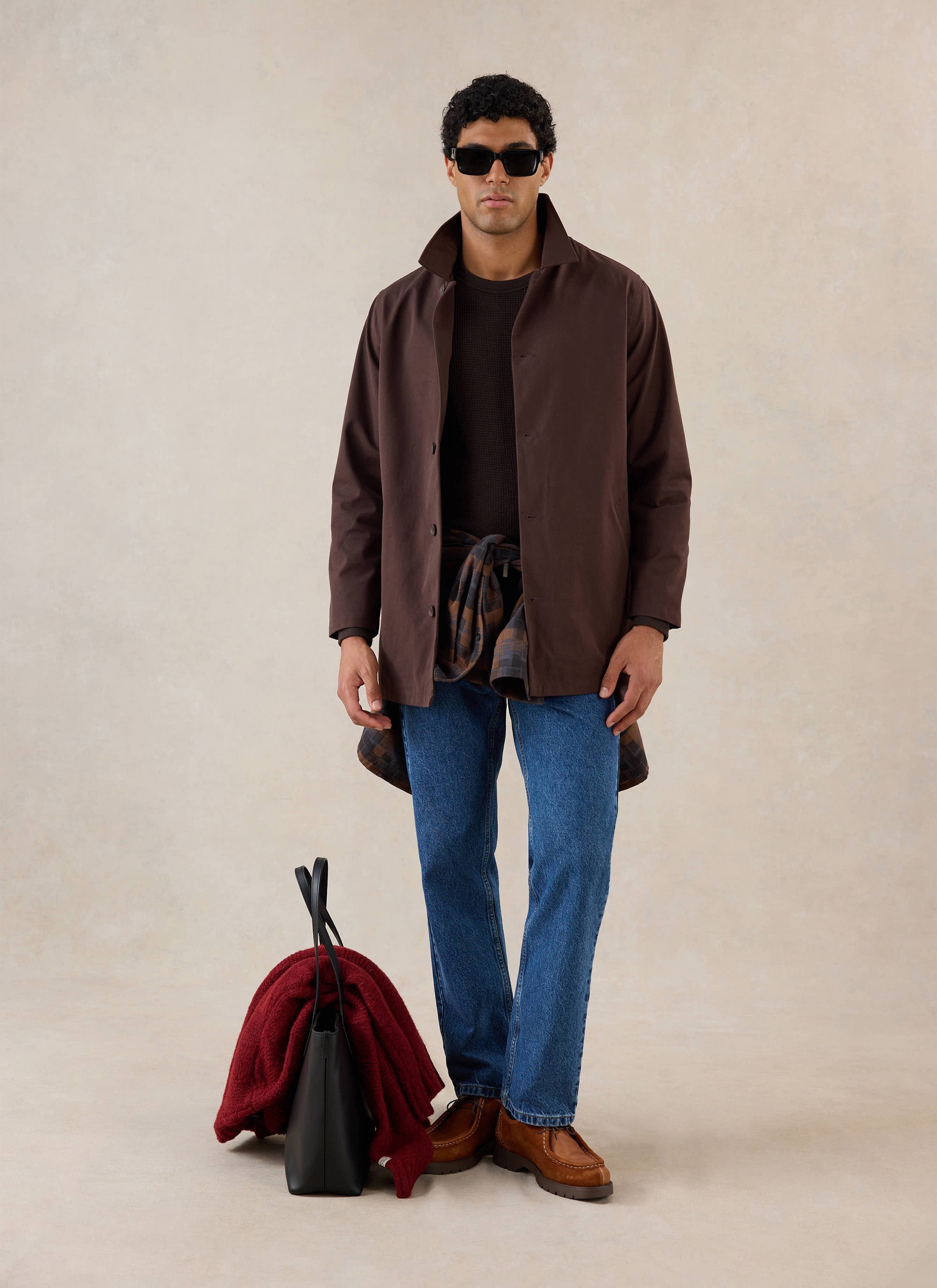
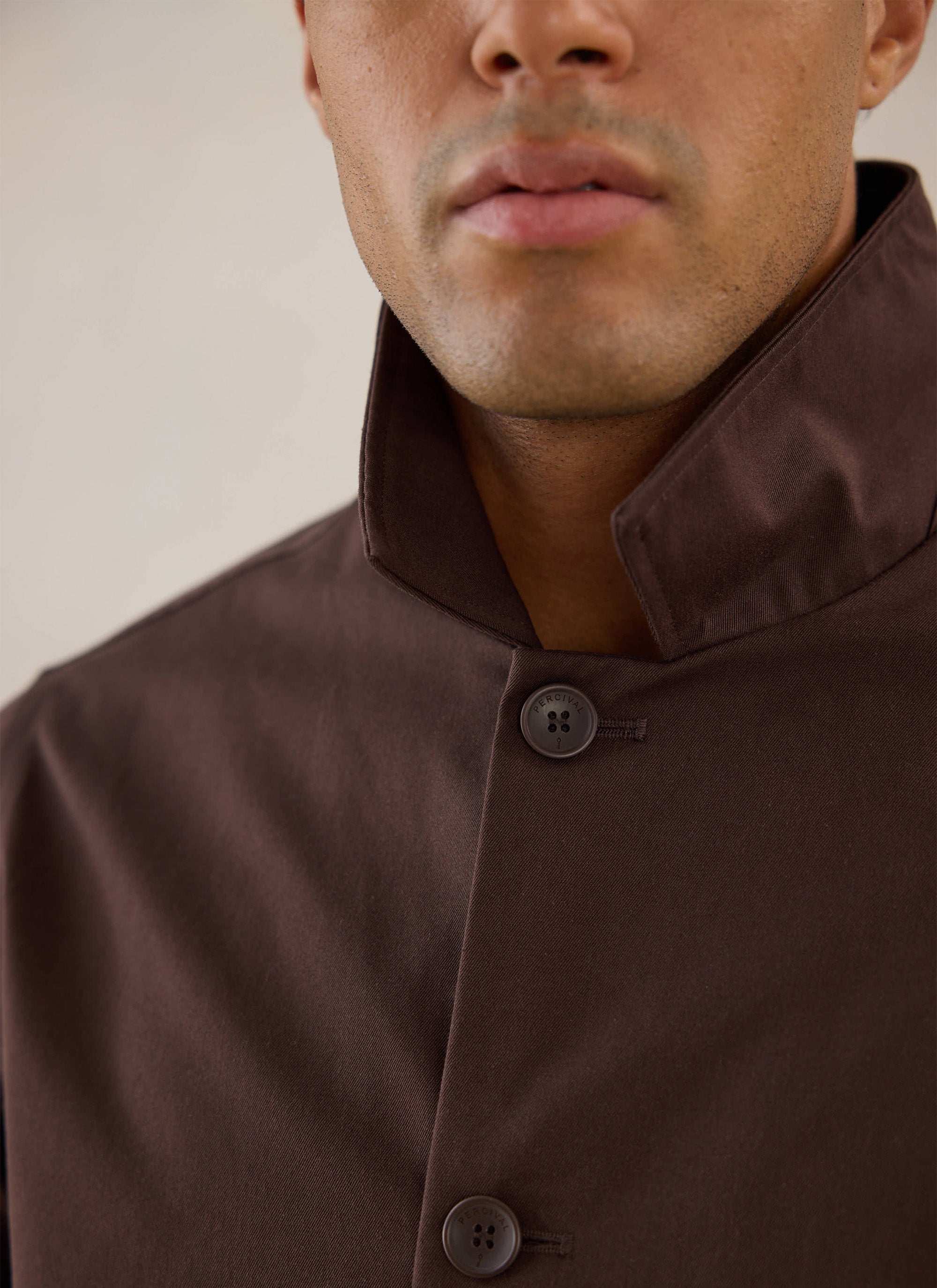
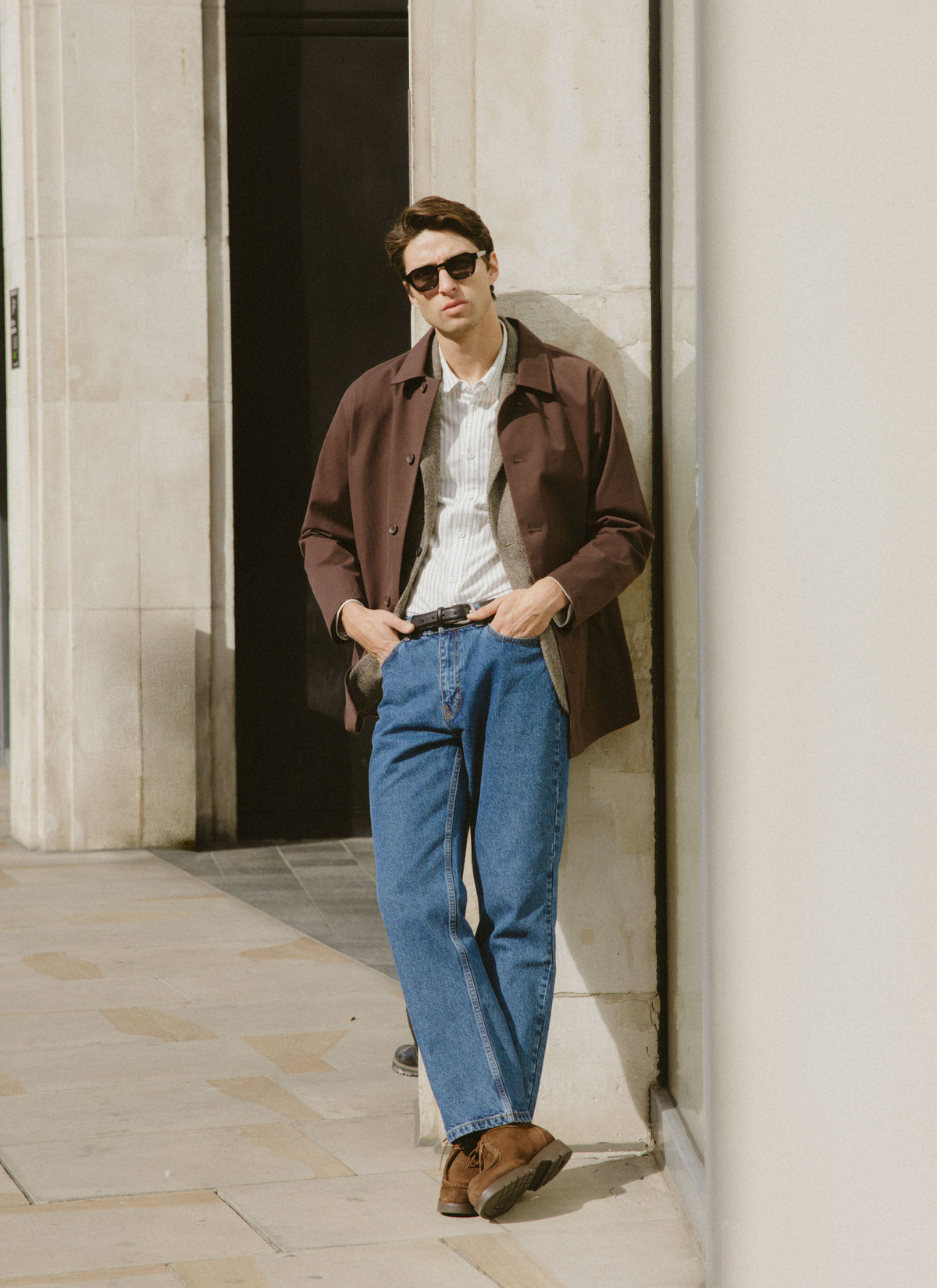
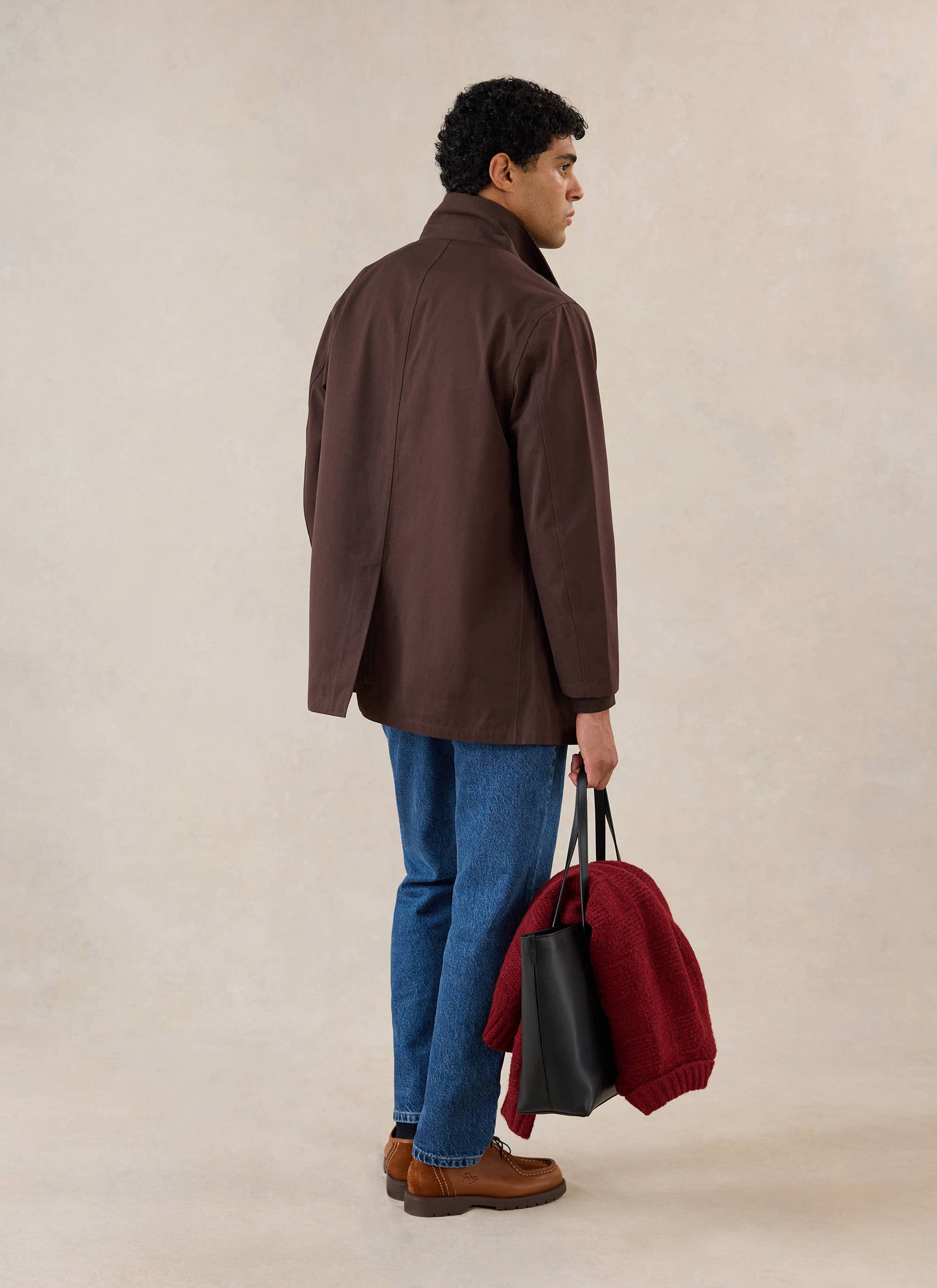
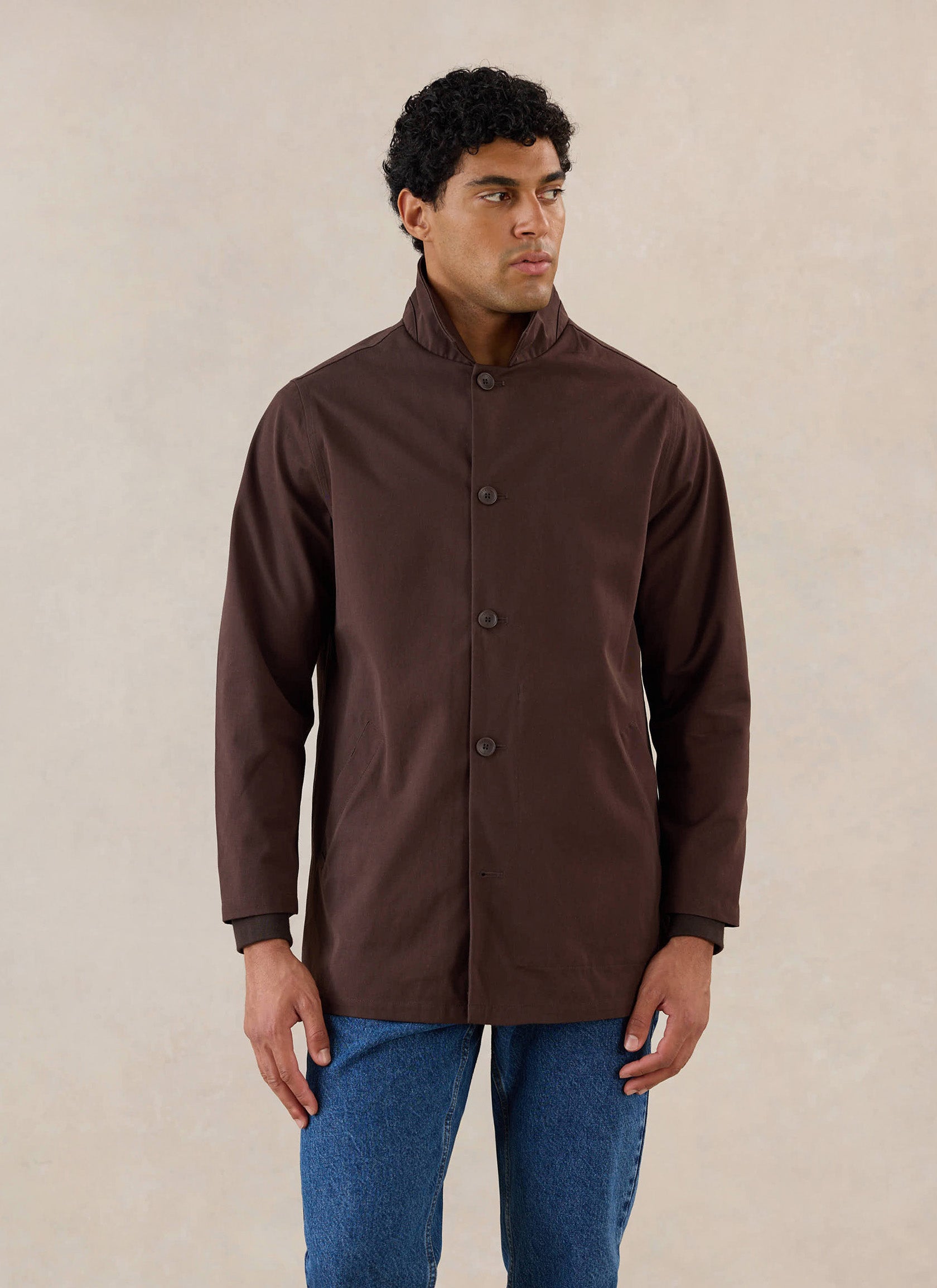
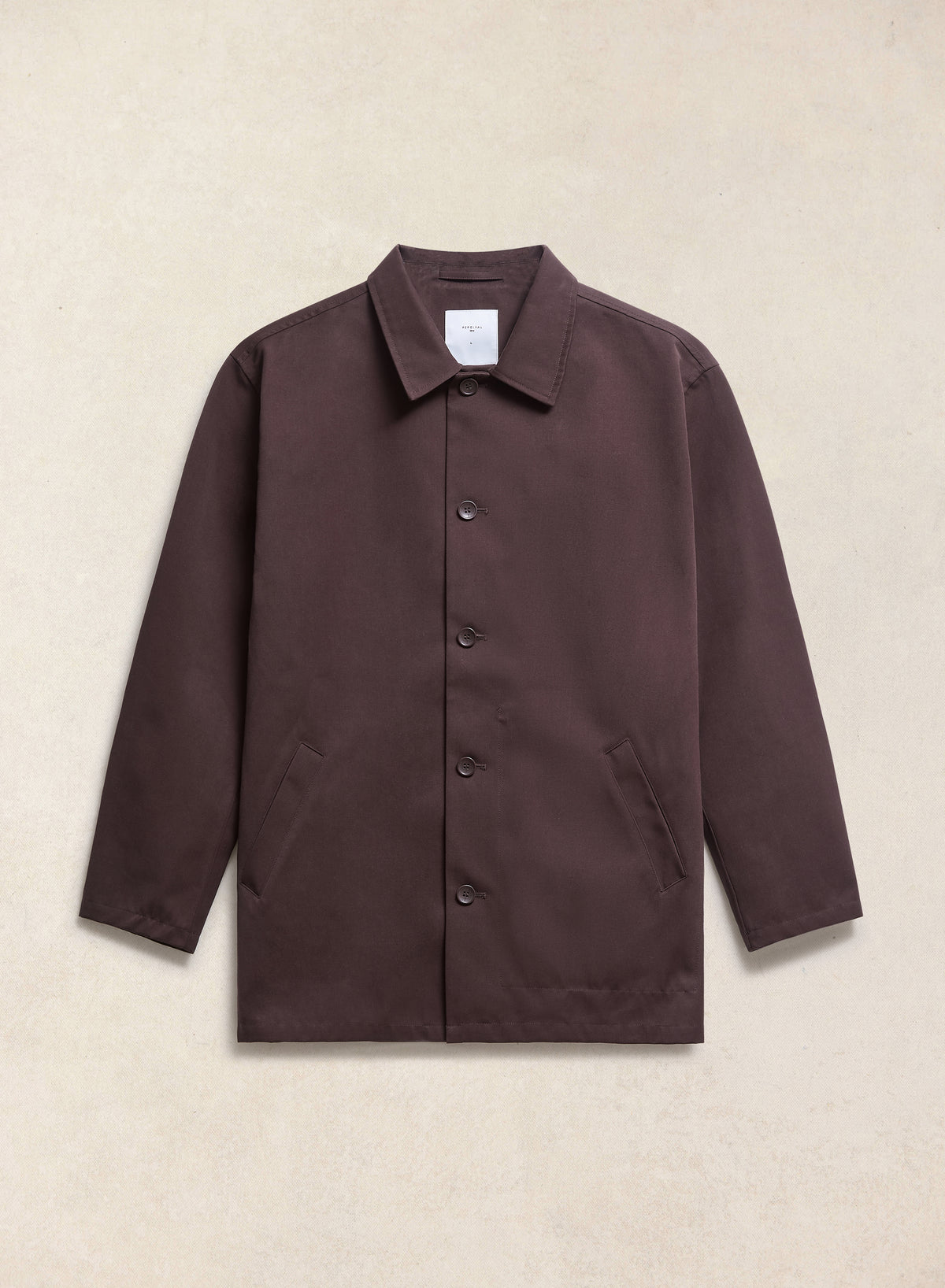
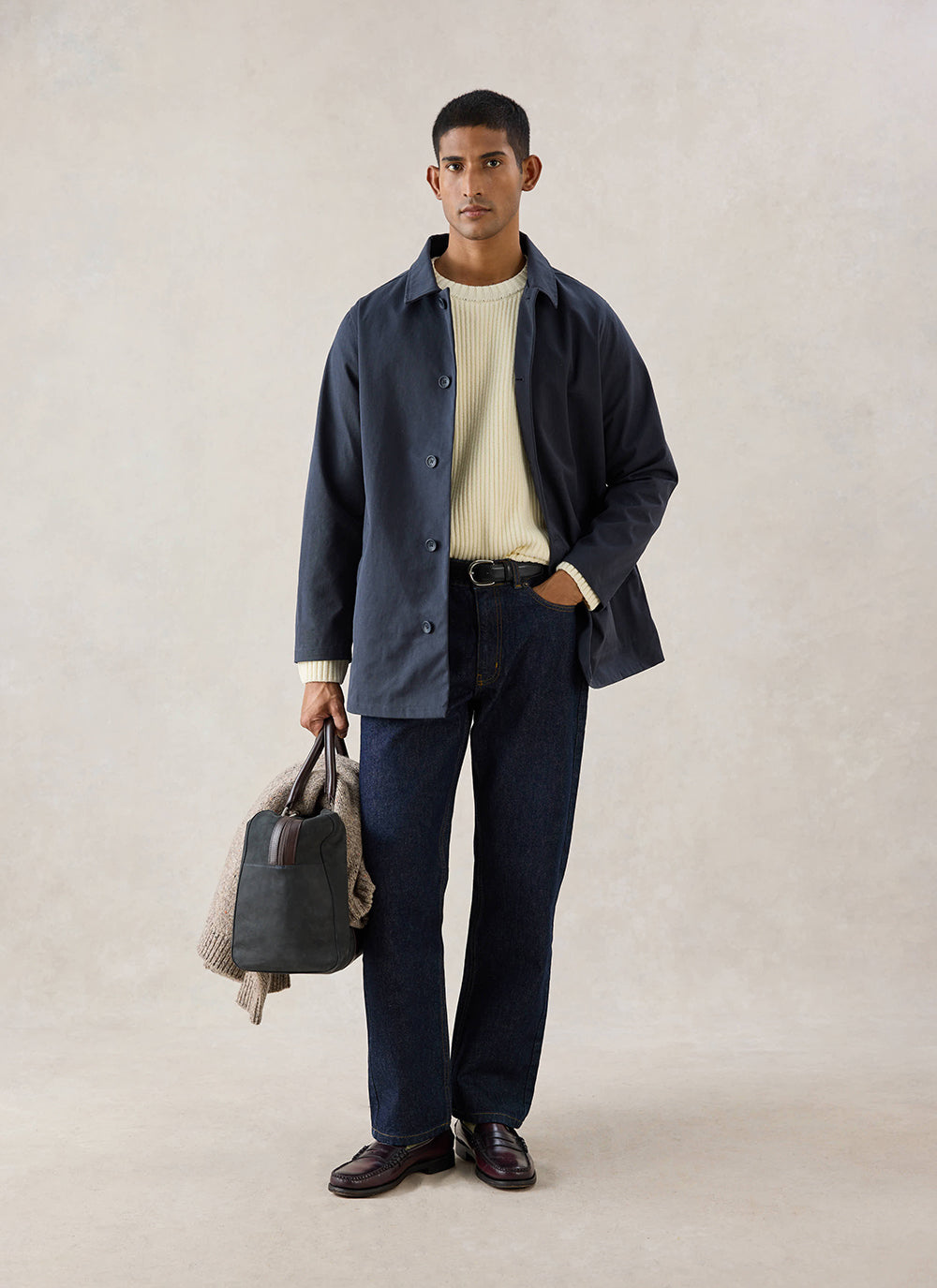
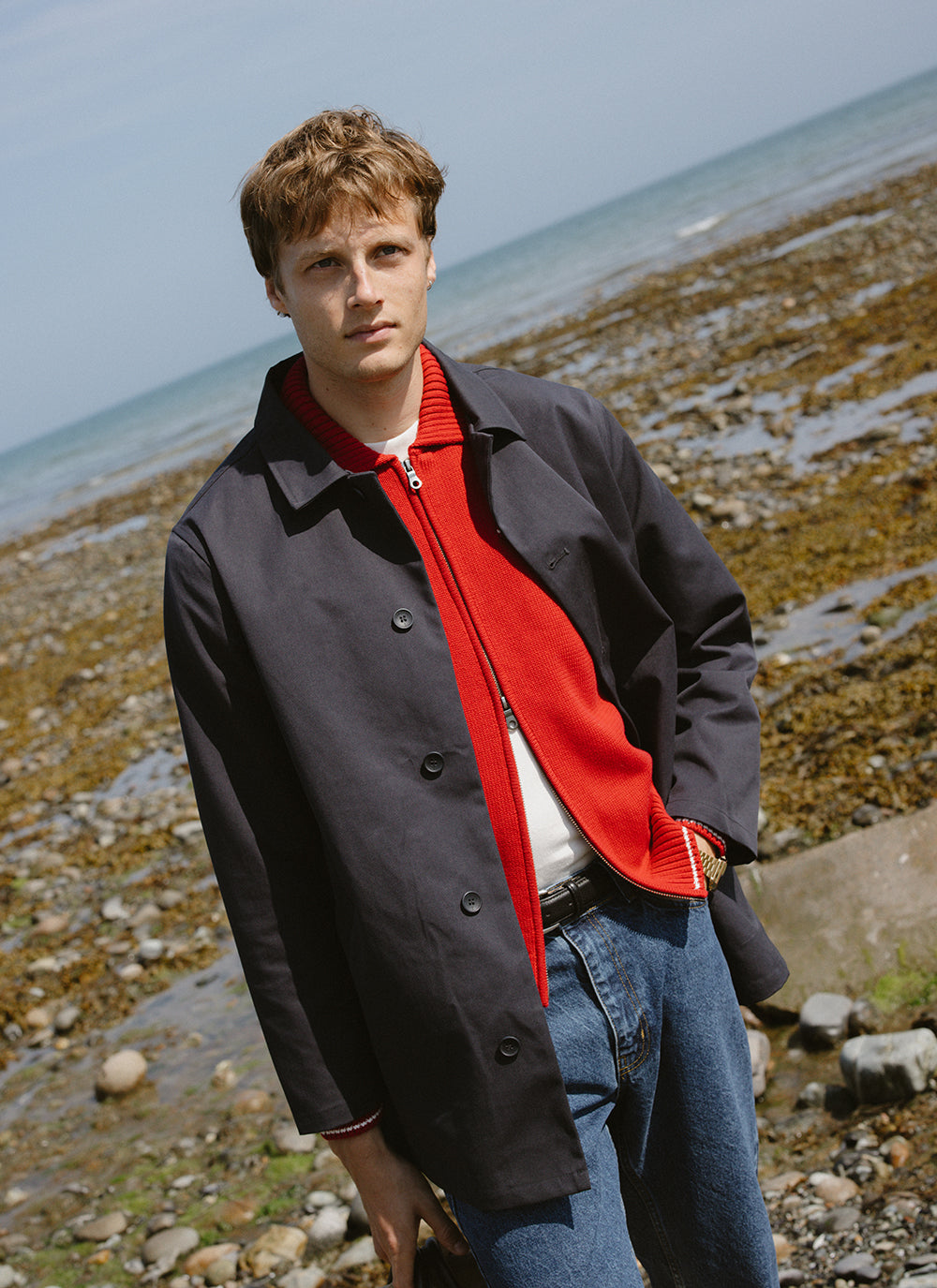
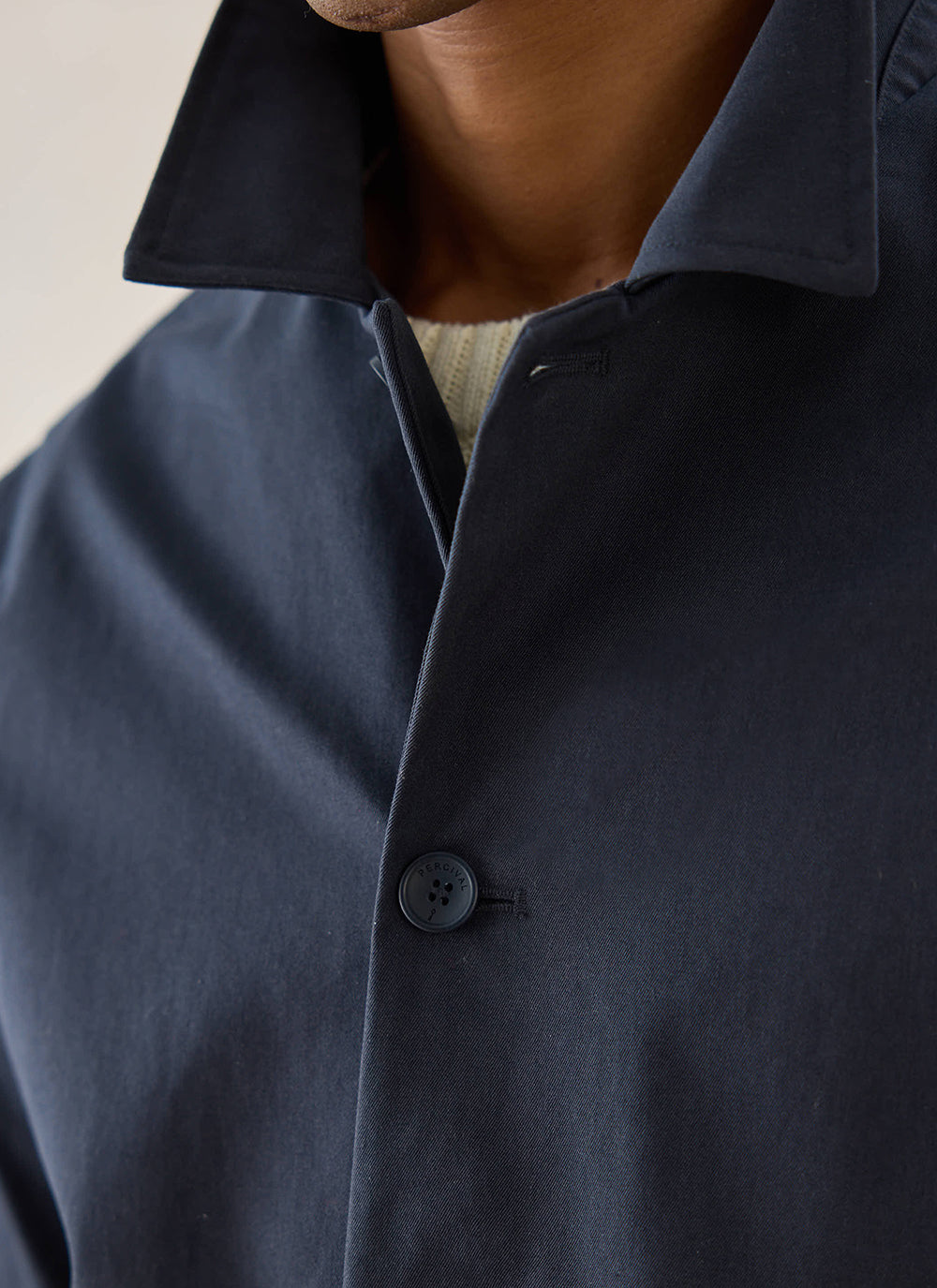
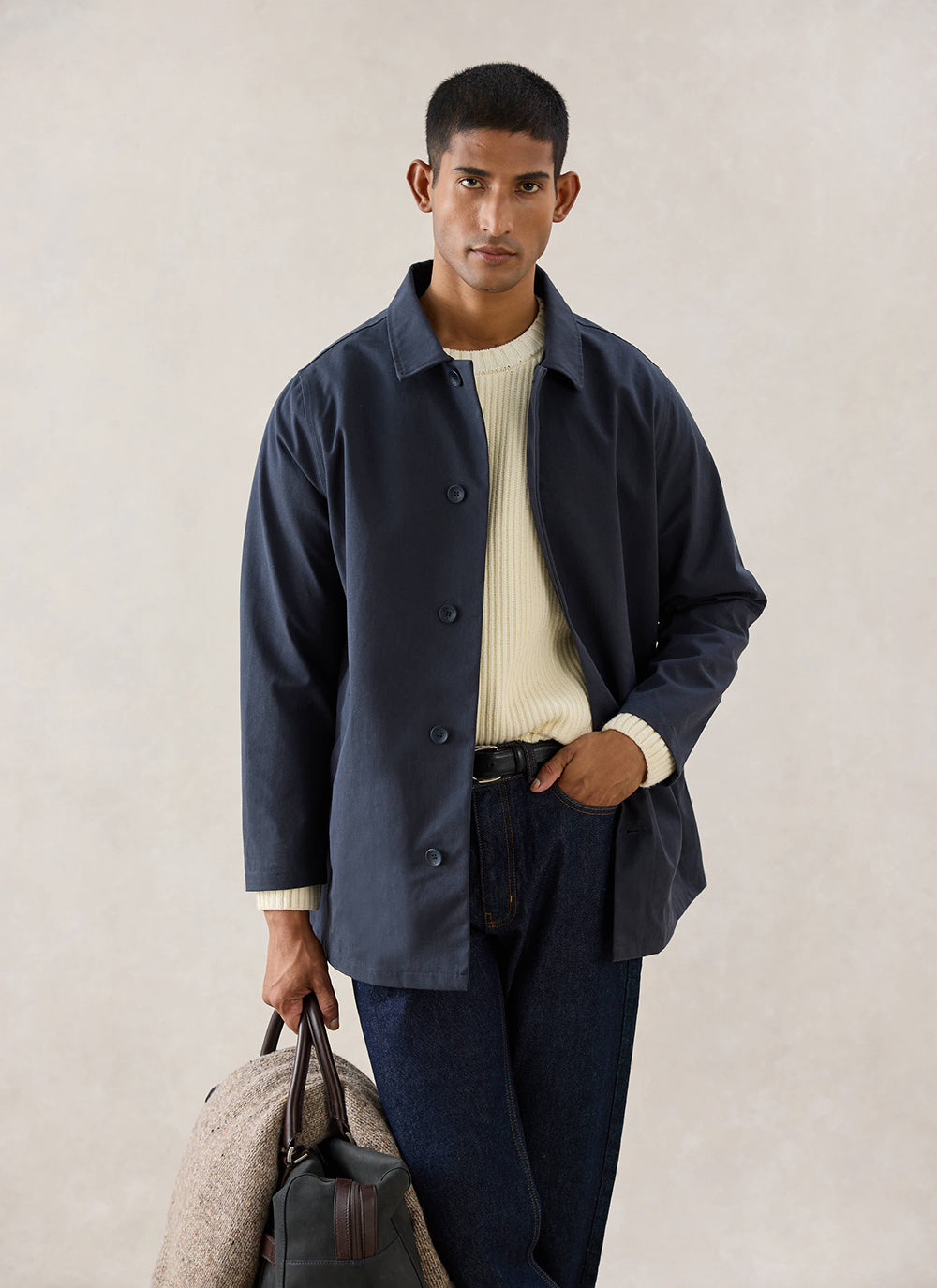
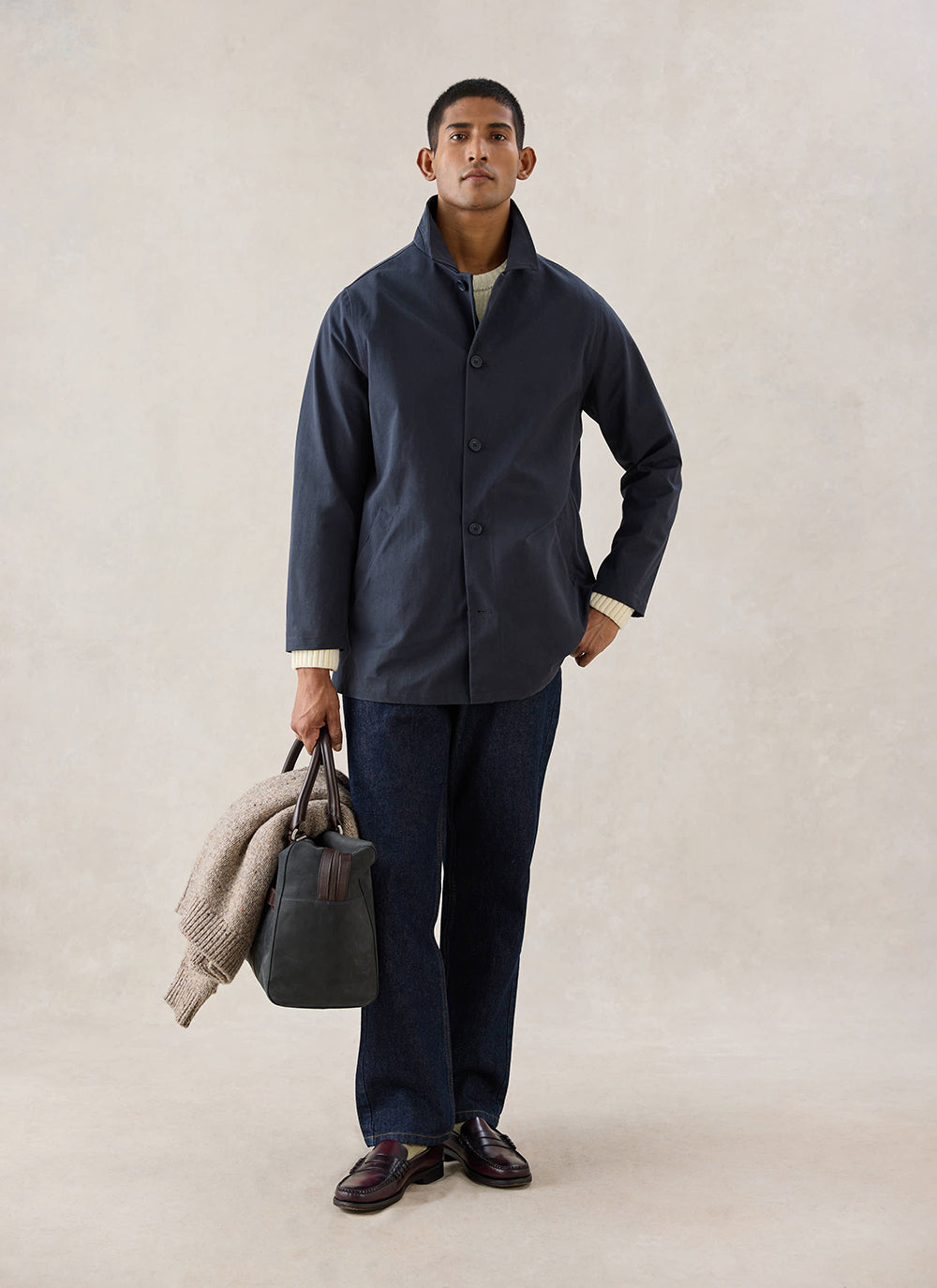
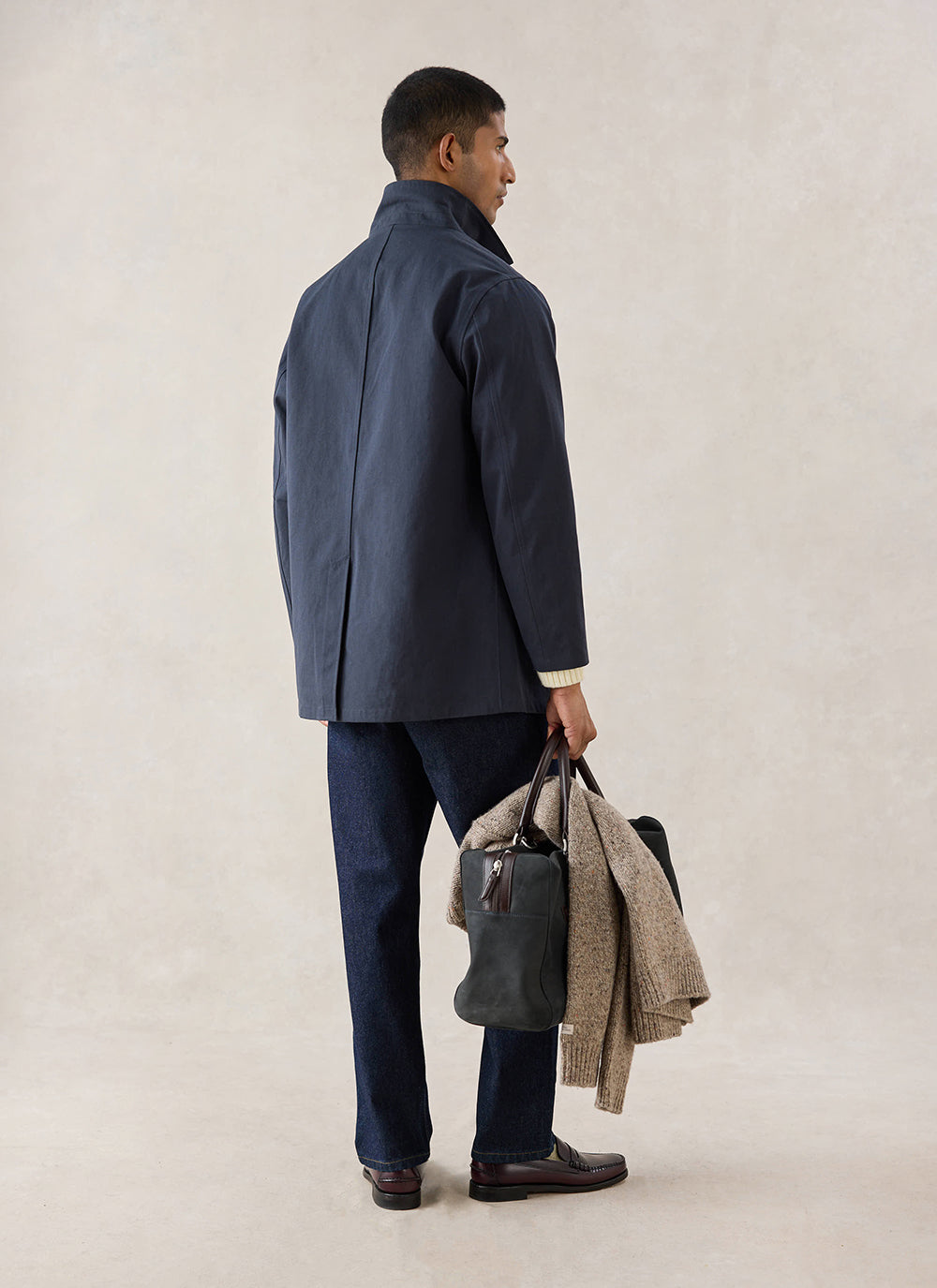
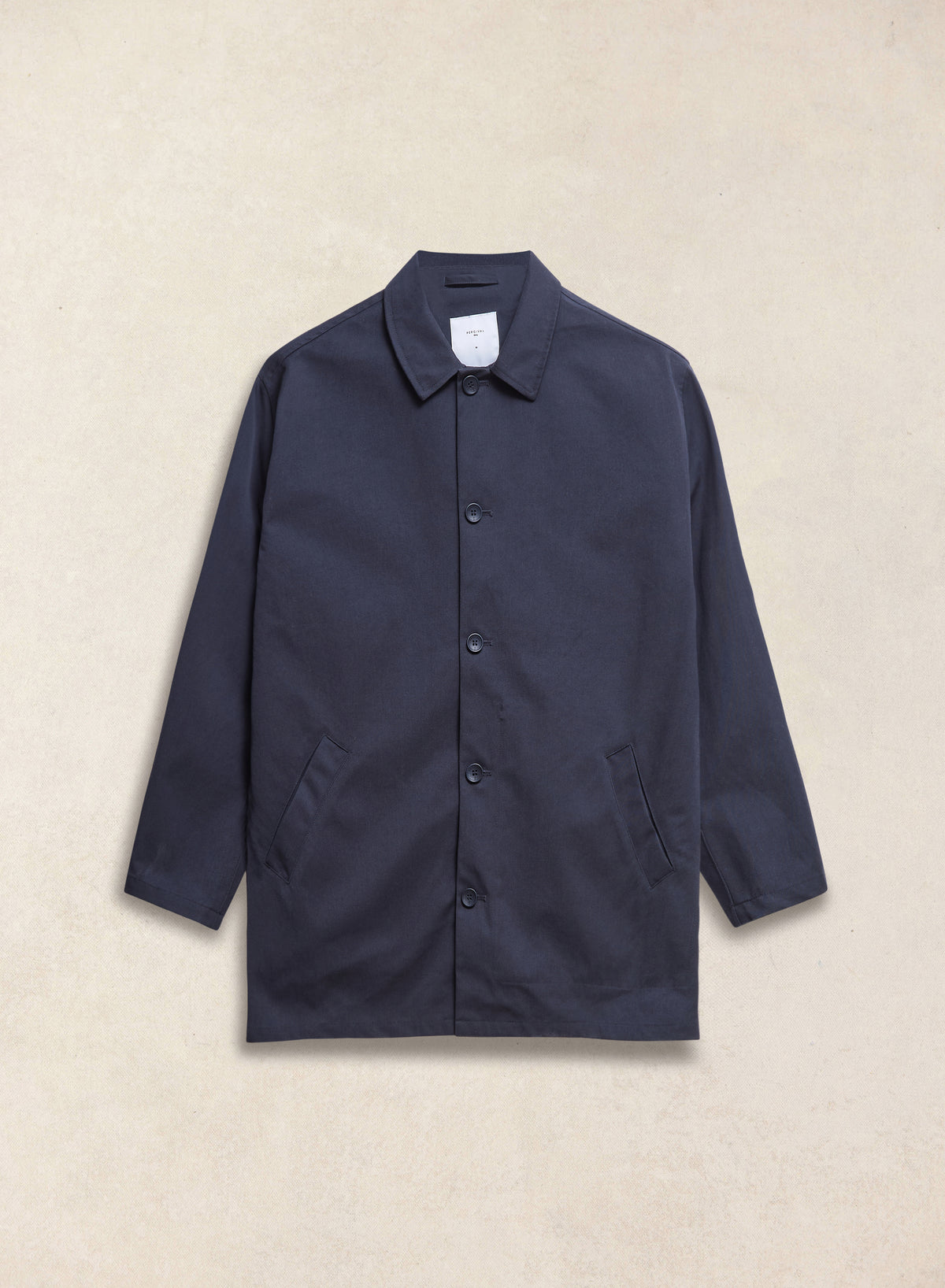
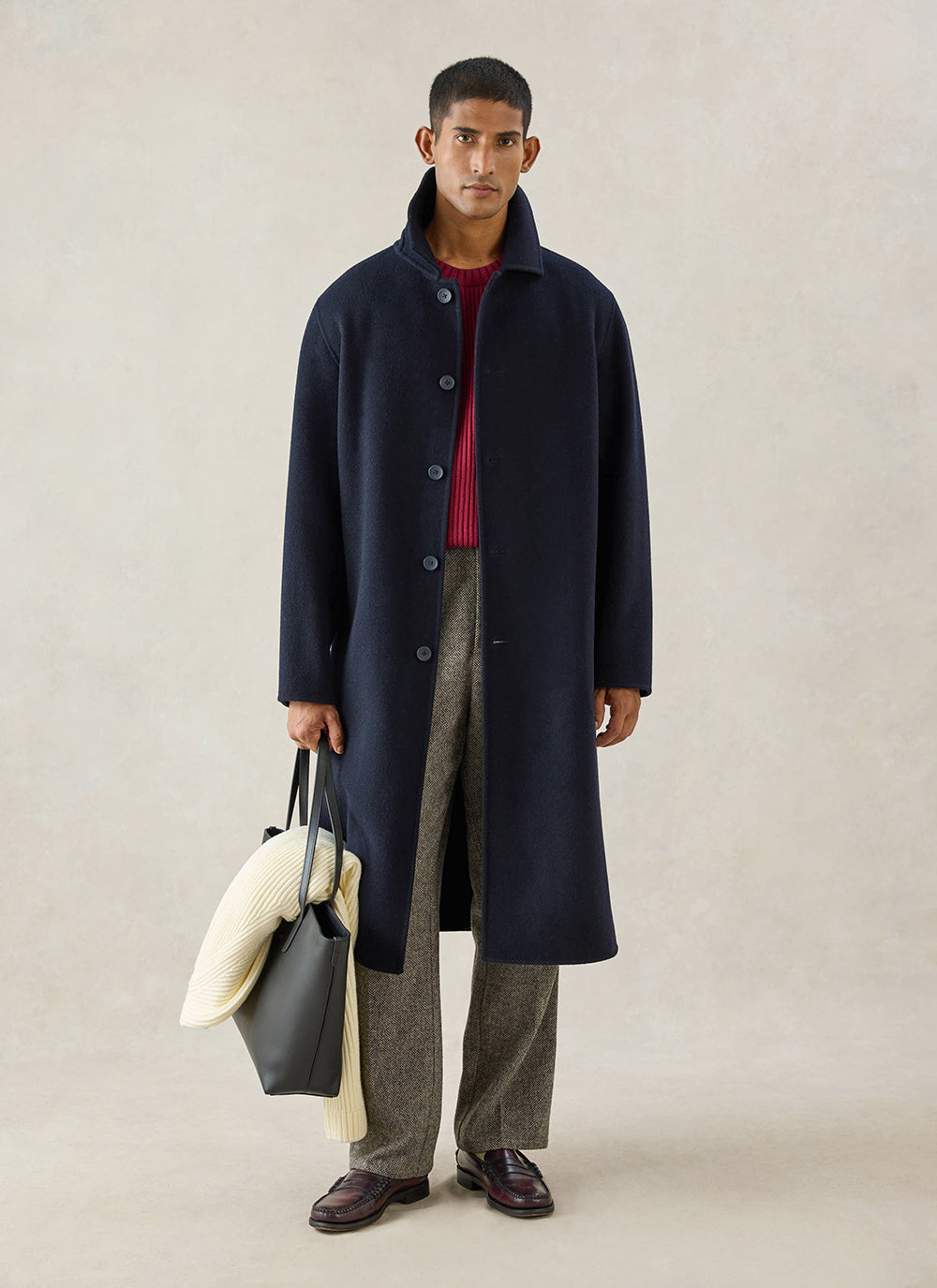
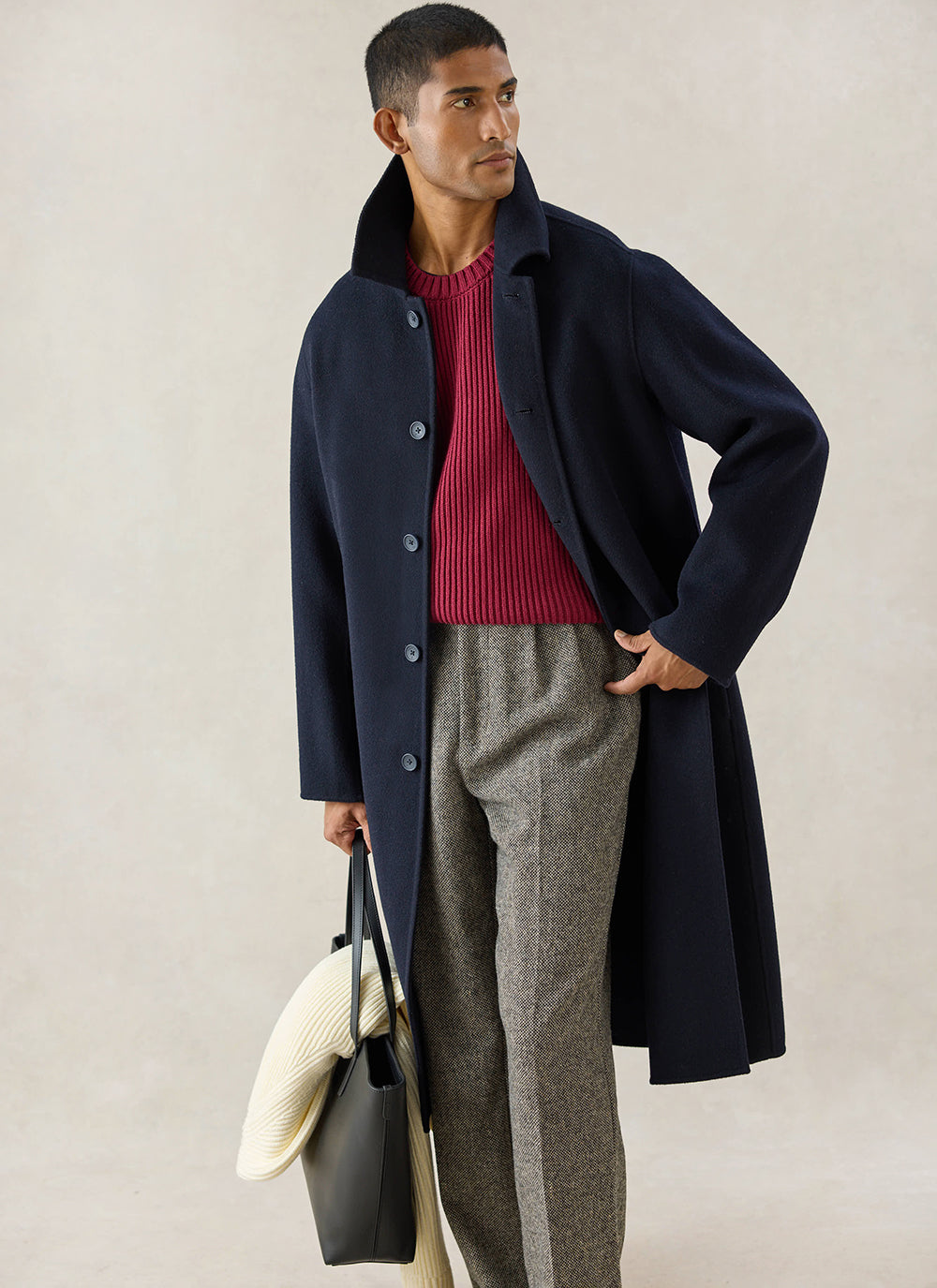
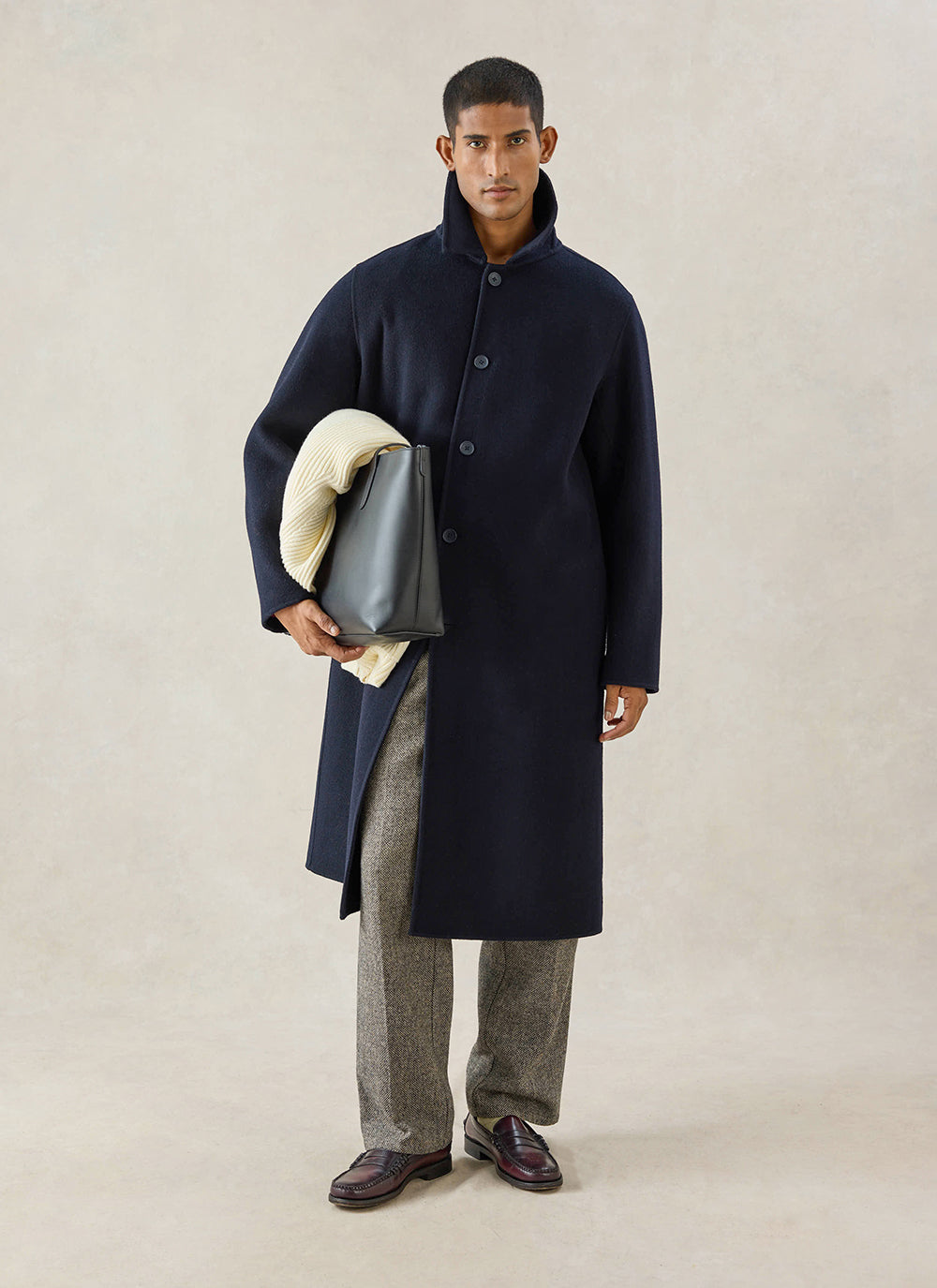
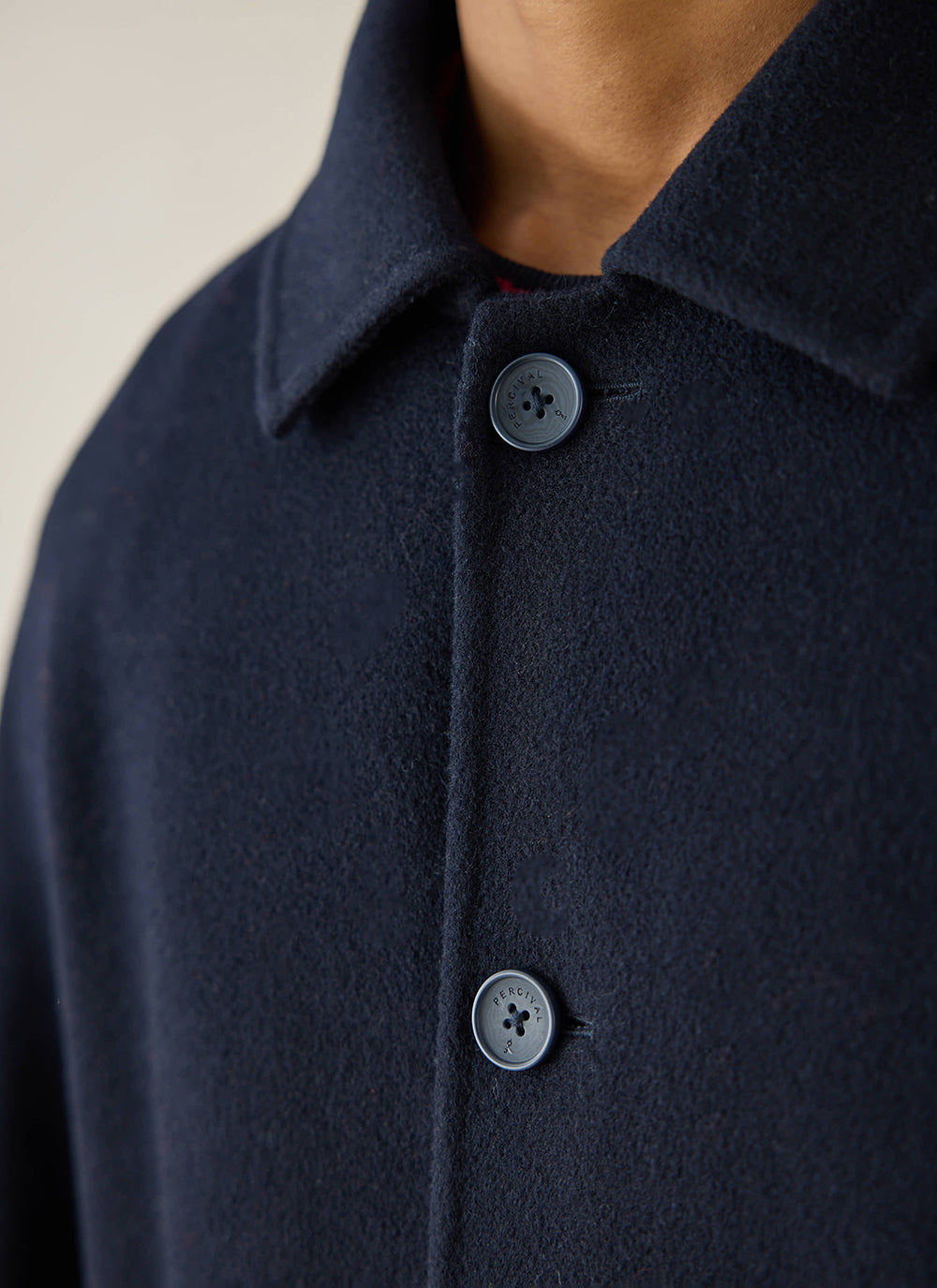
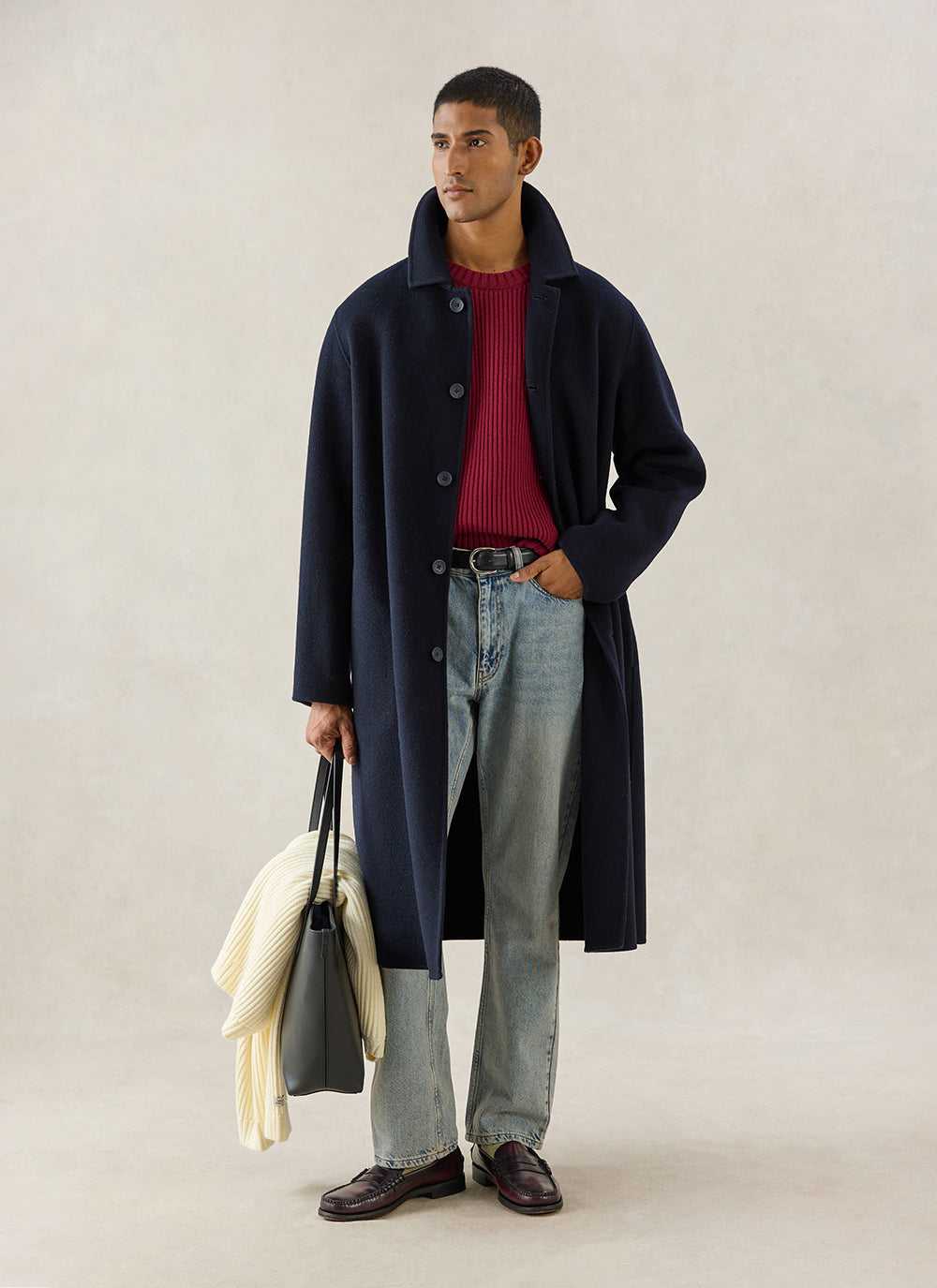
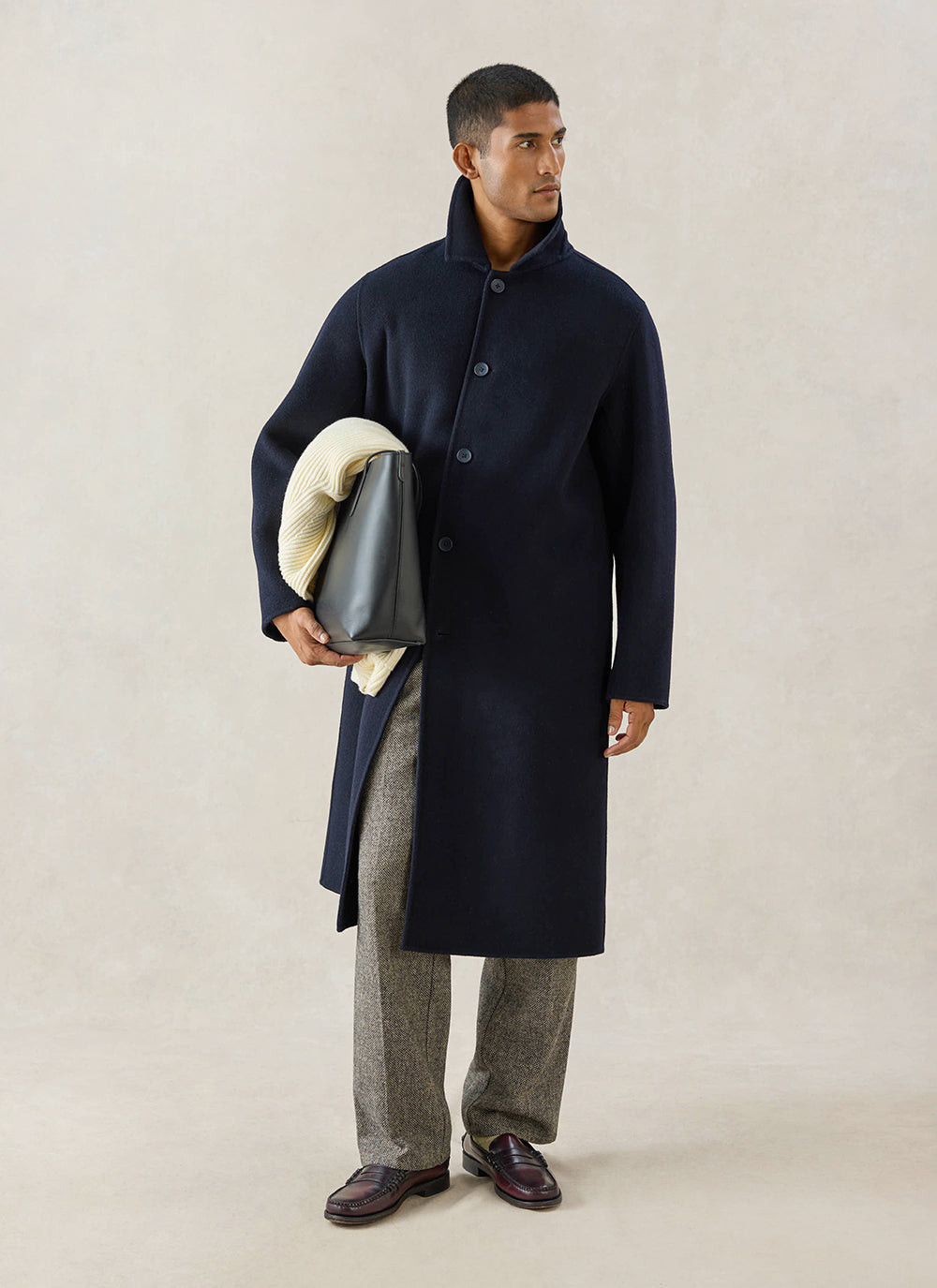
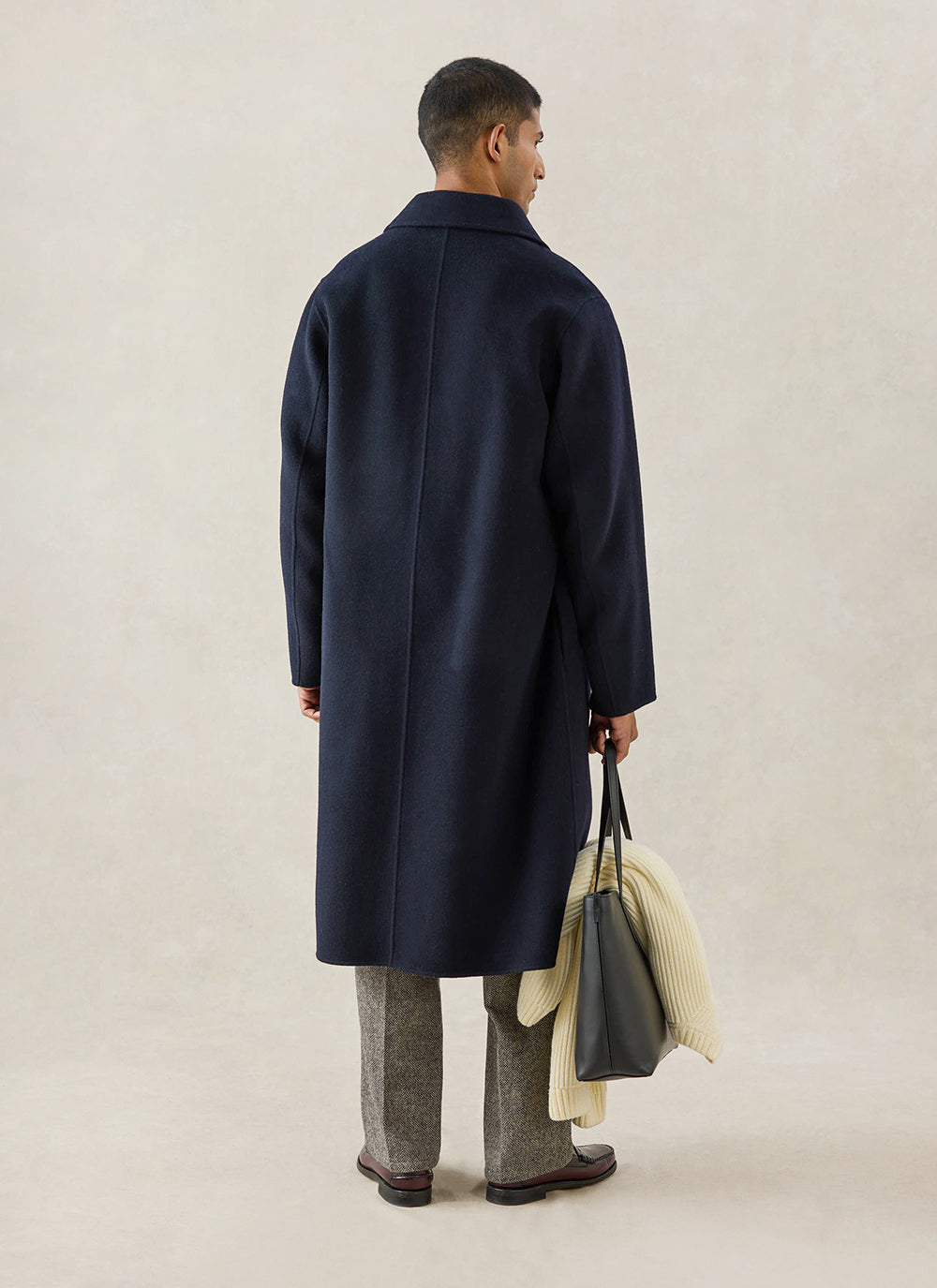
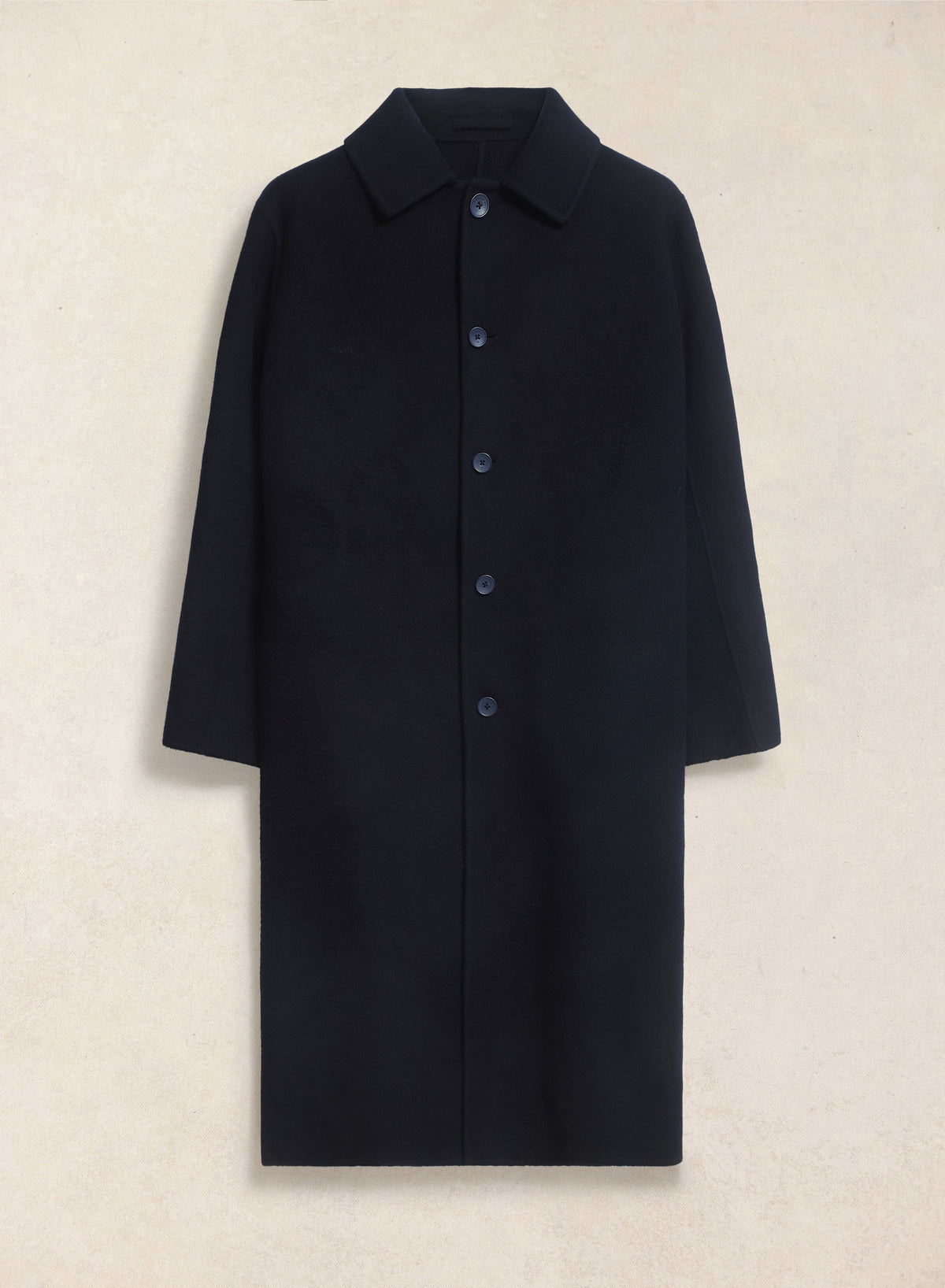
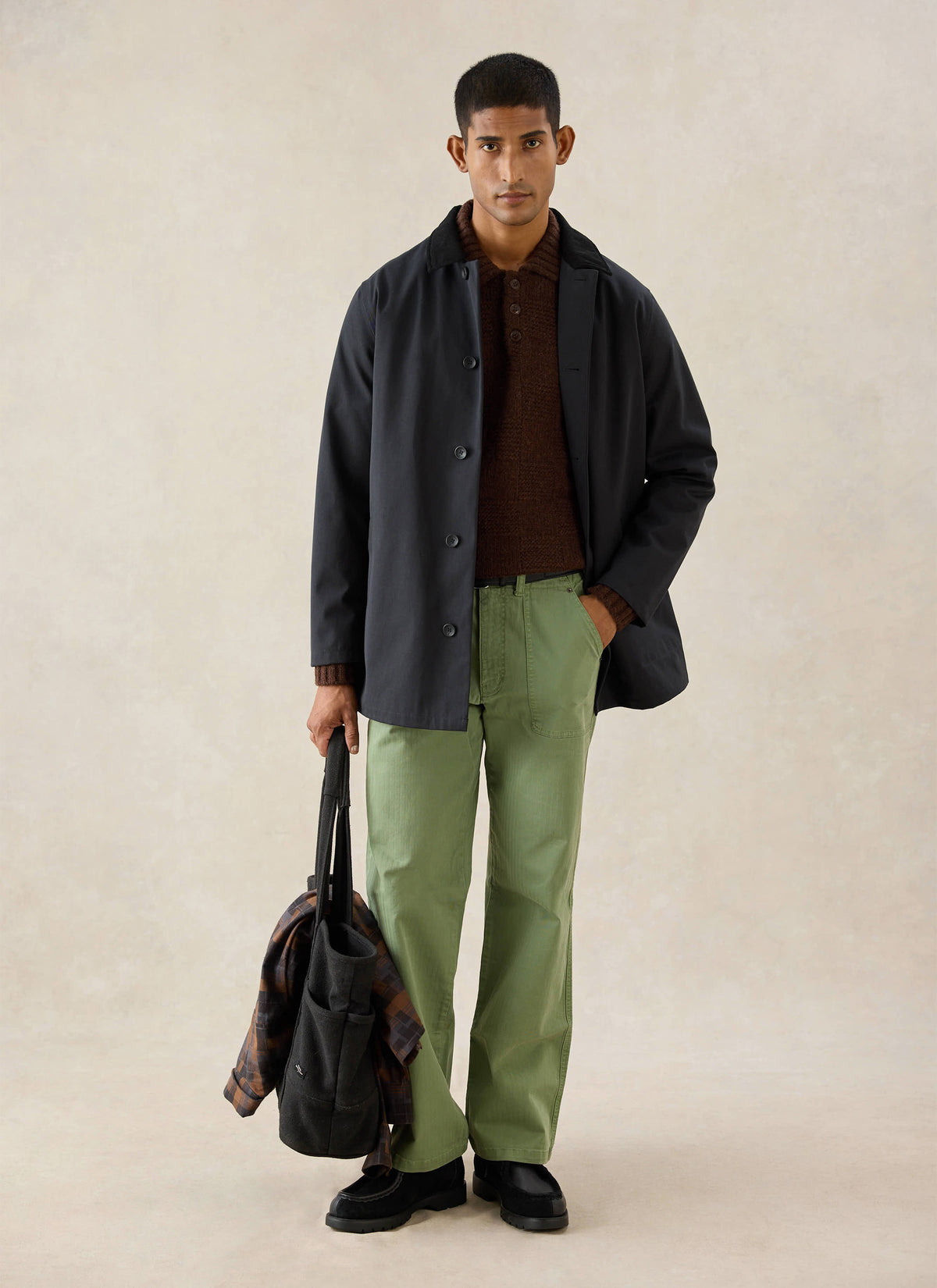
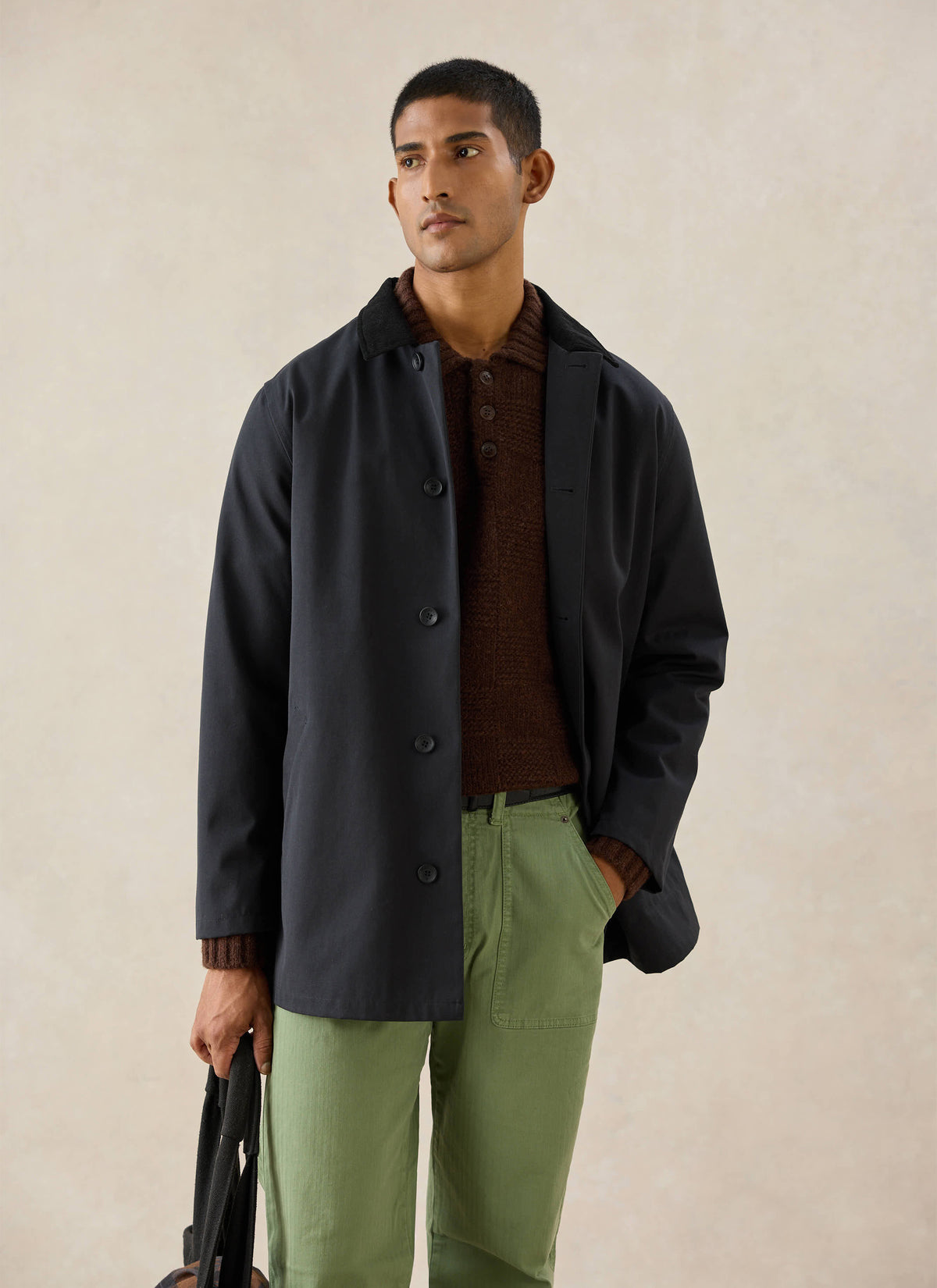
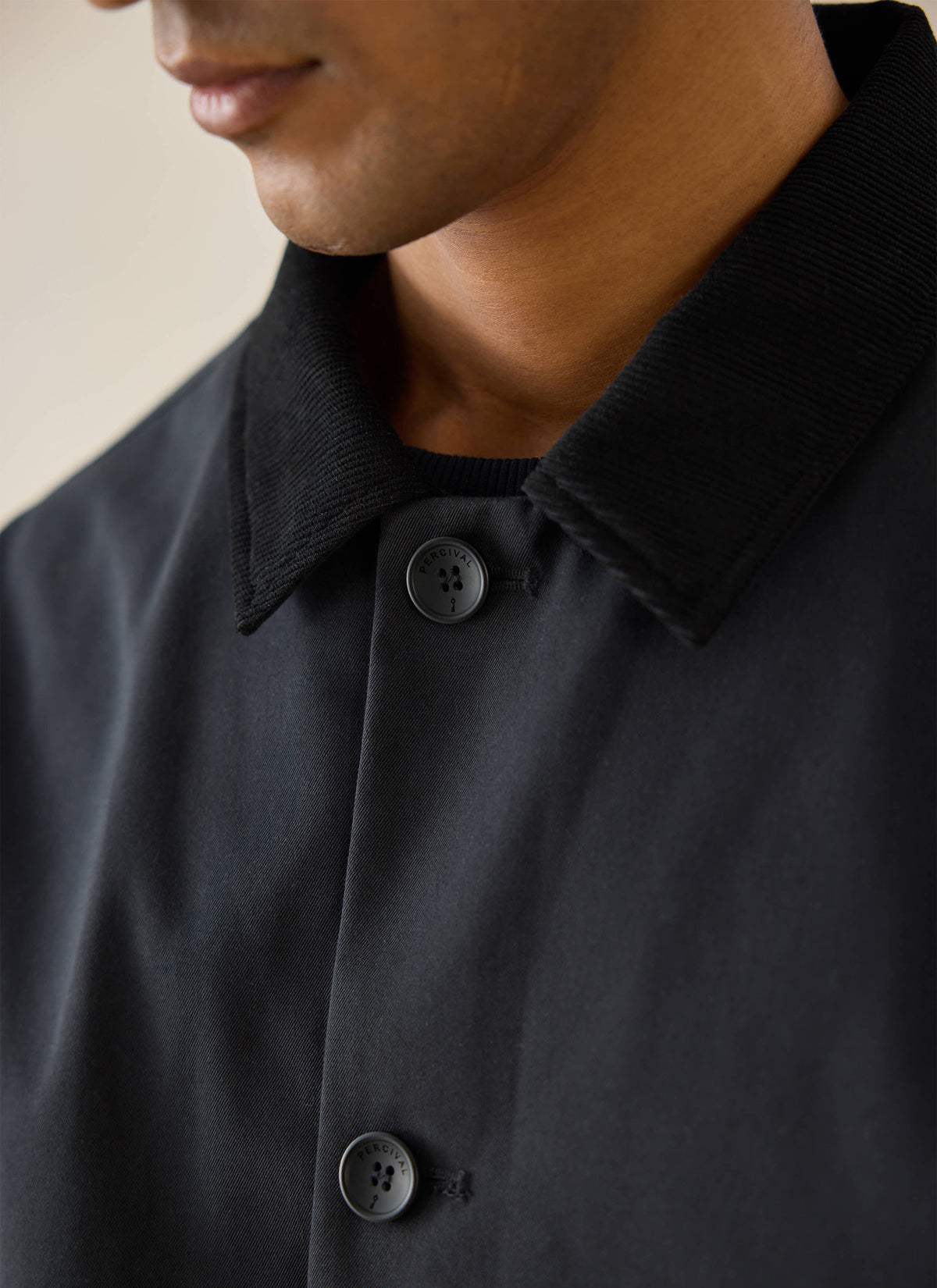
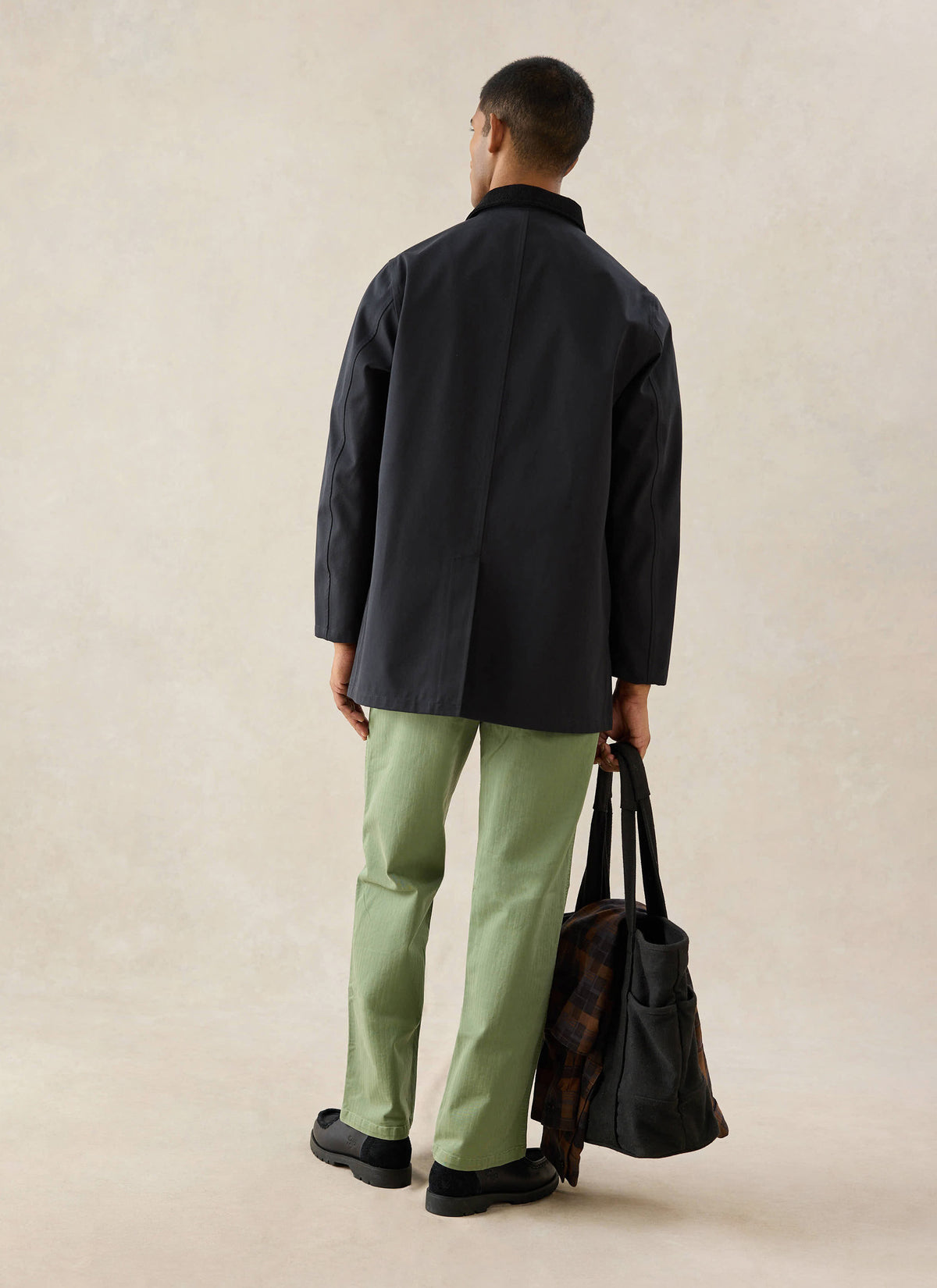
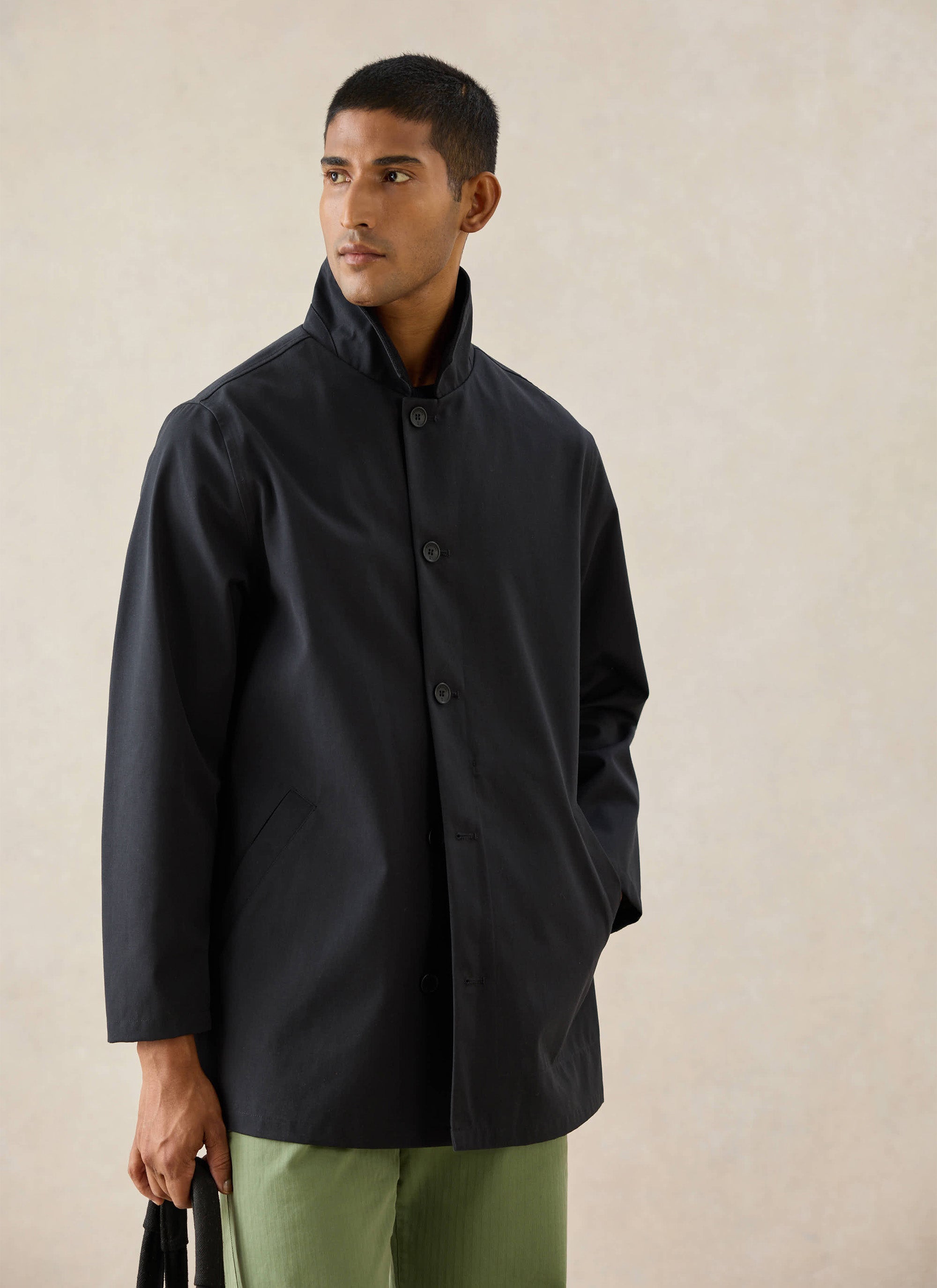
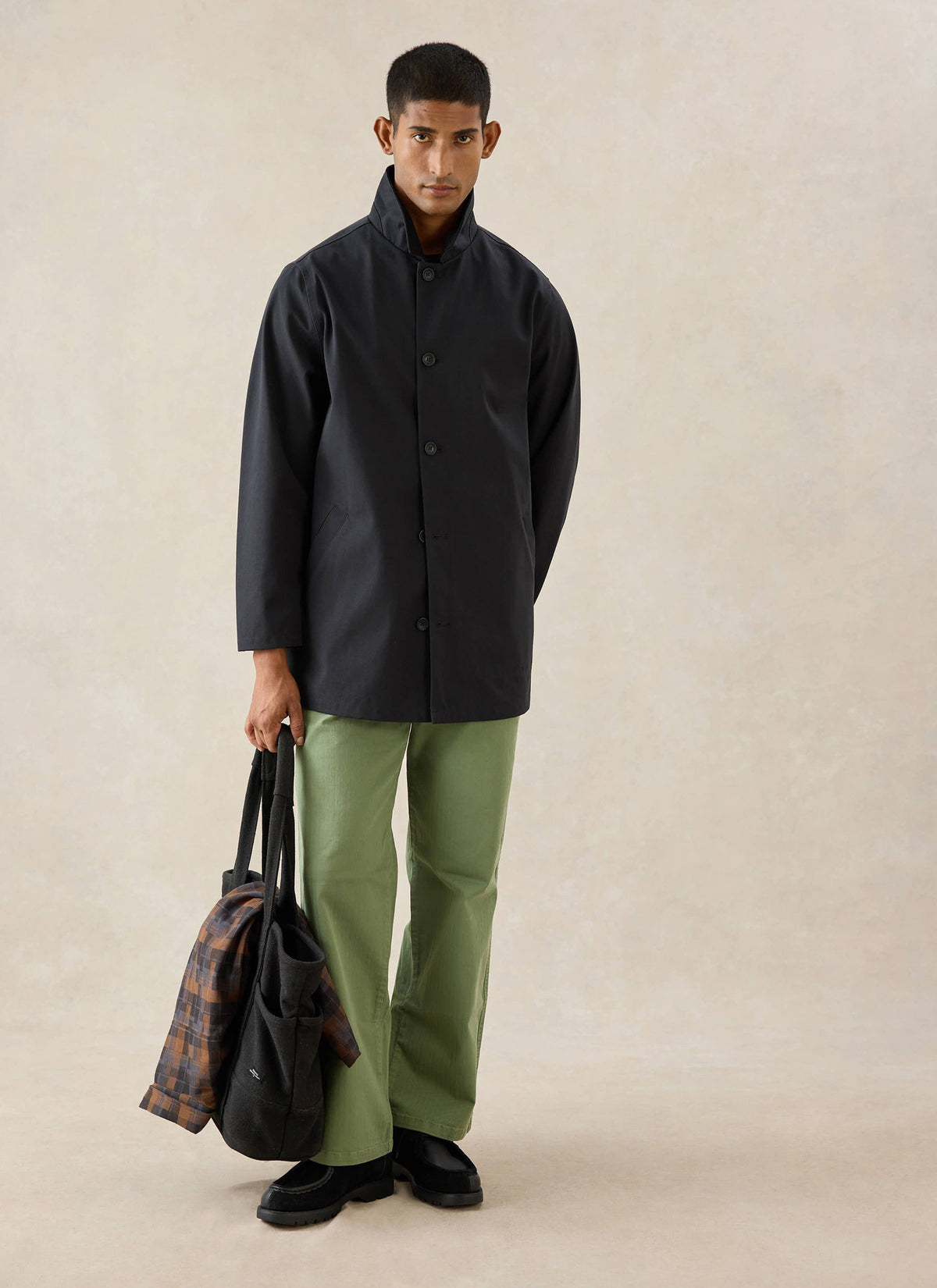
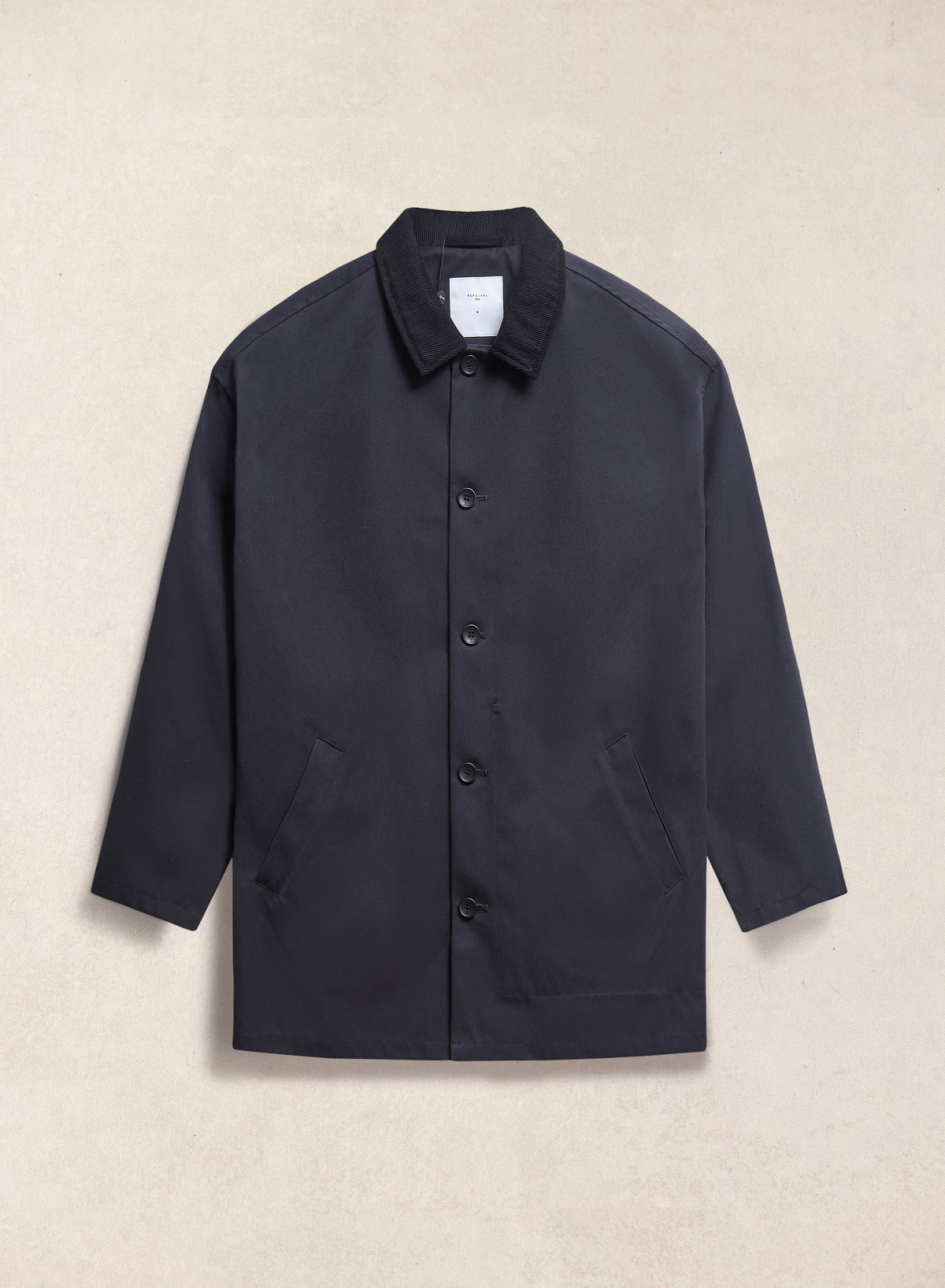
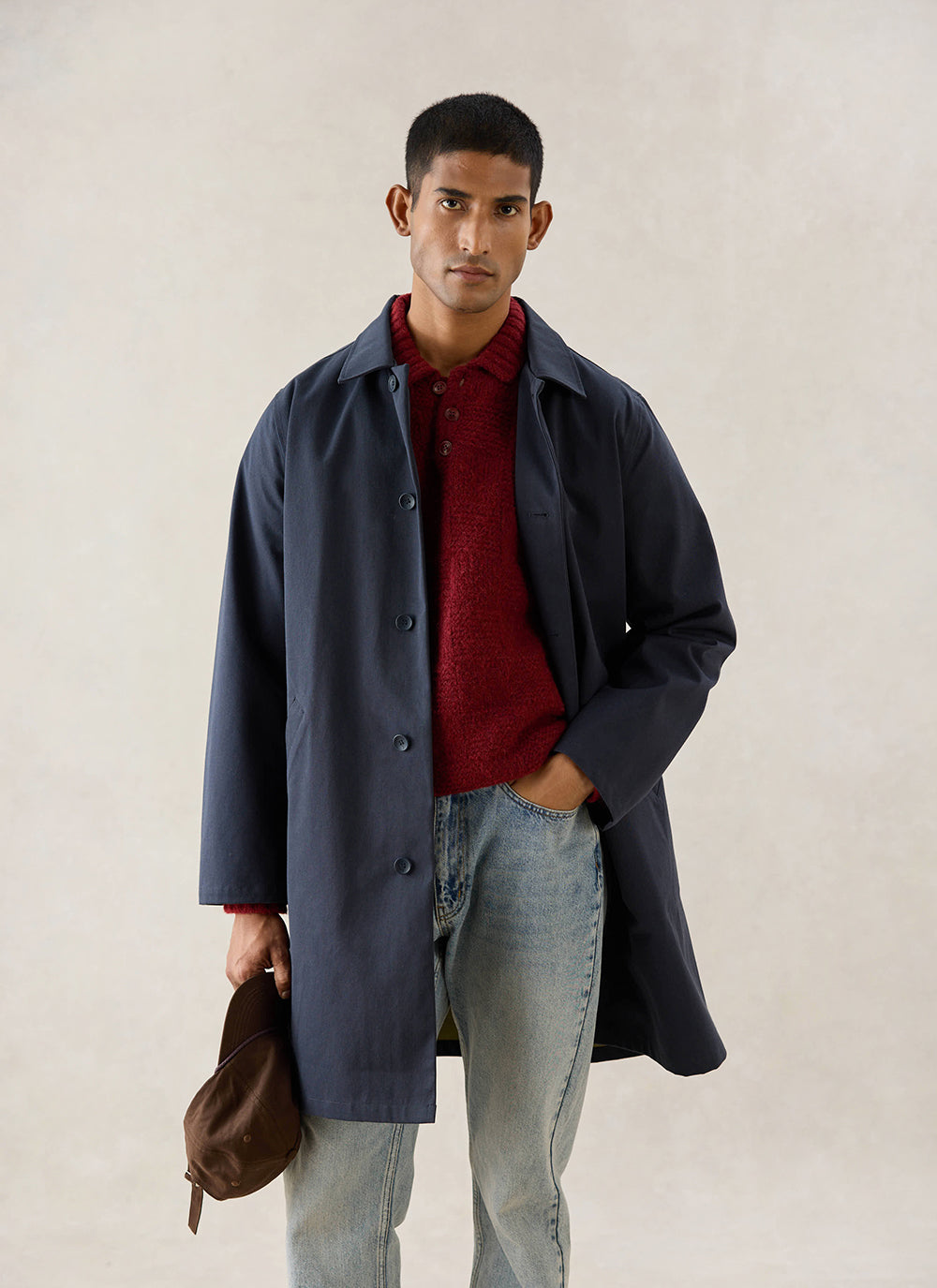
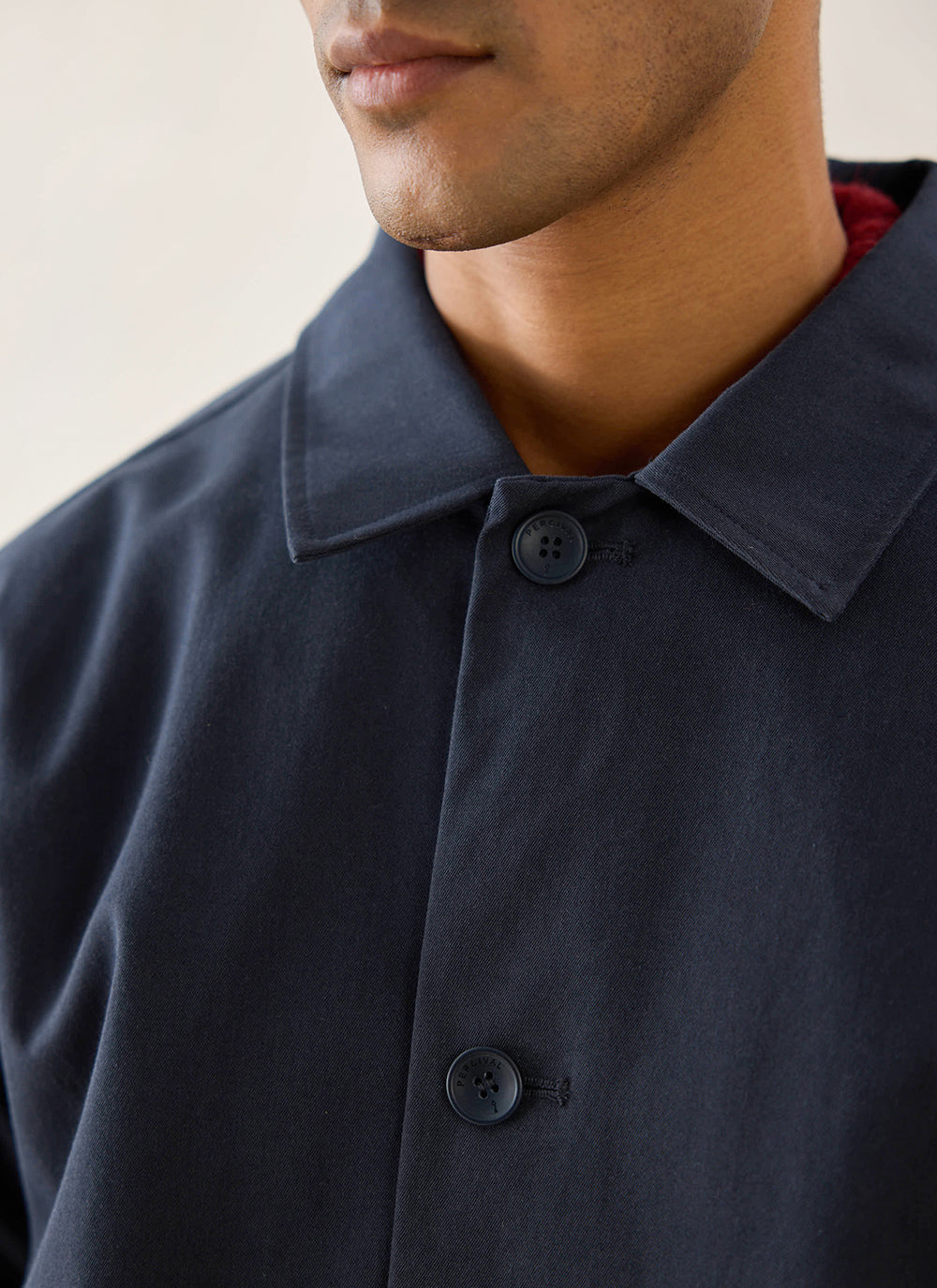
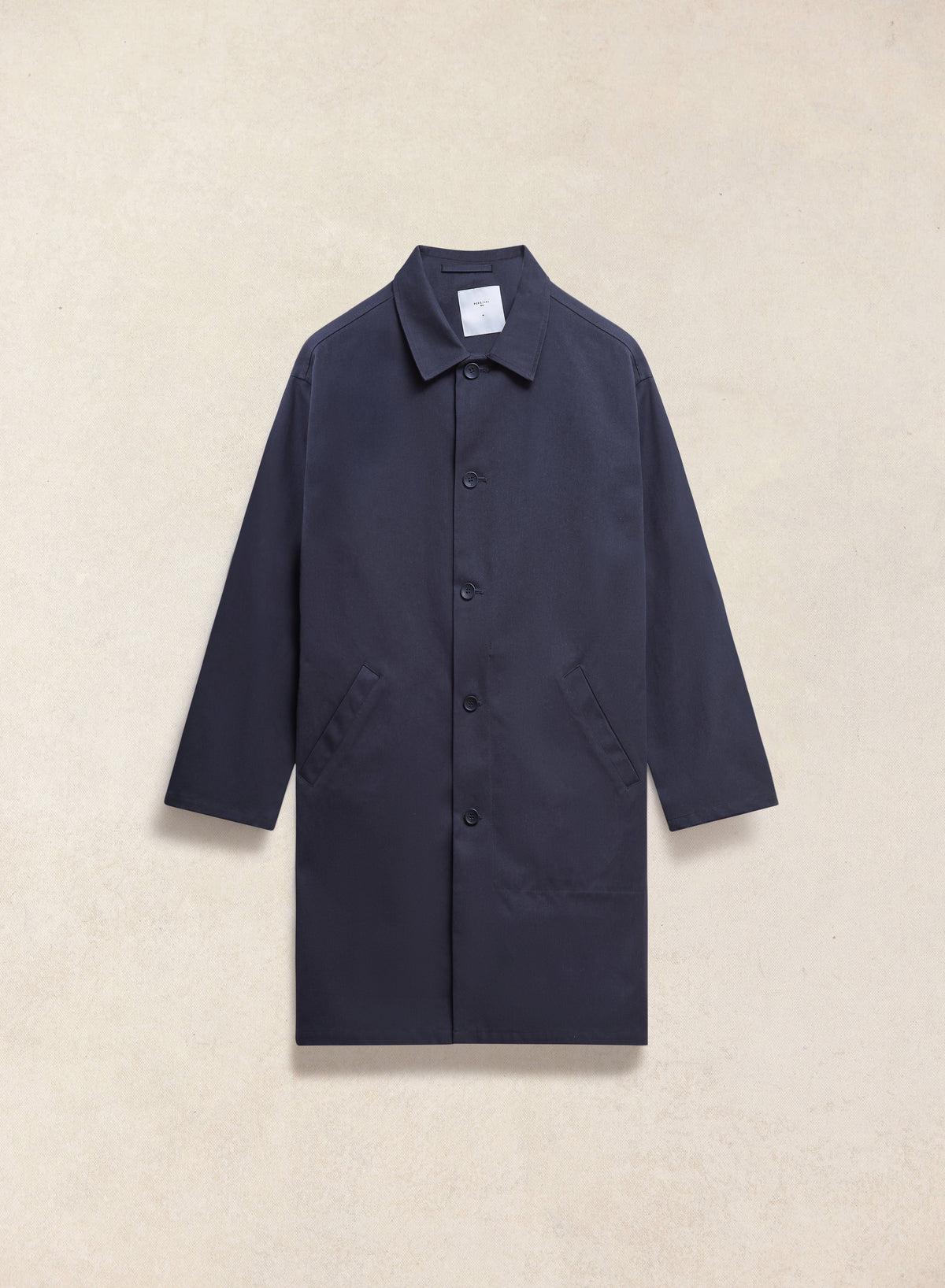
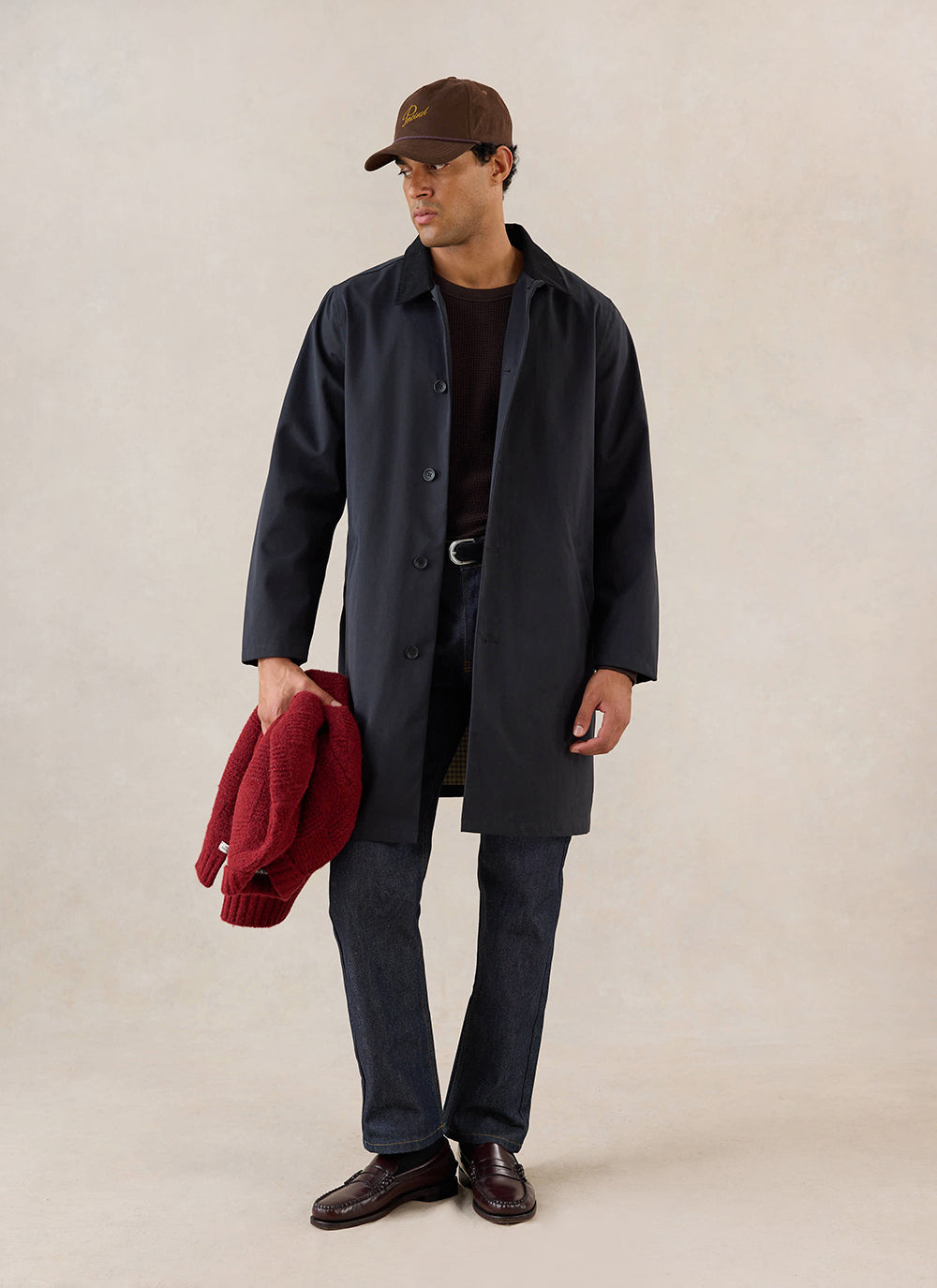

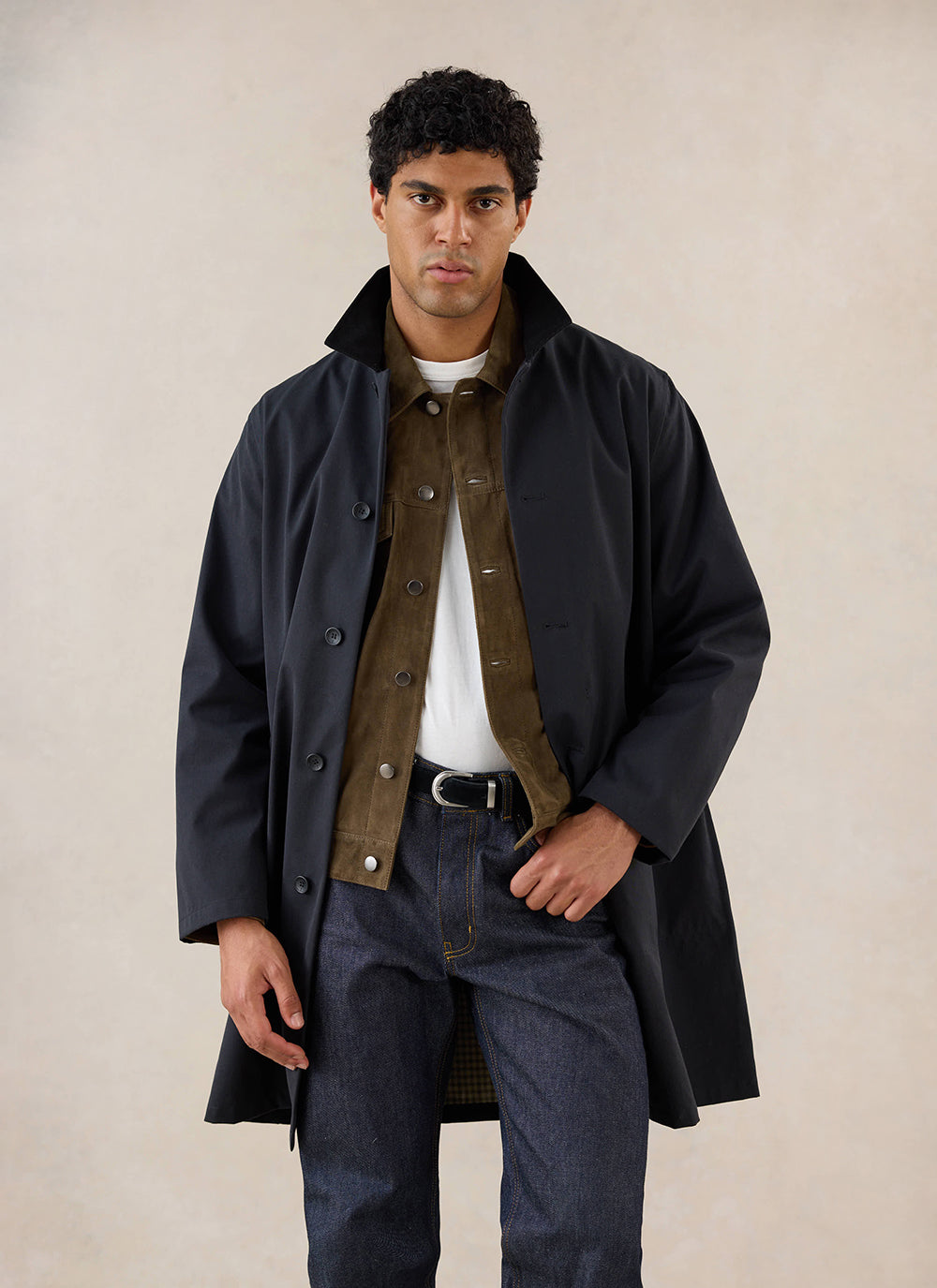
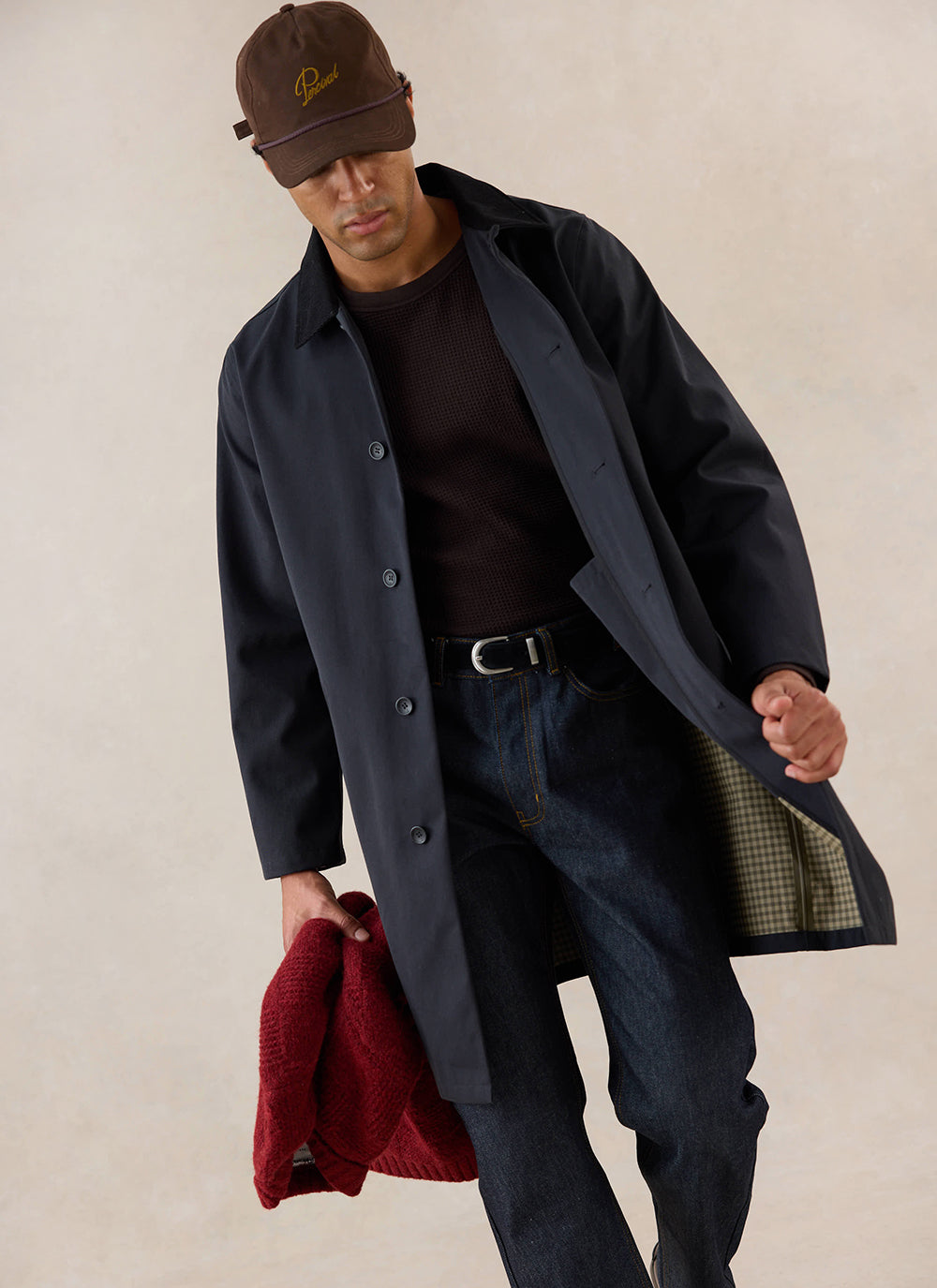
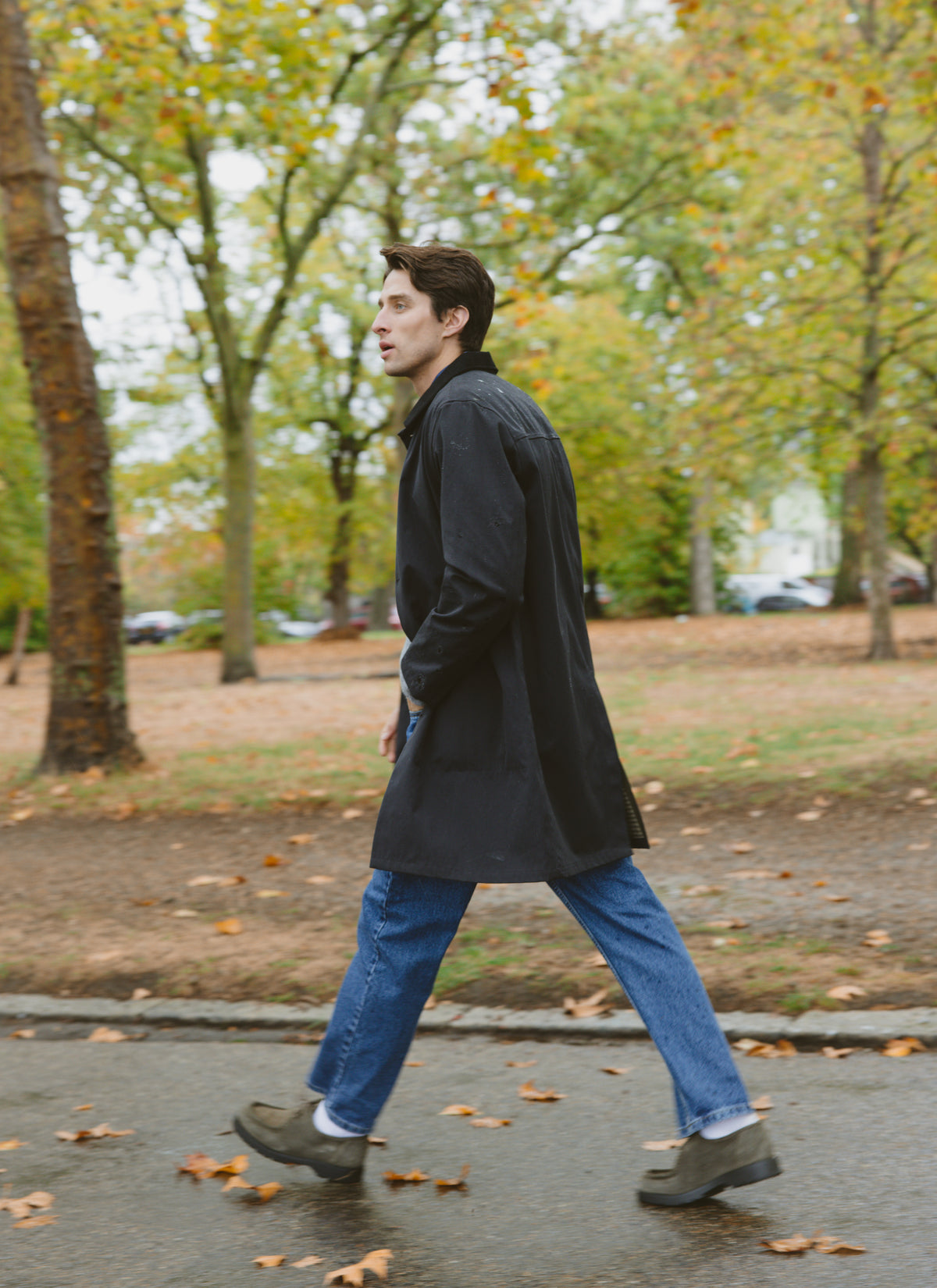
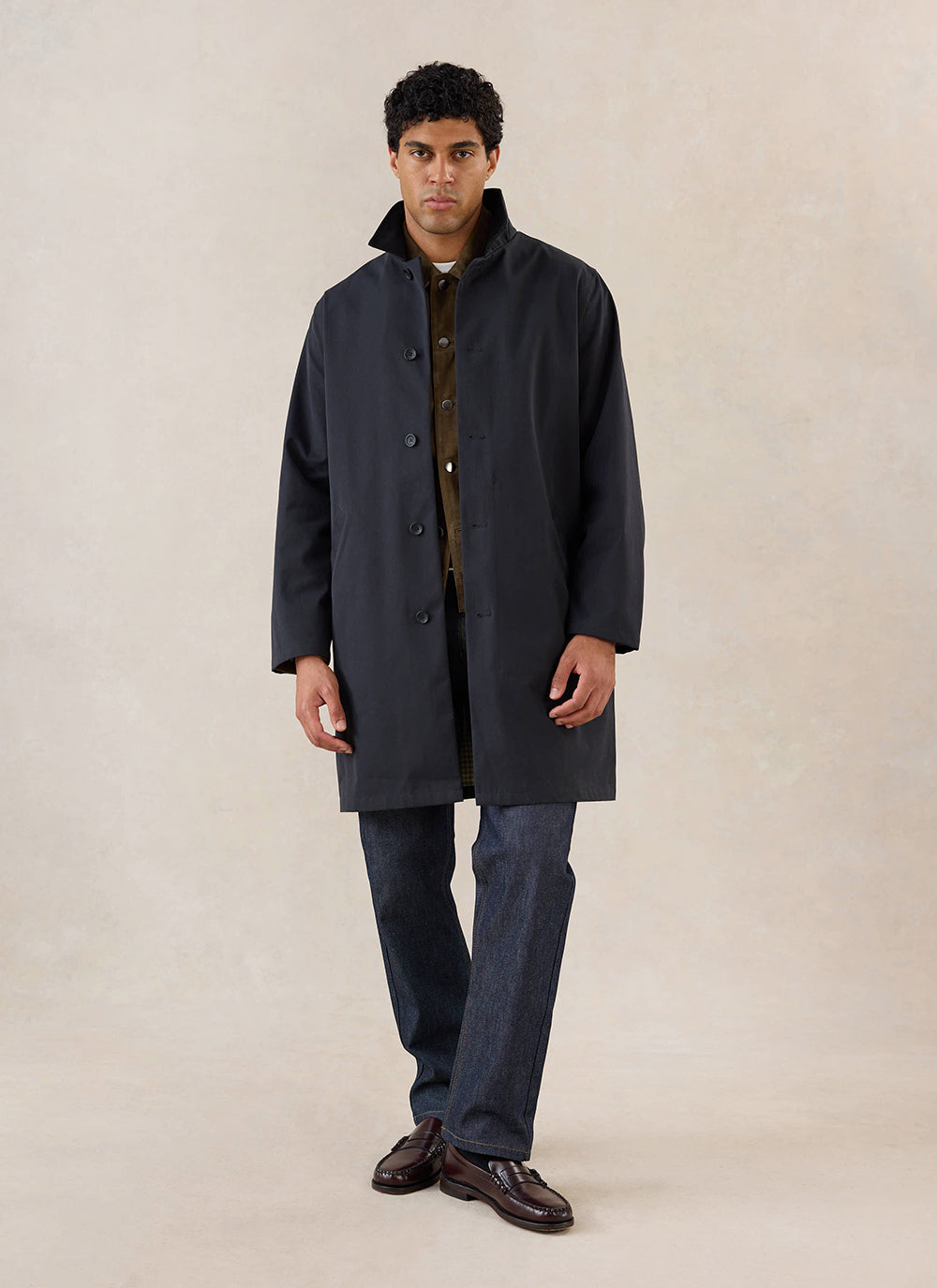
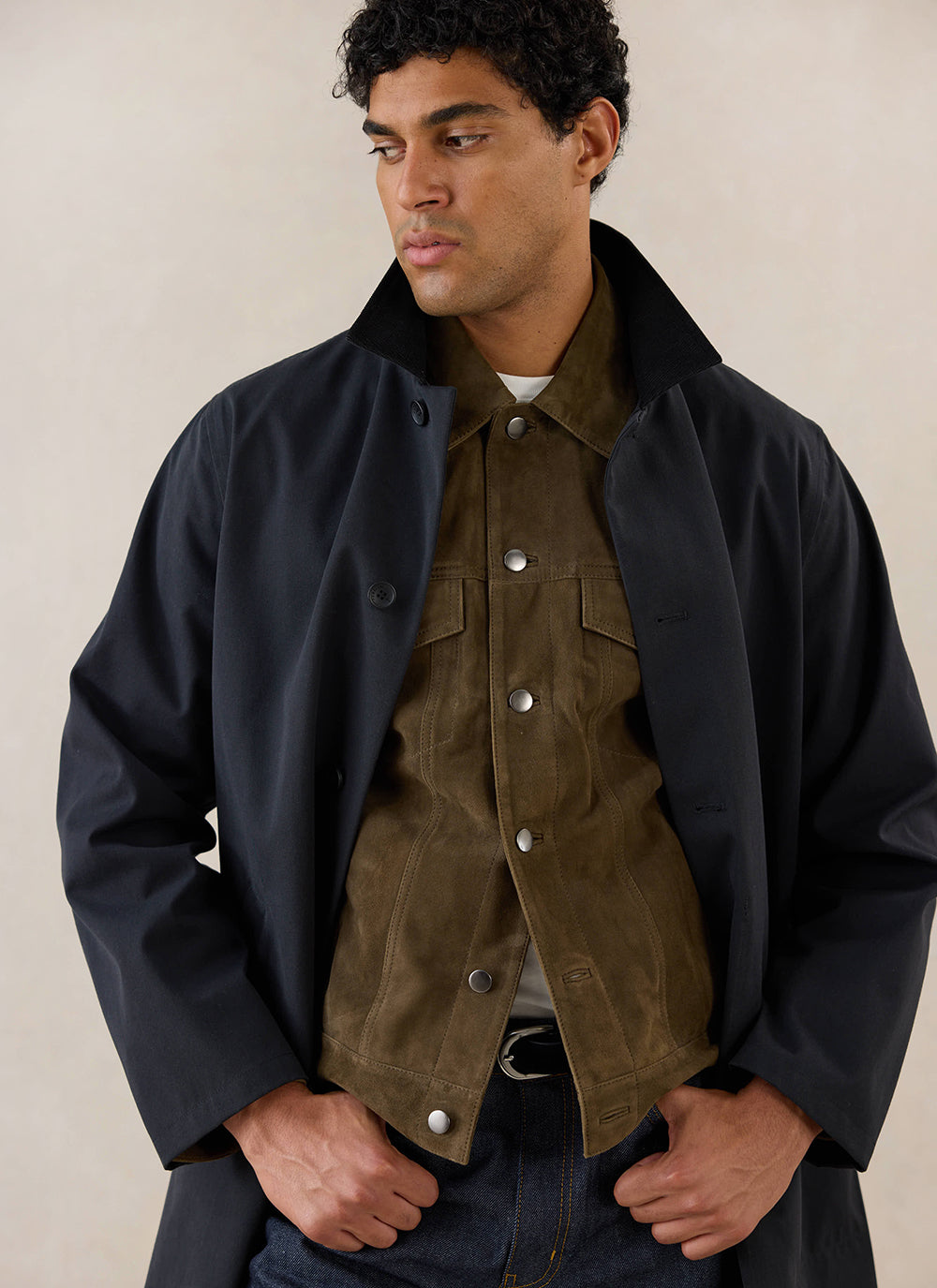

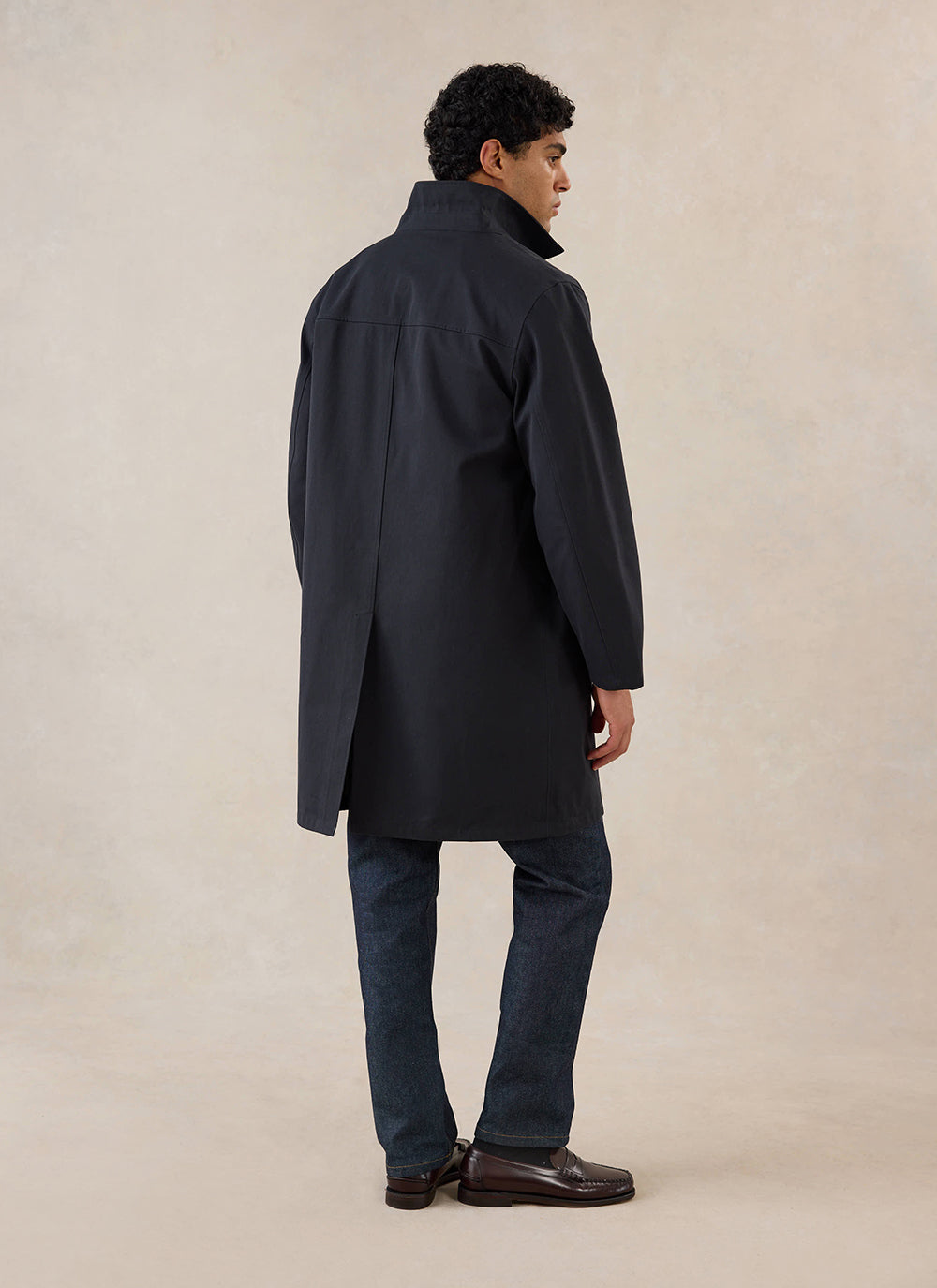
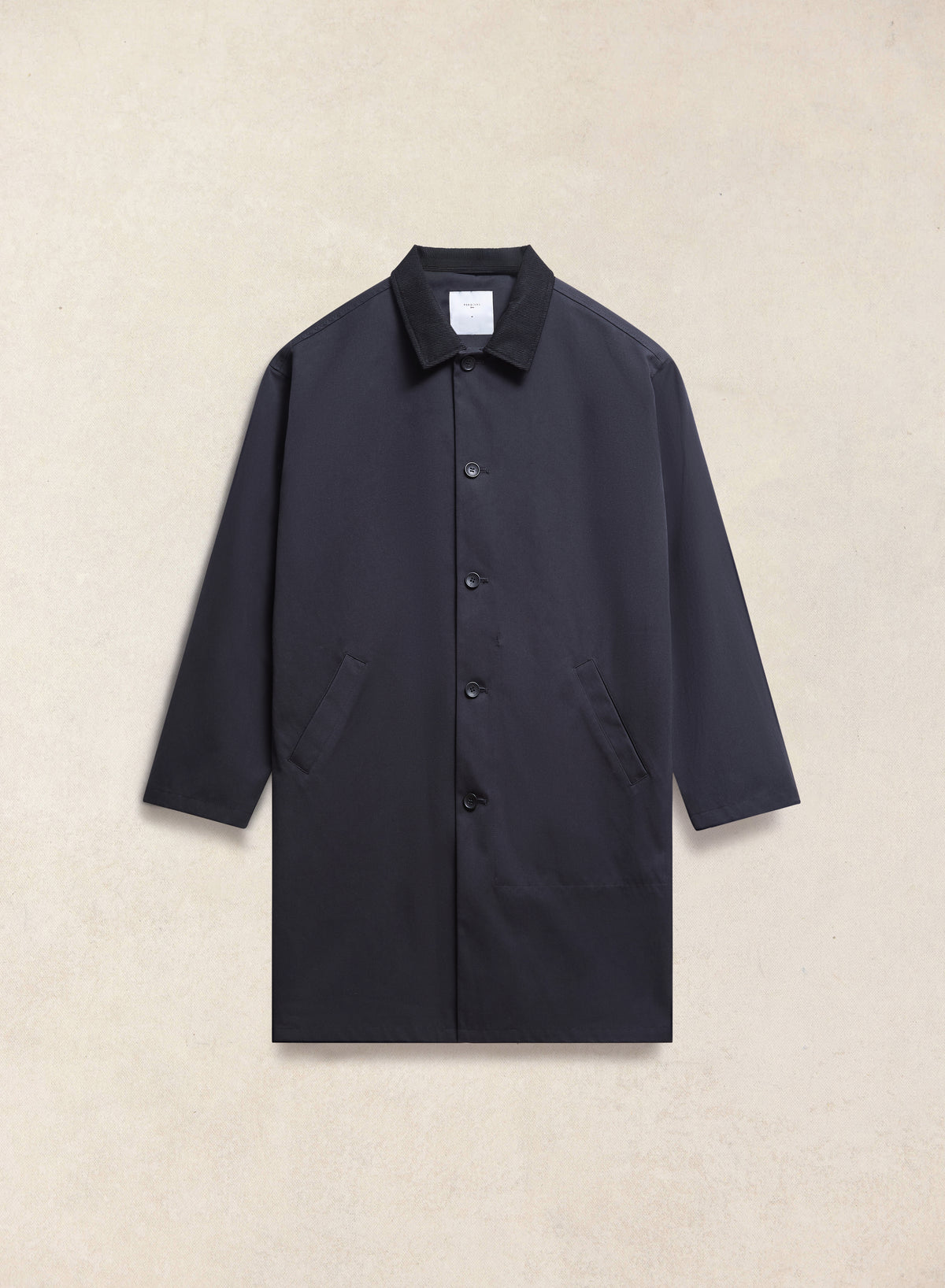
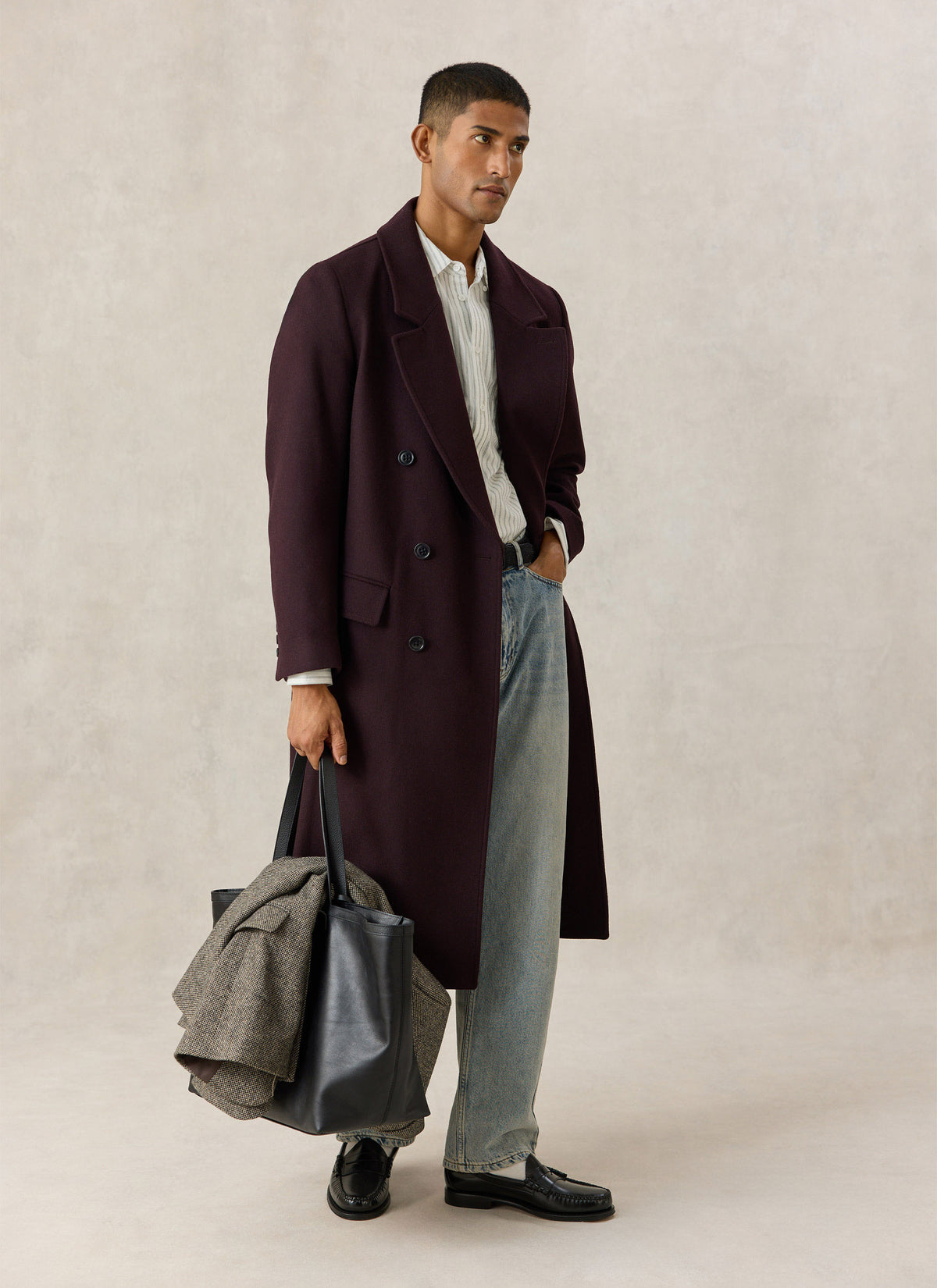
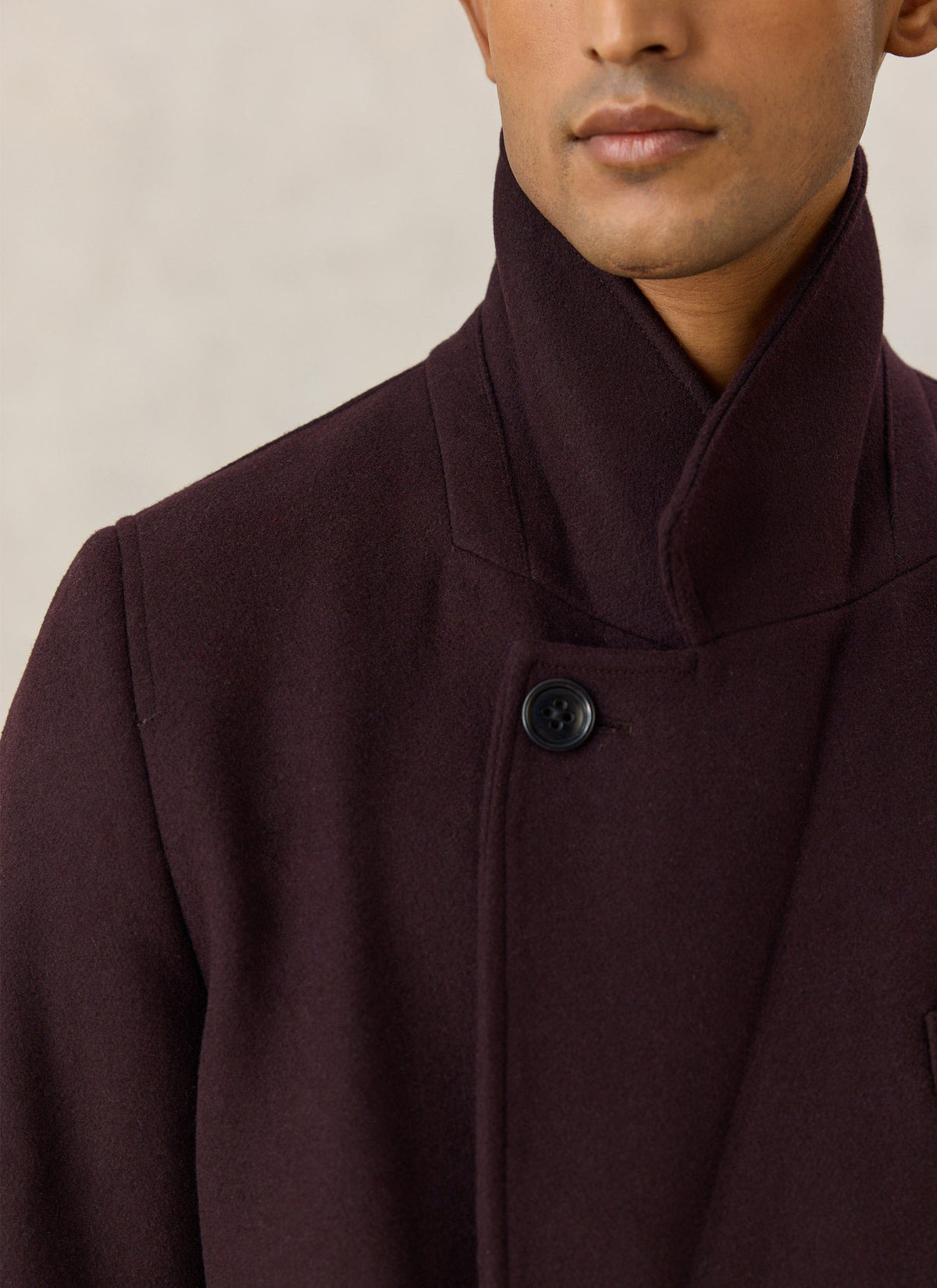
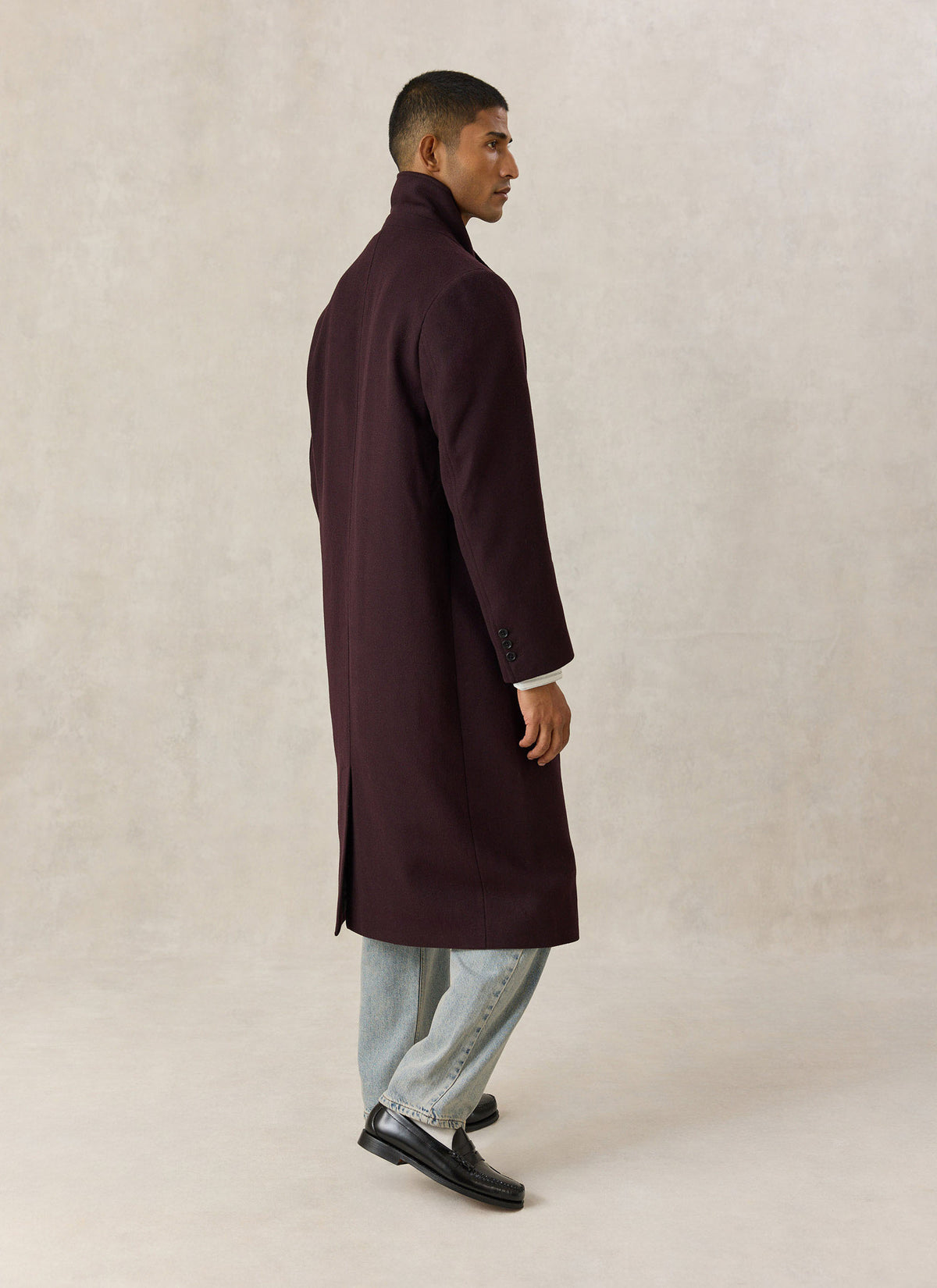
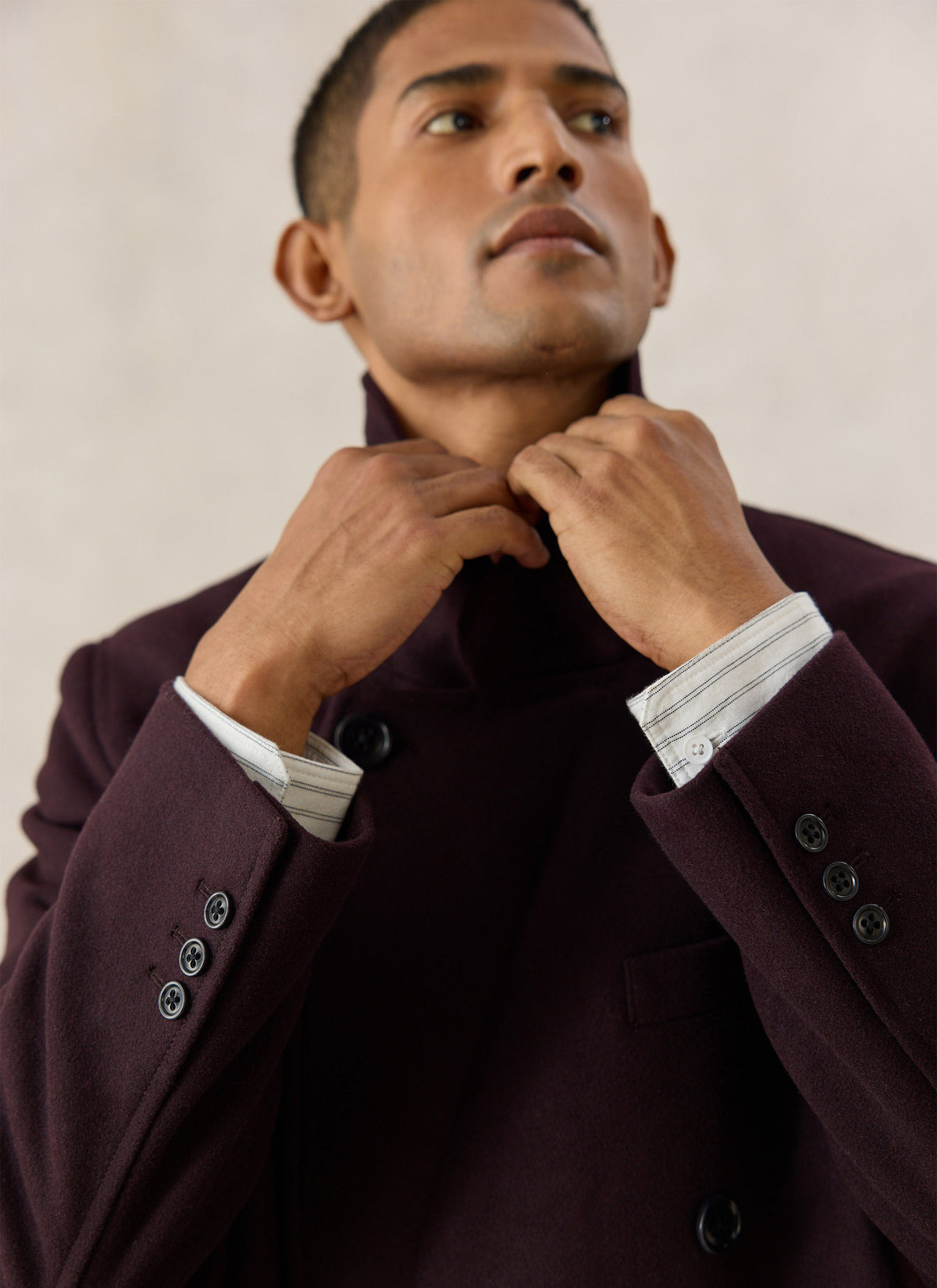
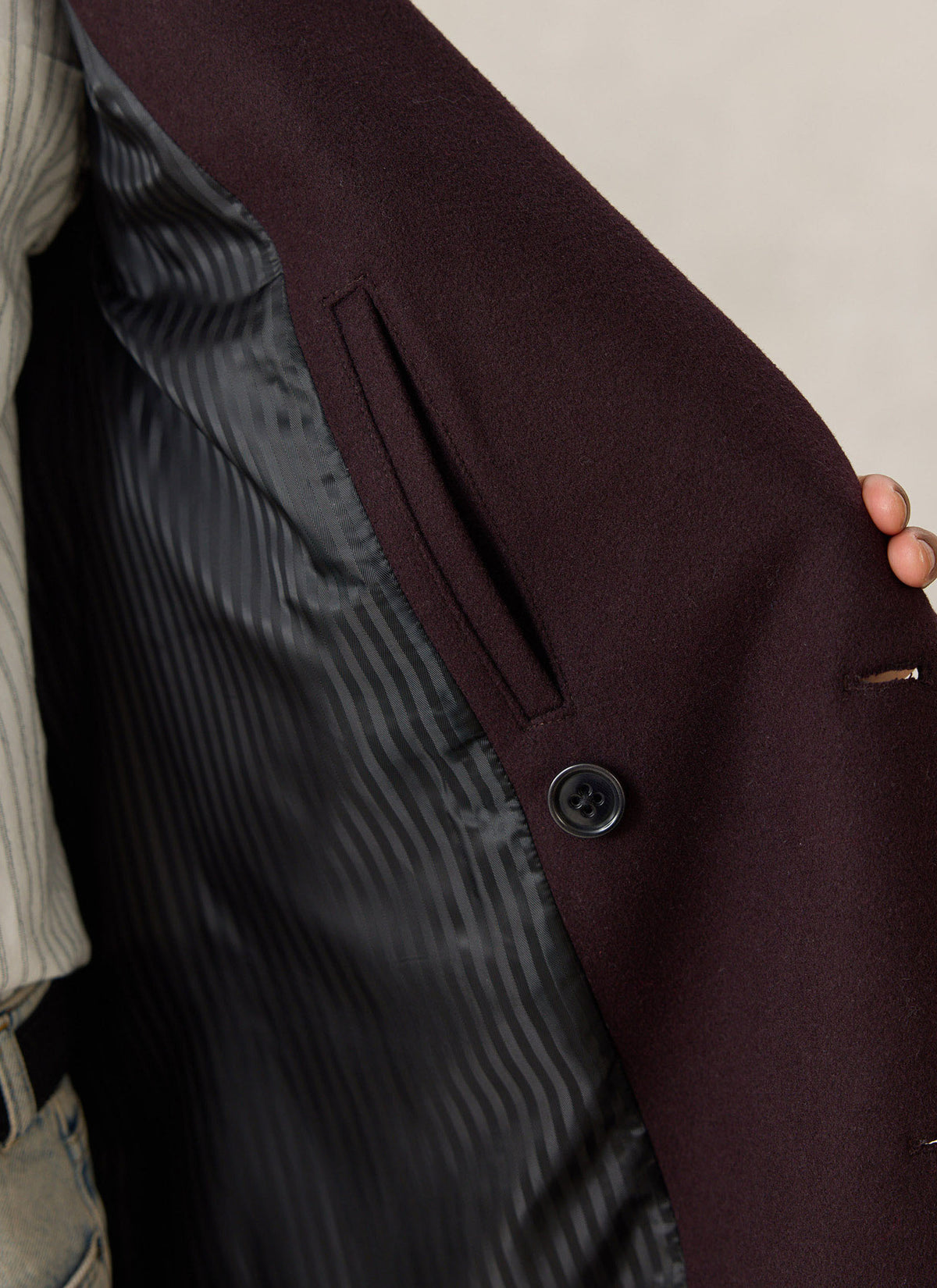
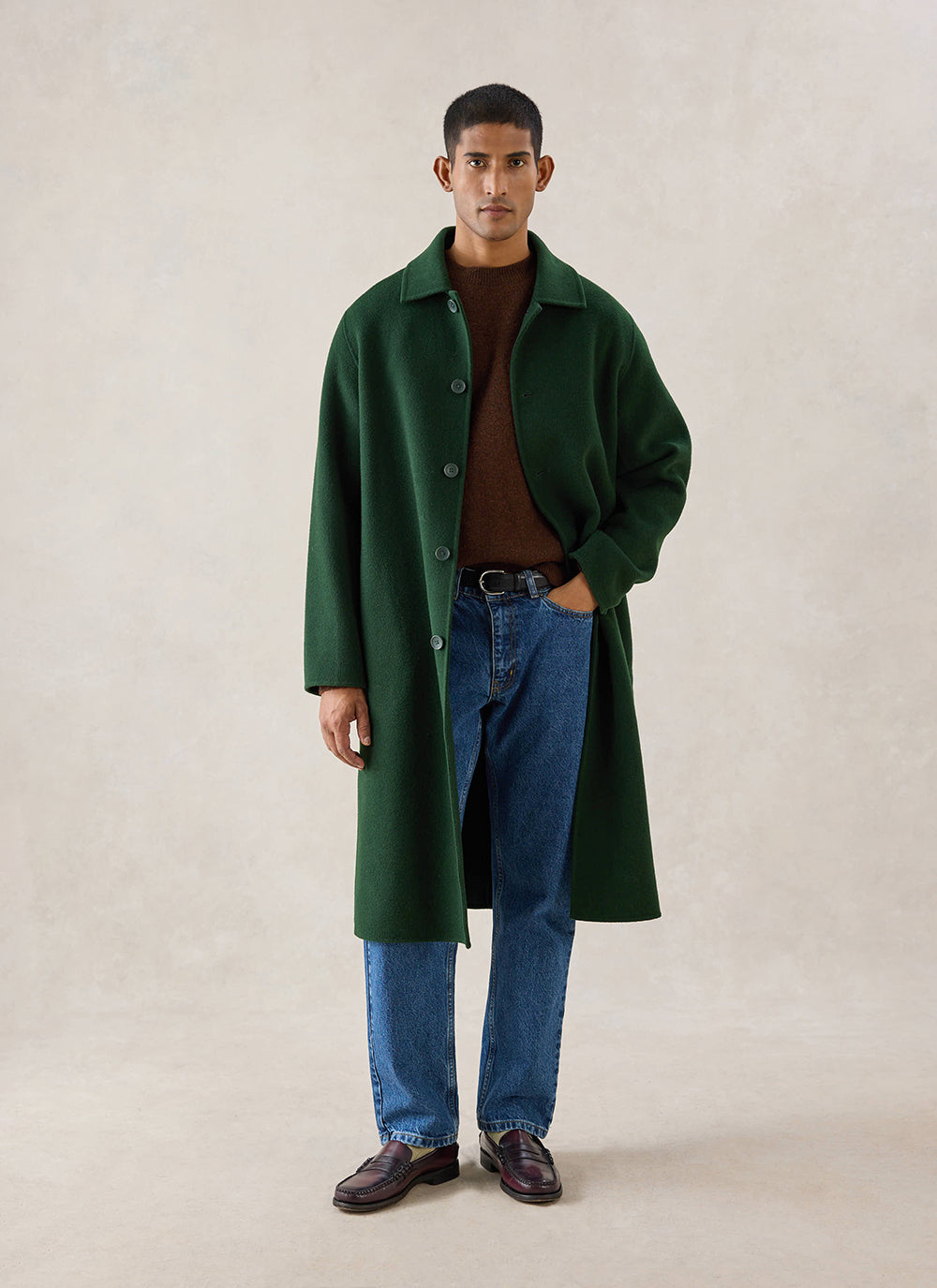
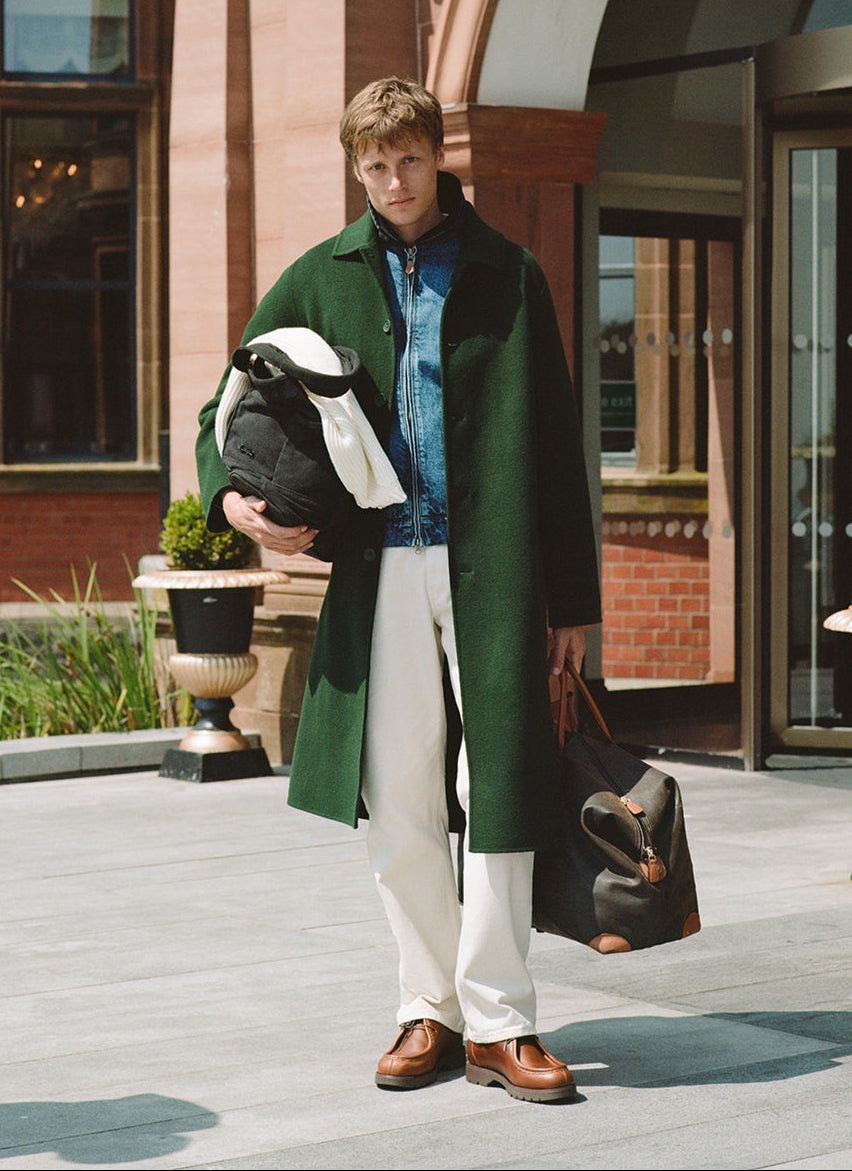
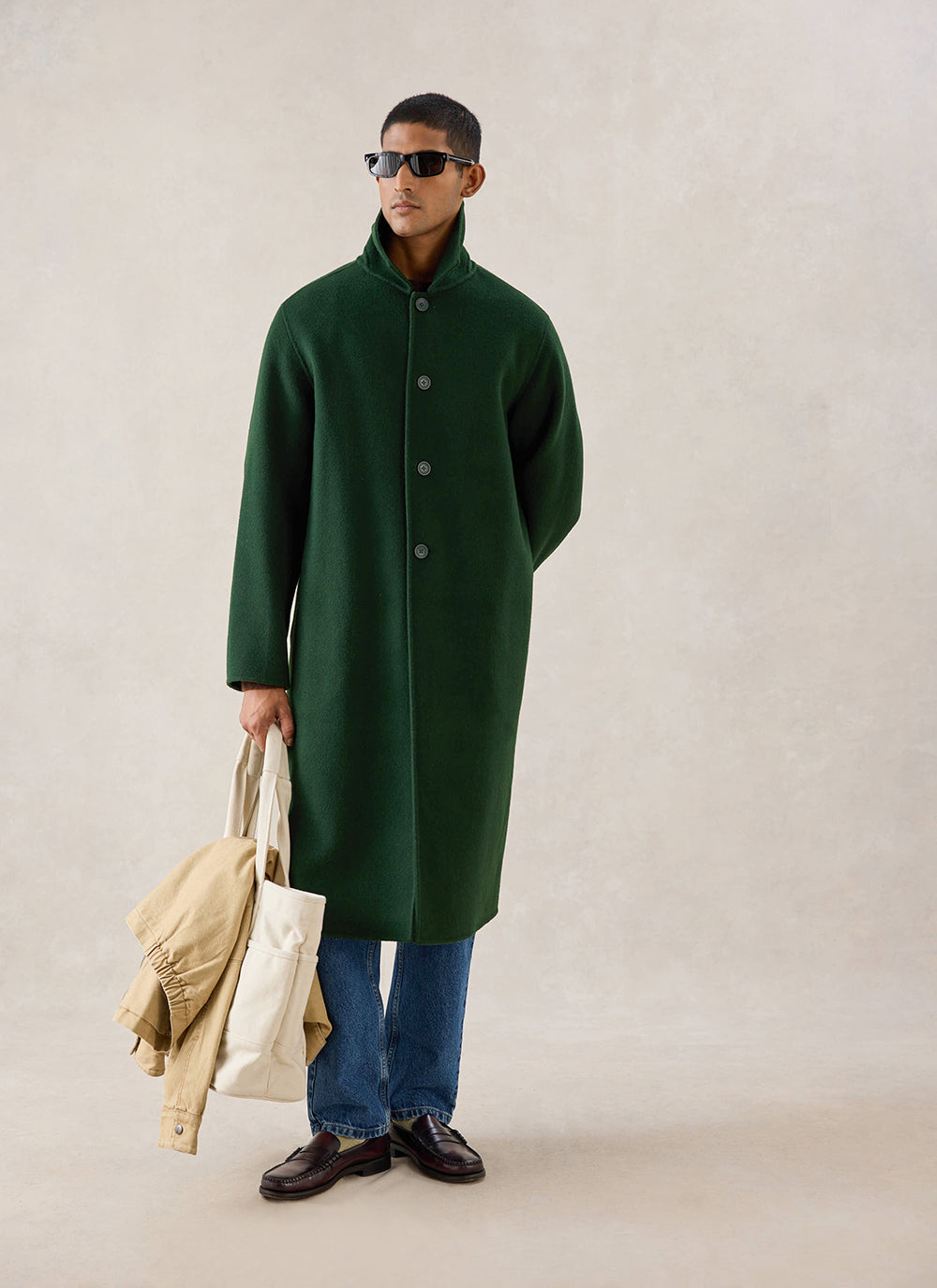
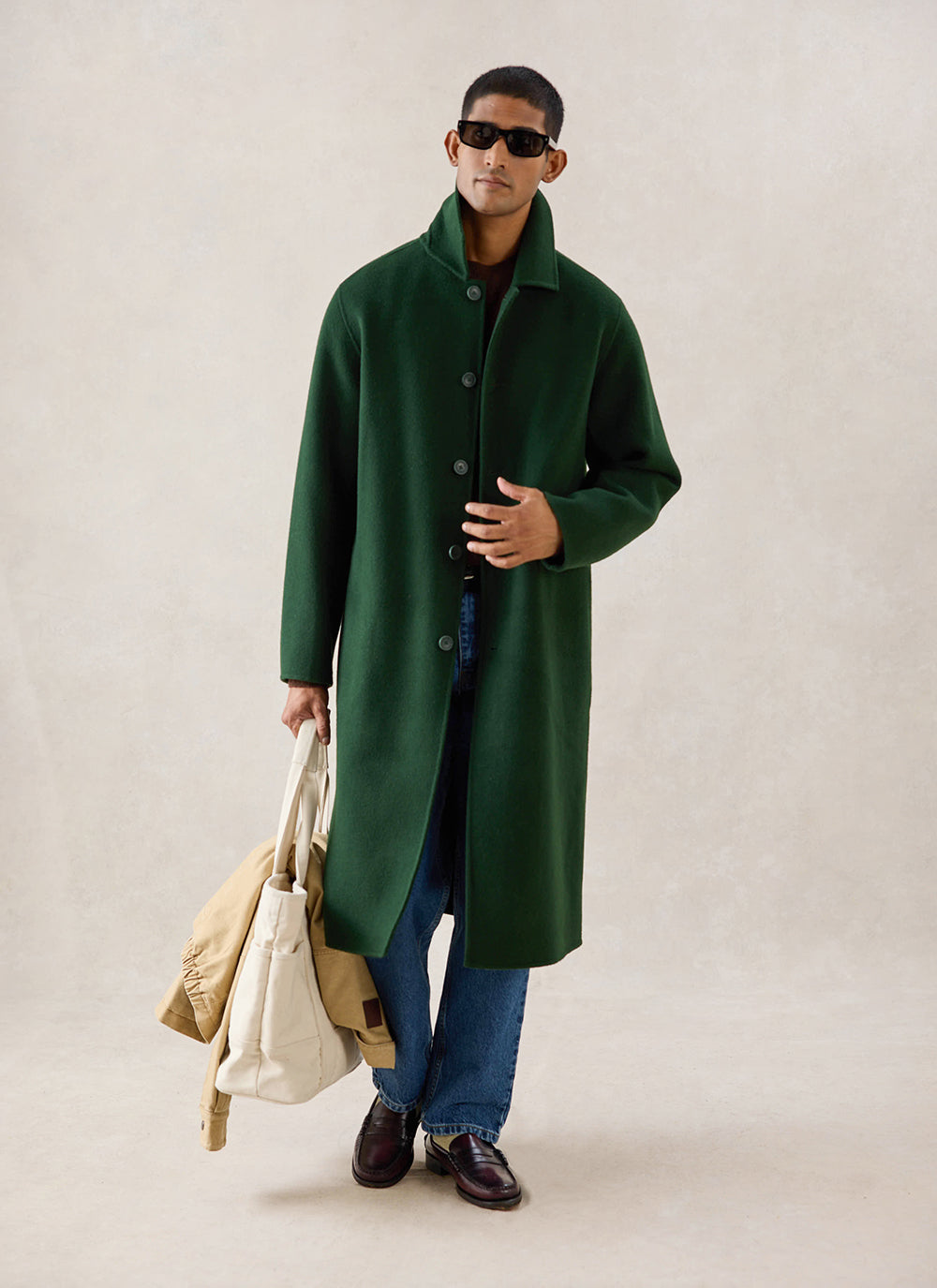
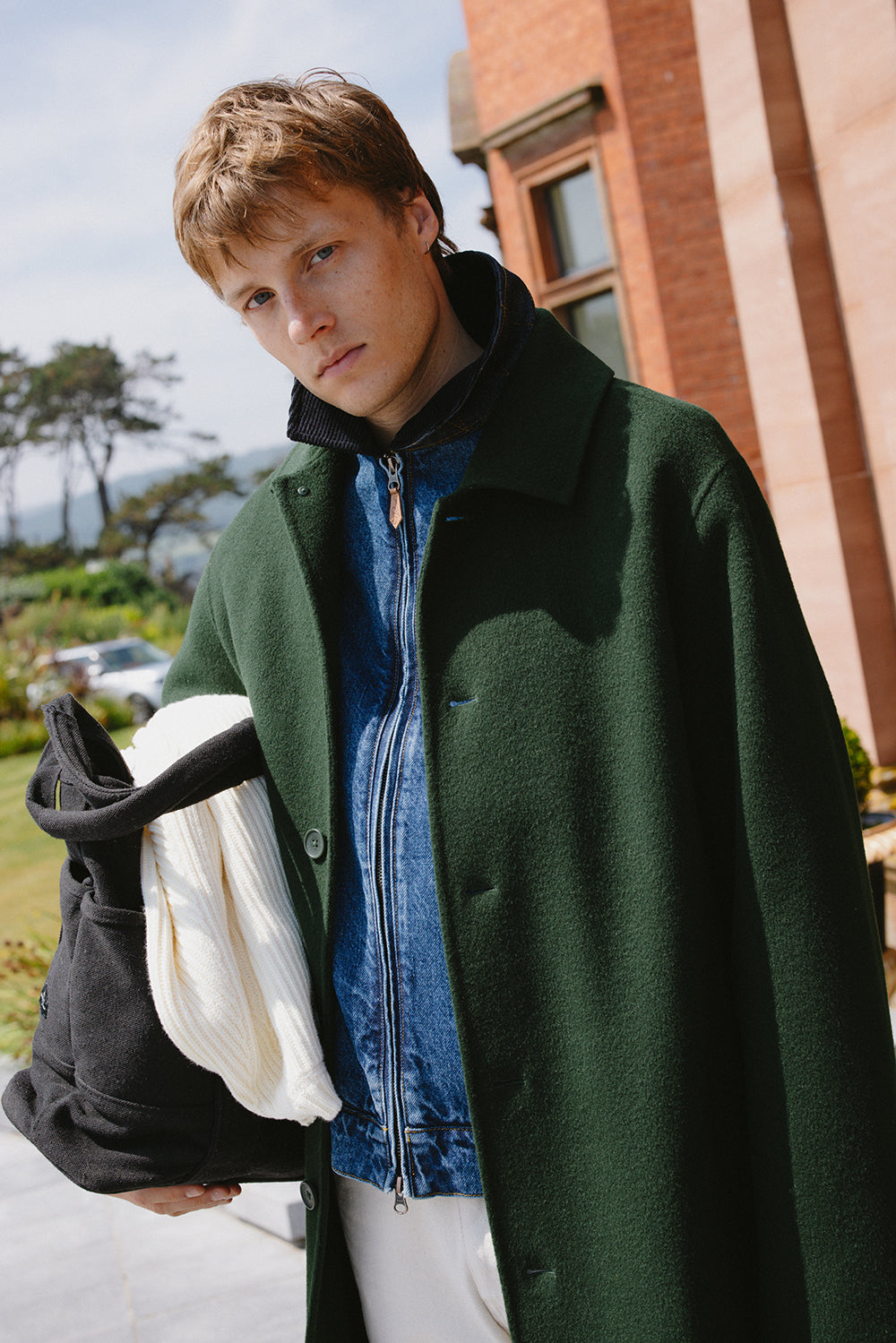
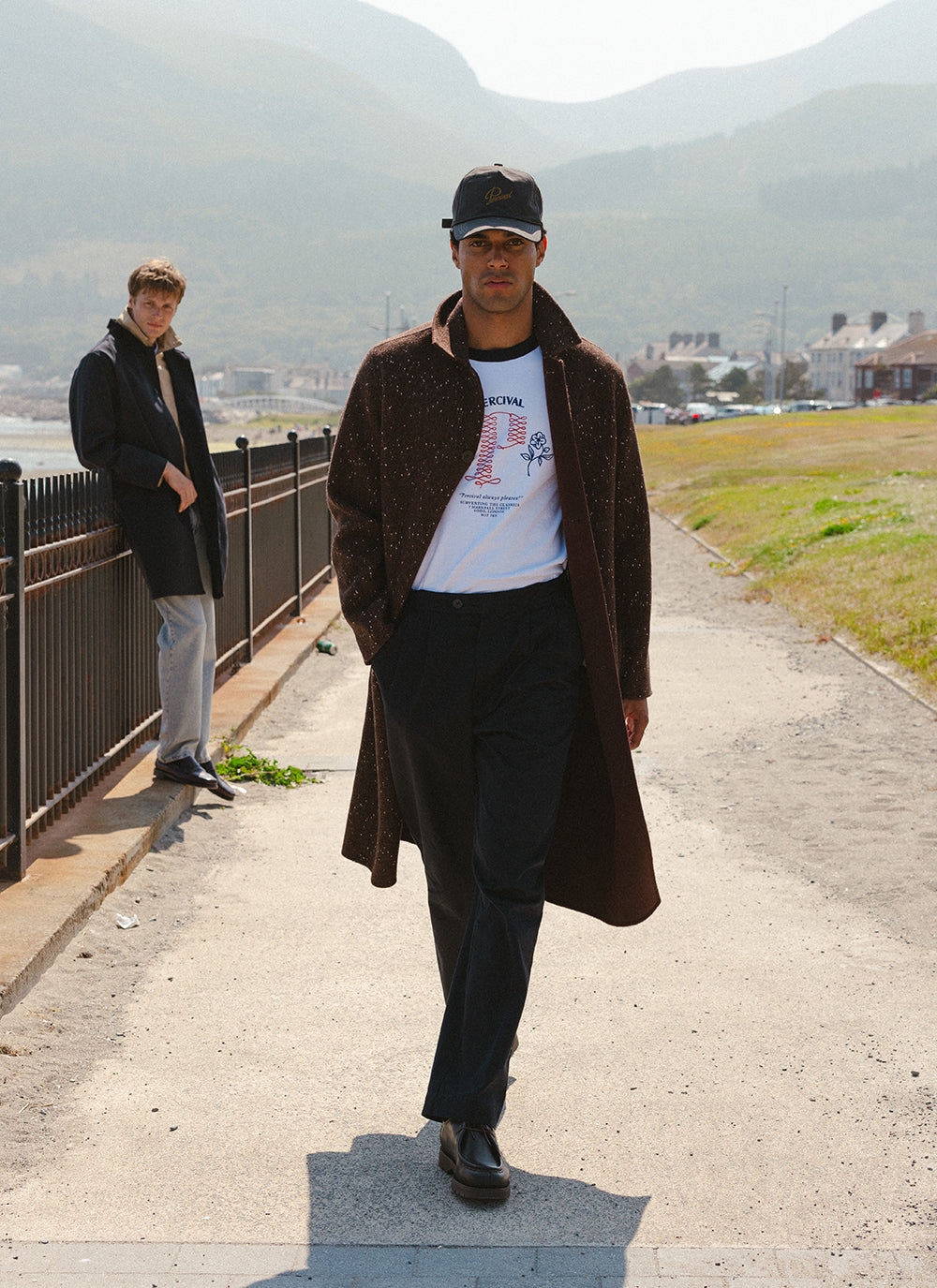
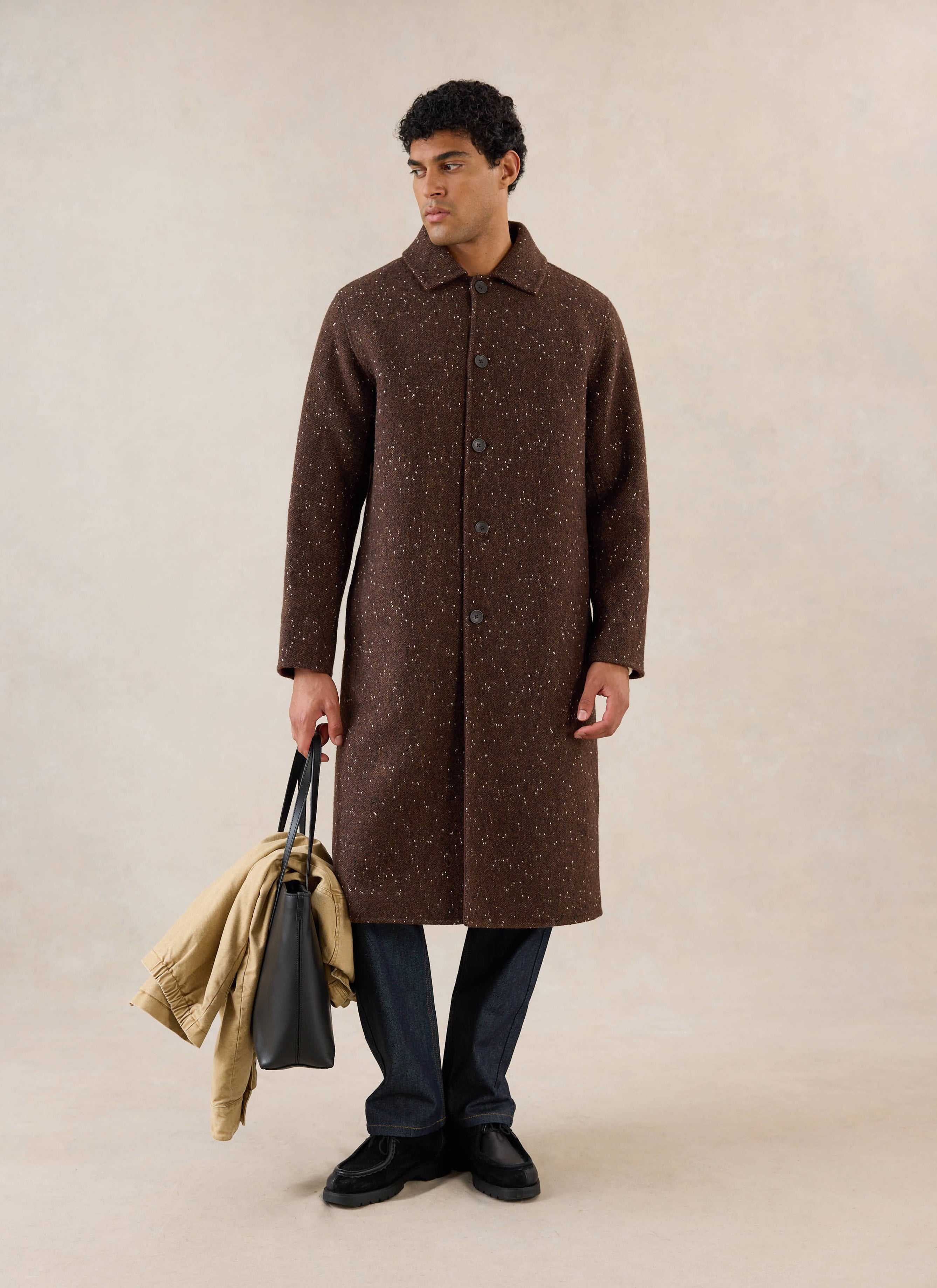
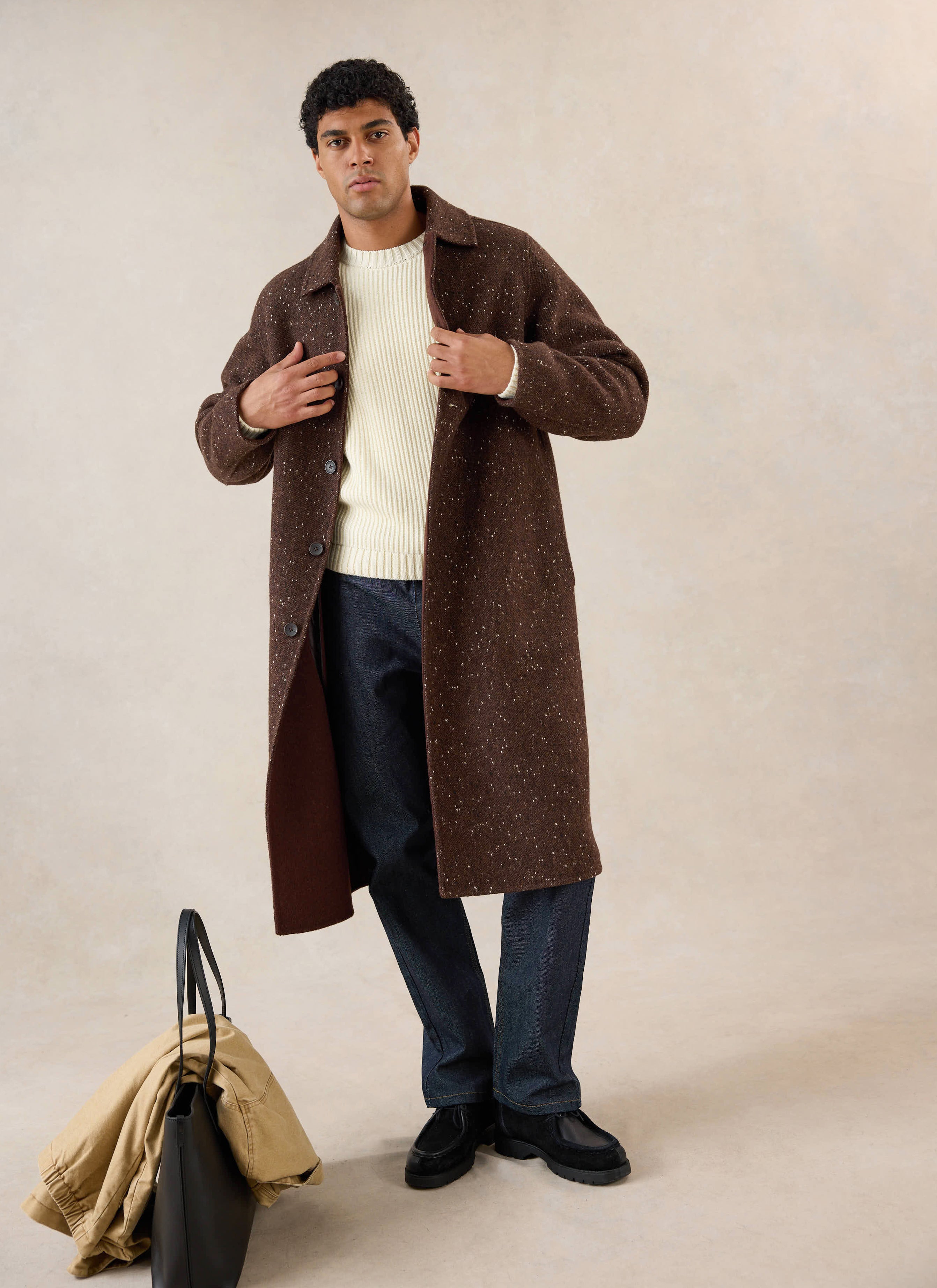
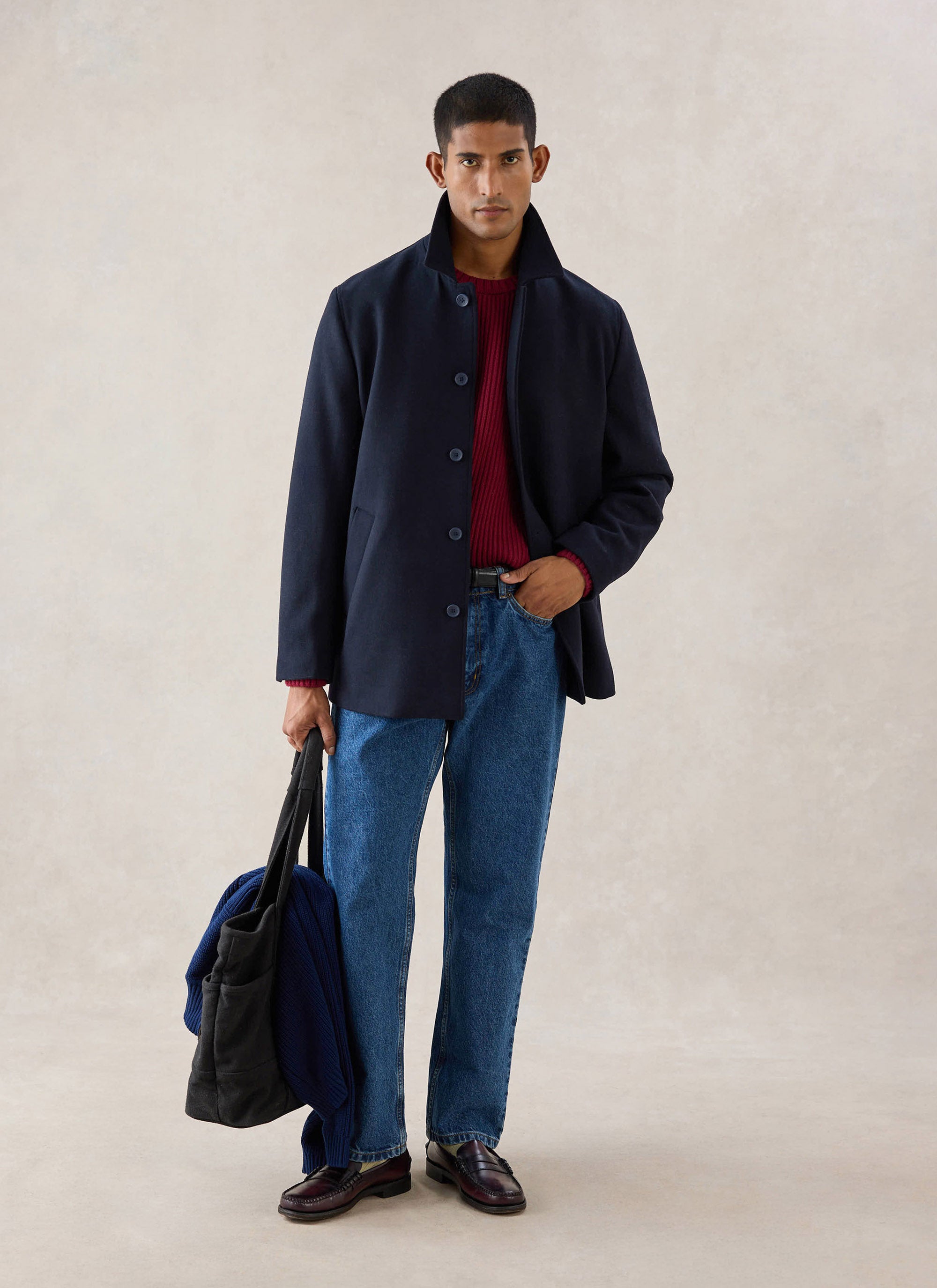
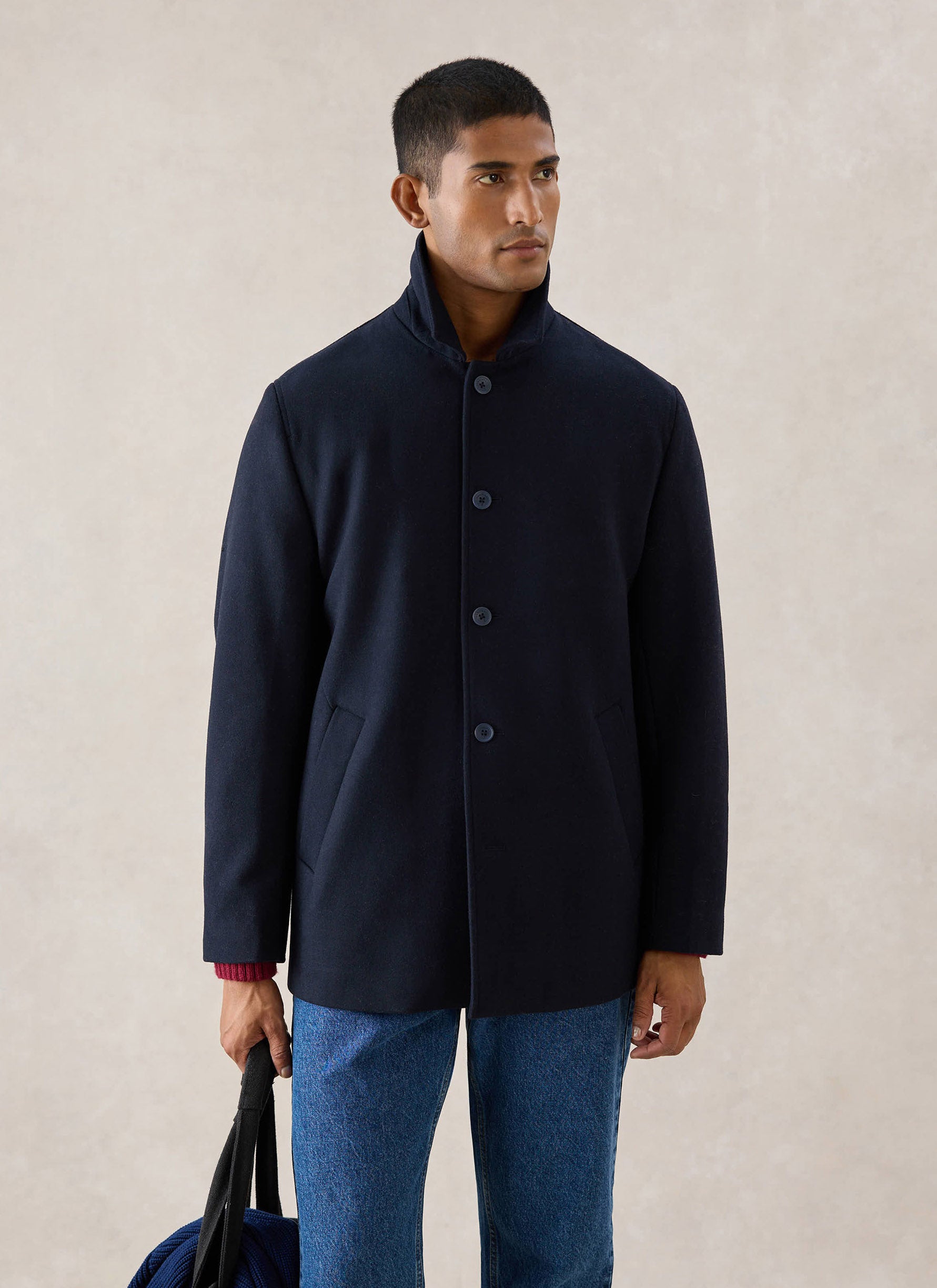
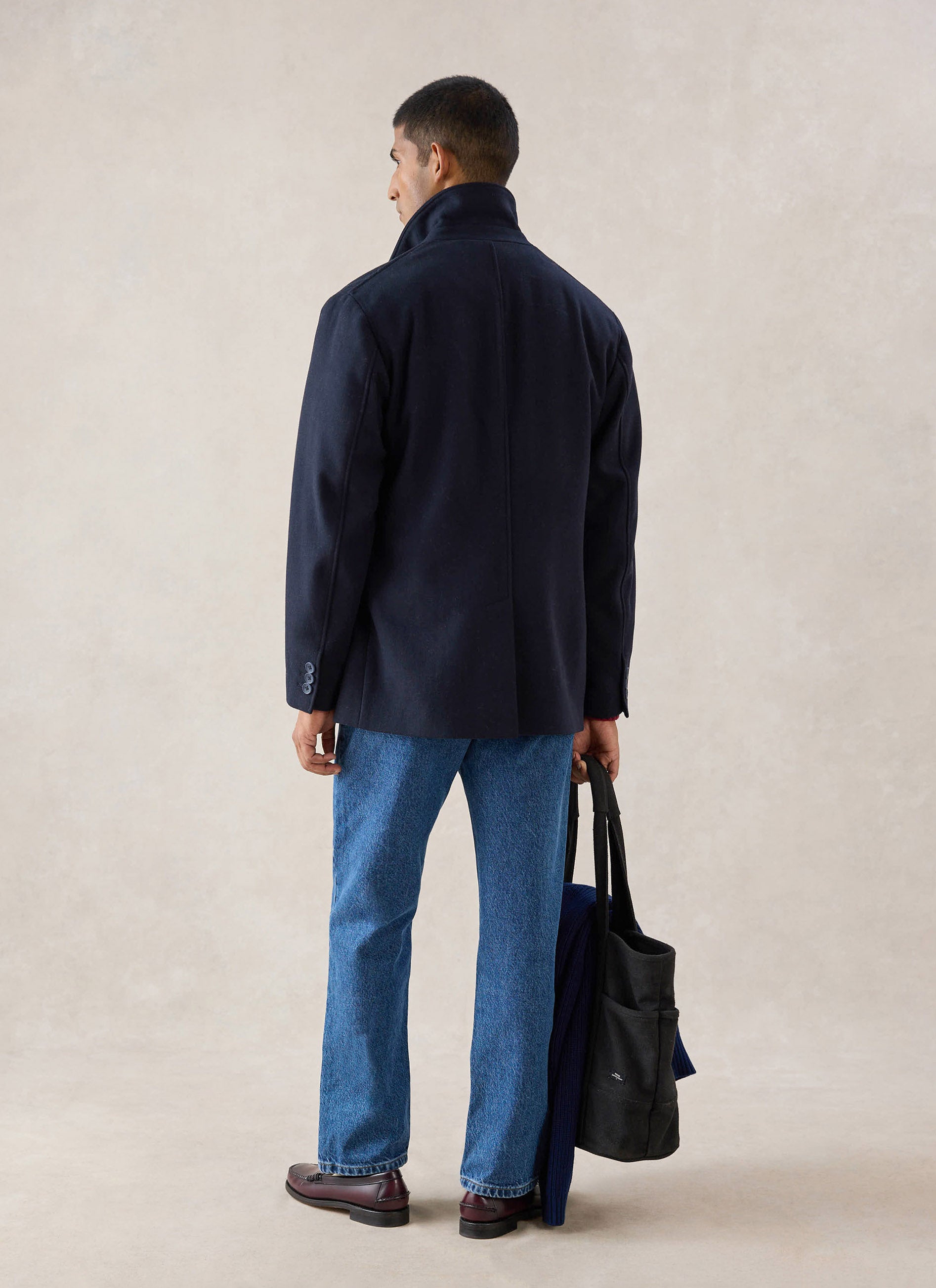
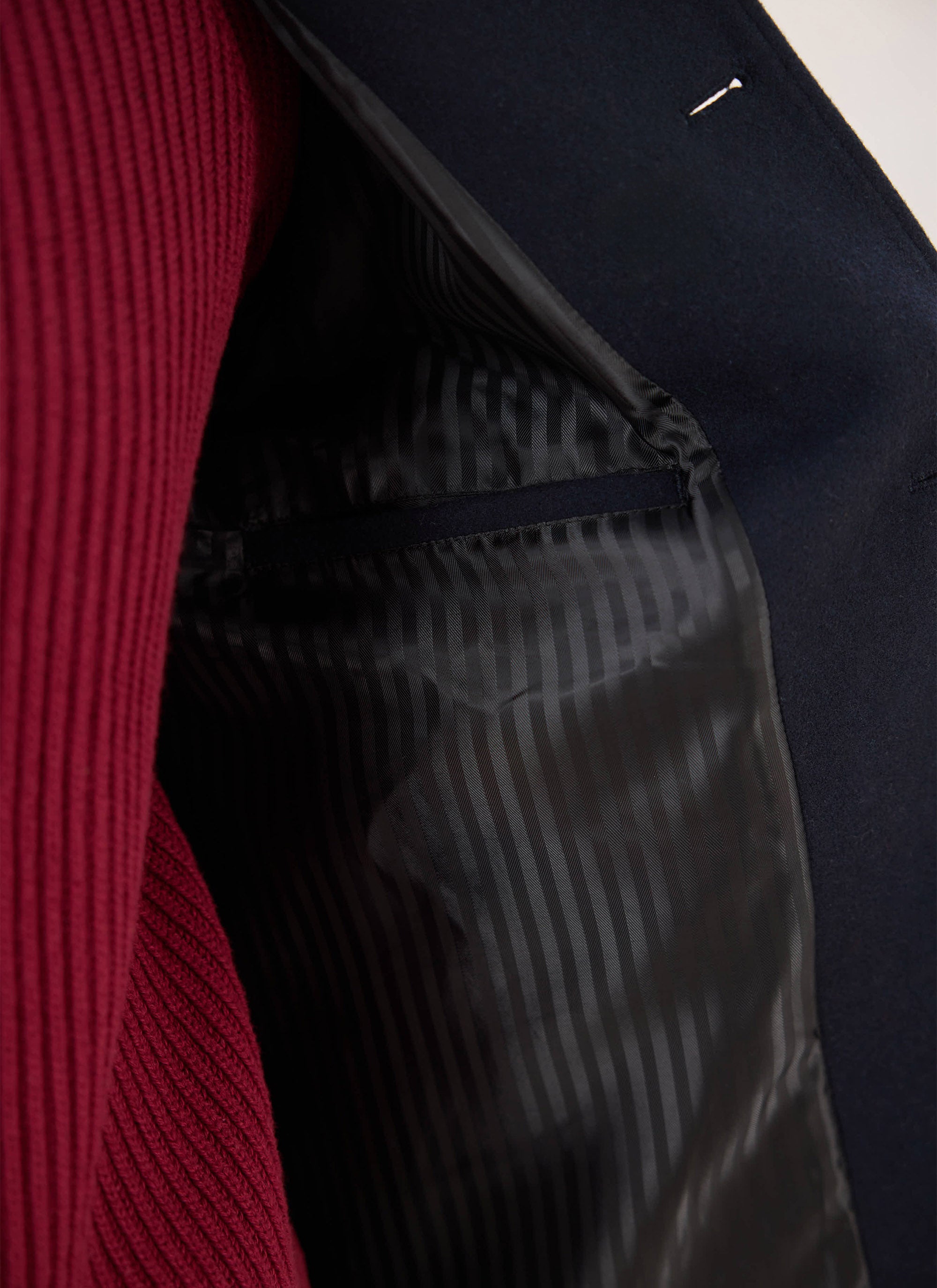
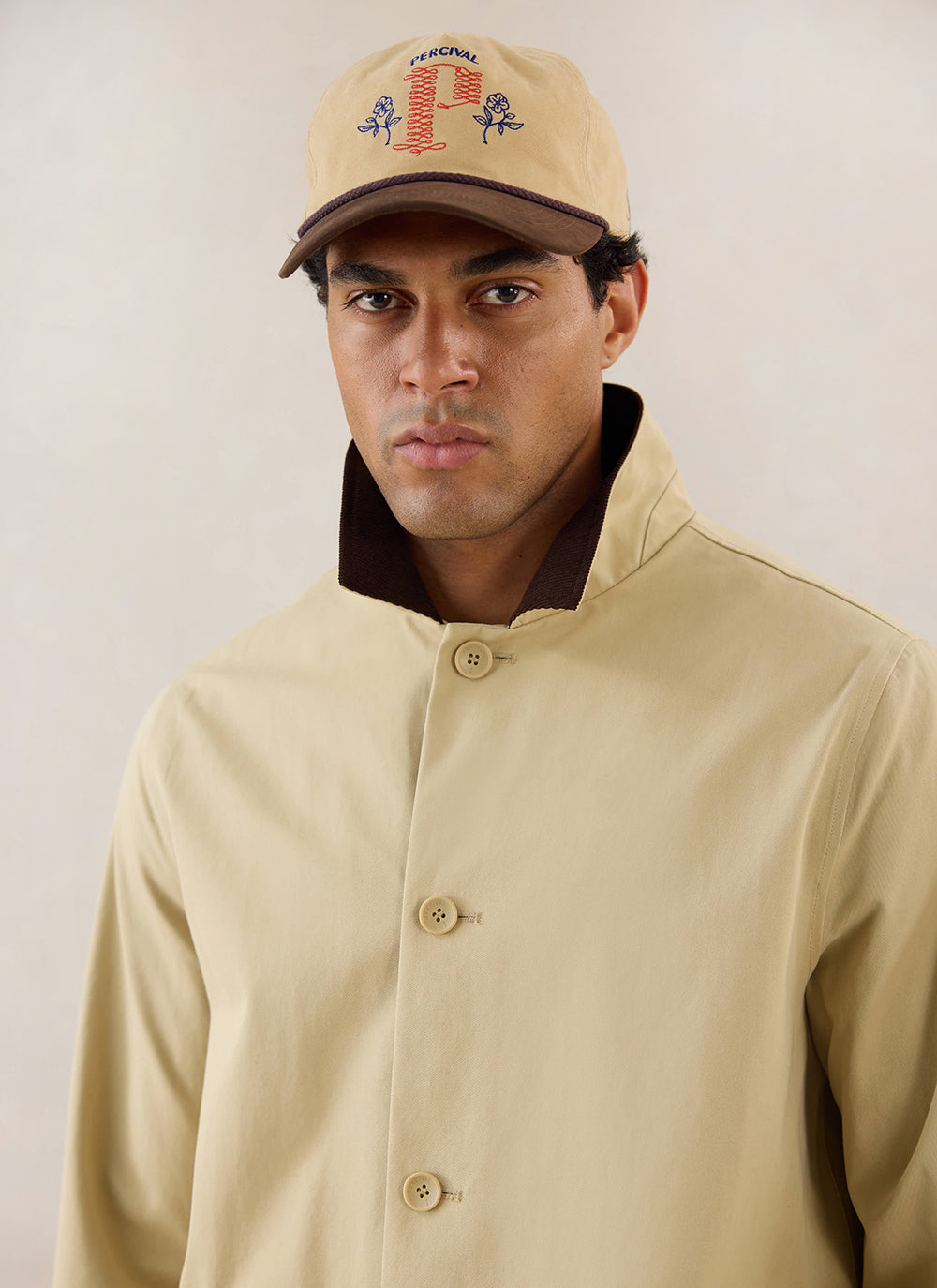
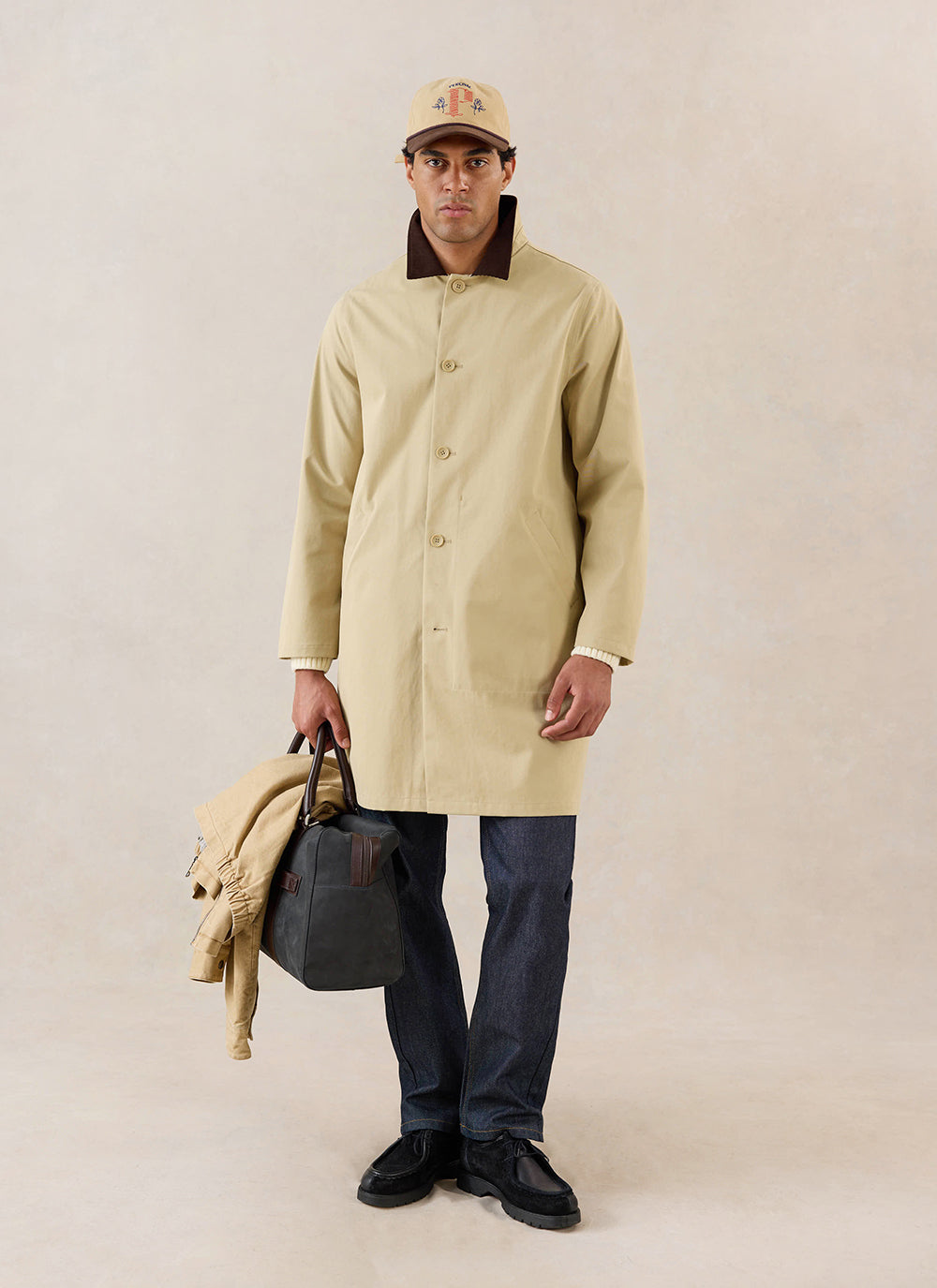

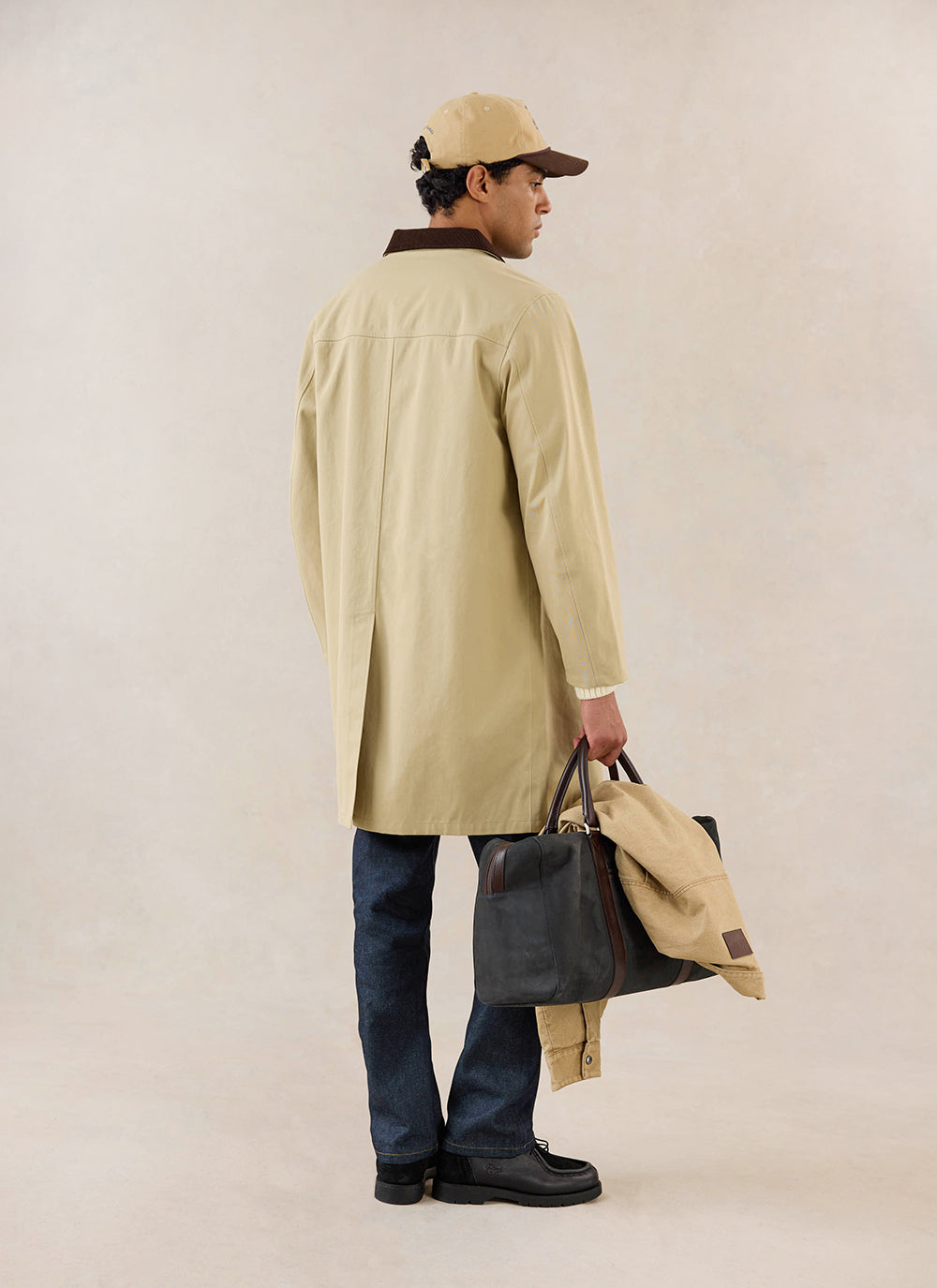

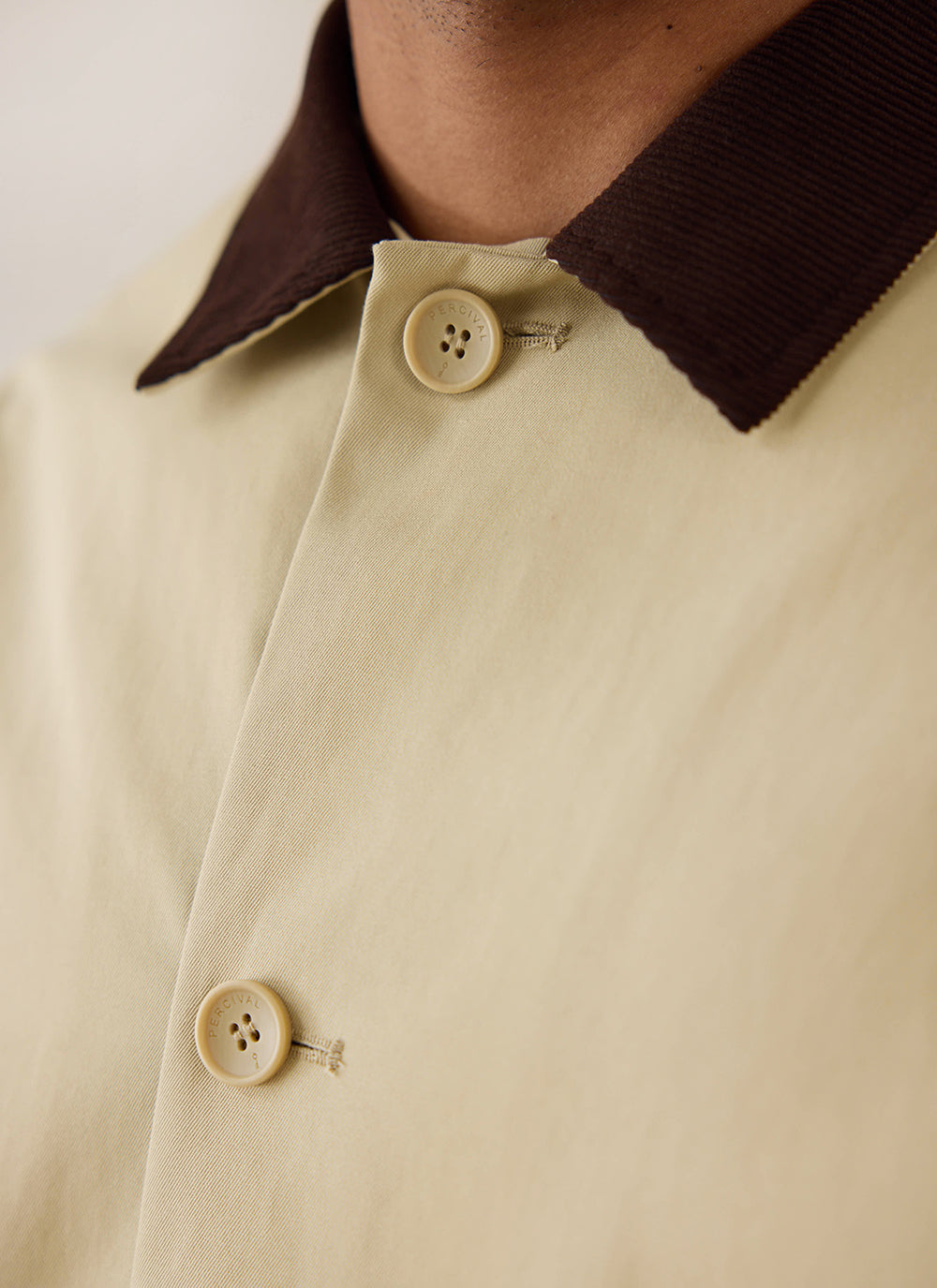
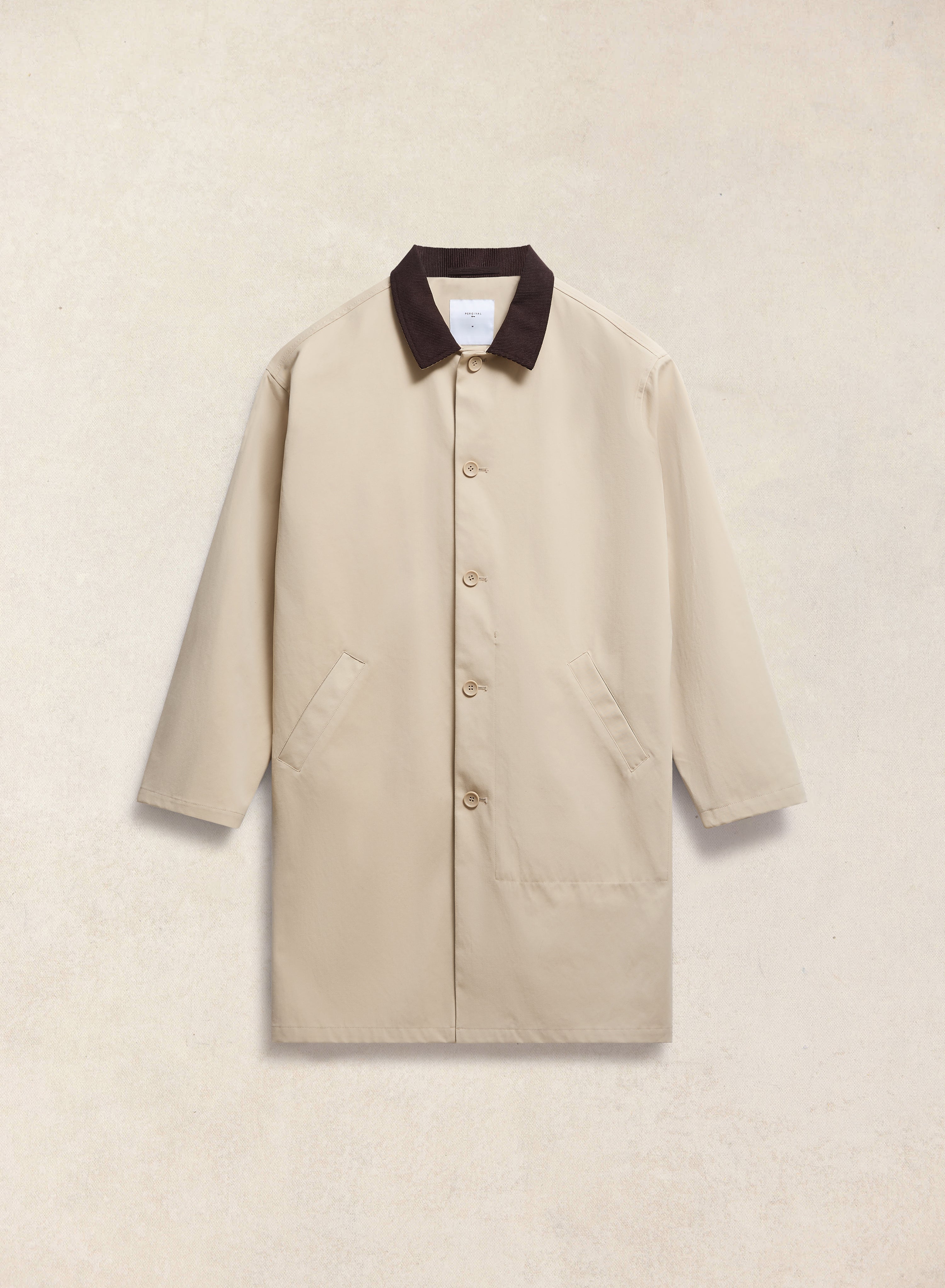
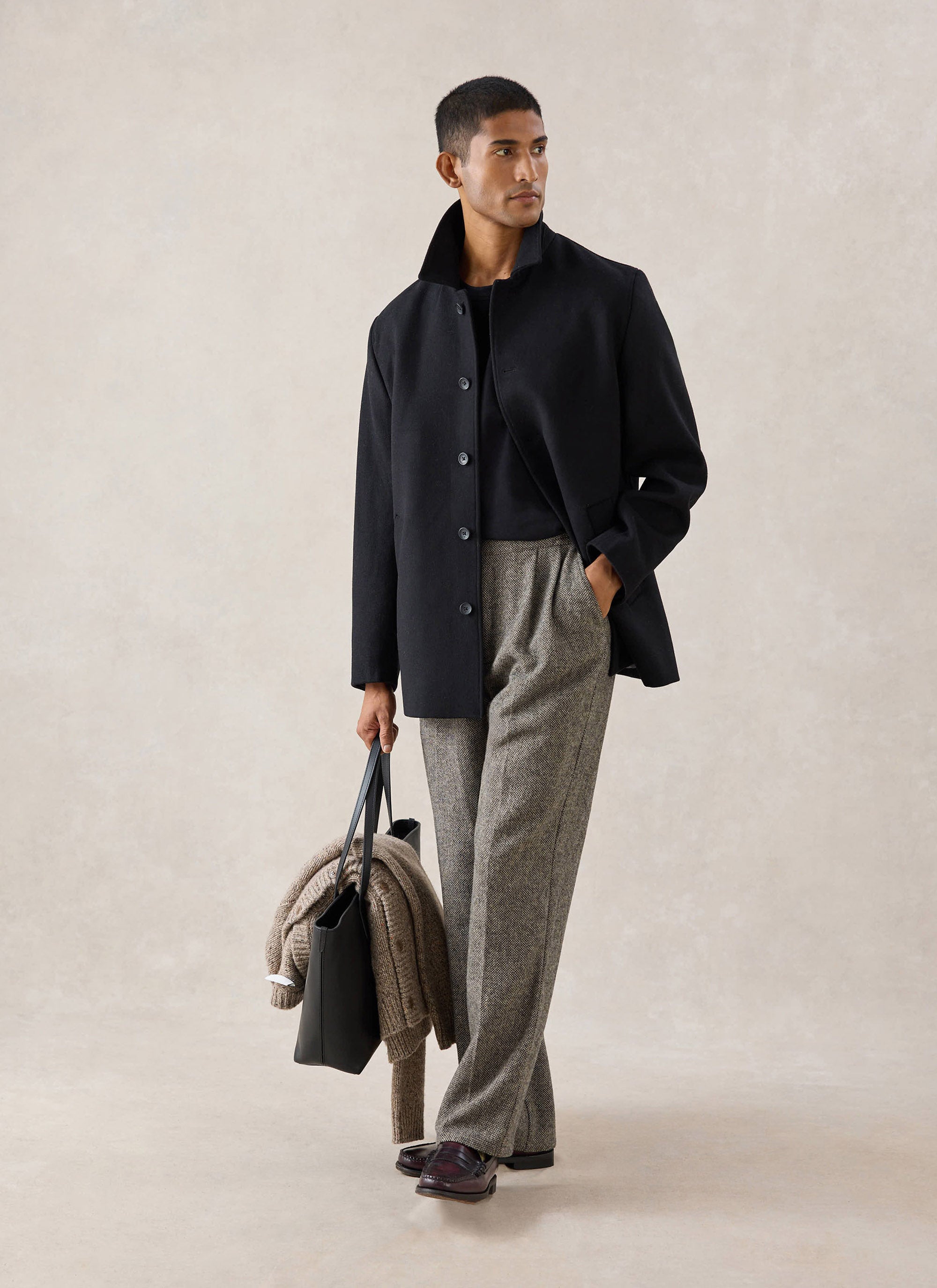
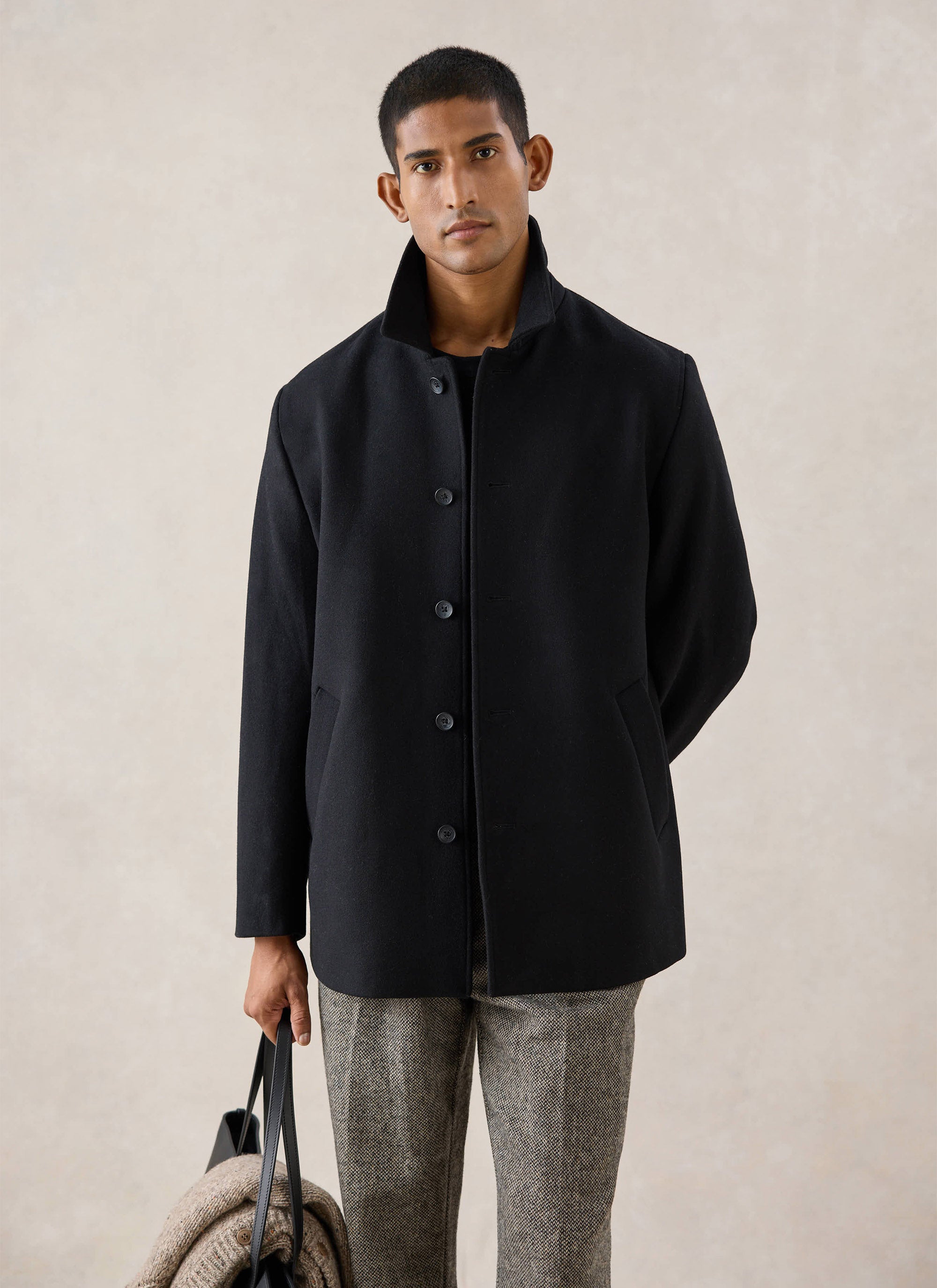
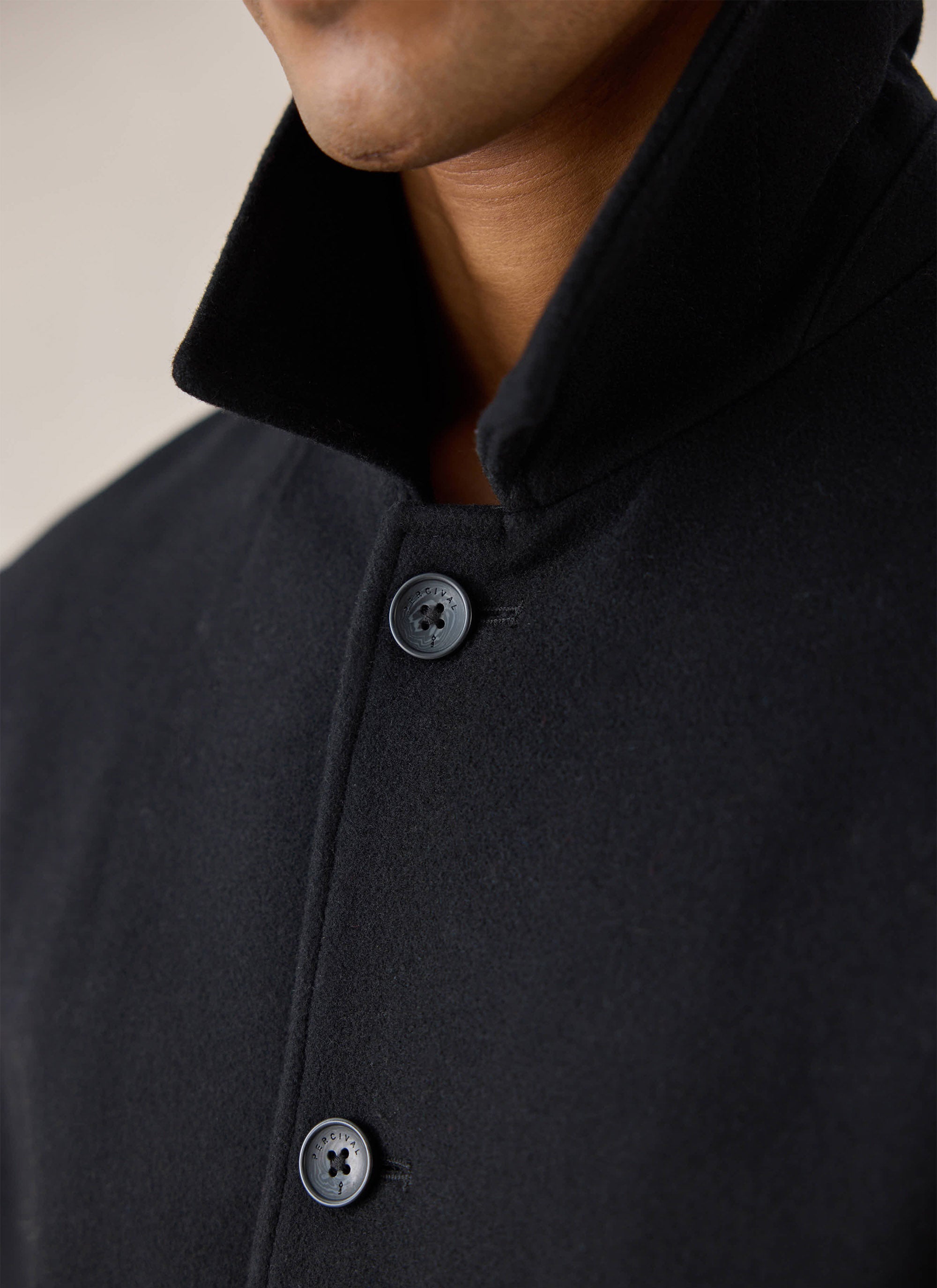
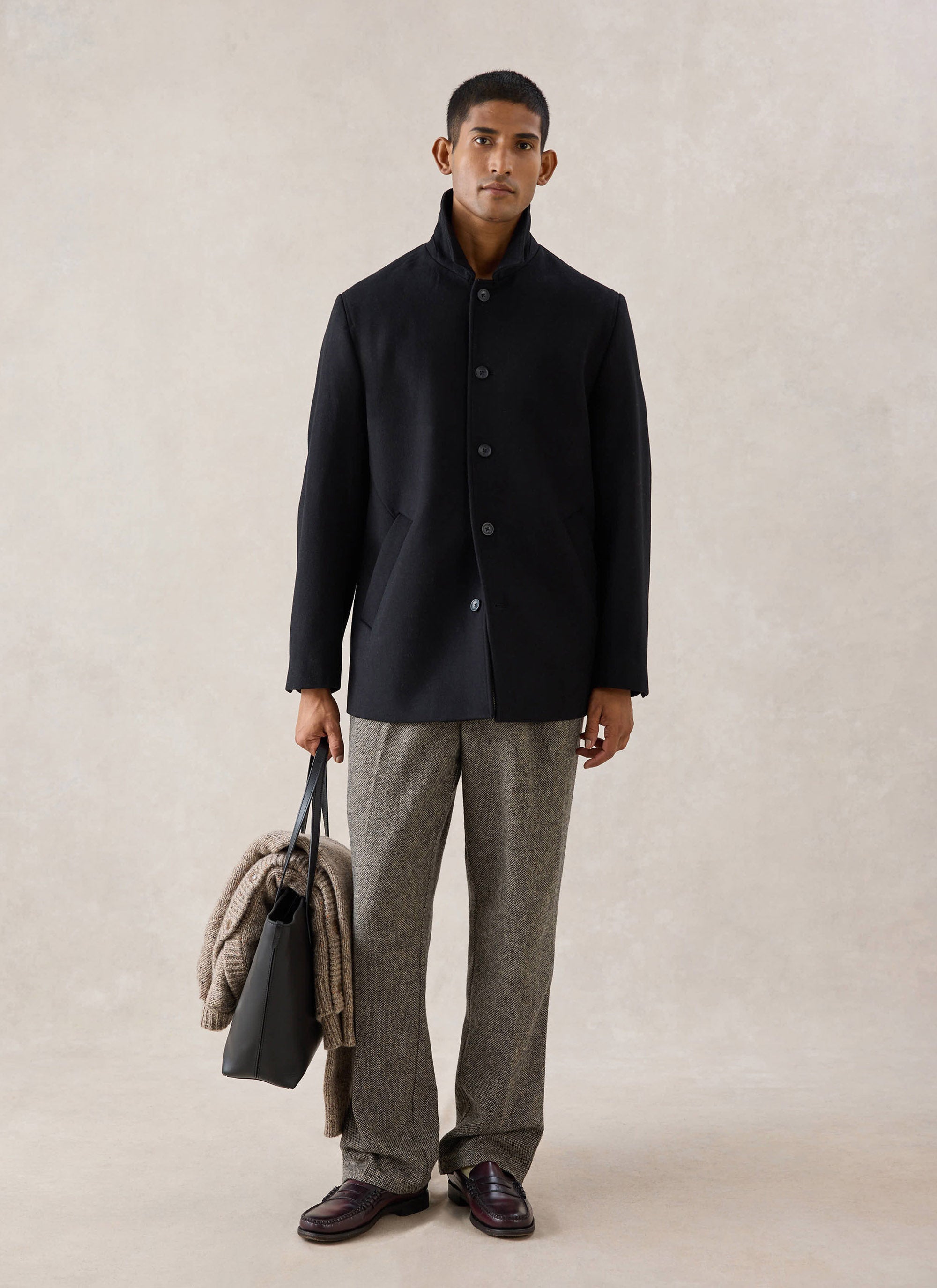
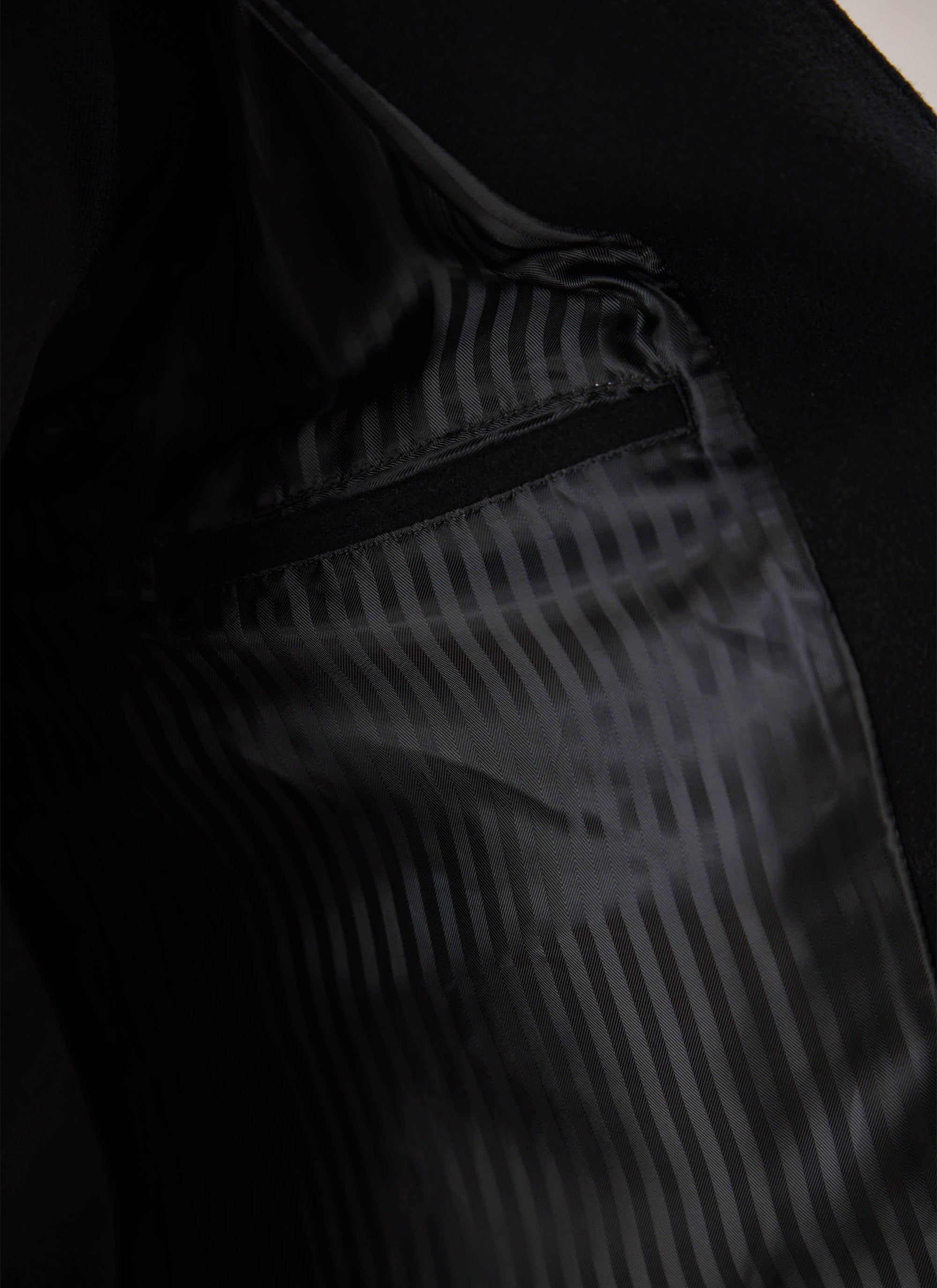
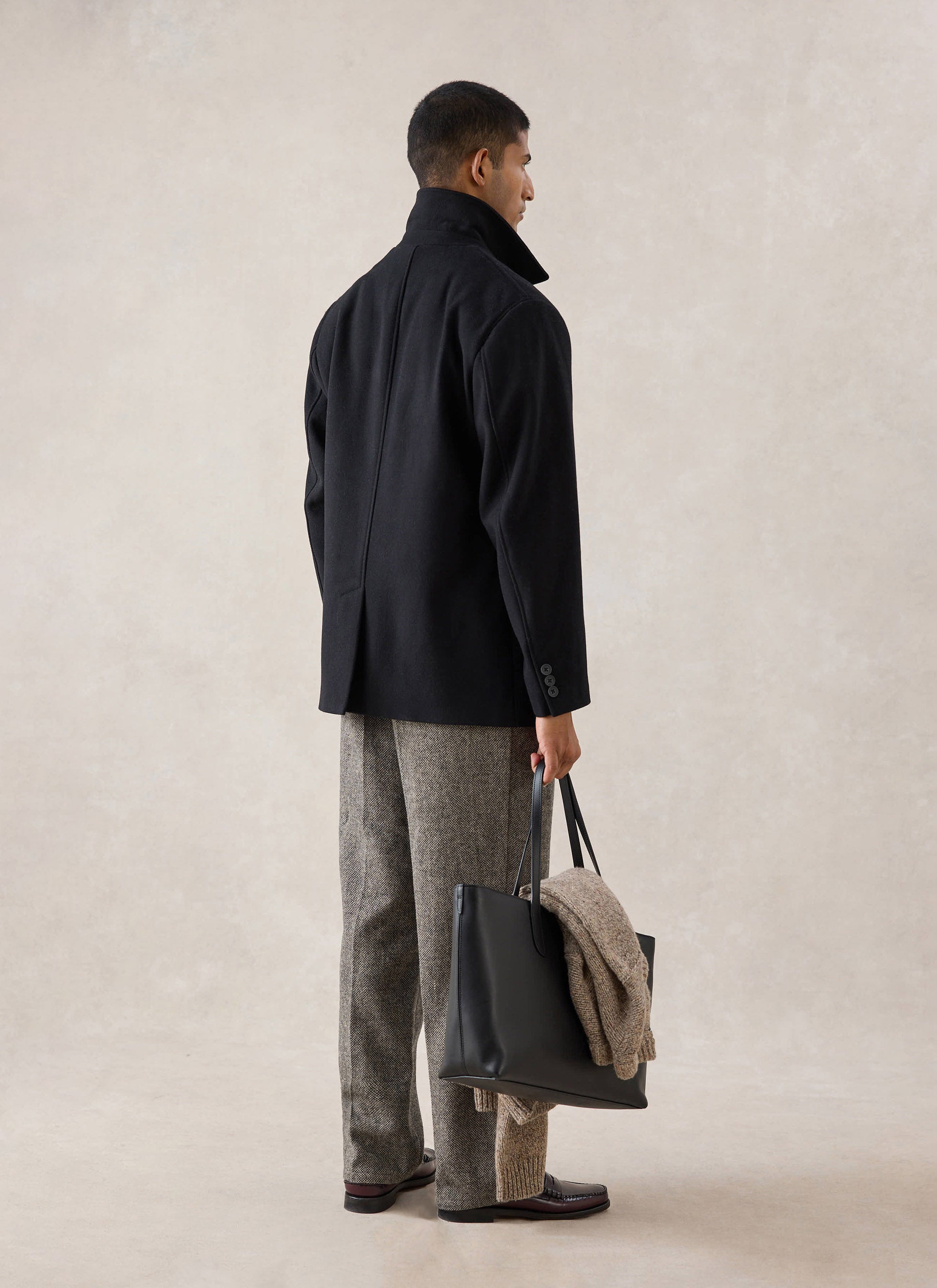
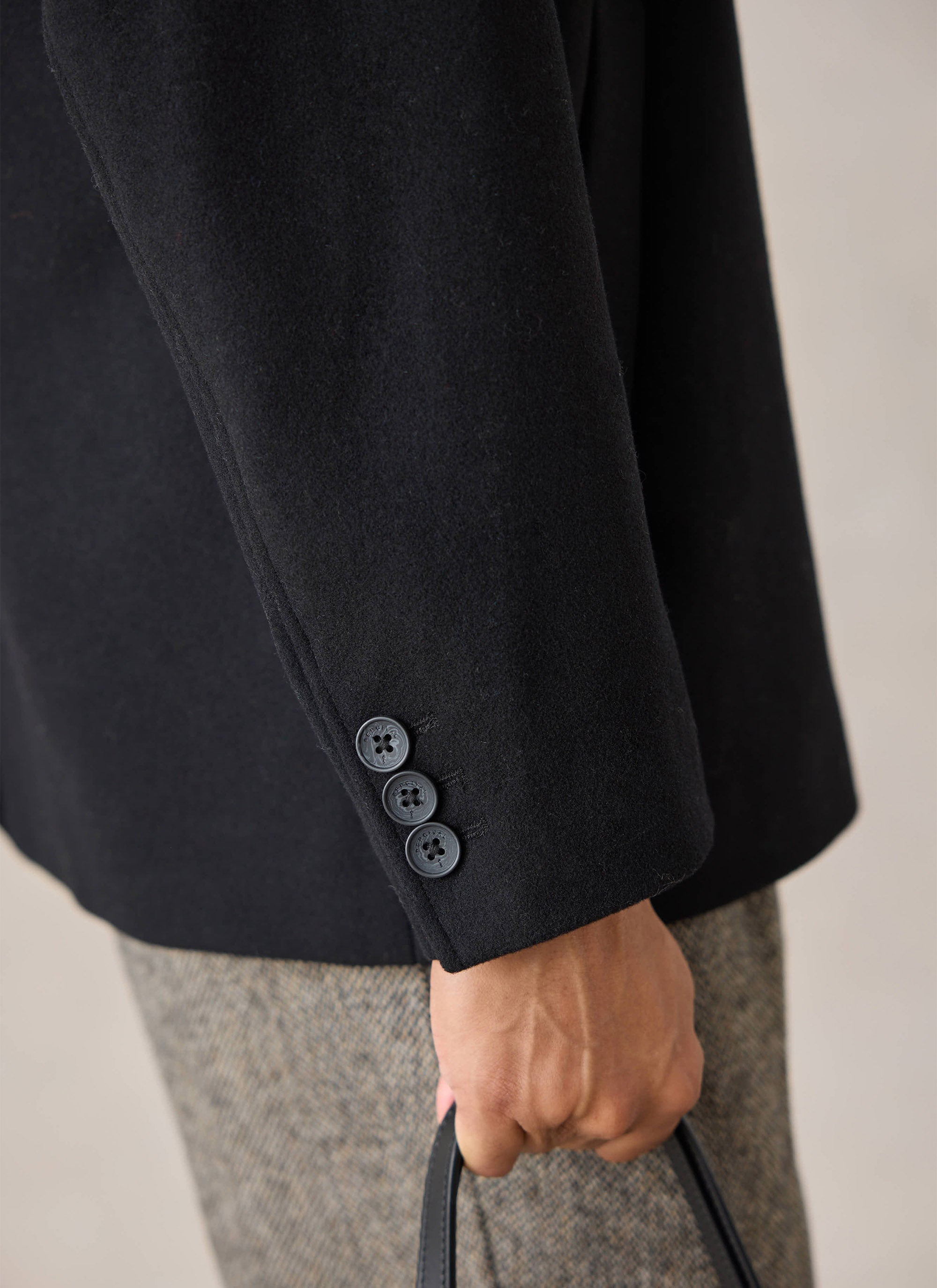
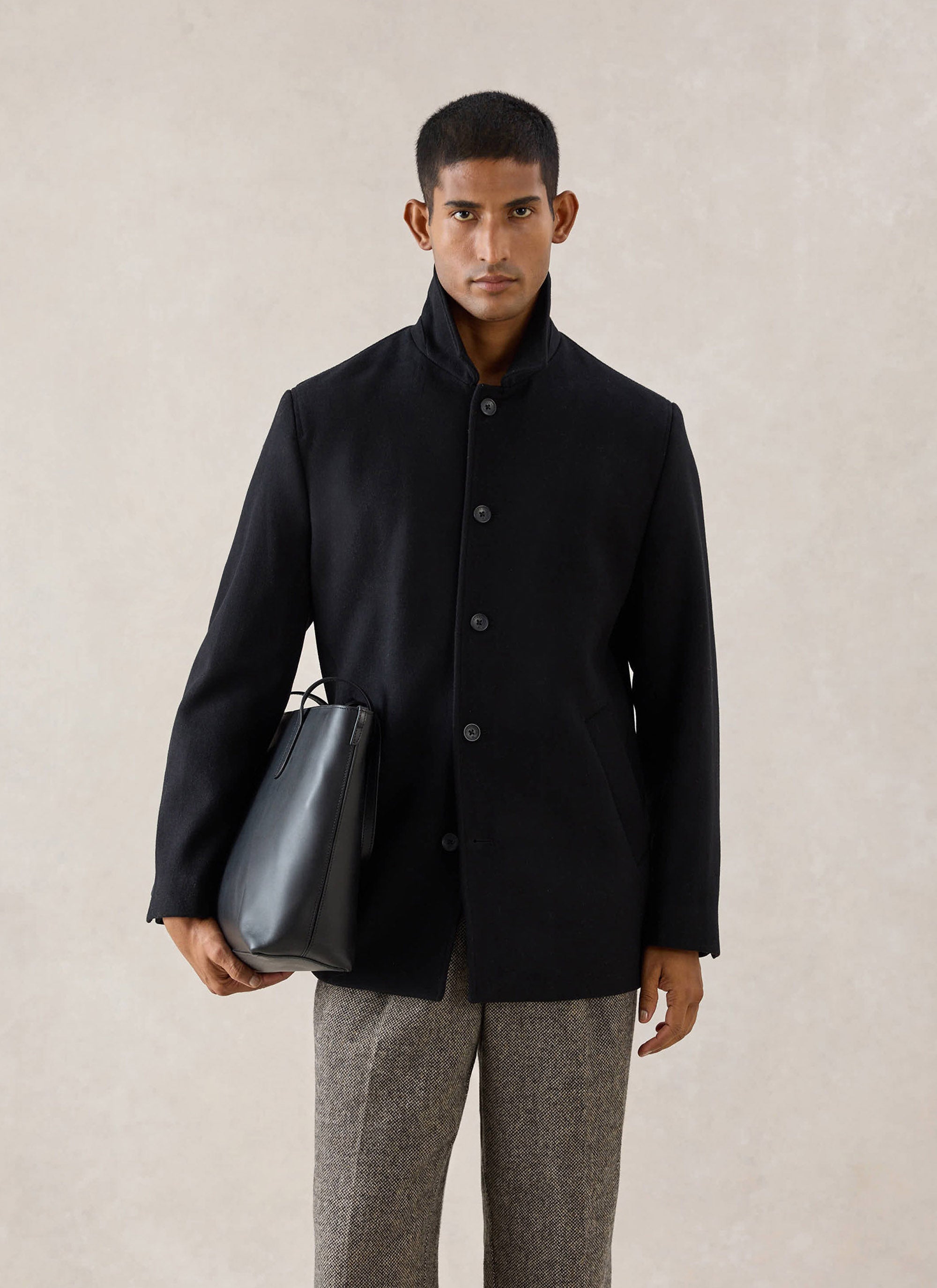
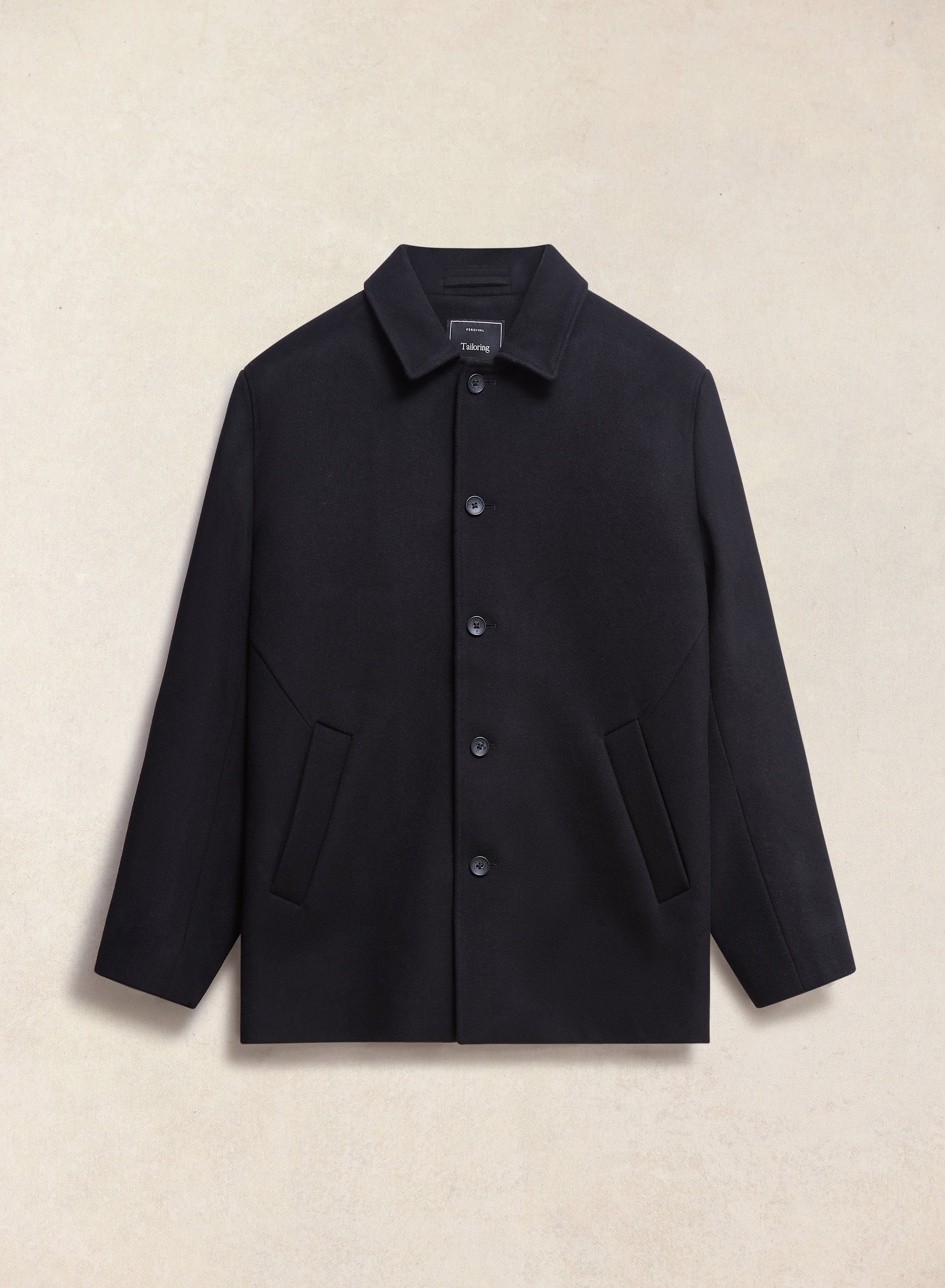


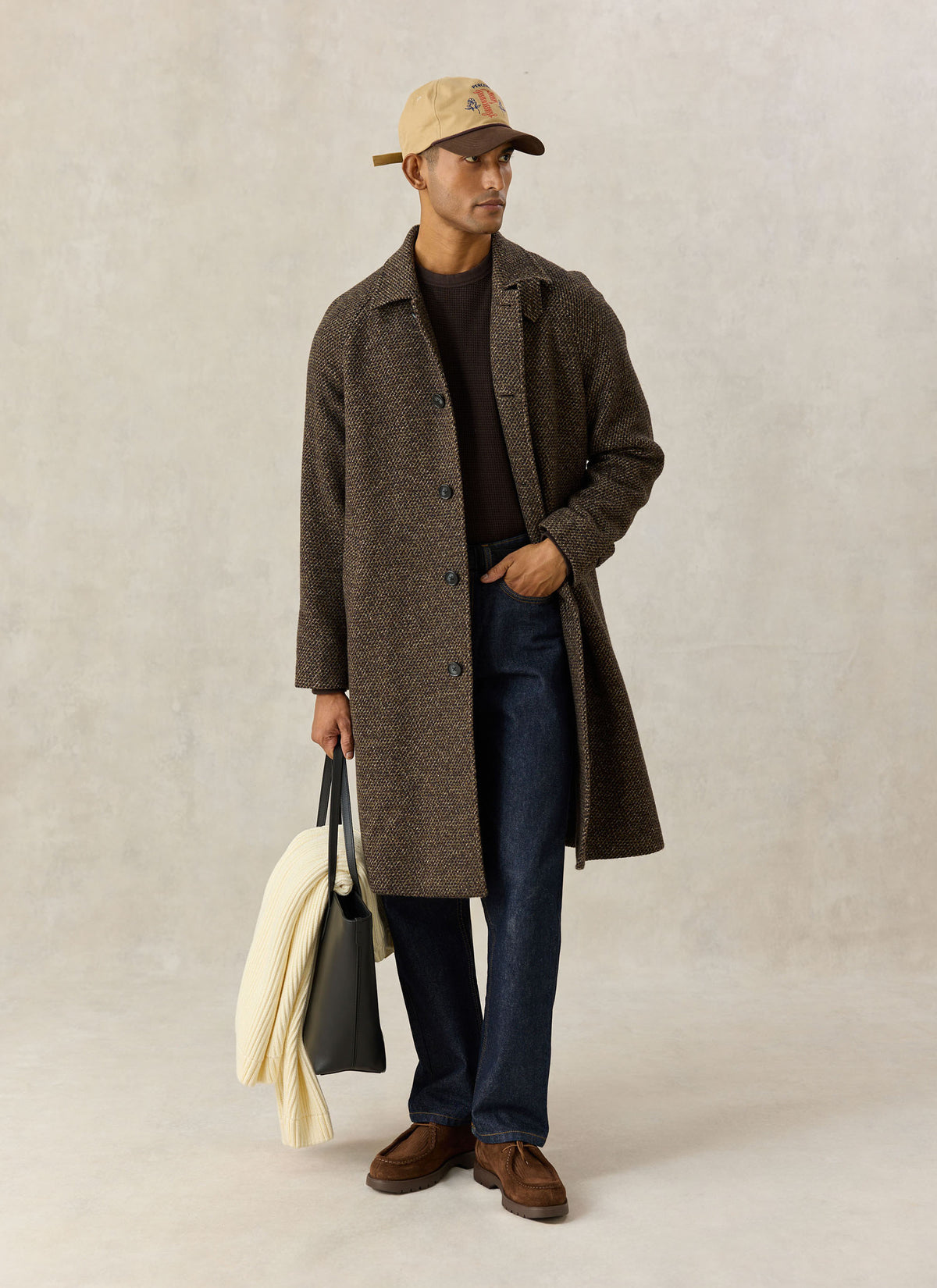
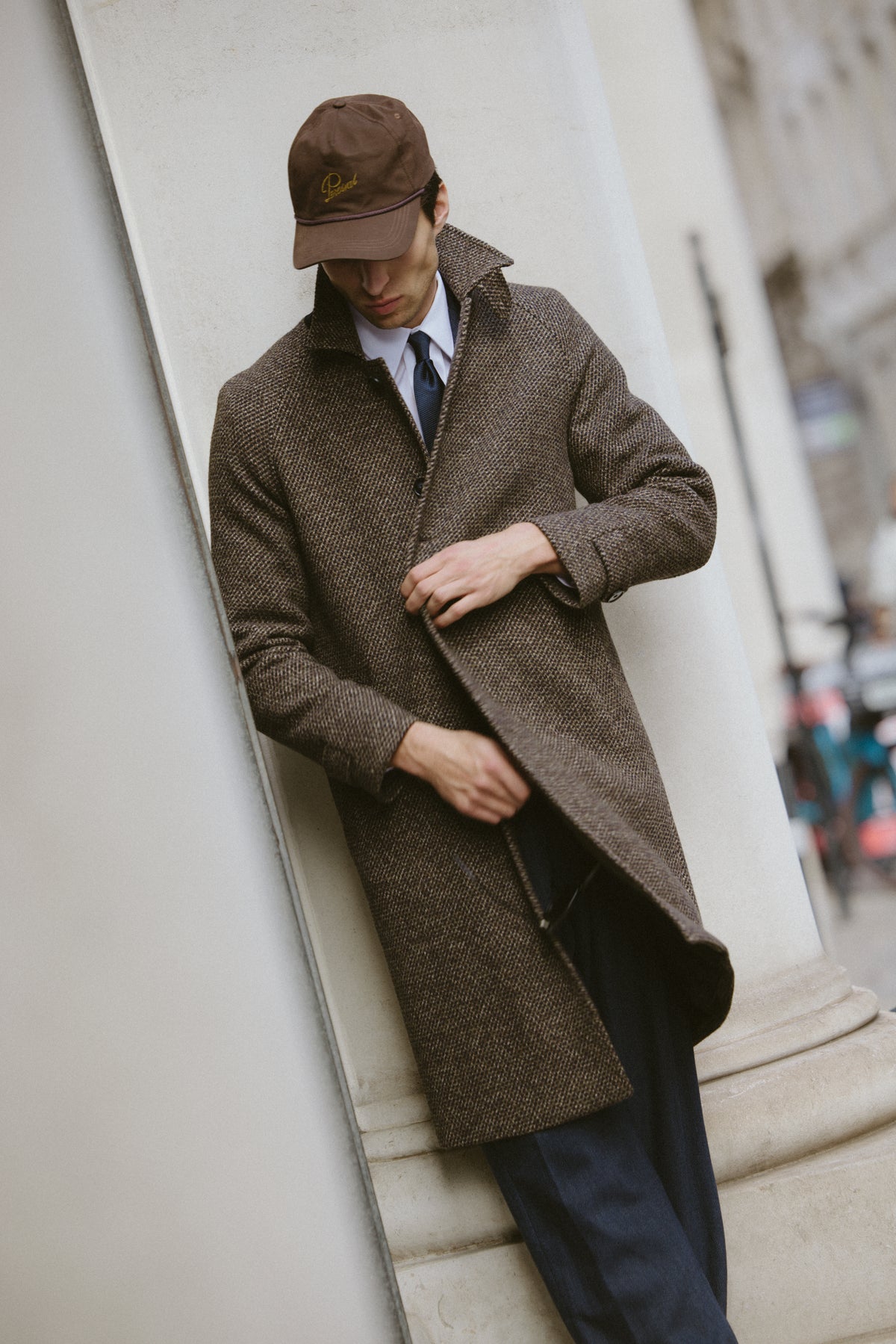
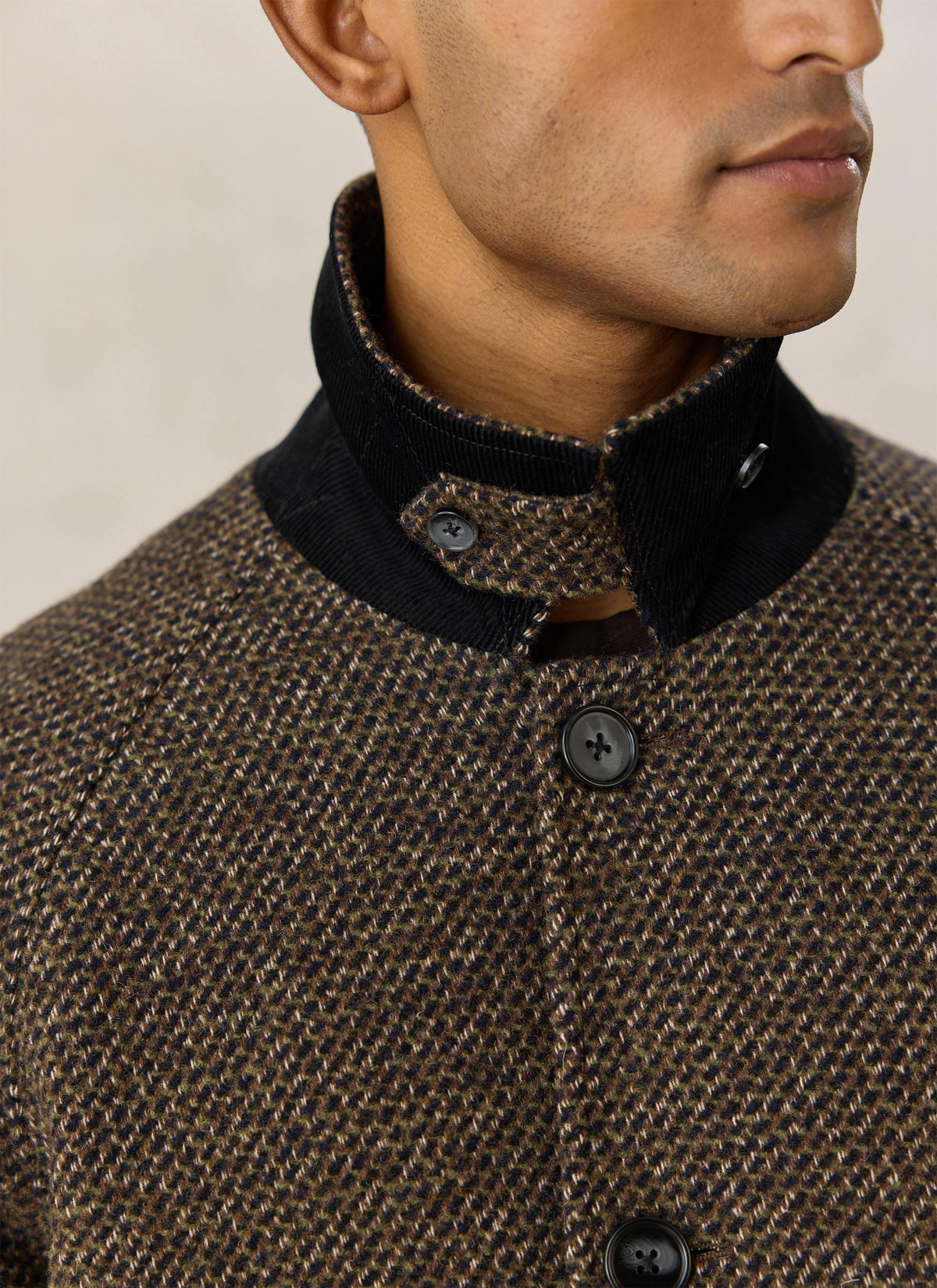
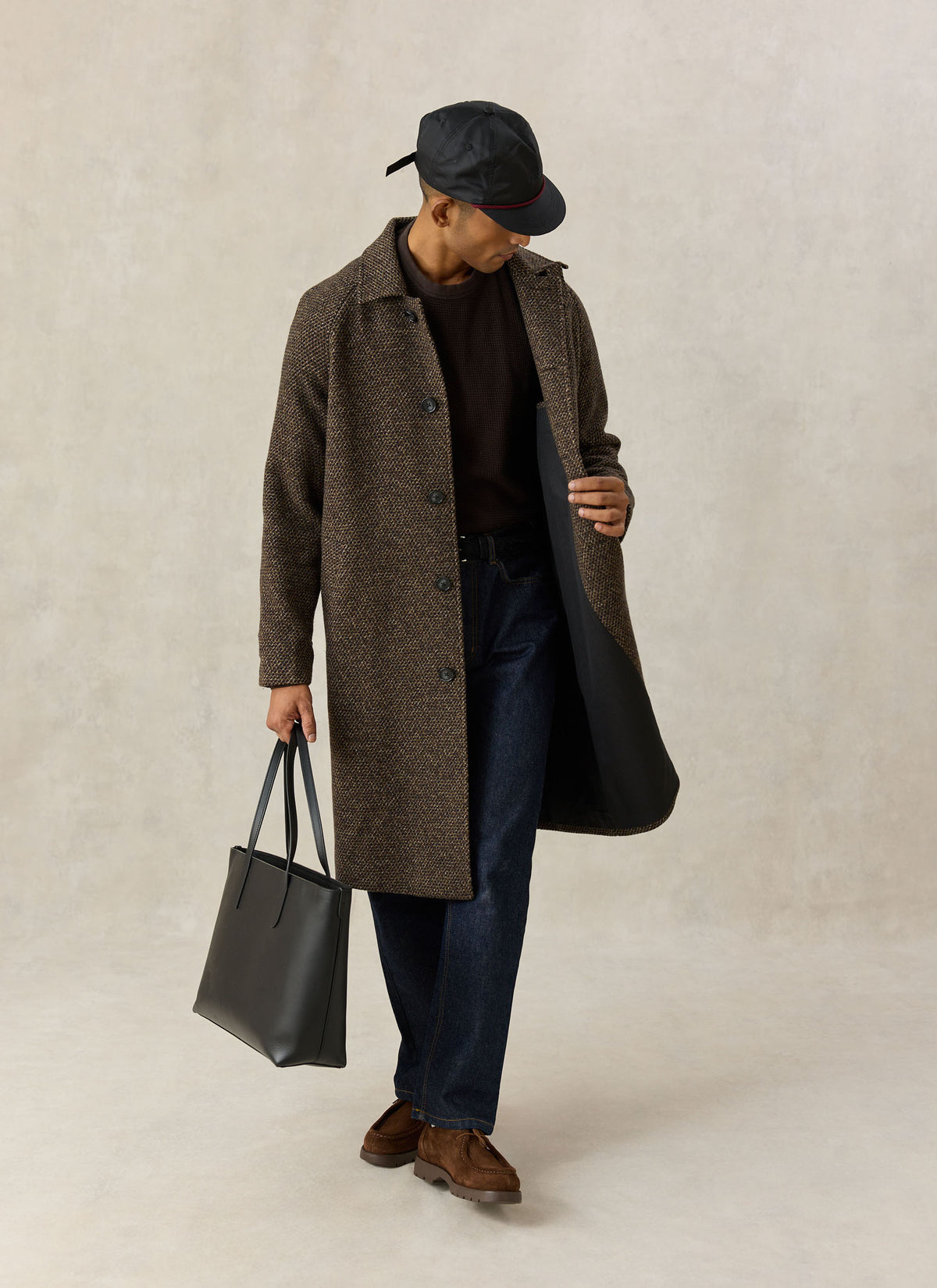
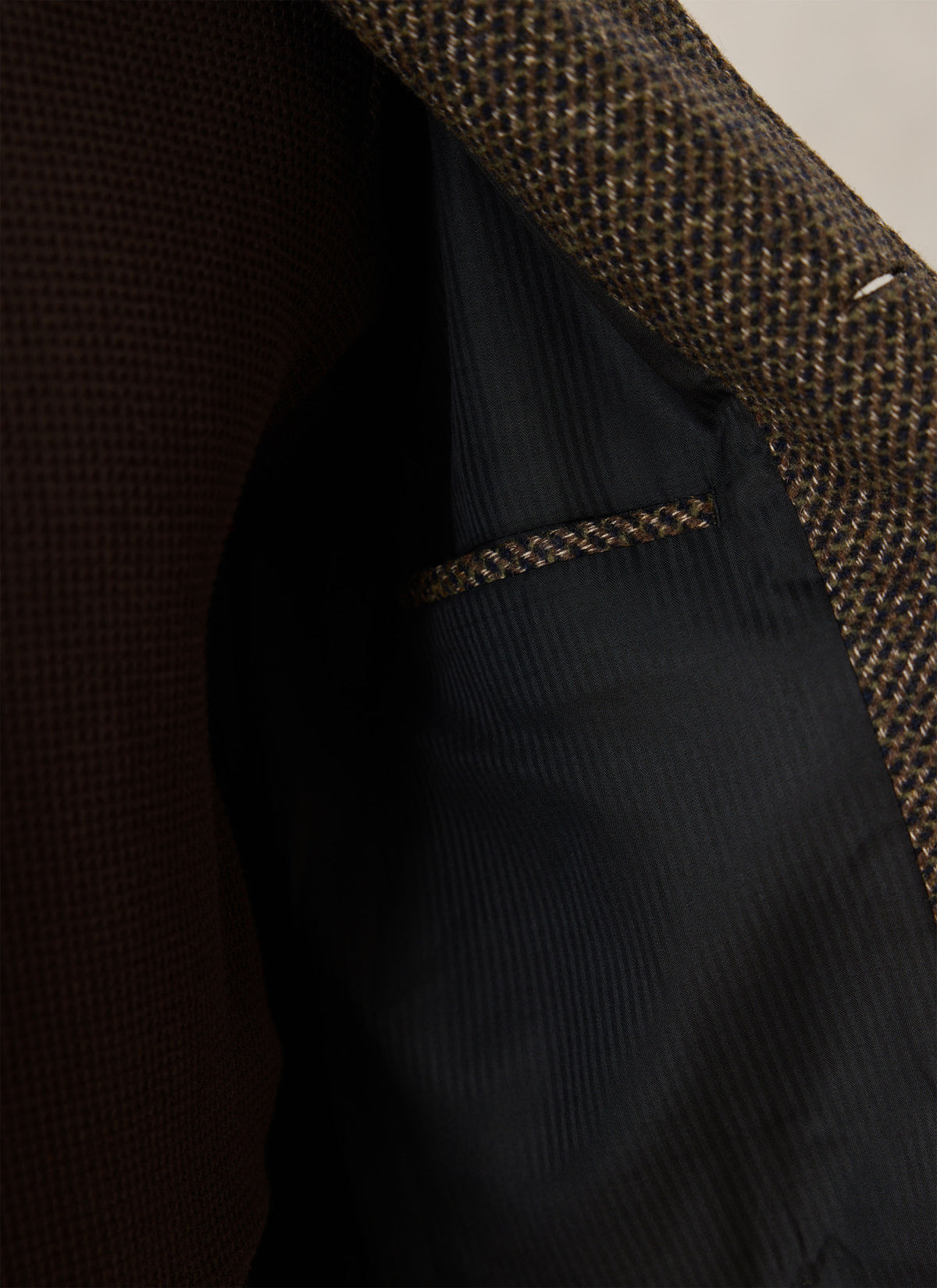
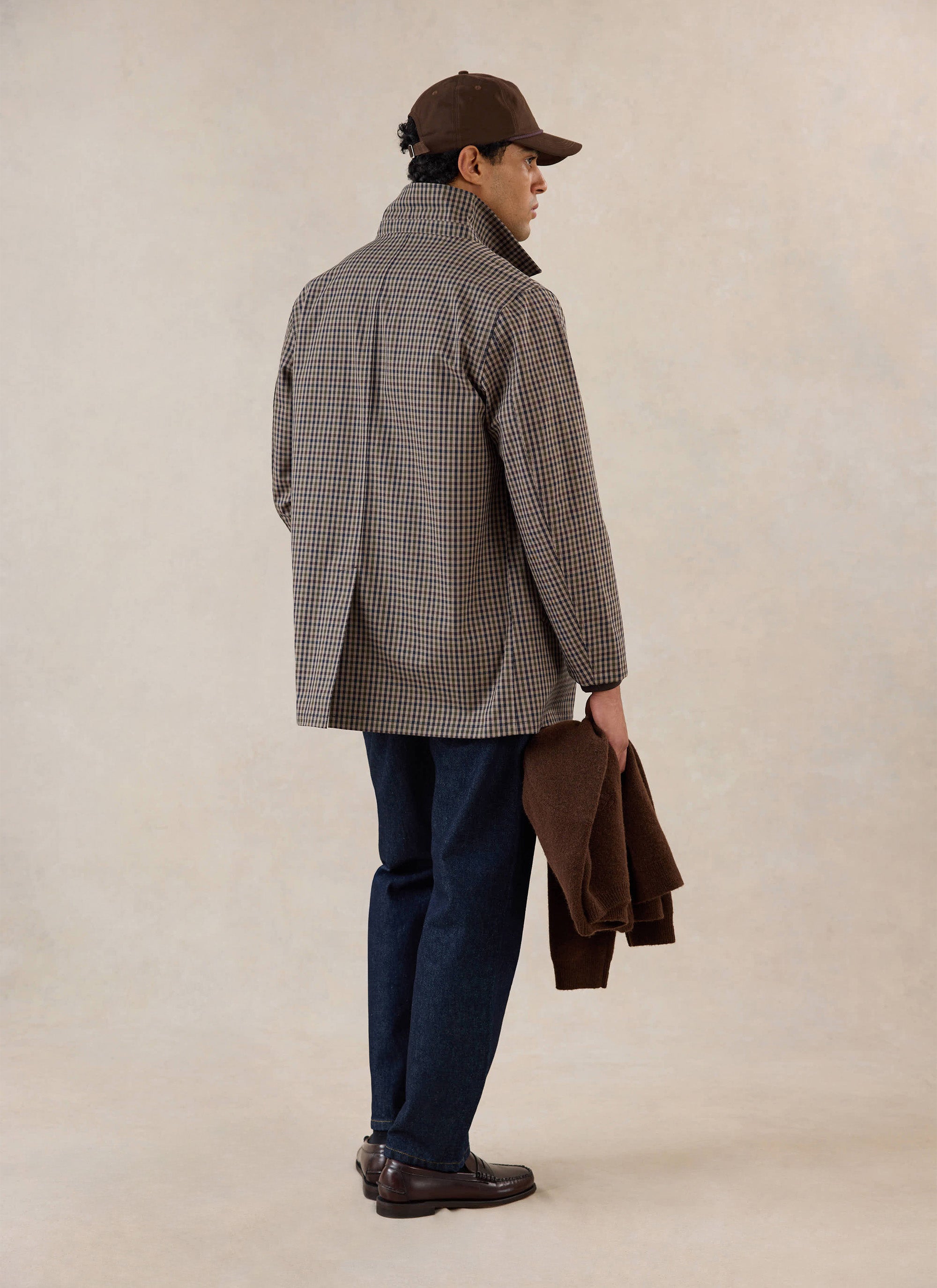
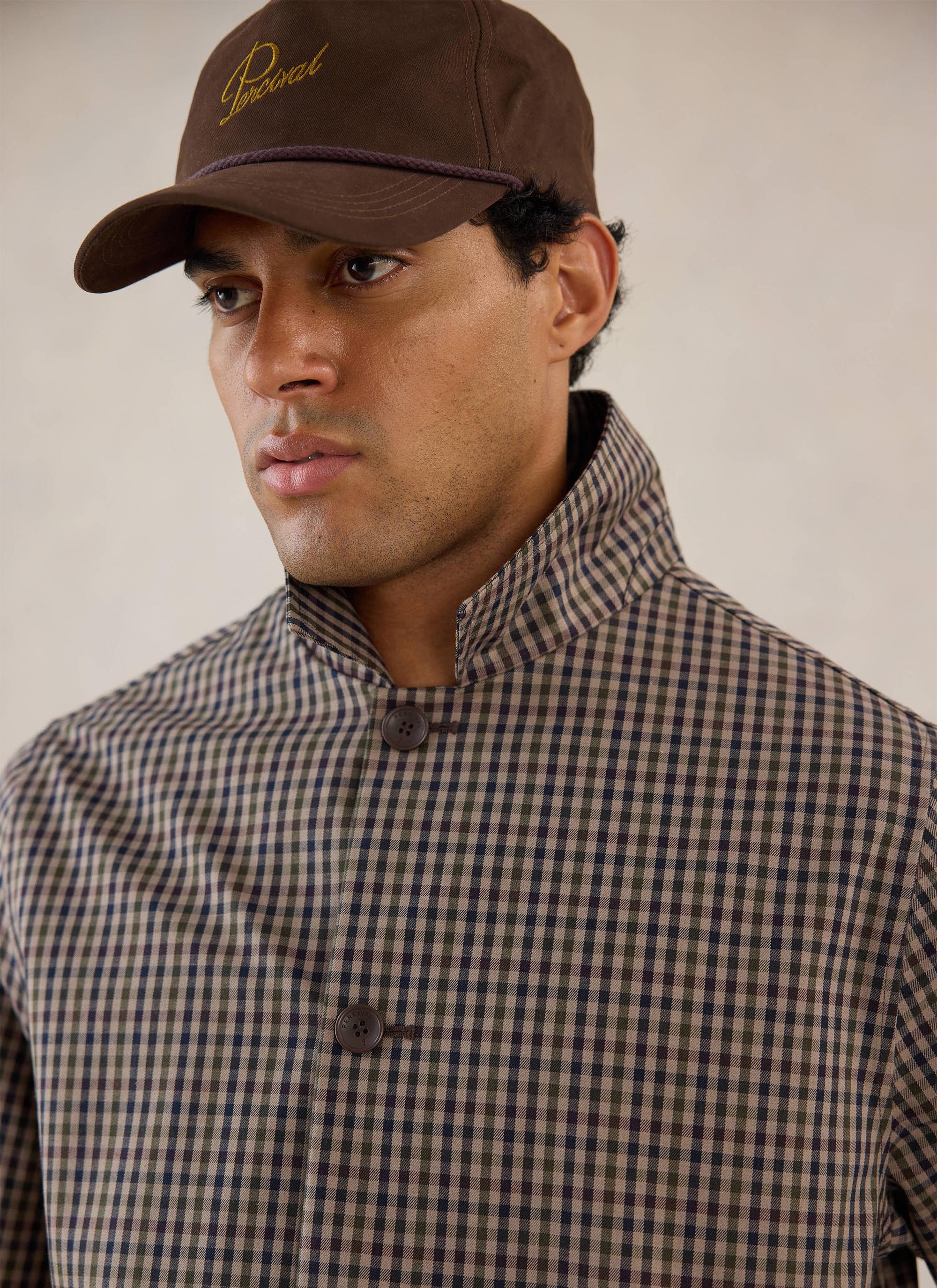
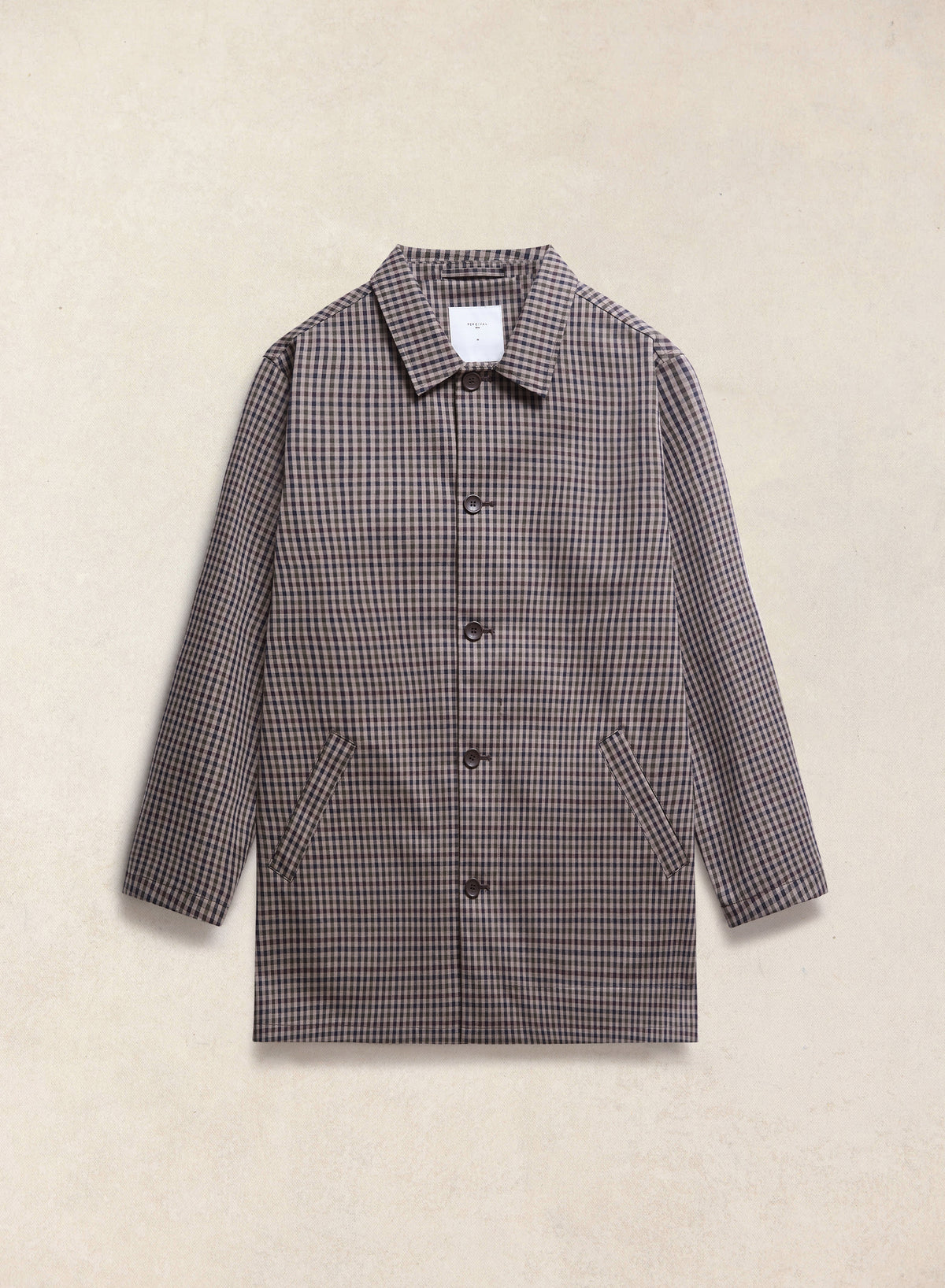
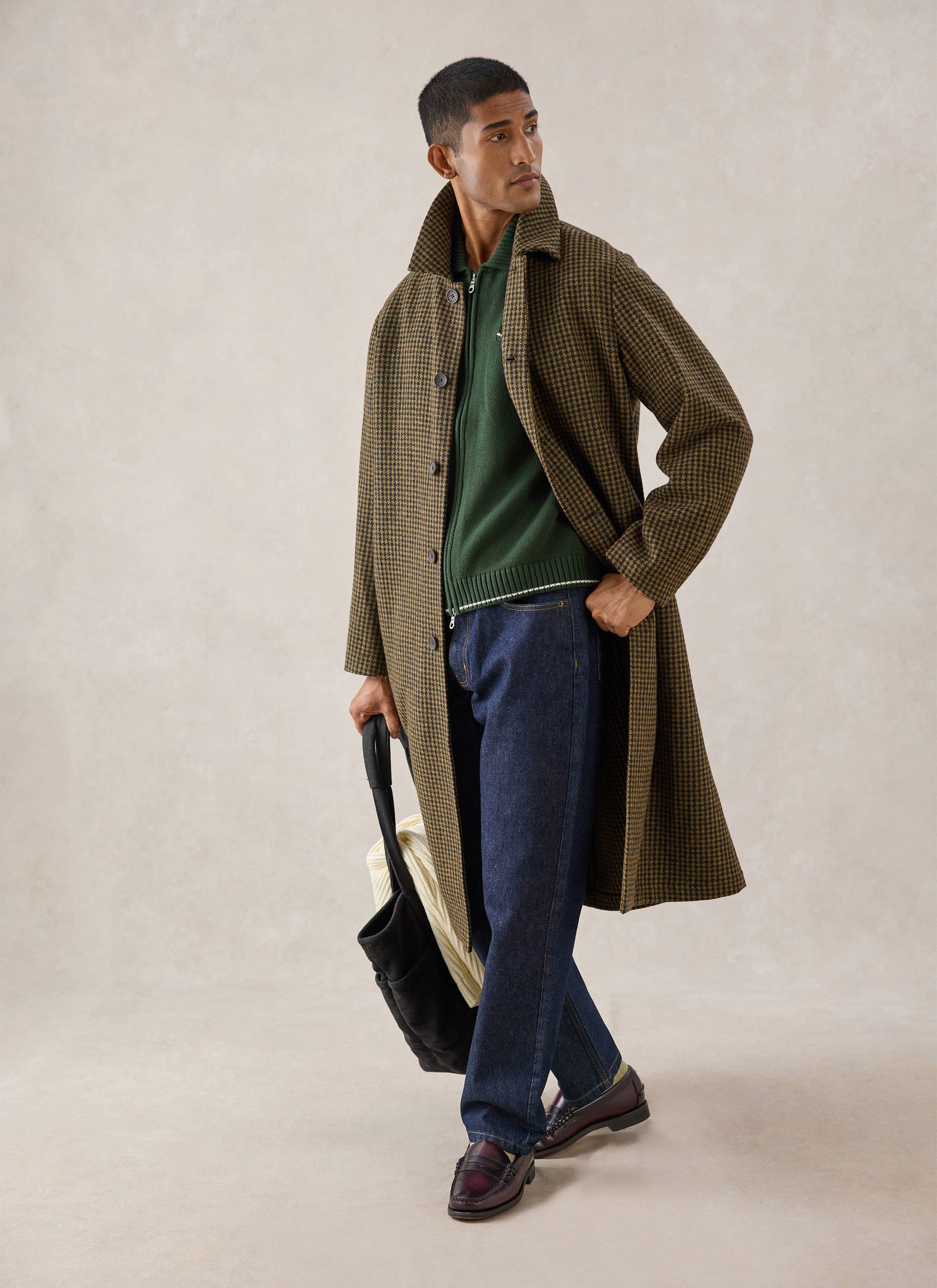
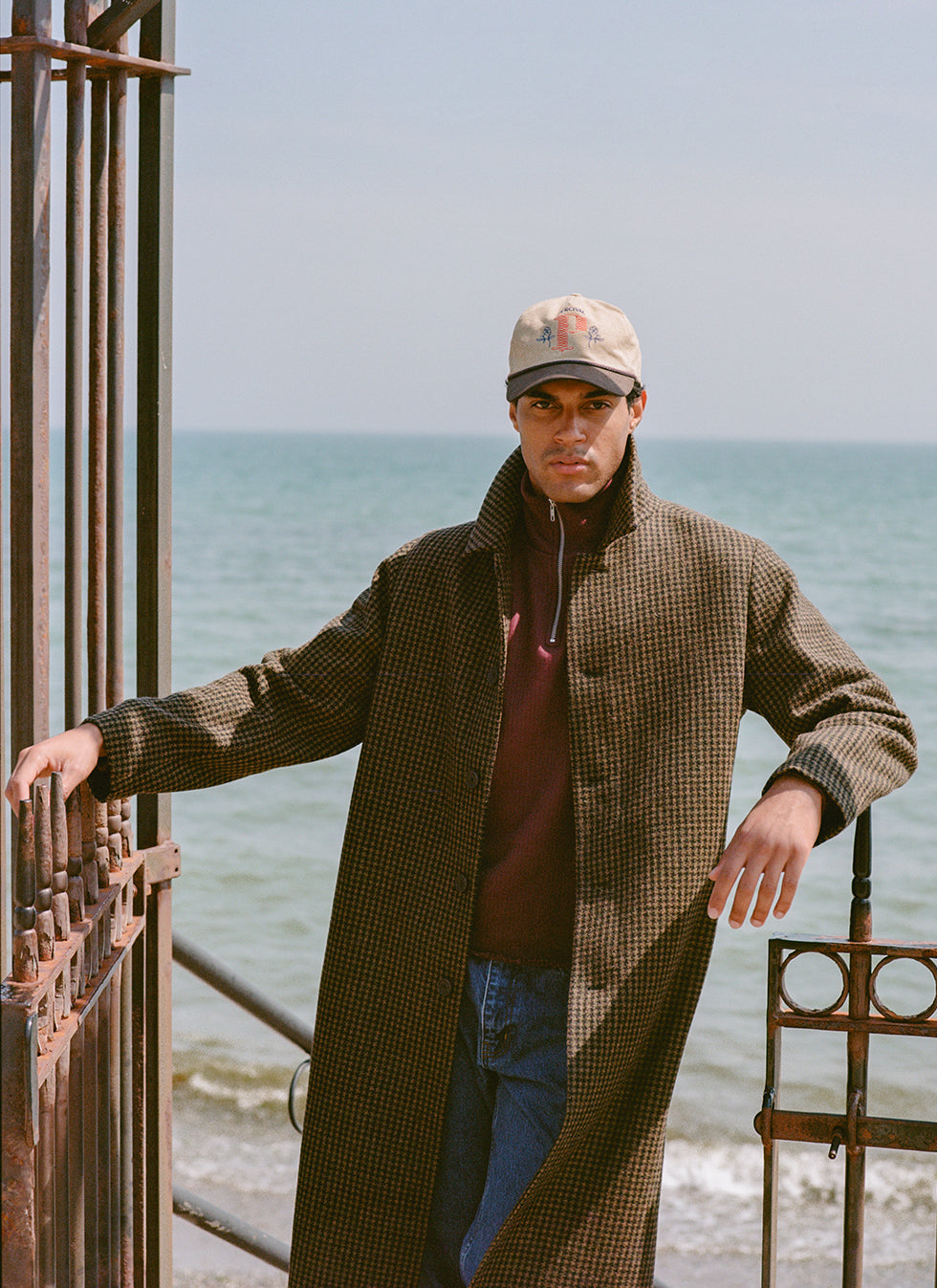
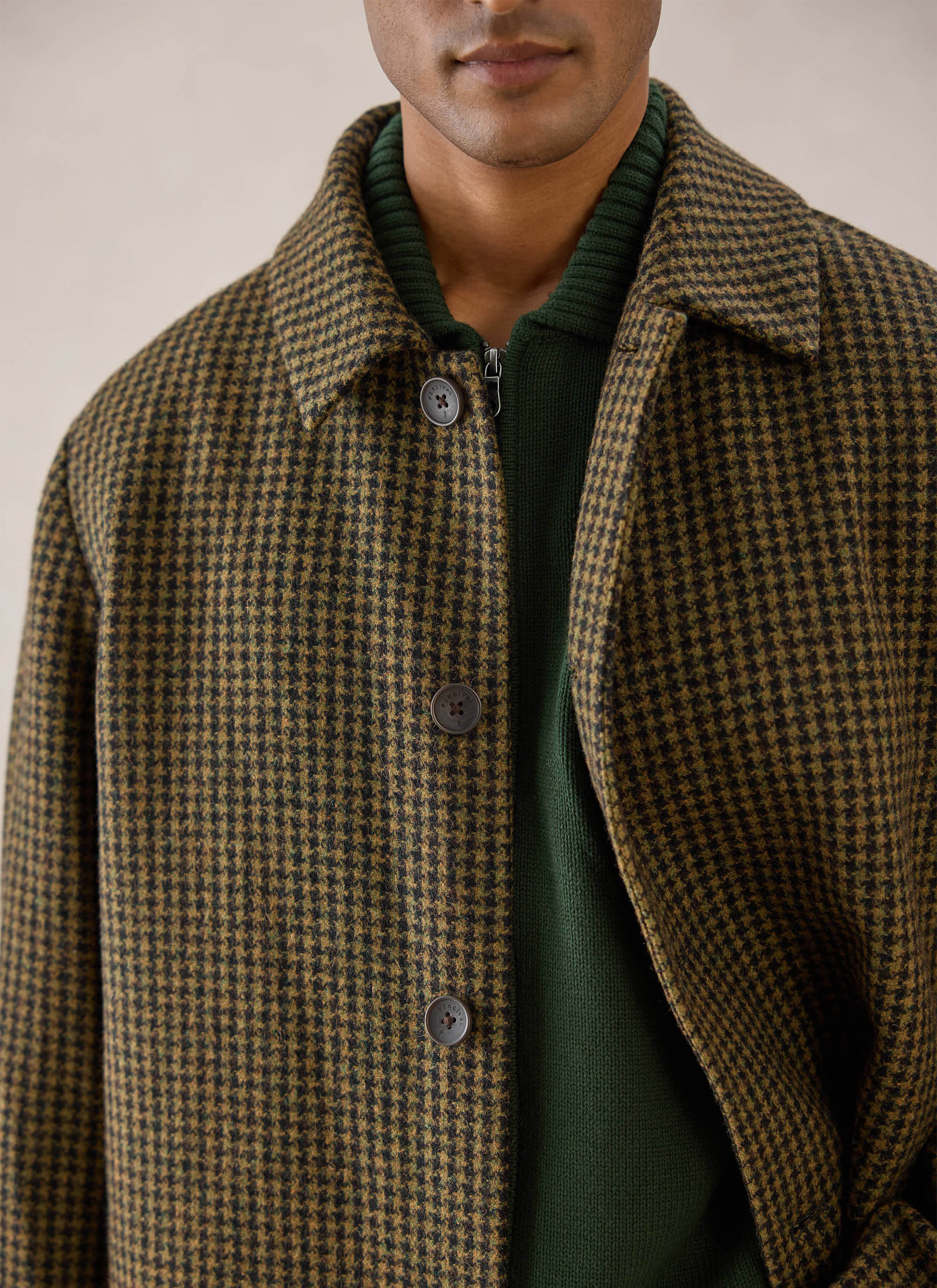
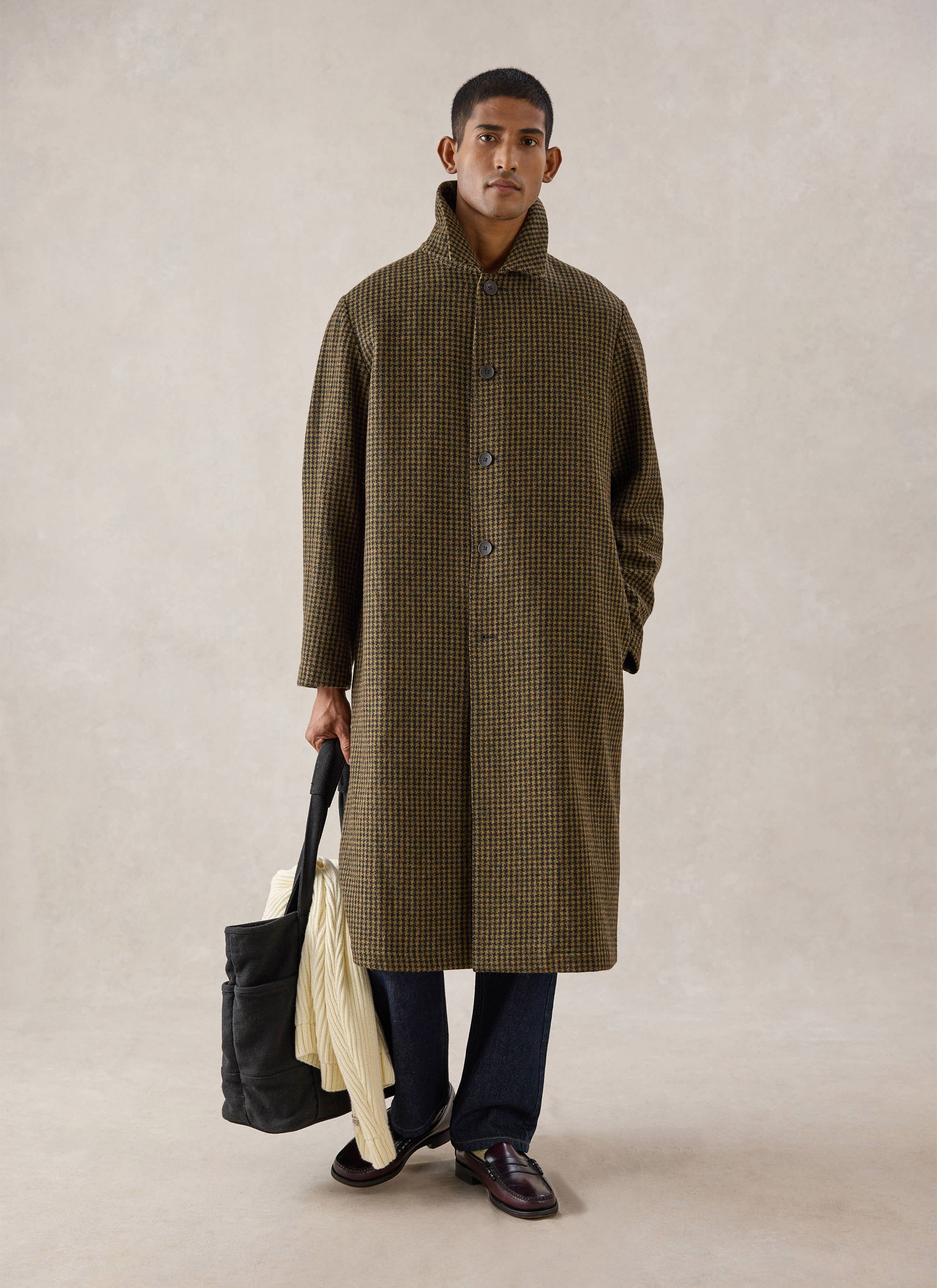
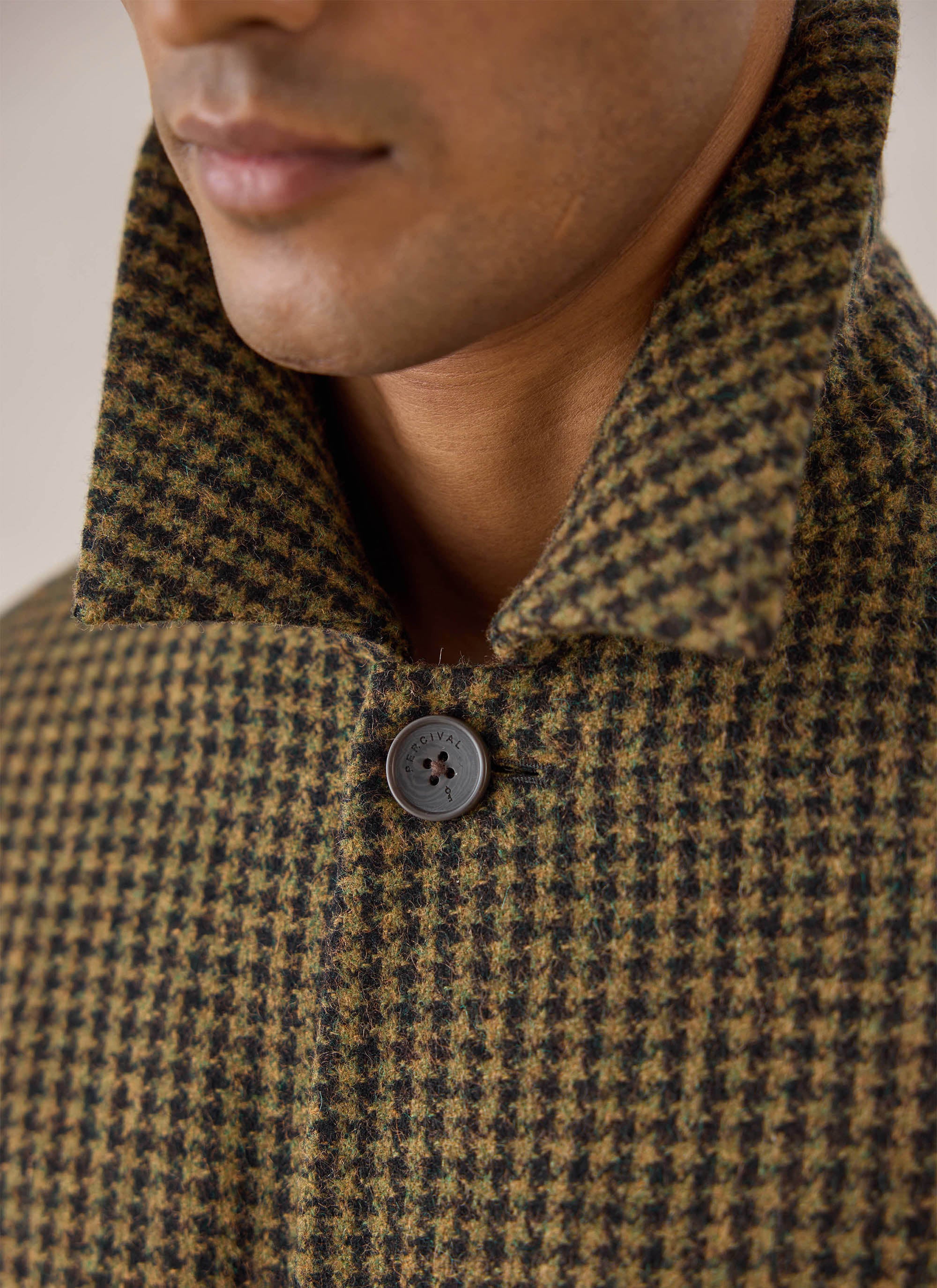
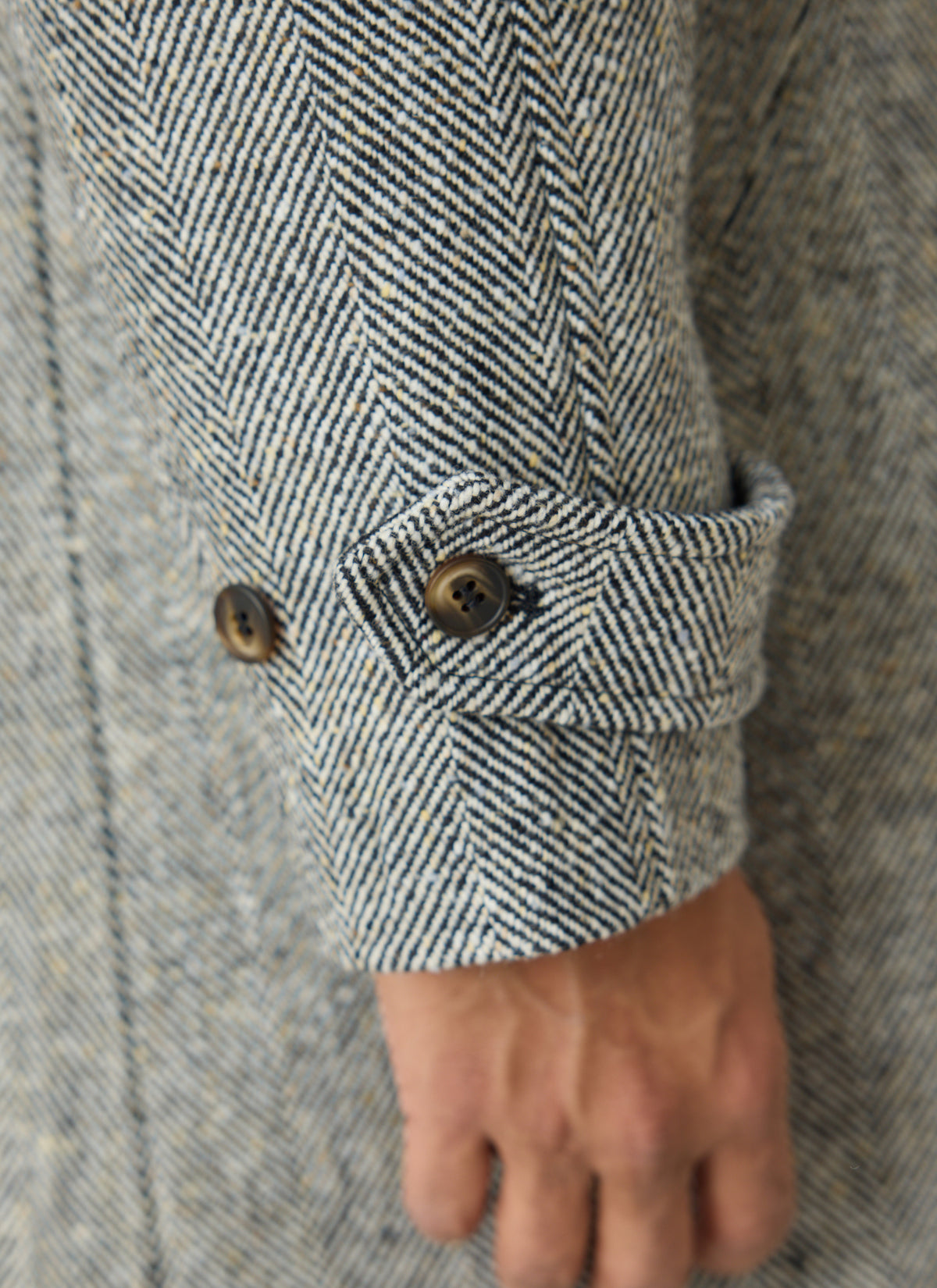
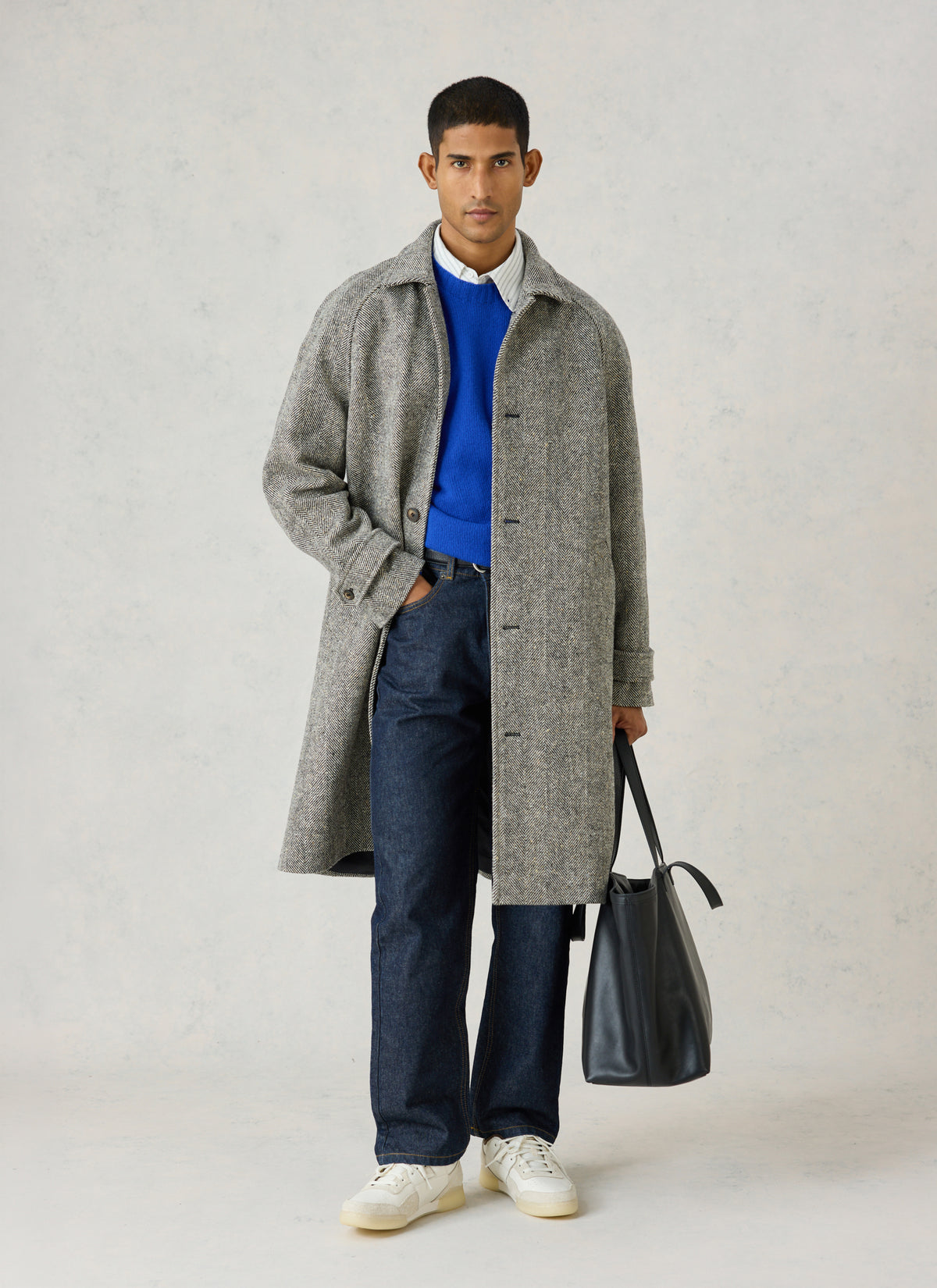
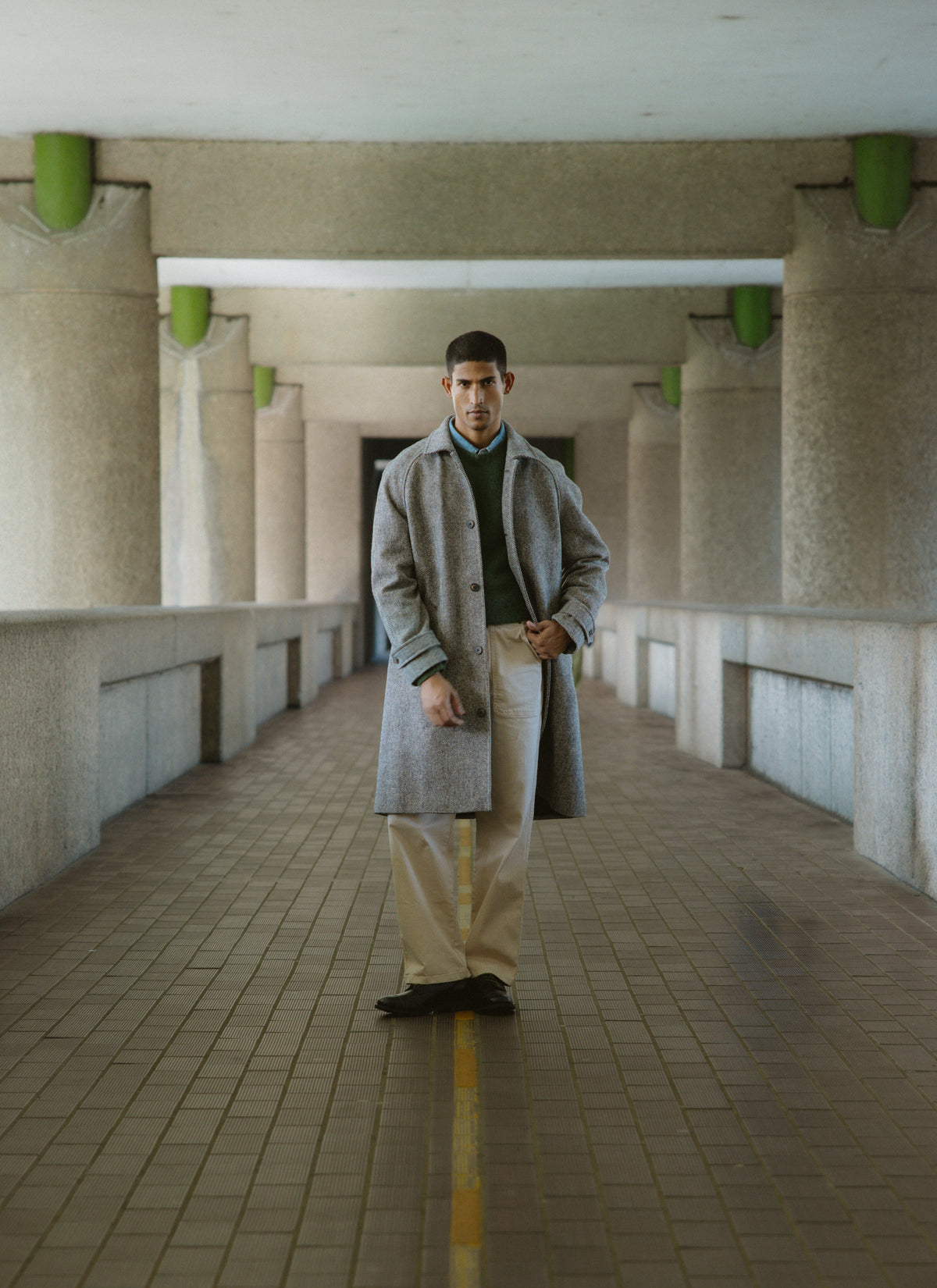
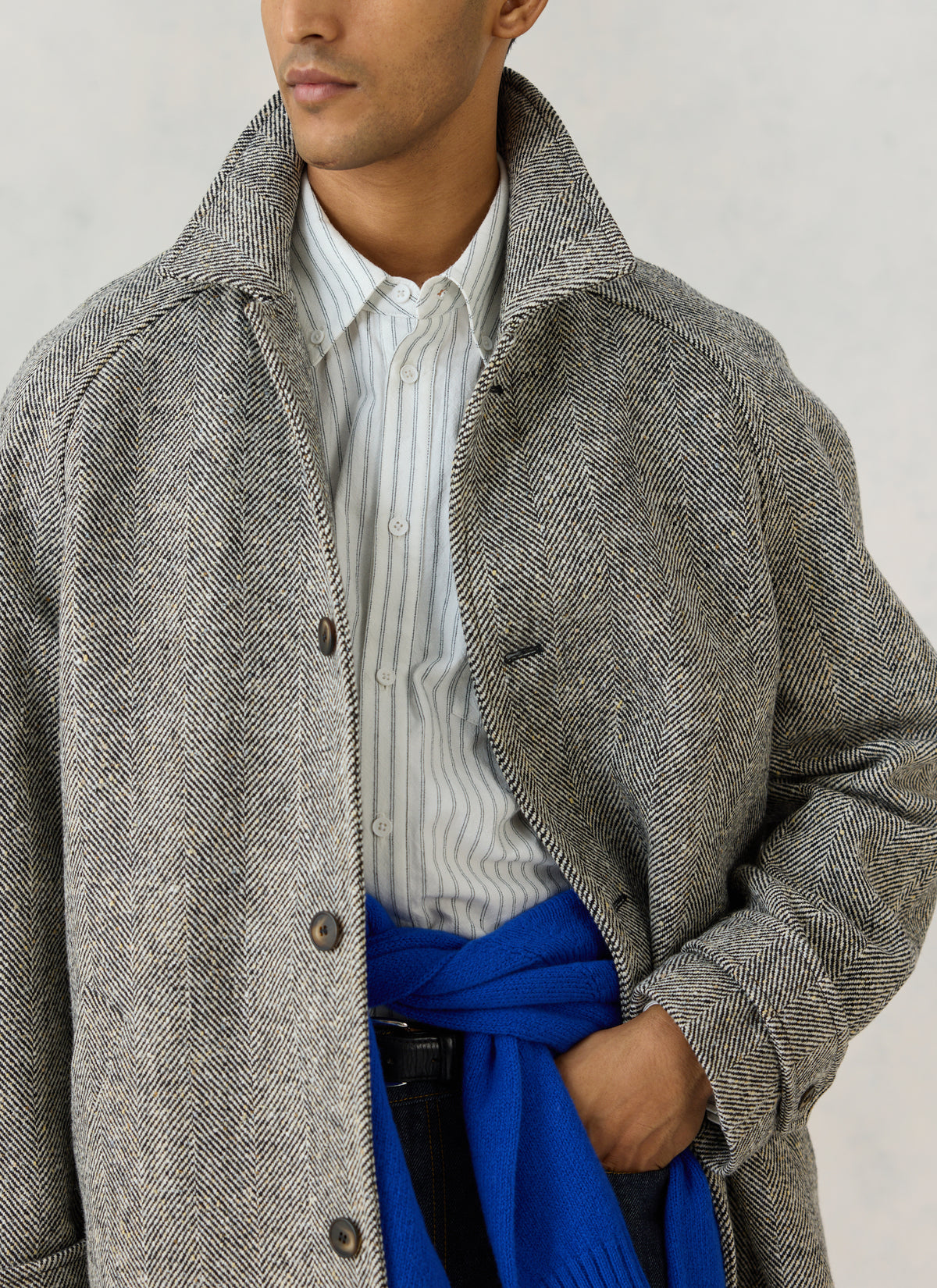
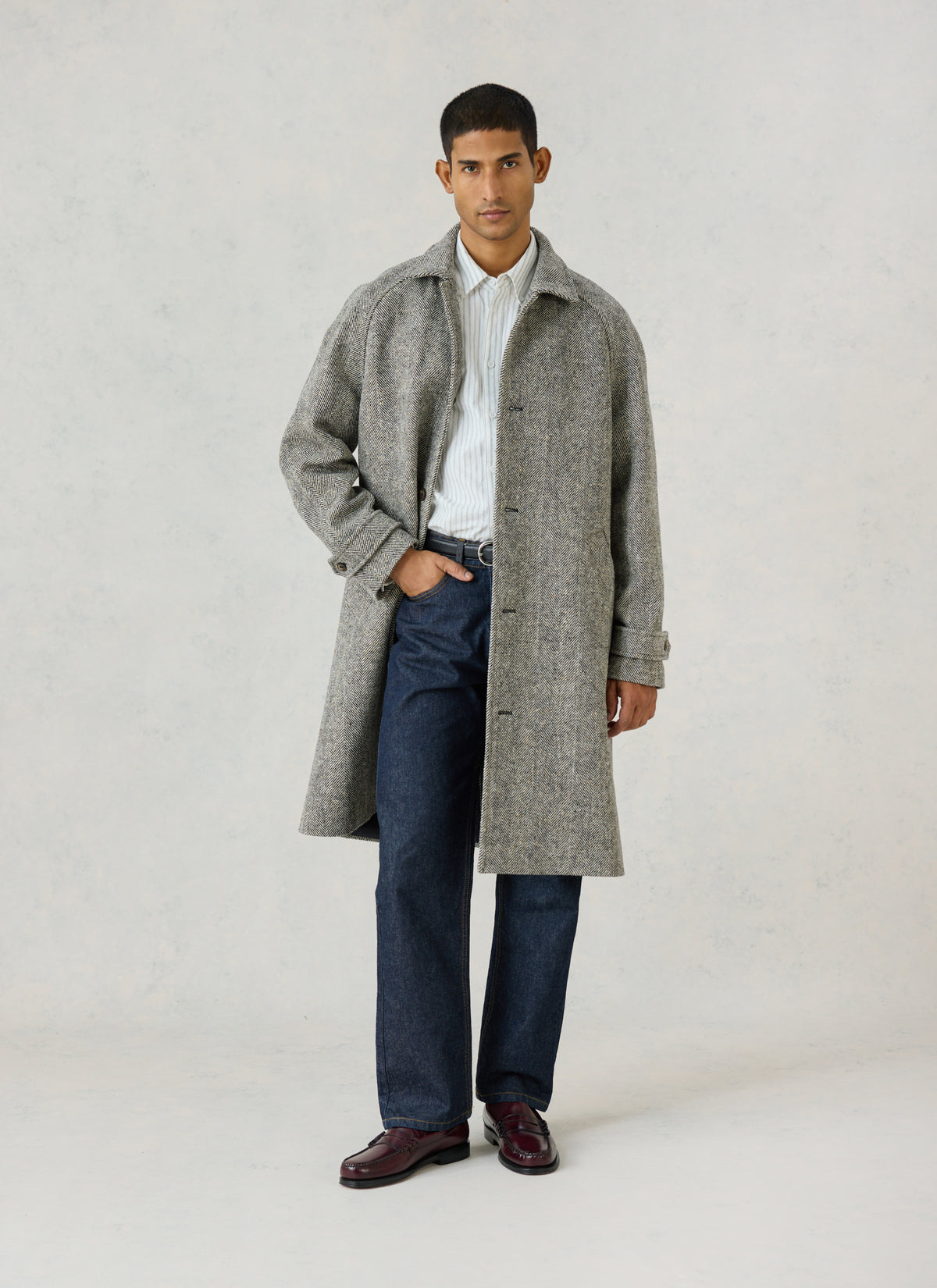
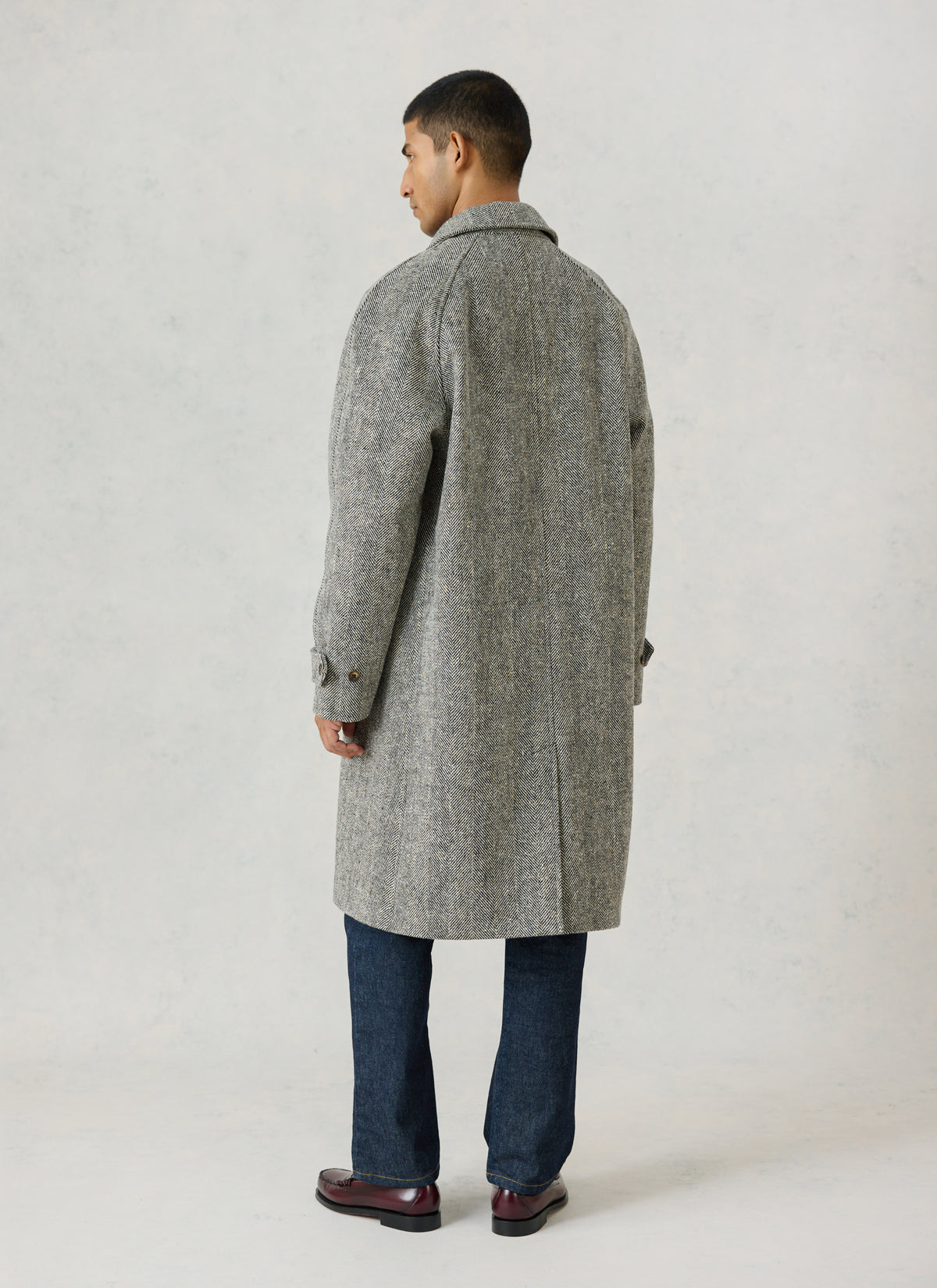
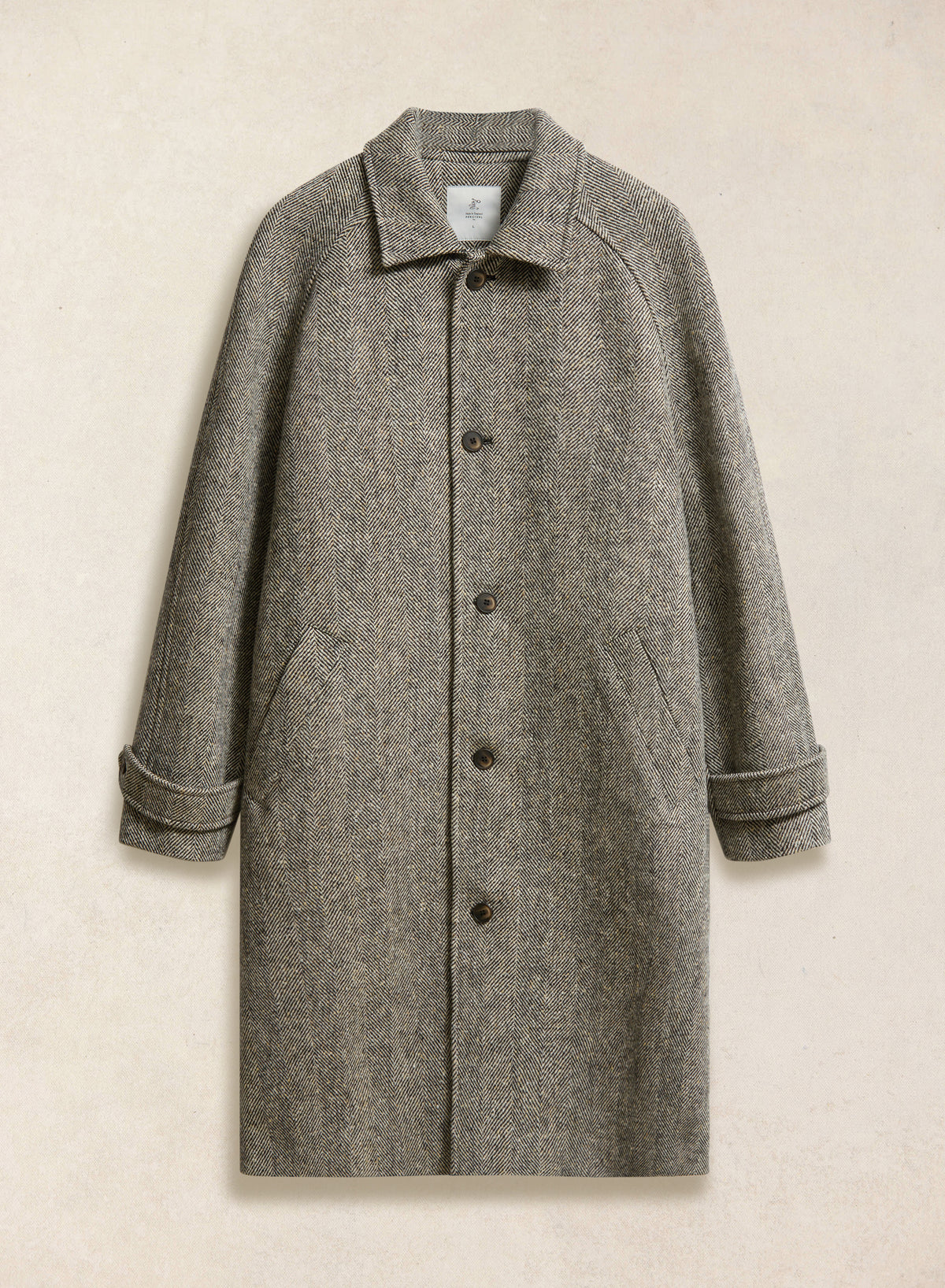
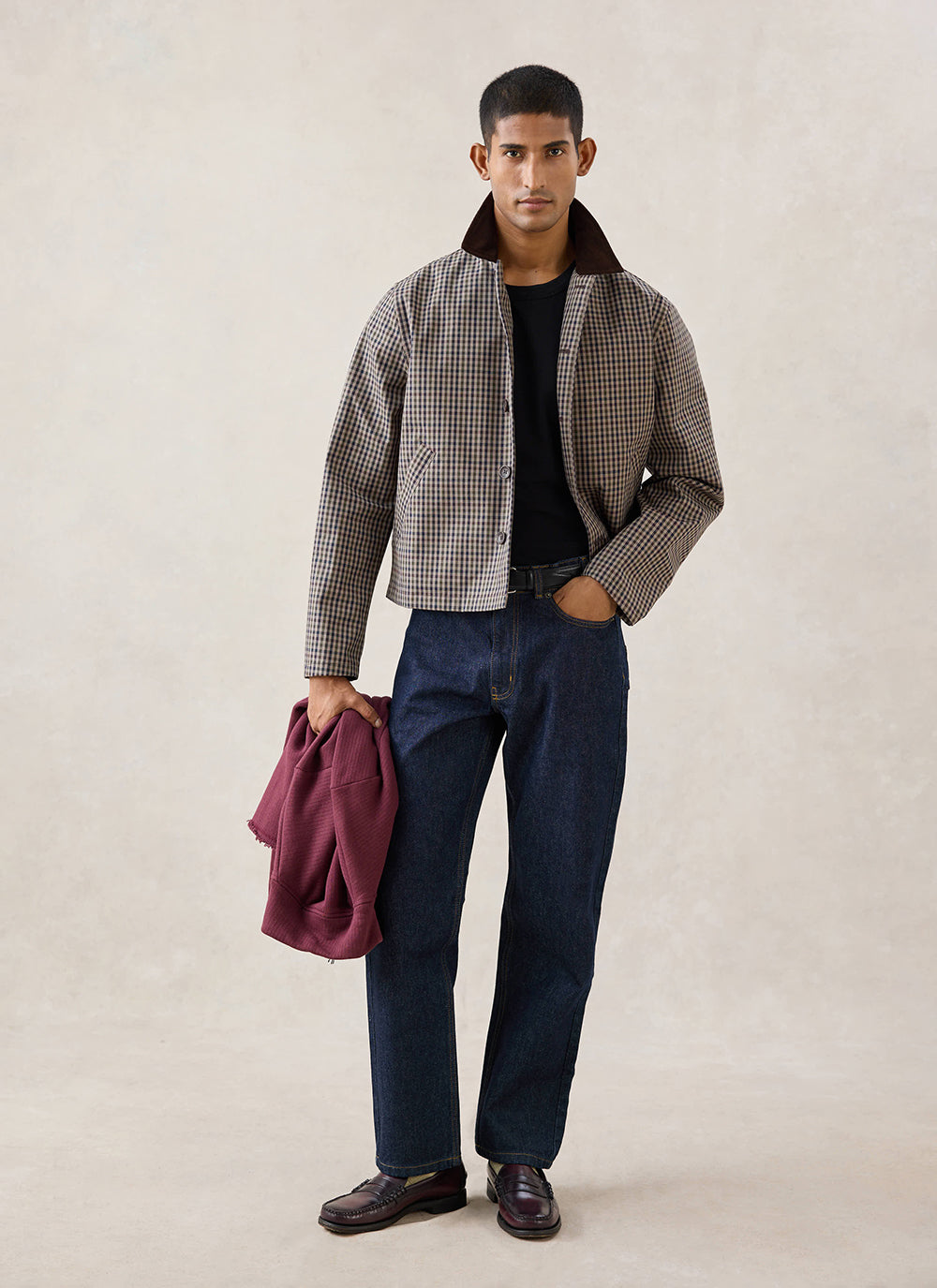
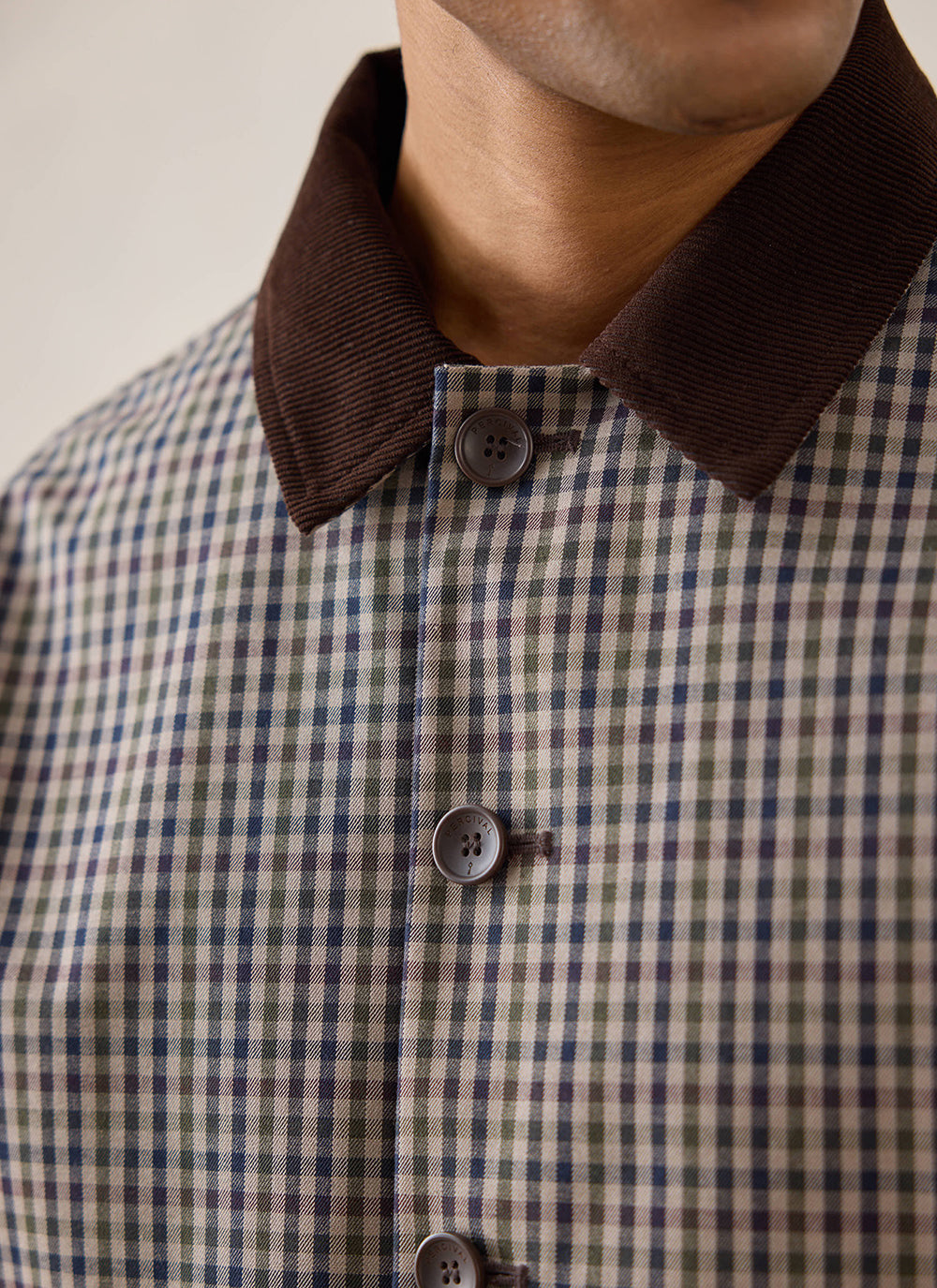
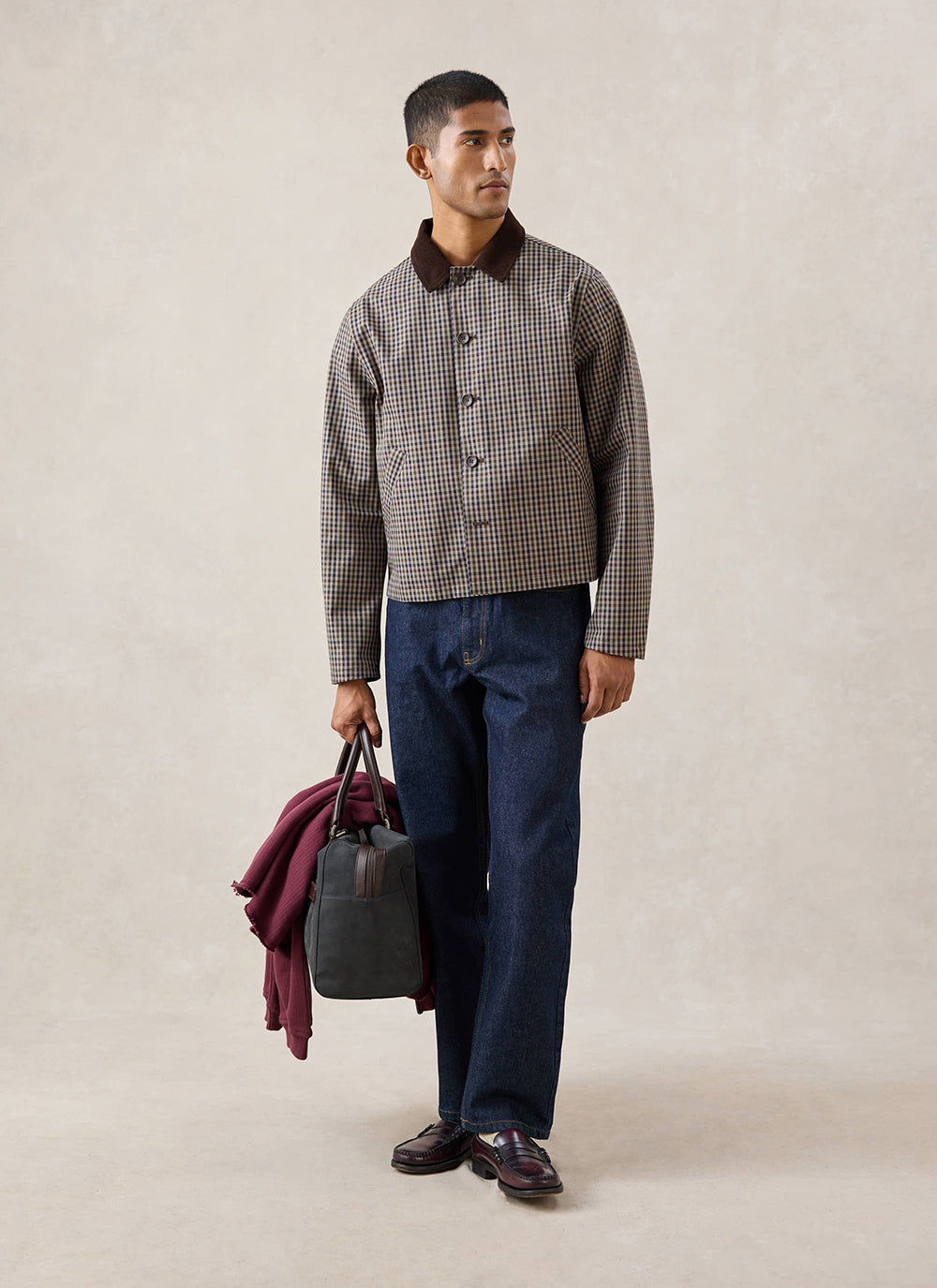
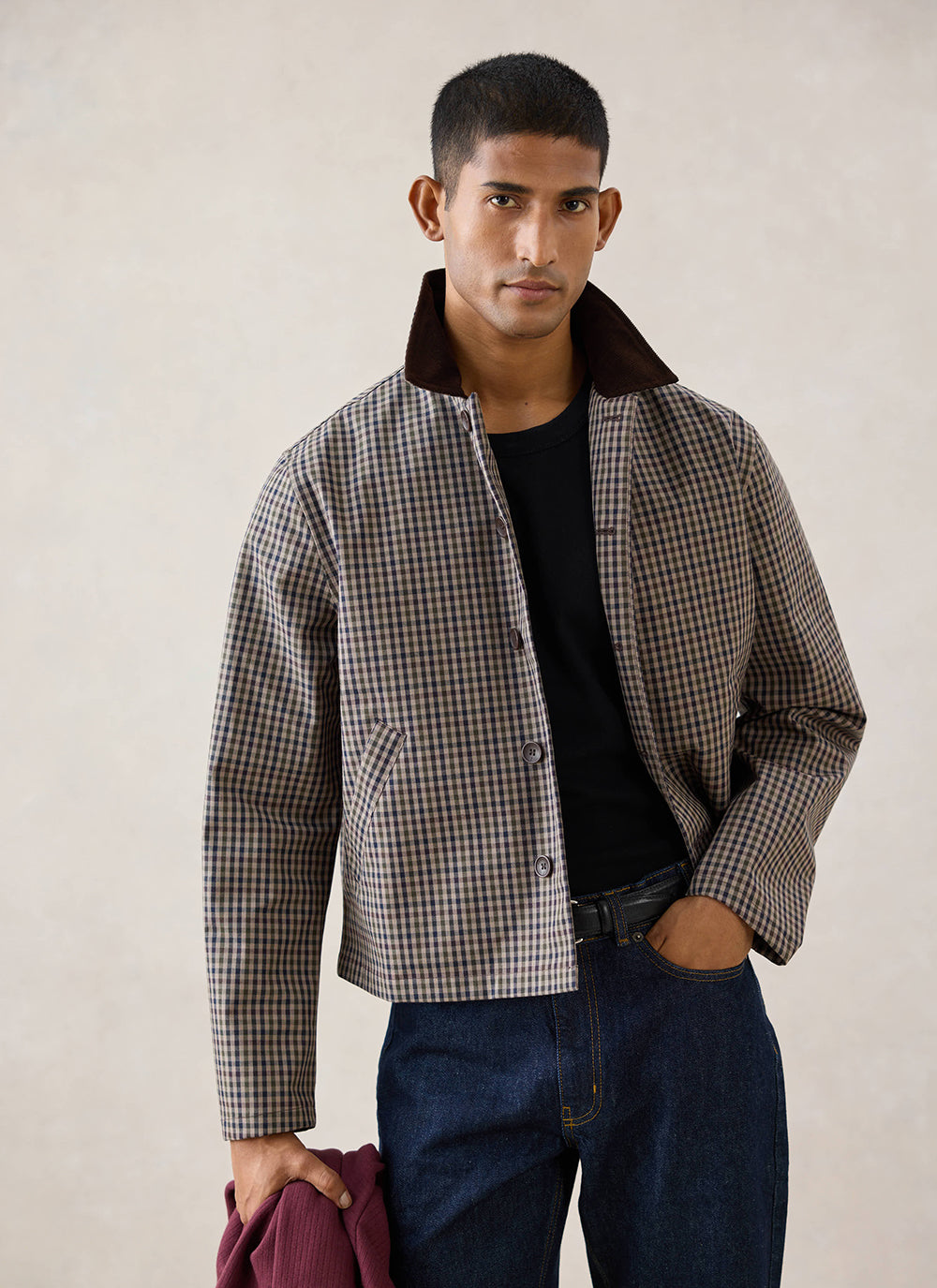
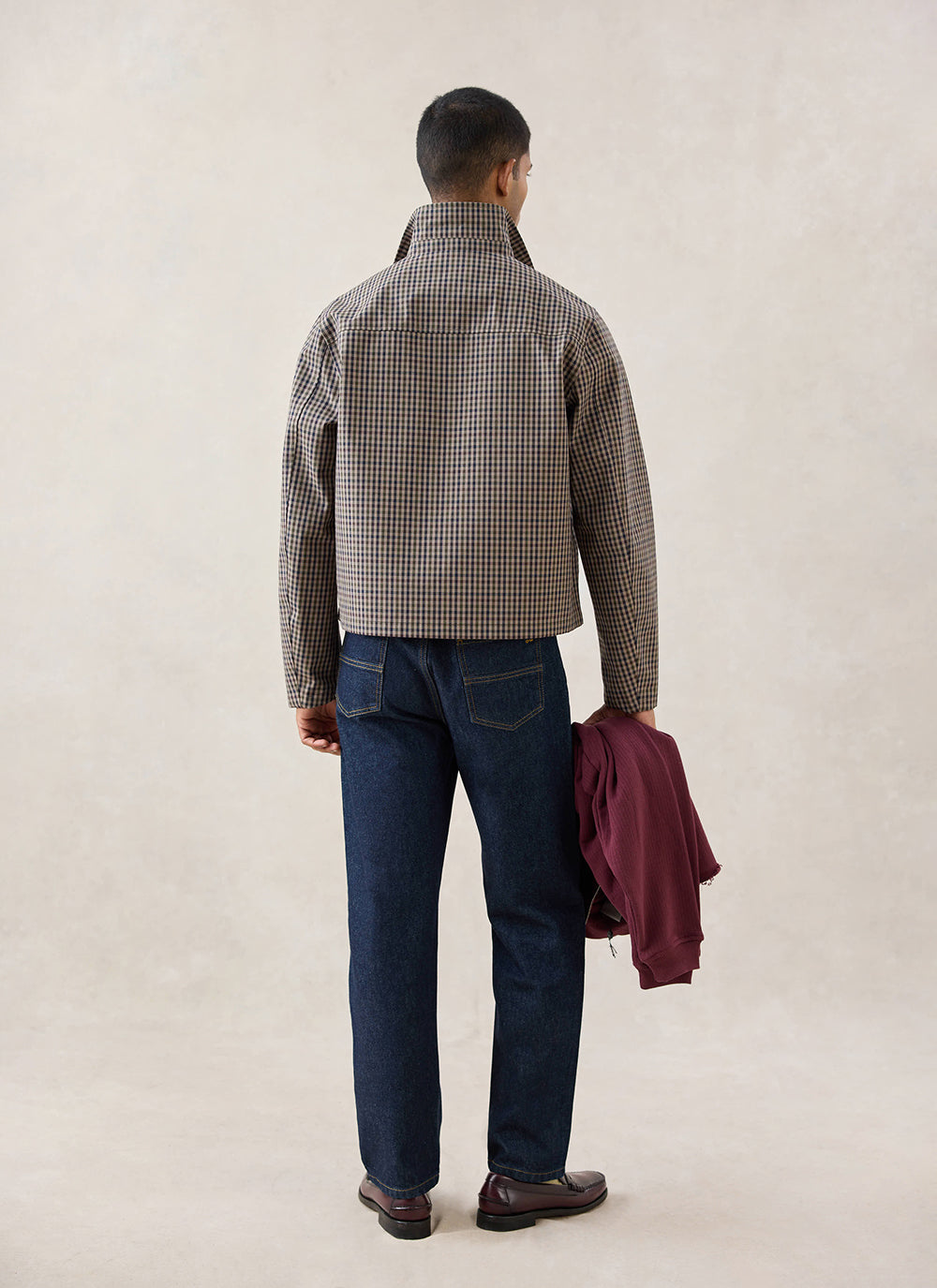
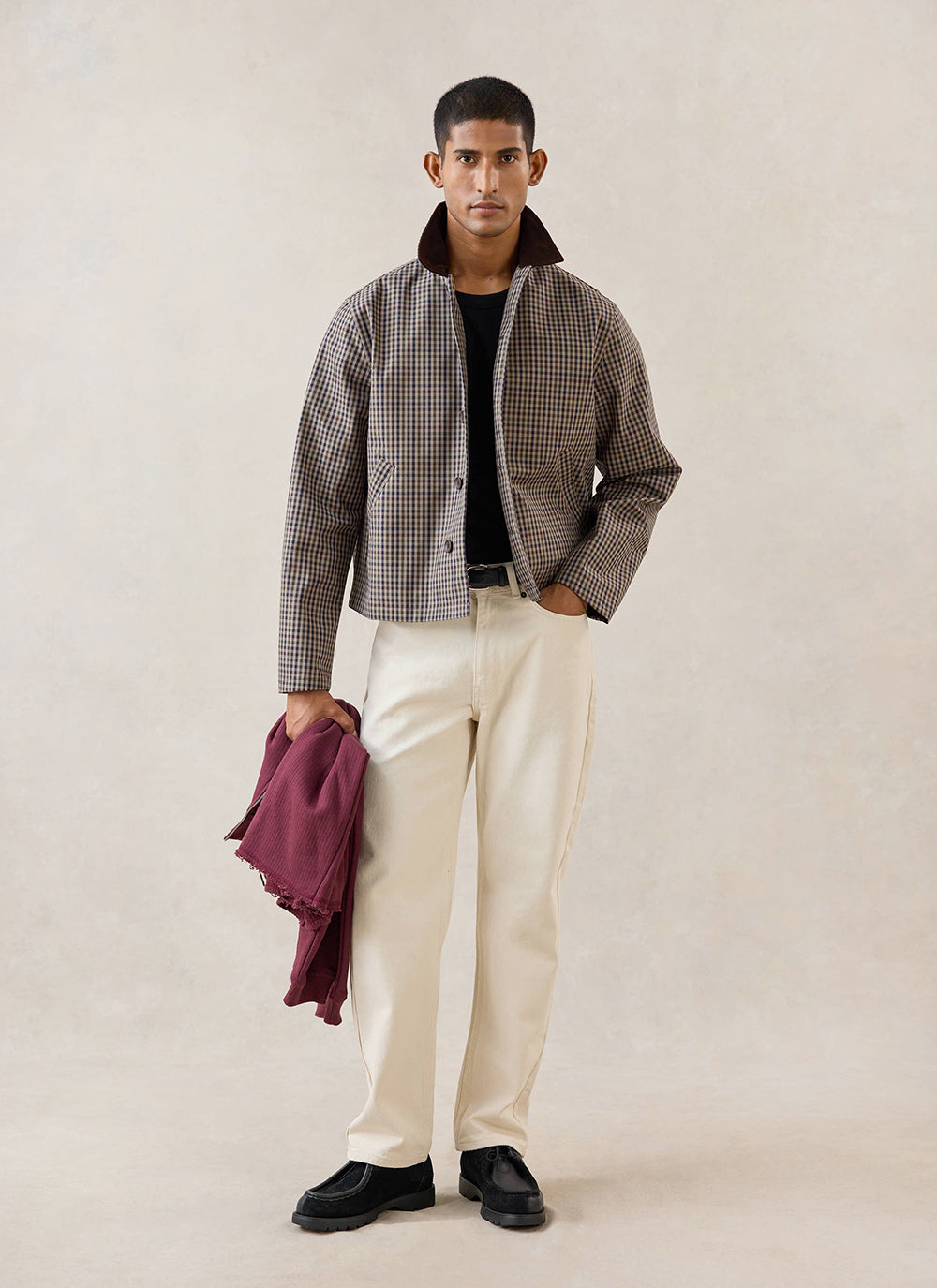
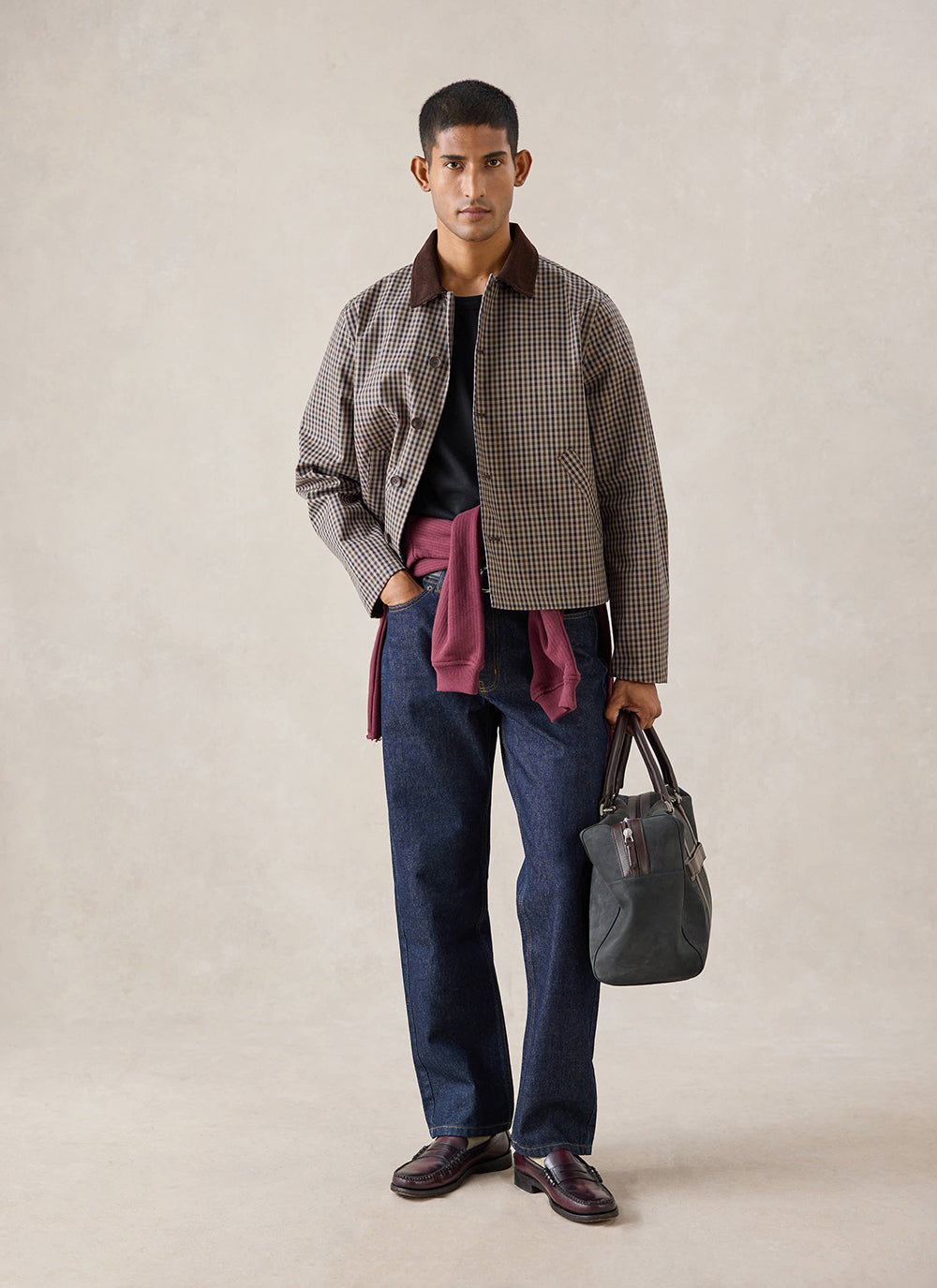
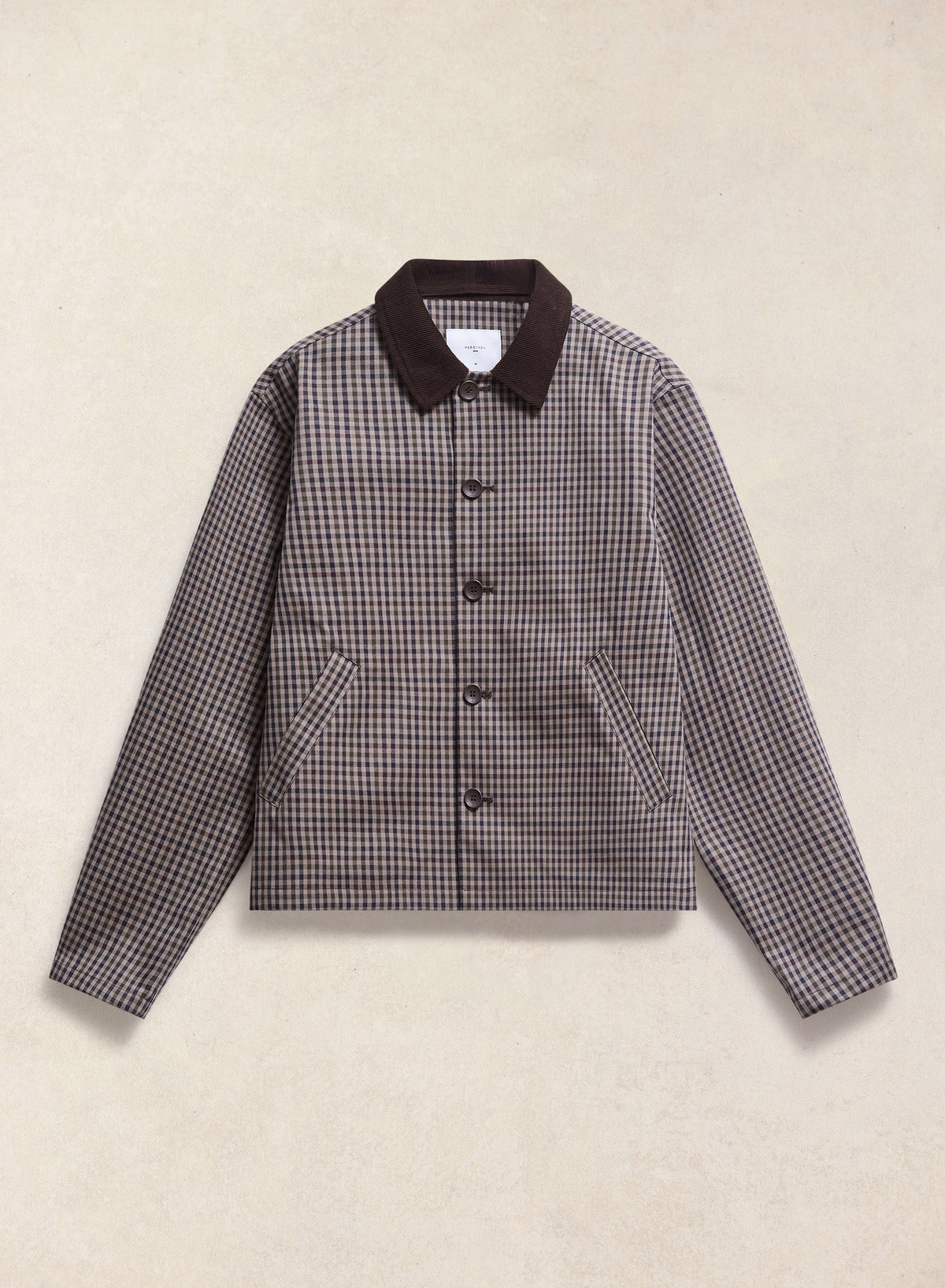
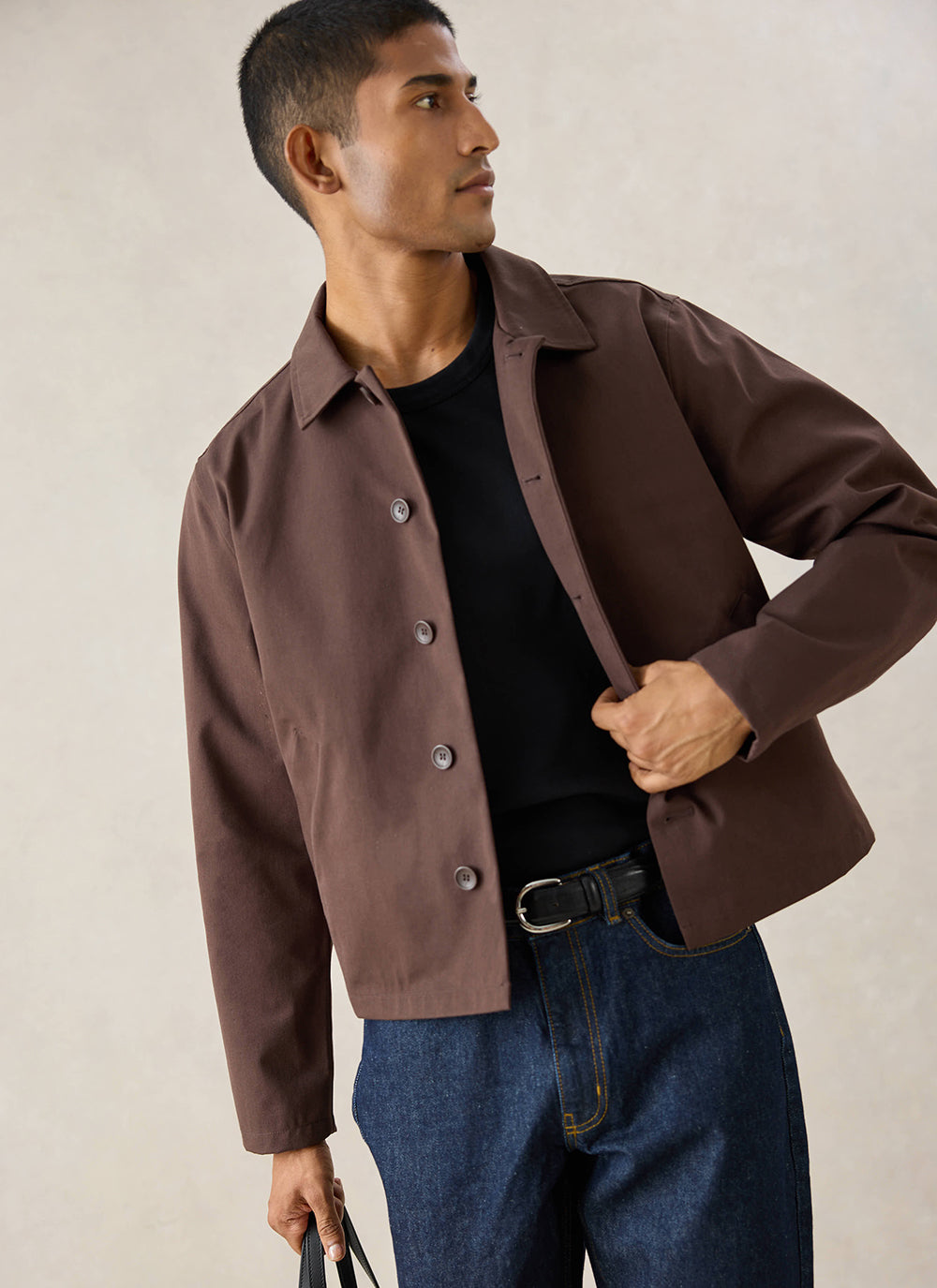
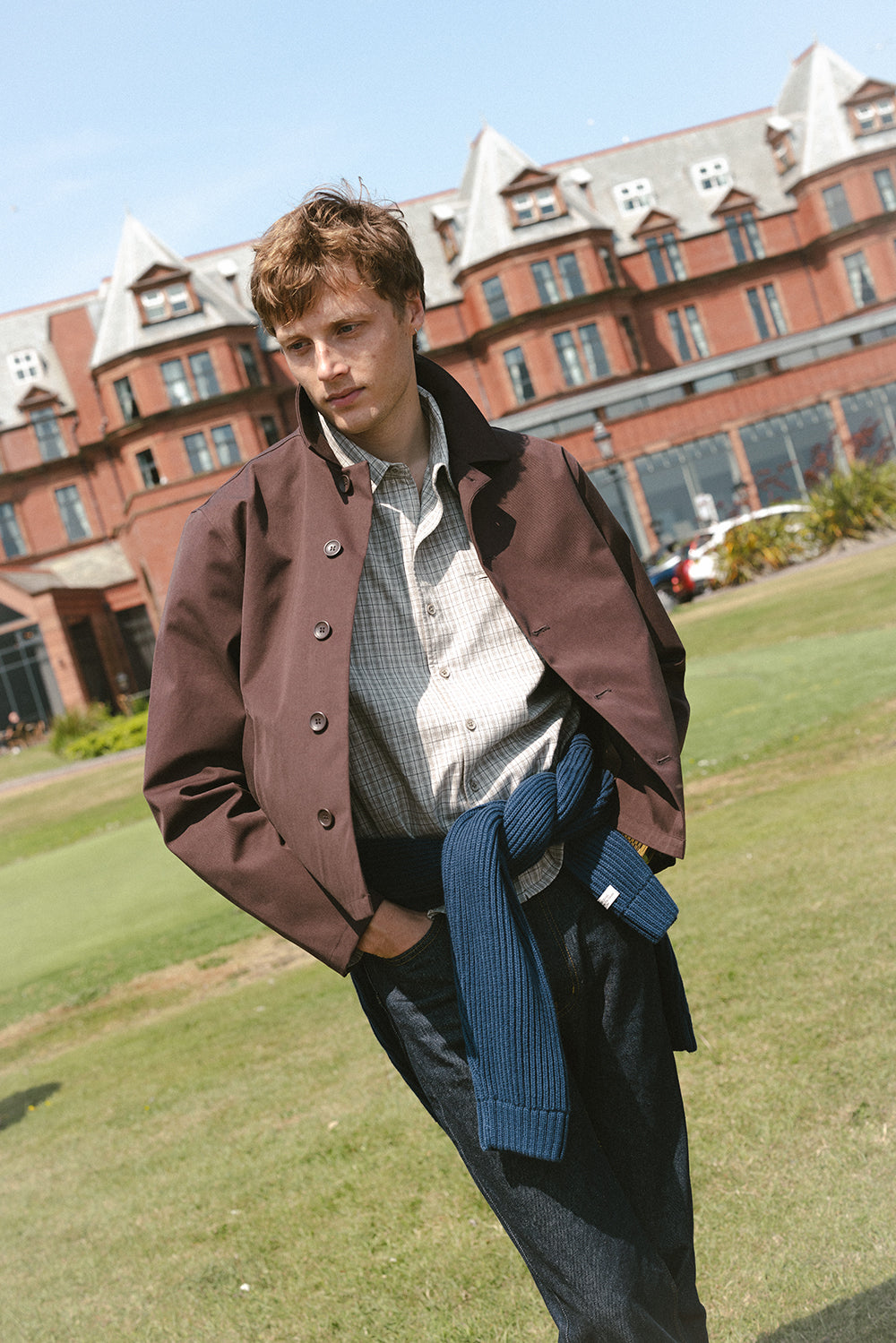
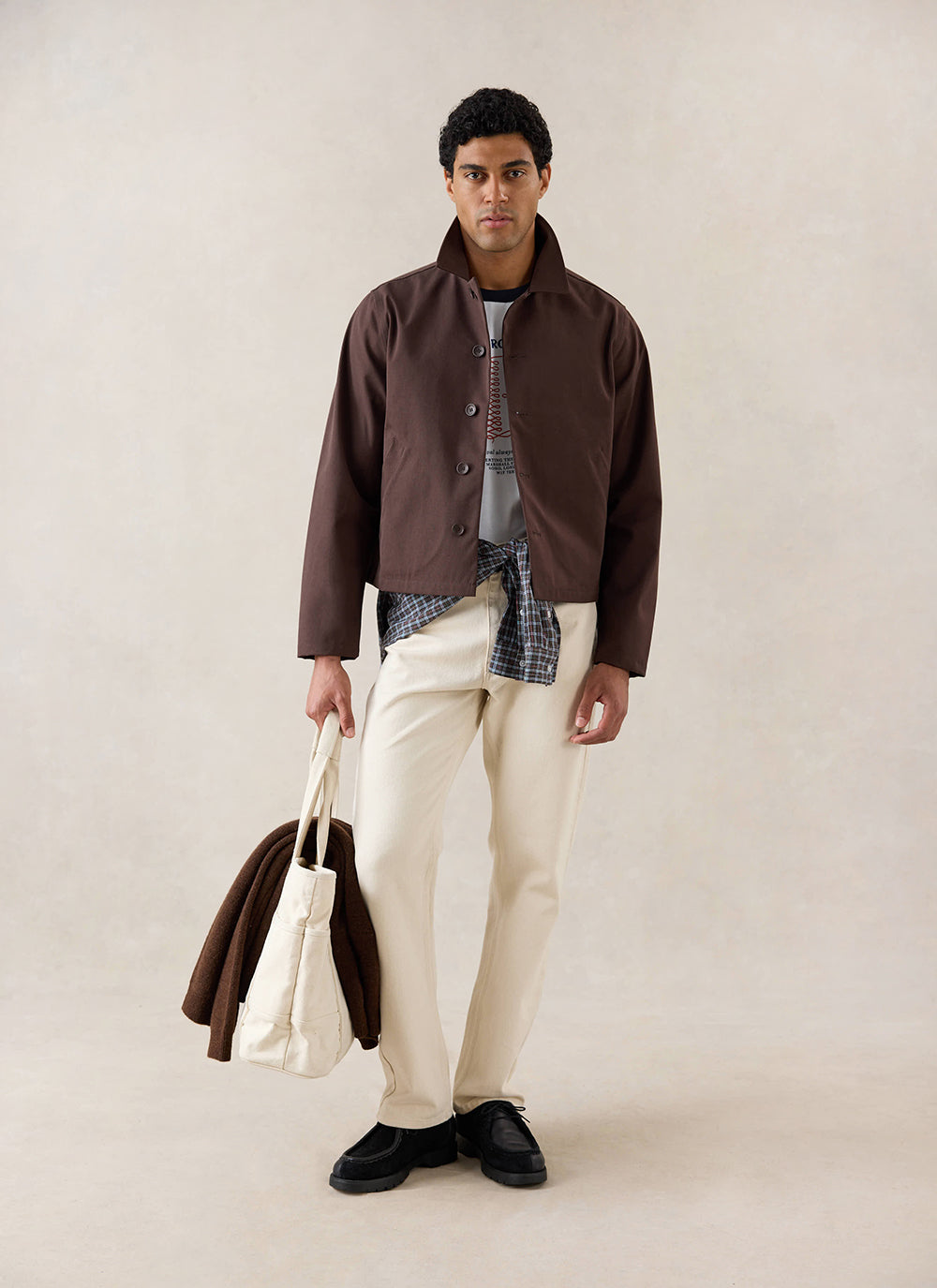
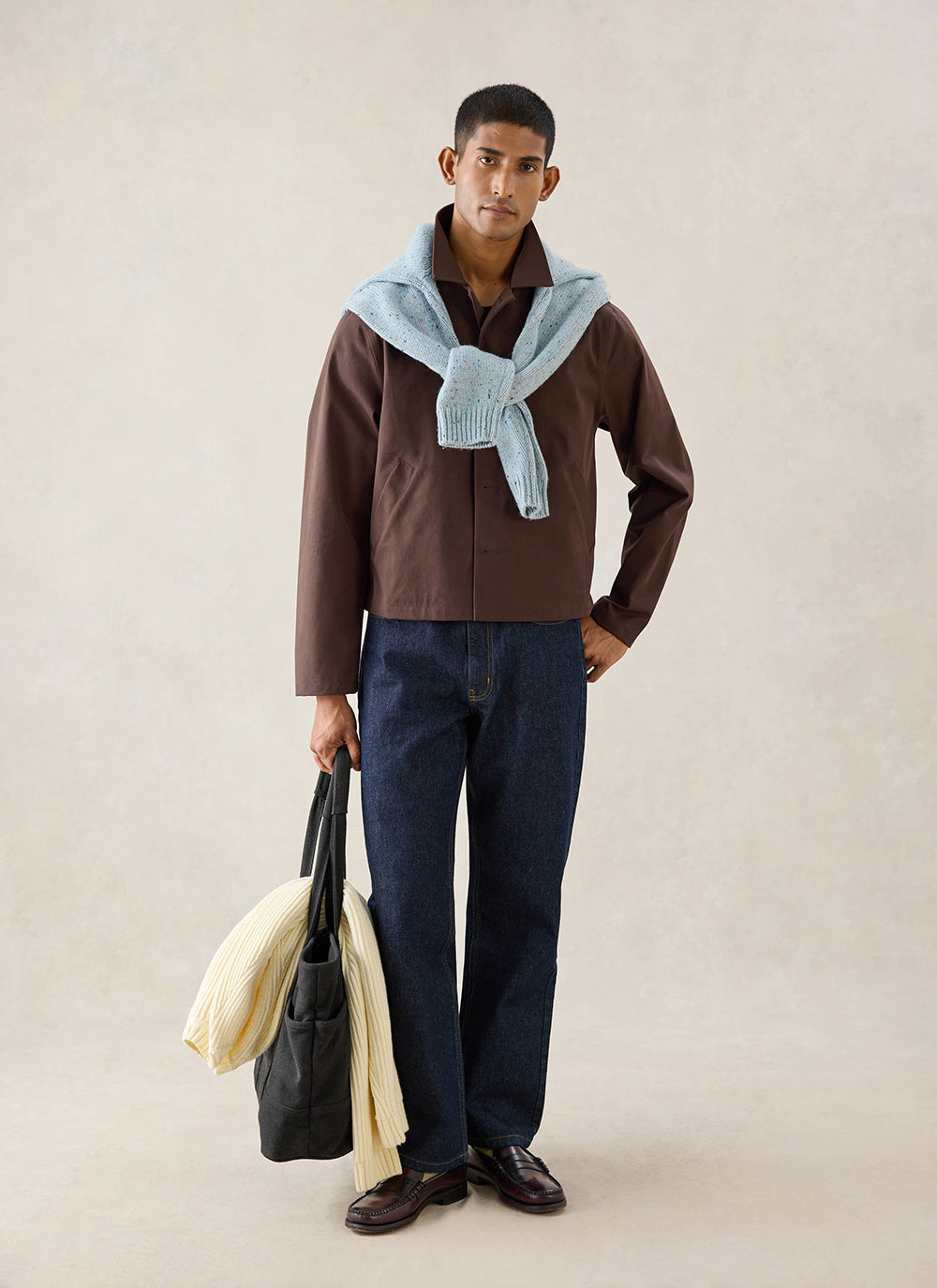
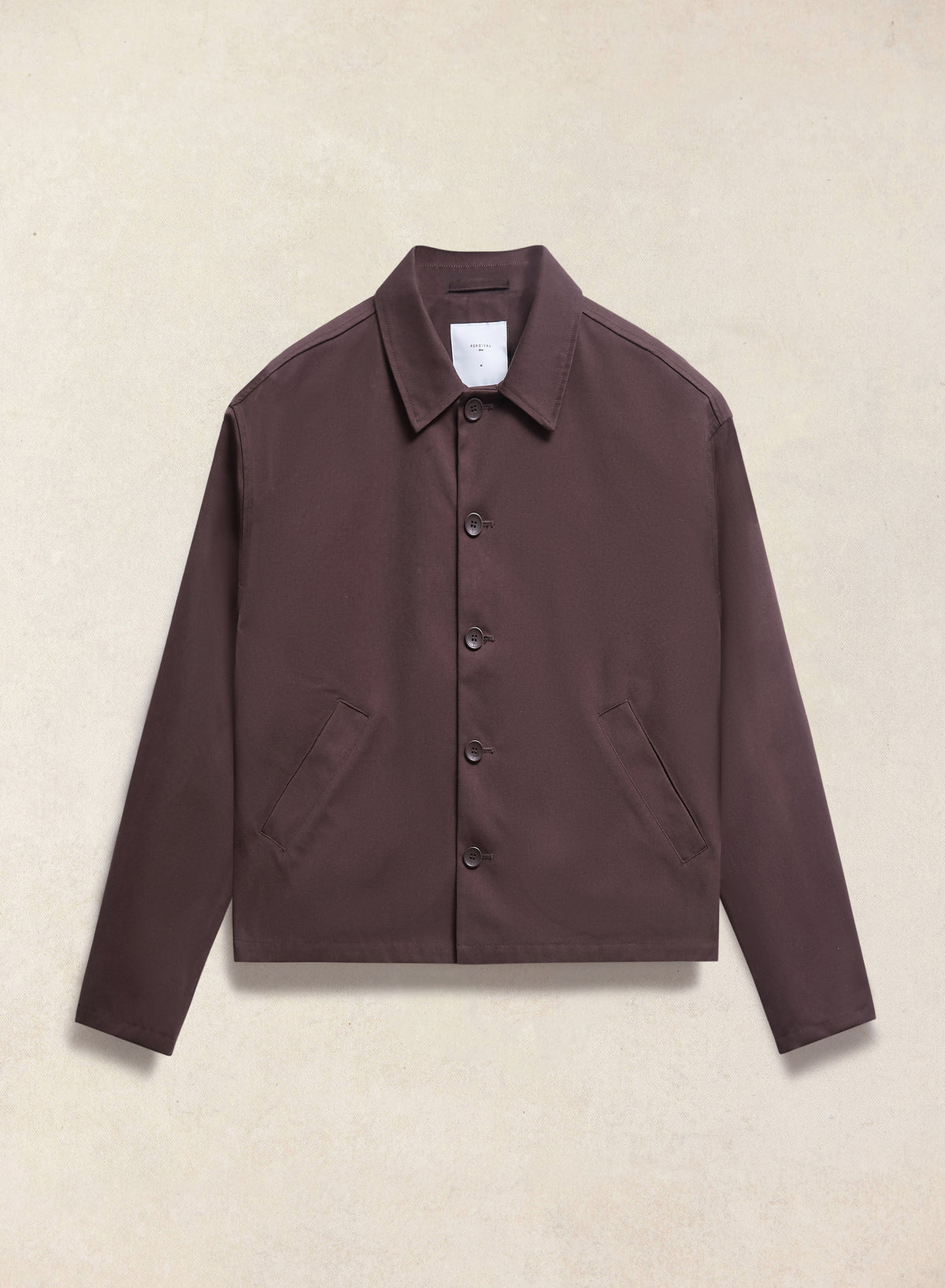


Coats for Men
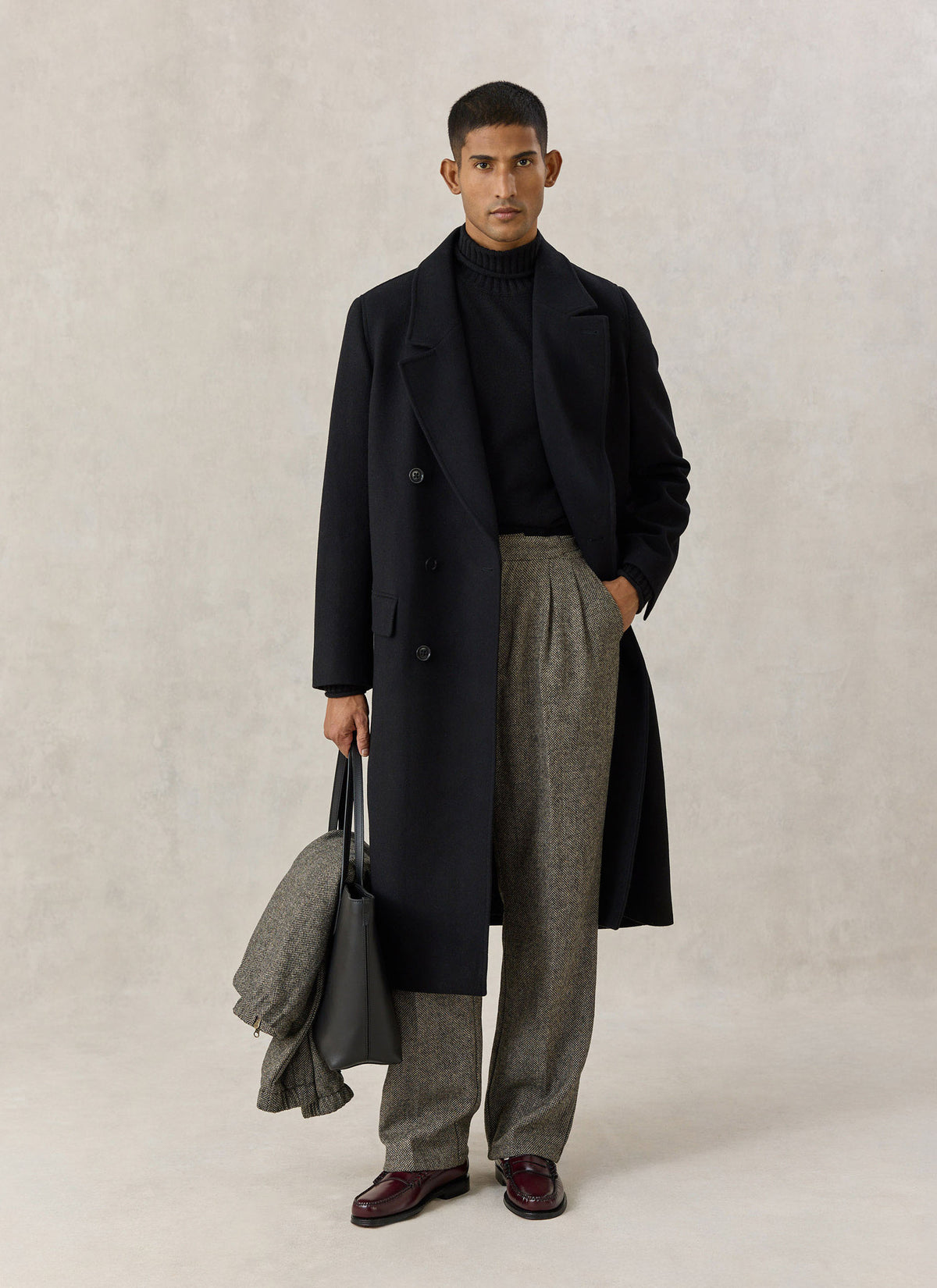
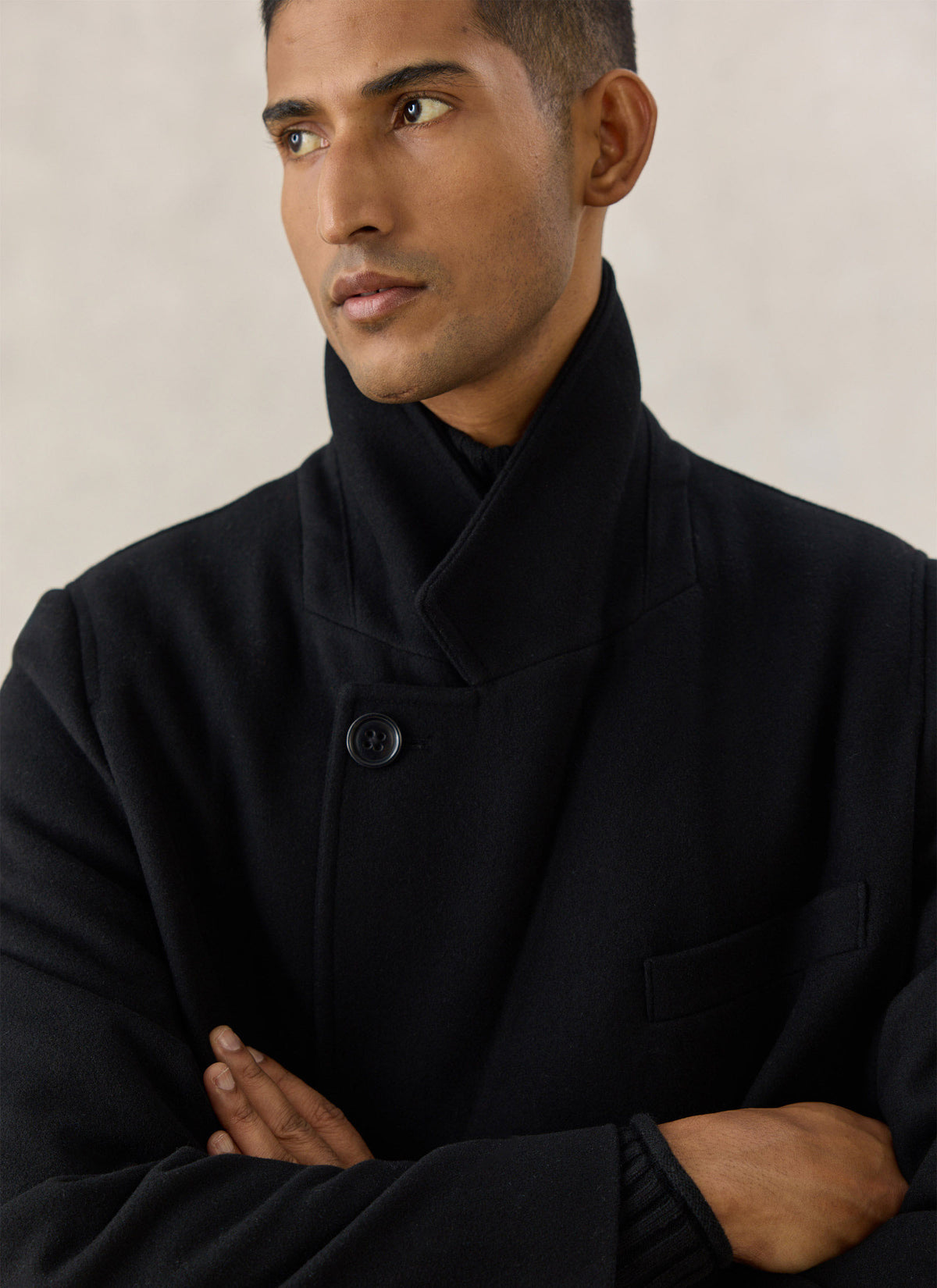
A coat is the outermost layer, cut with enough weight, length and structure to sit over the rest of your wardrobe. Compared with a jacket, it usually offers more coverage and is made from denser fabrics such as wool, melton or technical waterproof cloth.
Men’s Coats for Winter
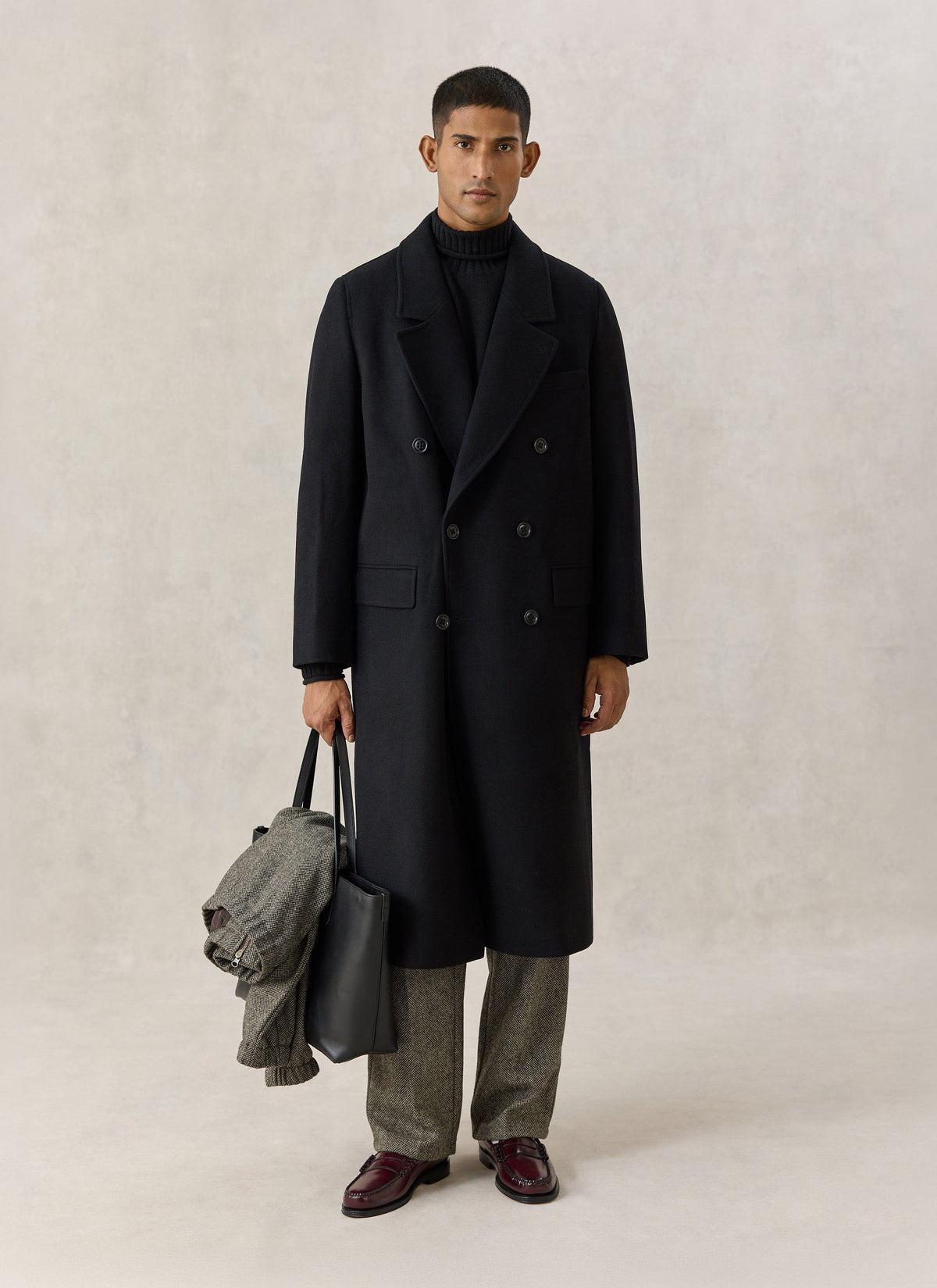
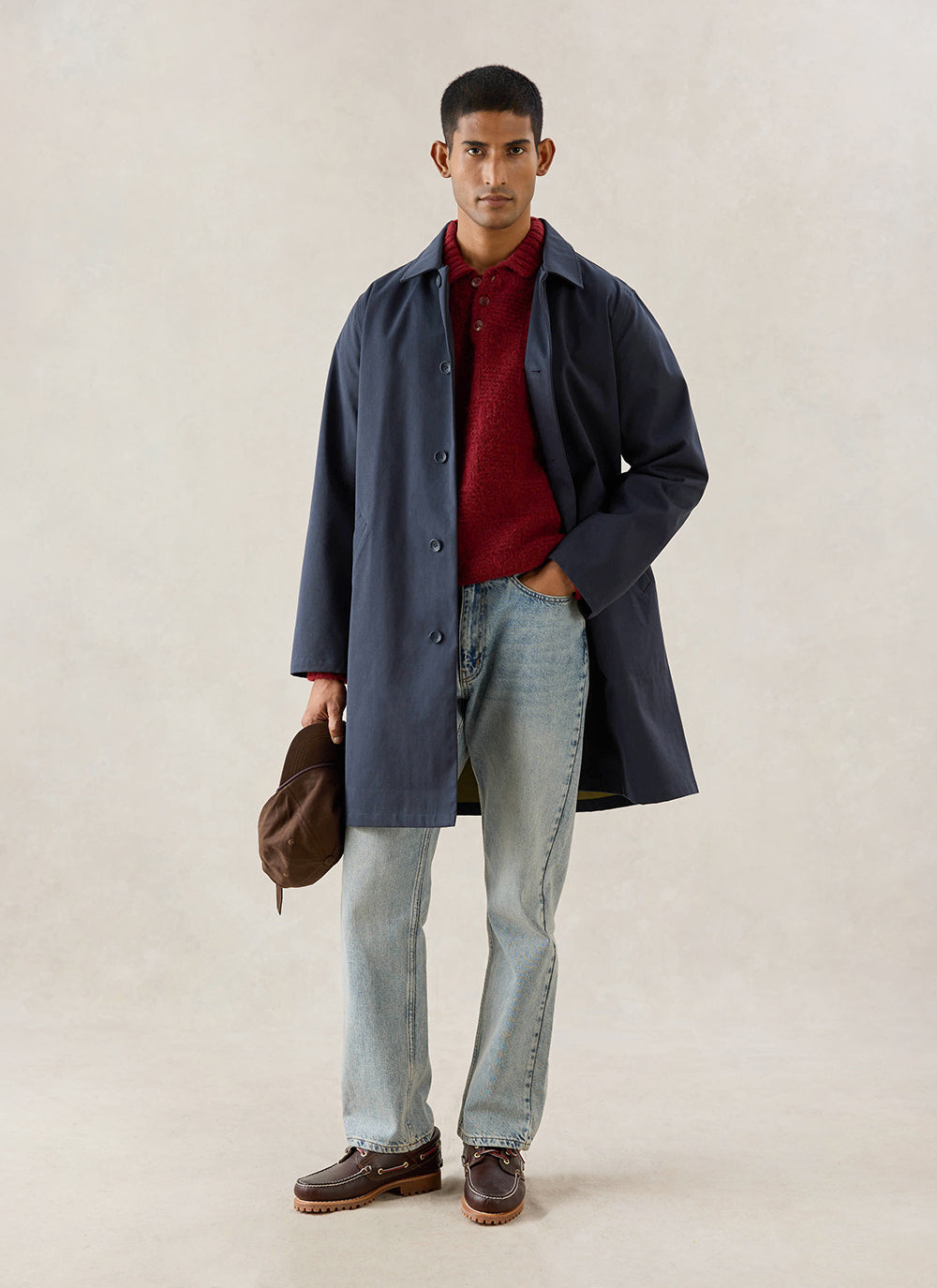
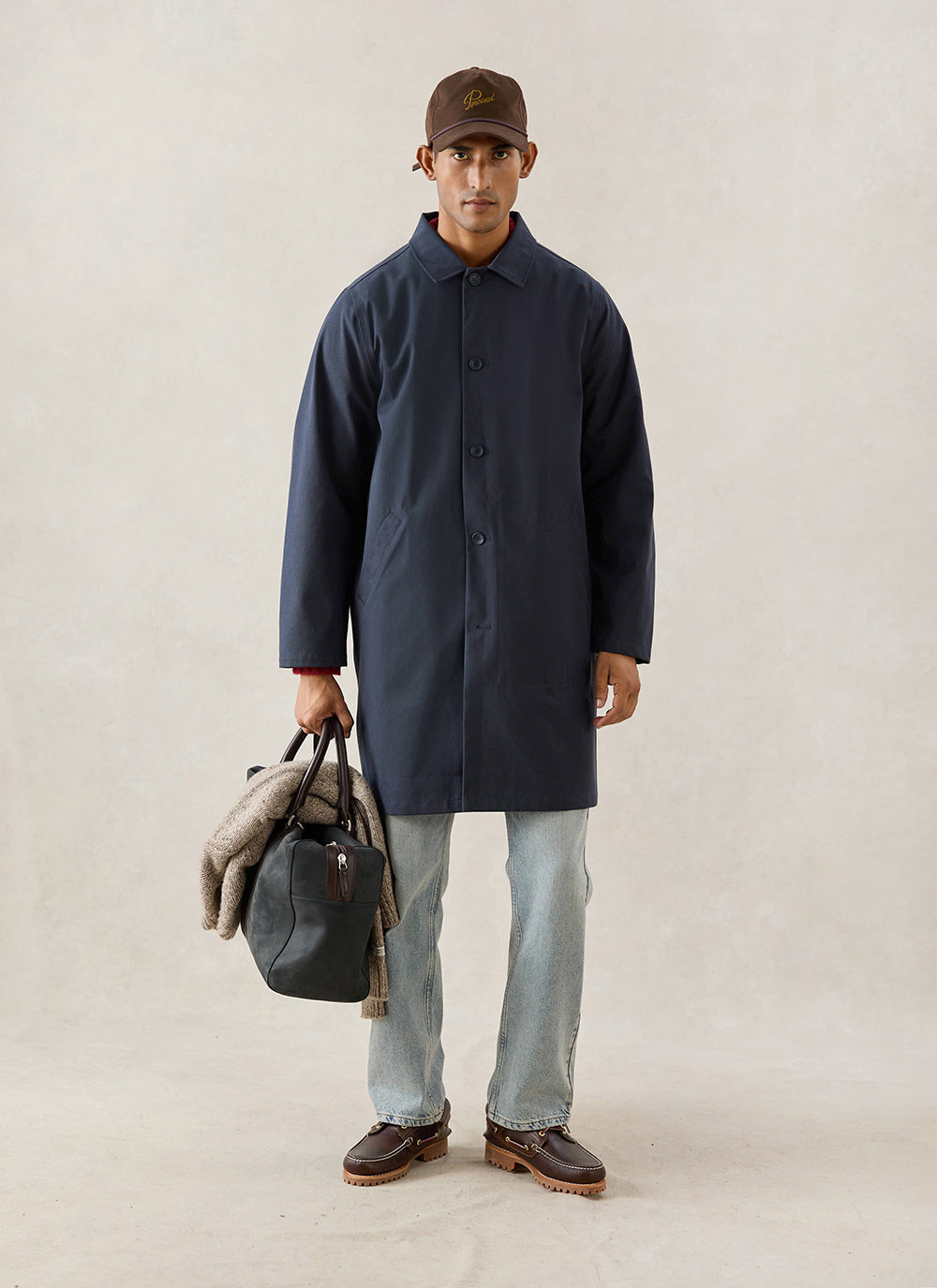
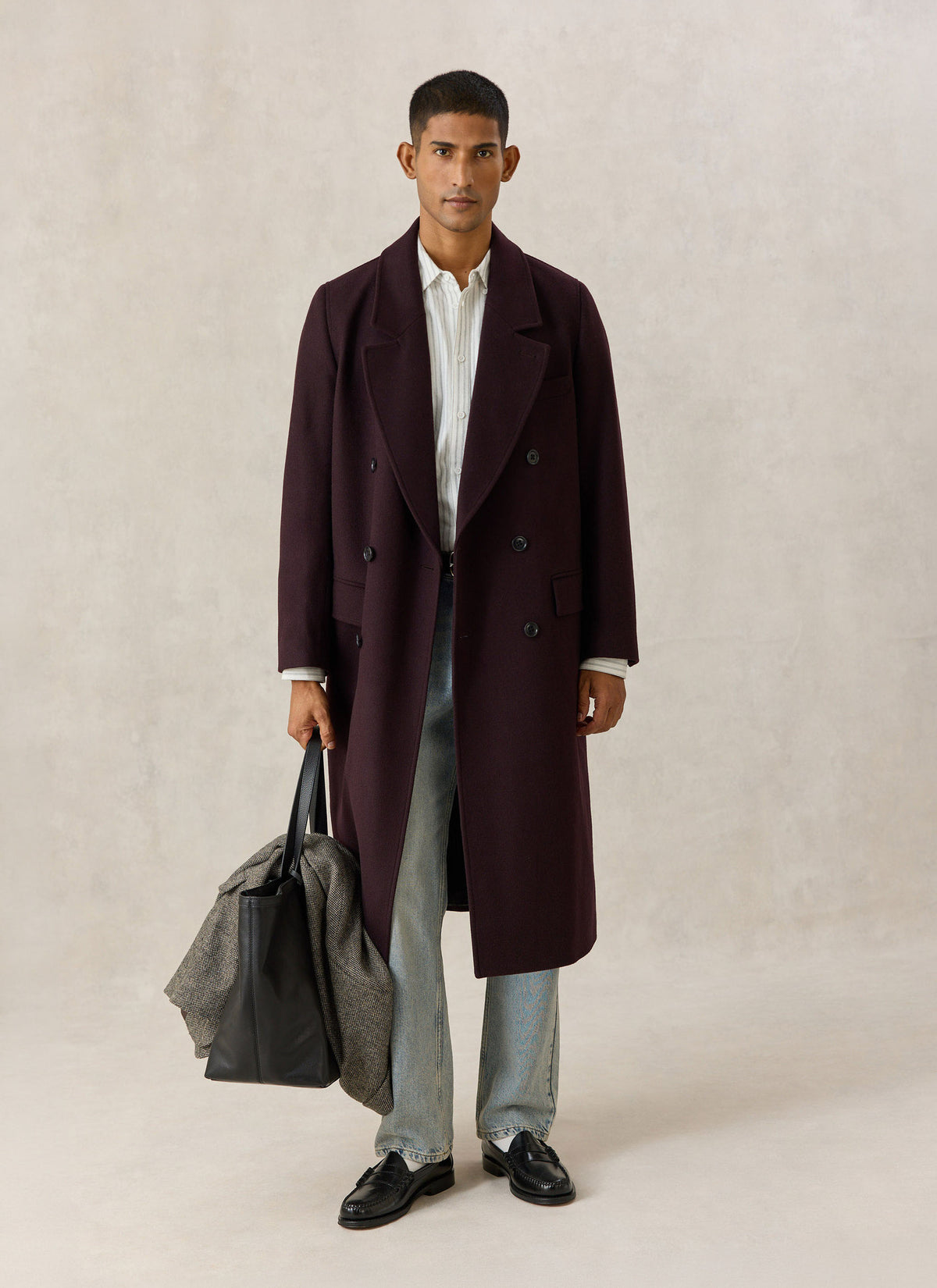
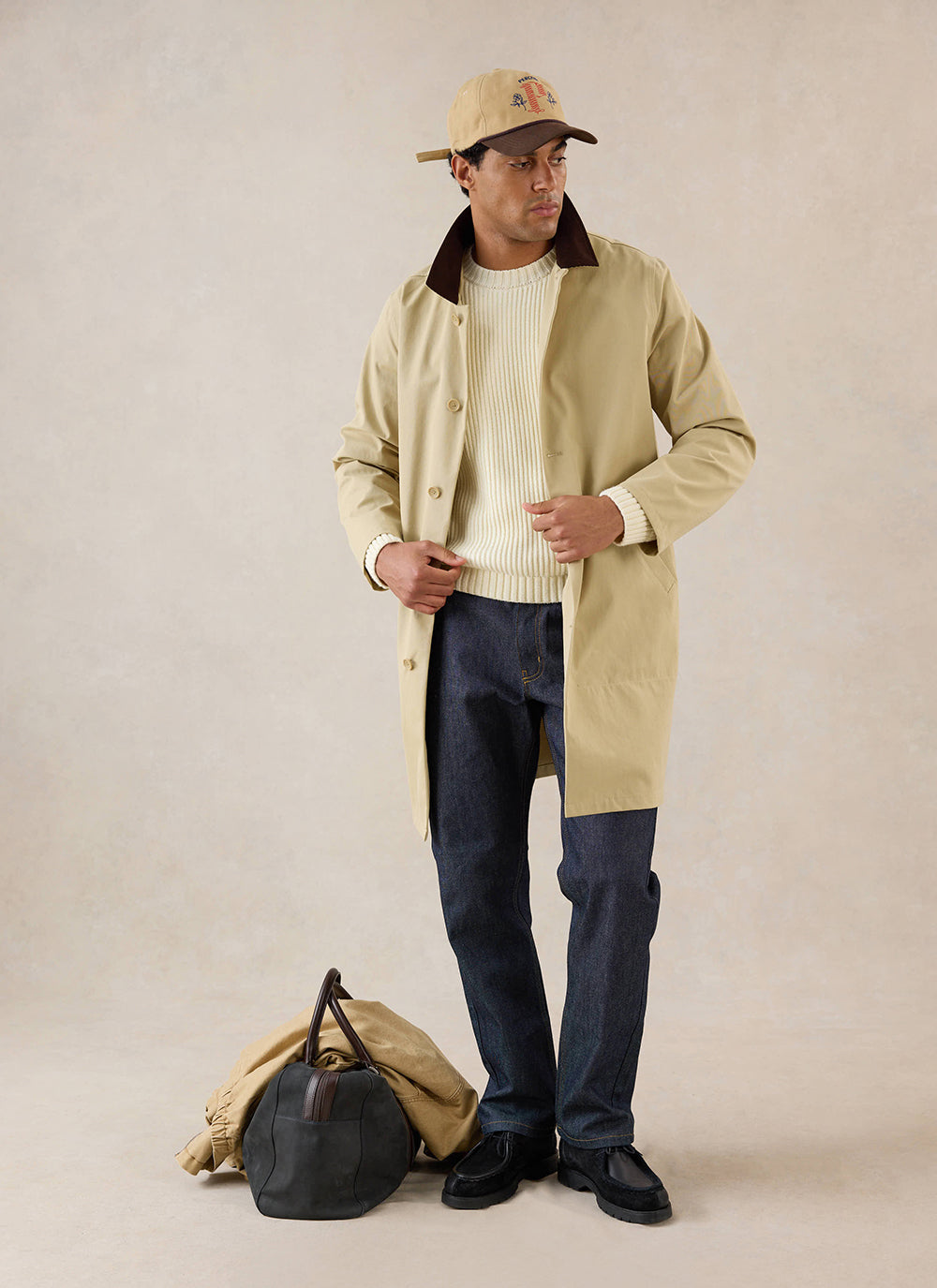
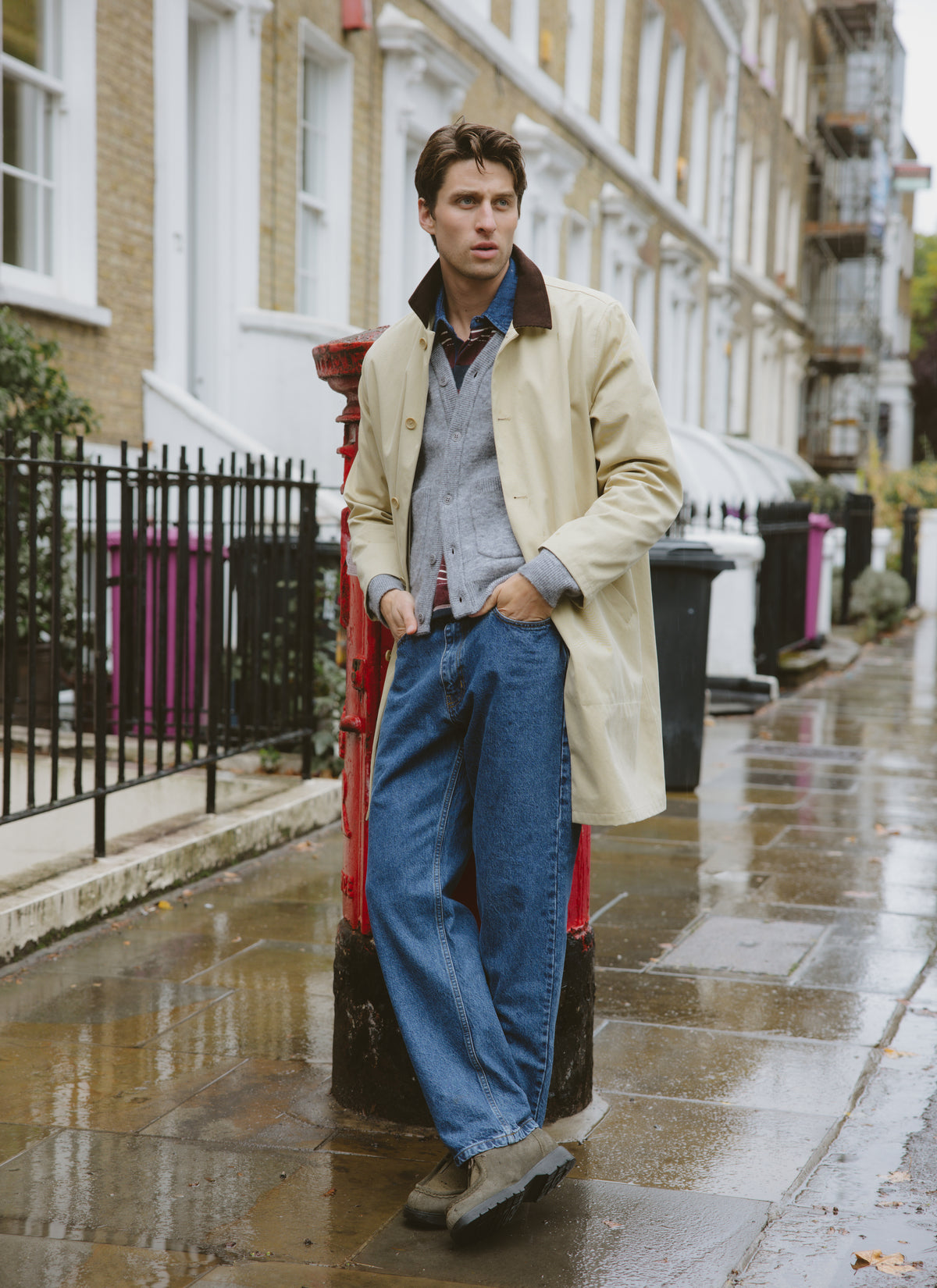
You do not need twelve coats. You need the right coat for the job. For rain, get a Men’s Trench Coat. The Sherlock is shorter and lighter, the Wilson gives you more length, and the Carter crops the whole operation for something a bit punchier. All useful. All considerably better than an umbrella turning inside out on Mare Street. When winter really sets in, wool wins. A Men’s Peacoat gives you heavyweight warmth in a shorter cut. A Men’s Overcoat gives you more coverage and room for knitwear or tailoring. If you only own one long men’s coat, make it a good wool overcoat. There, we’ve said it.
Waterproof vs Wool Coats
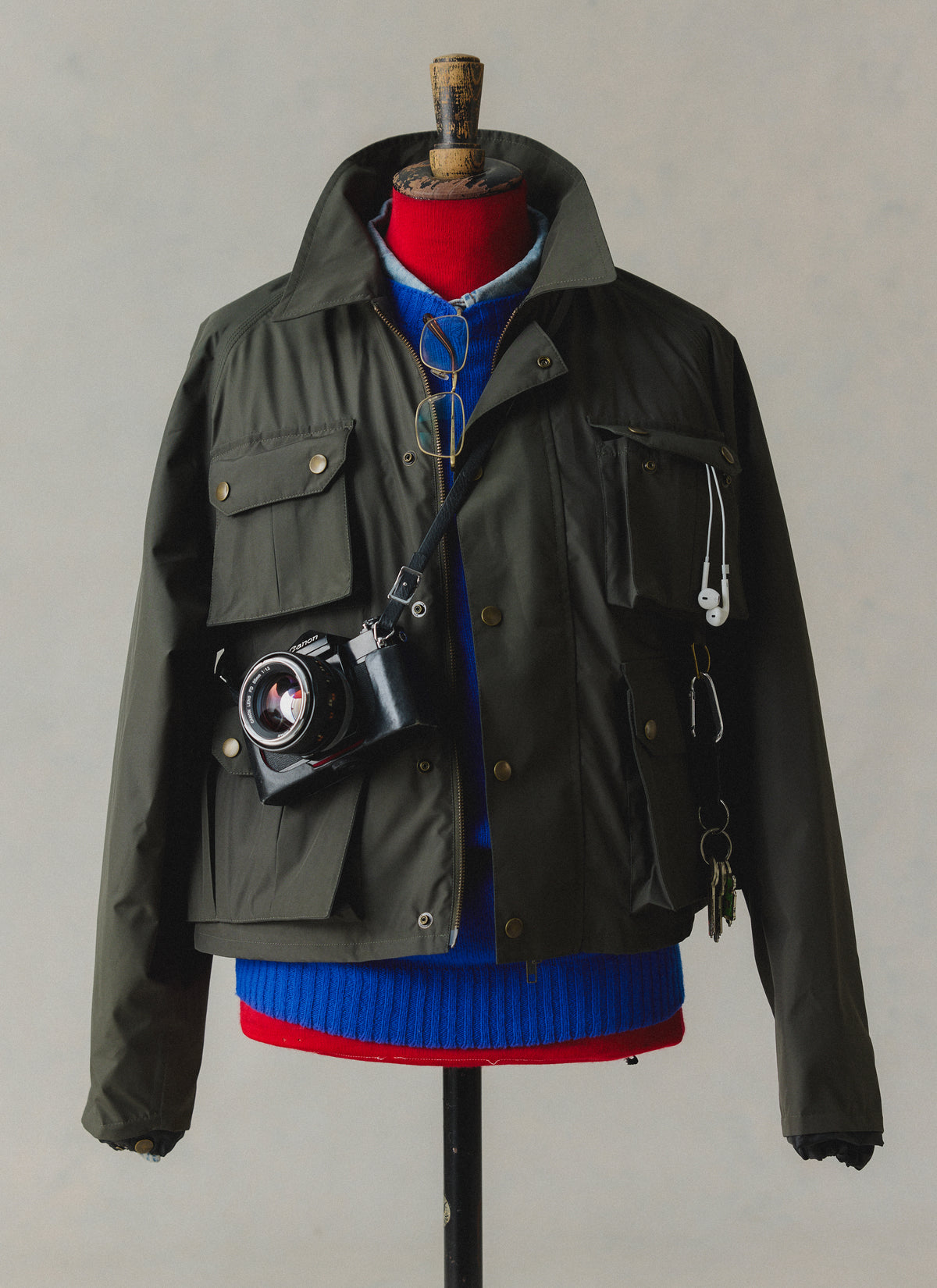
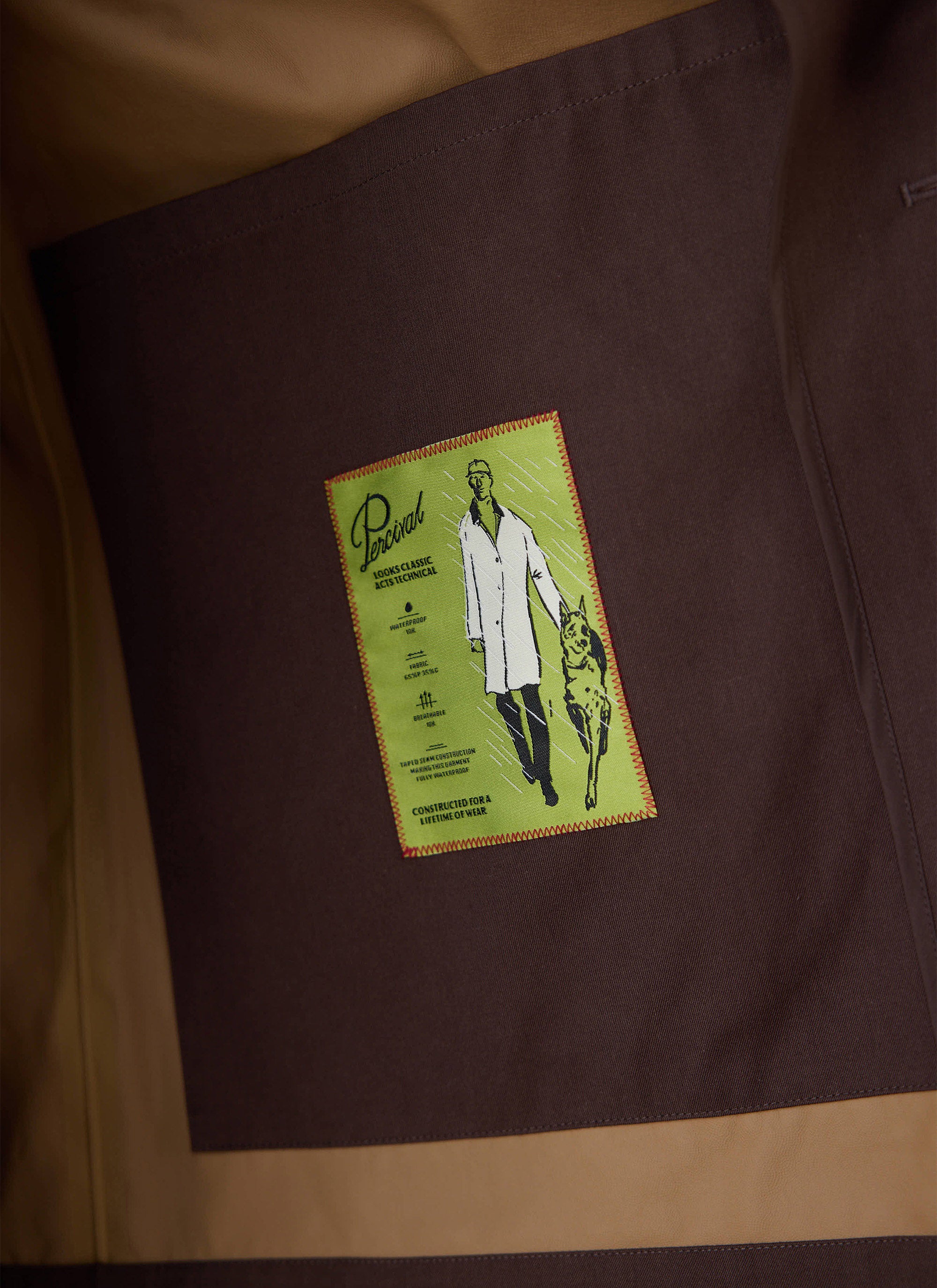
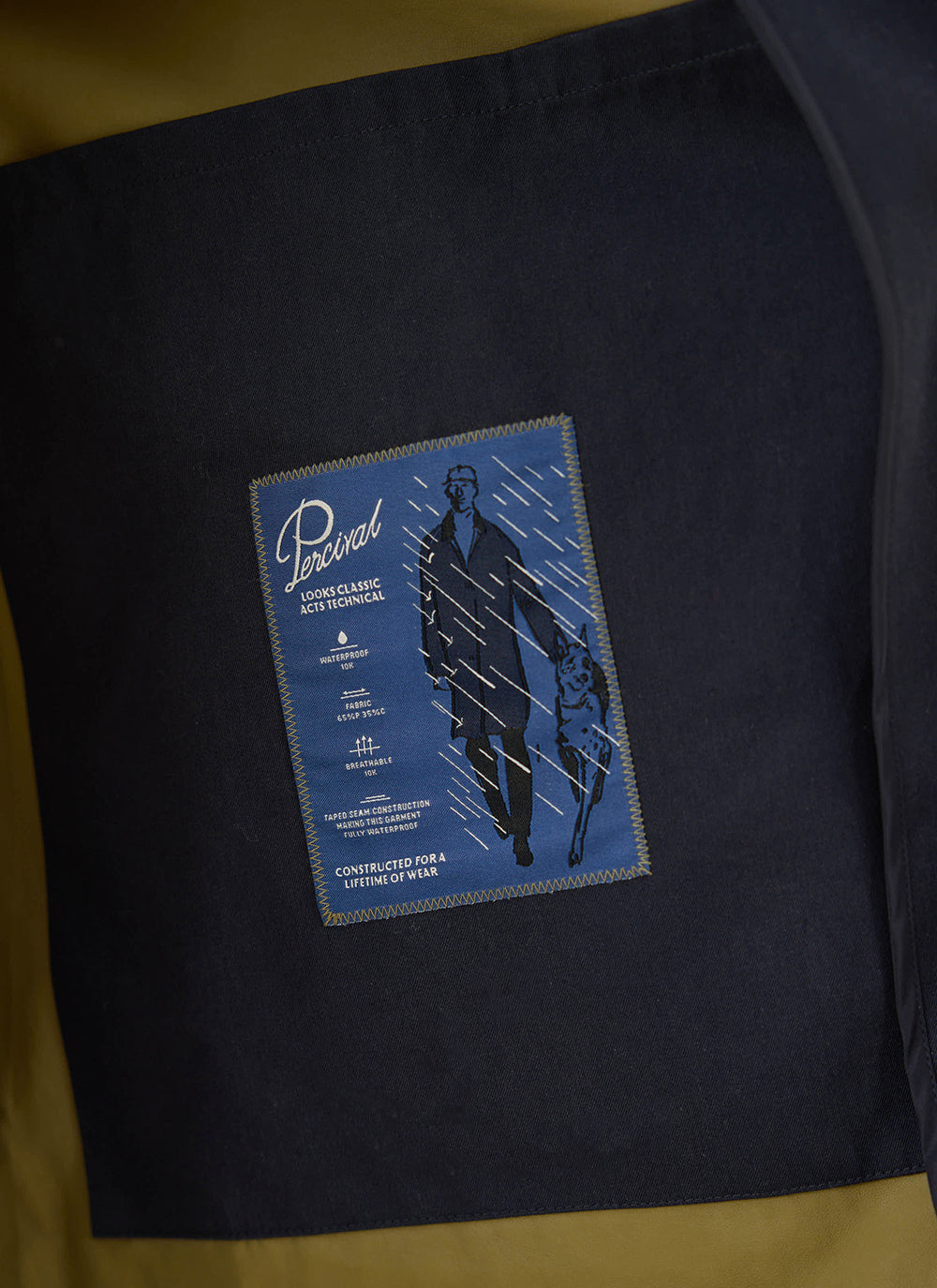
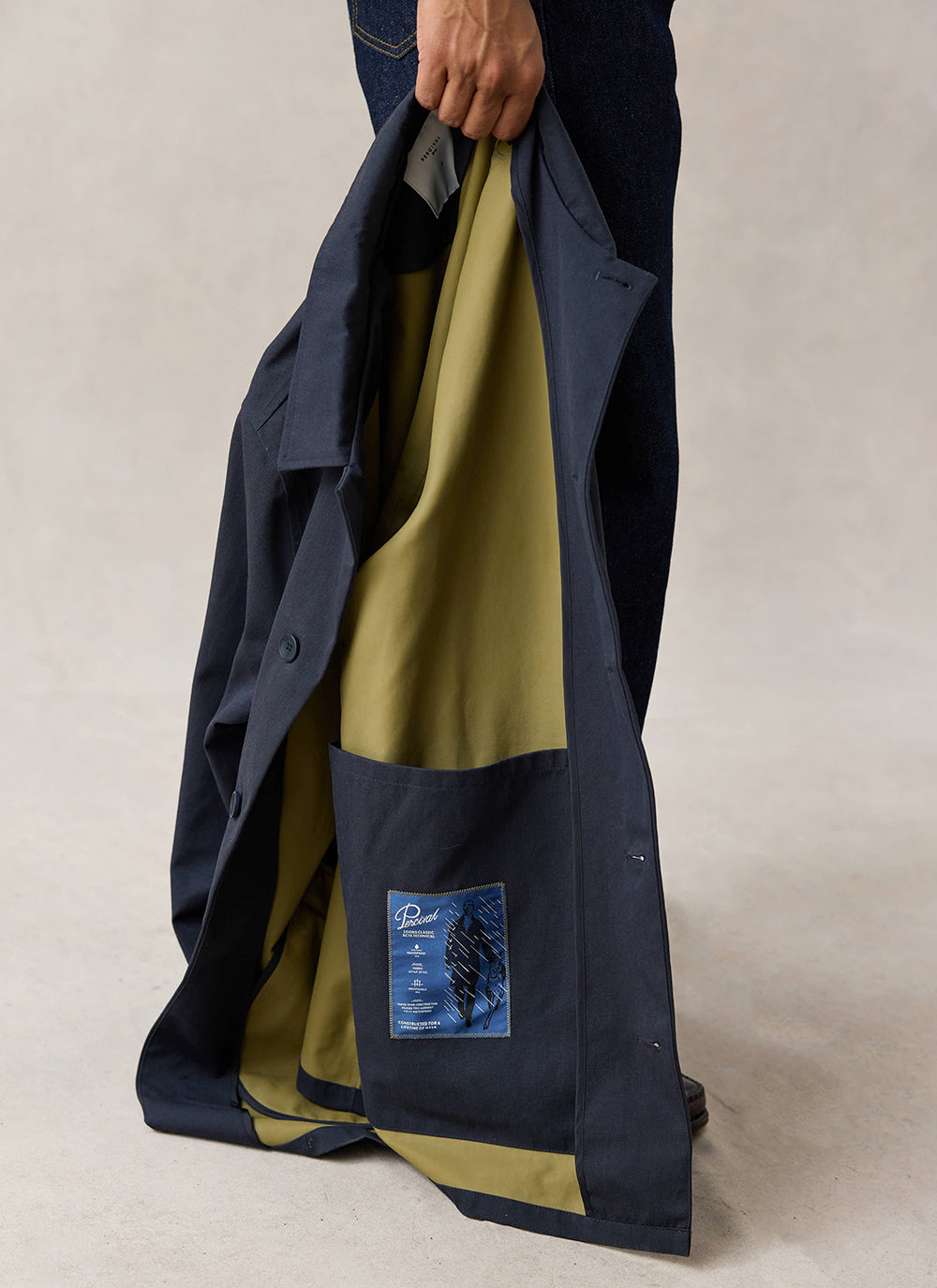
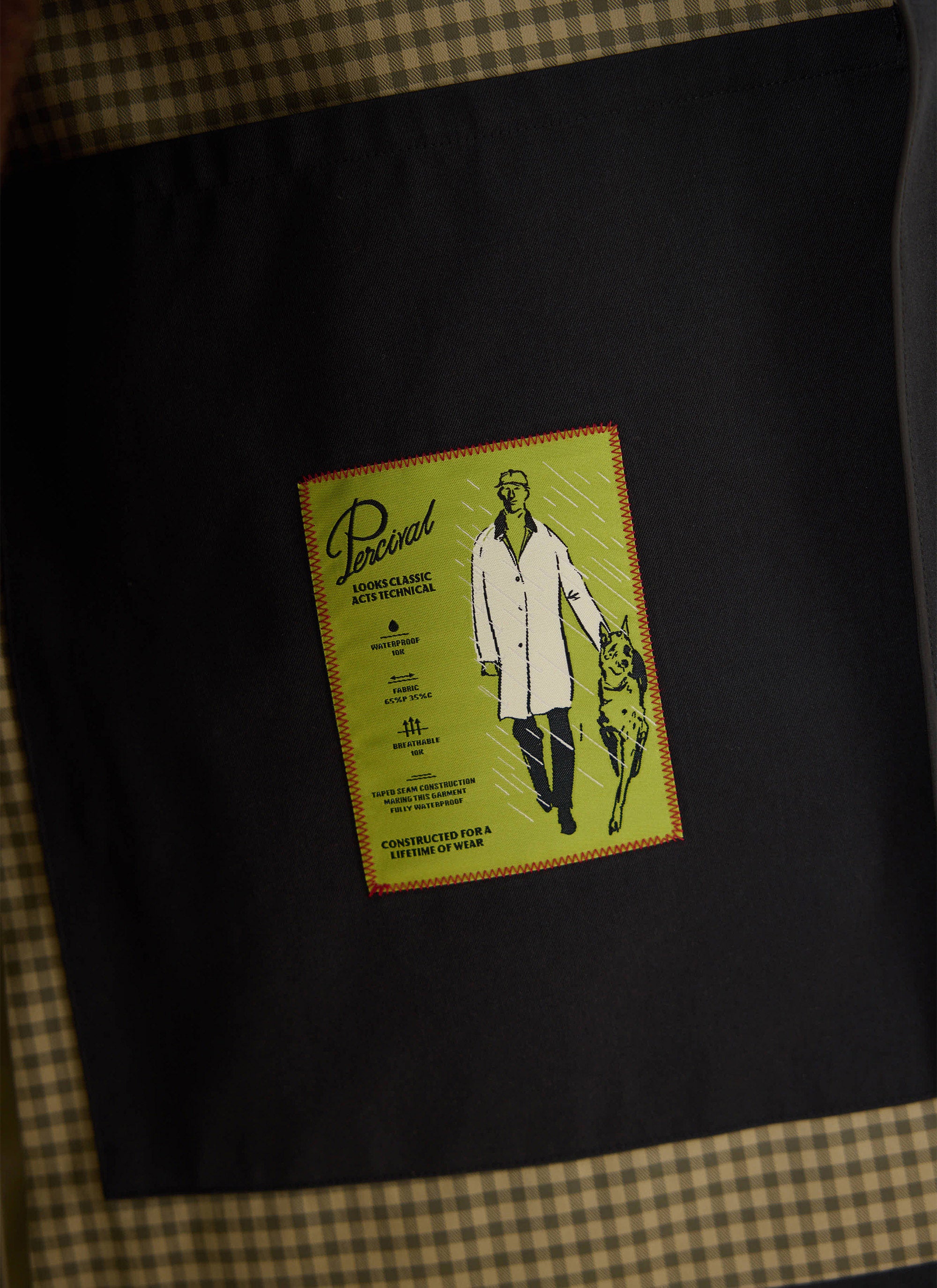
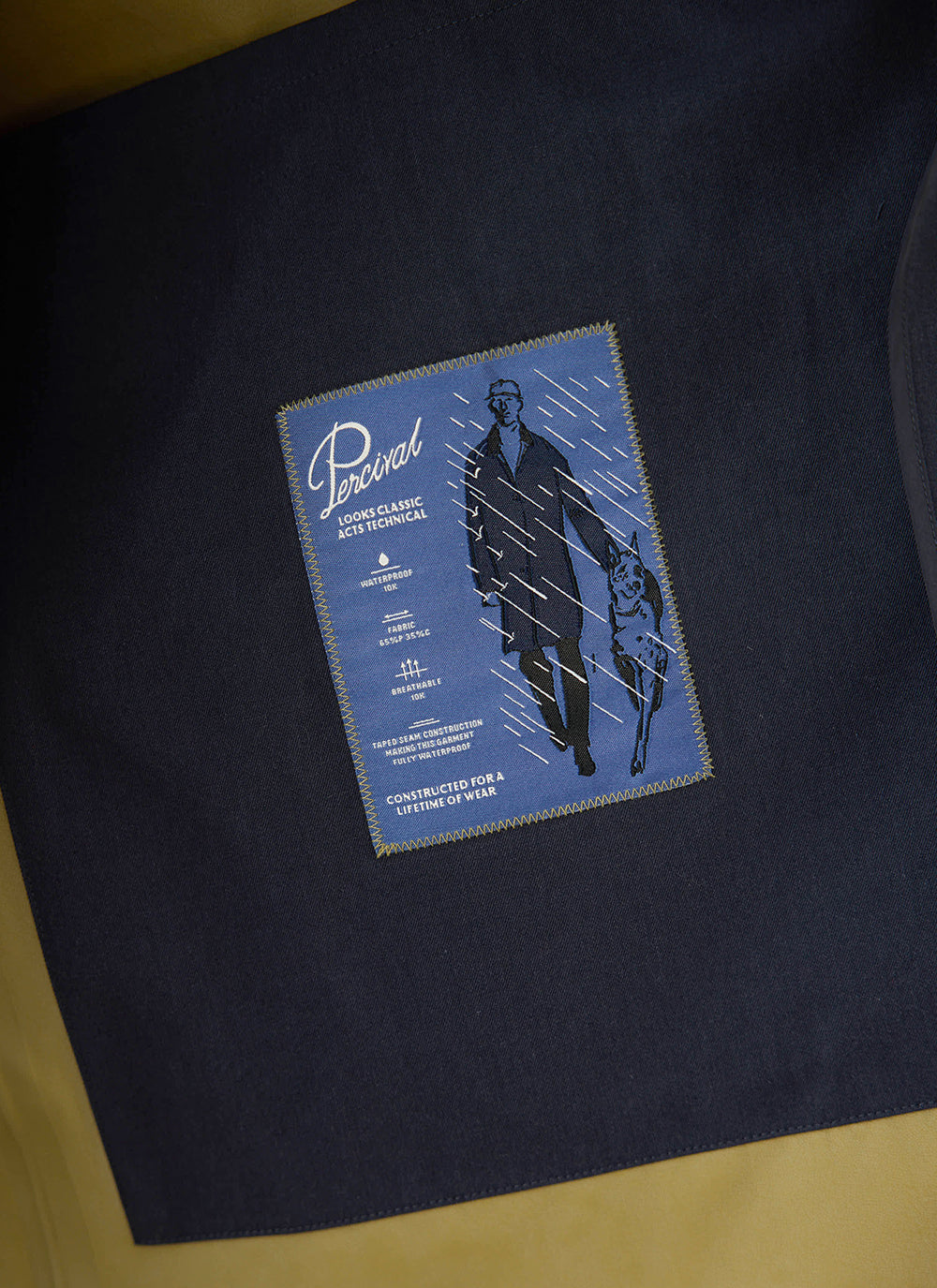
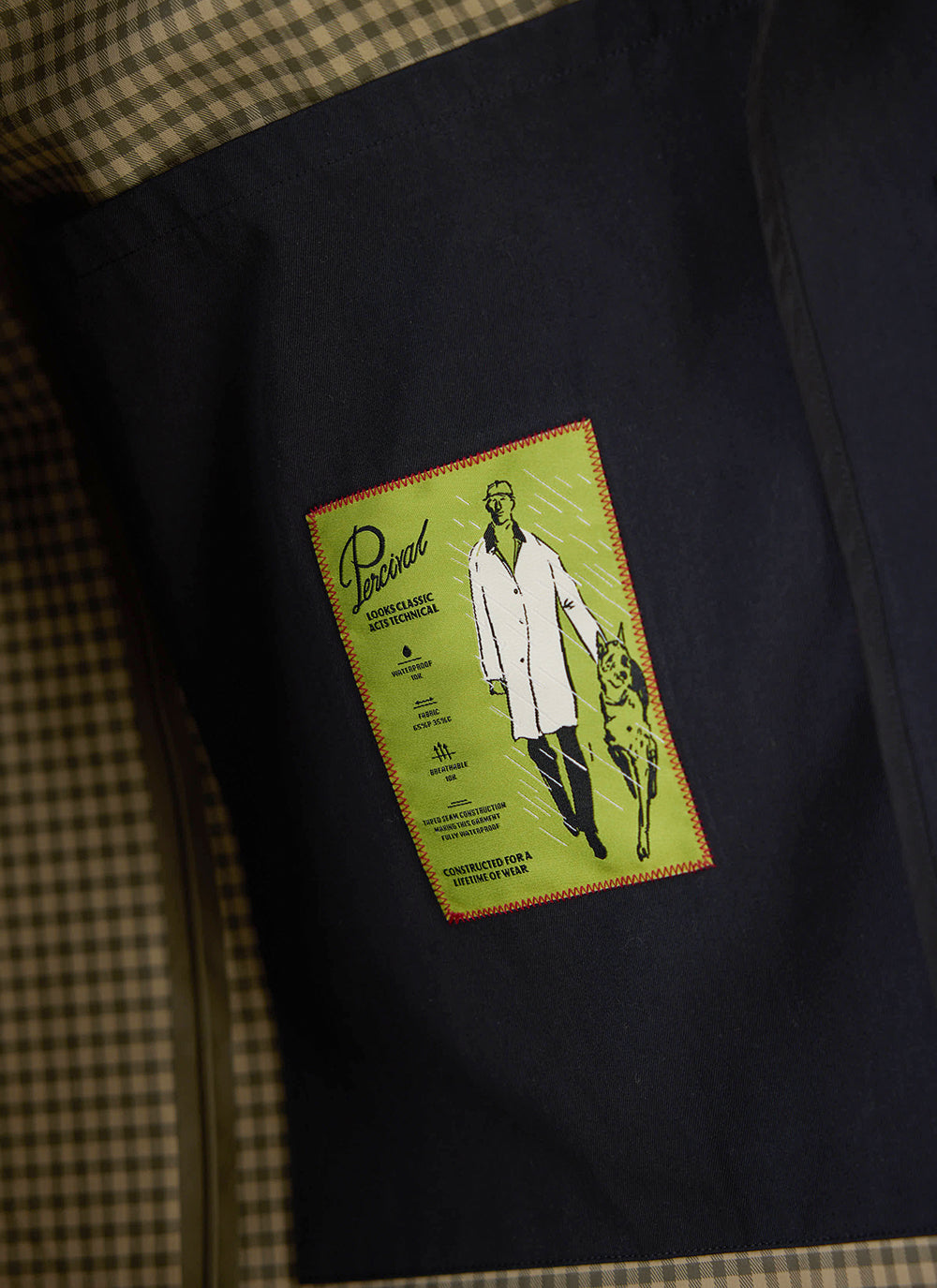
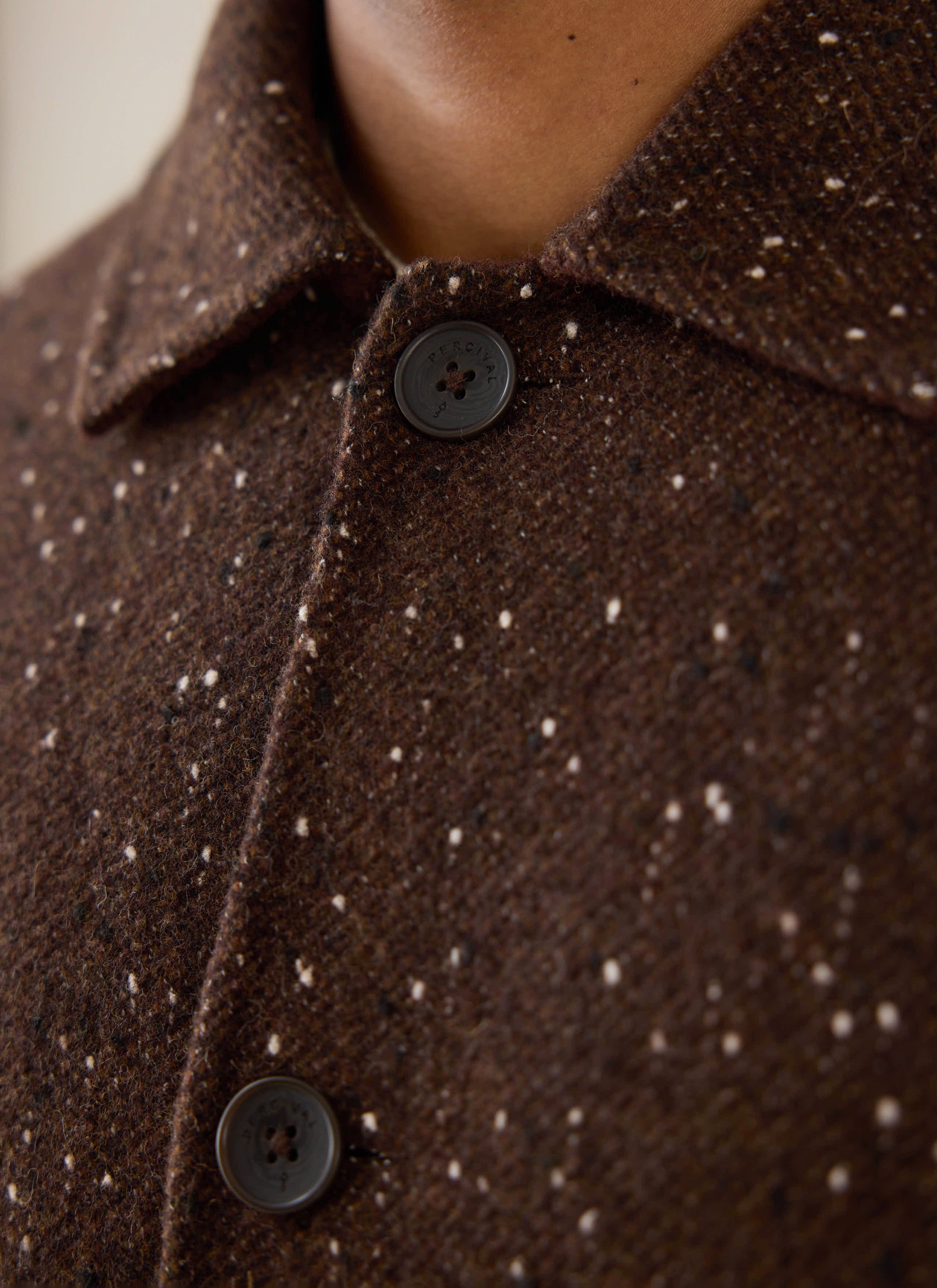
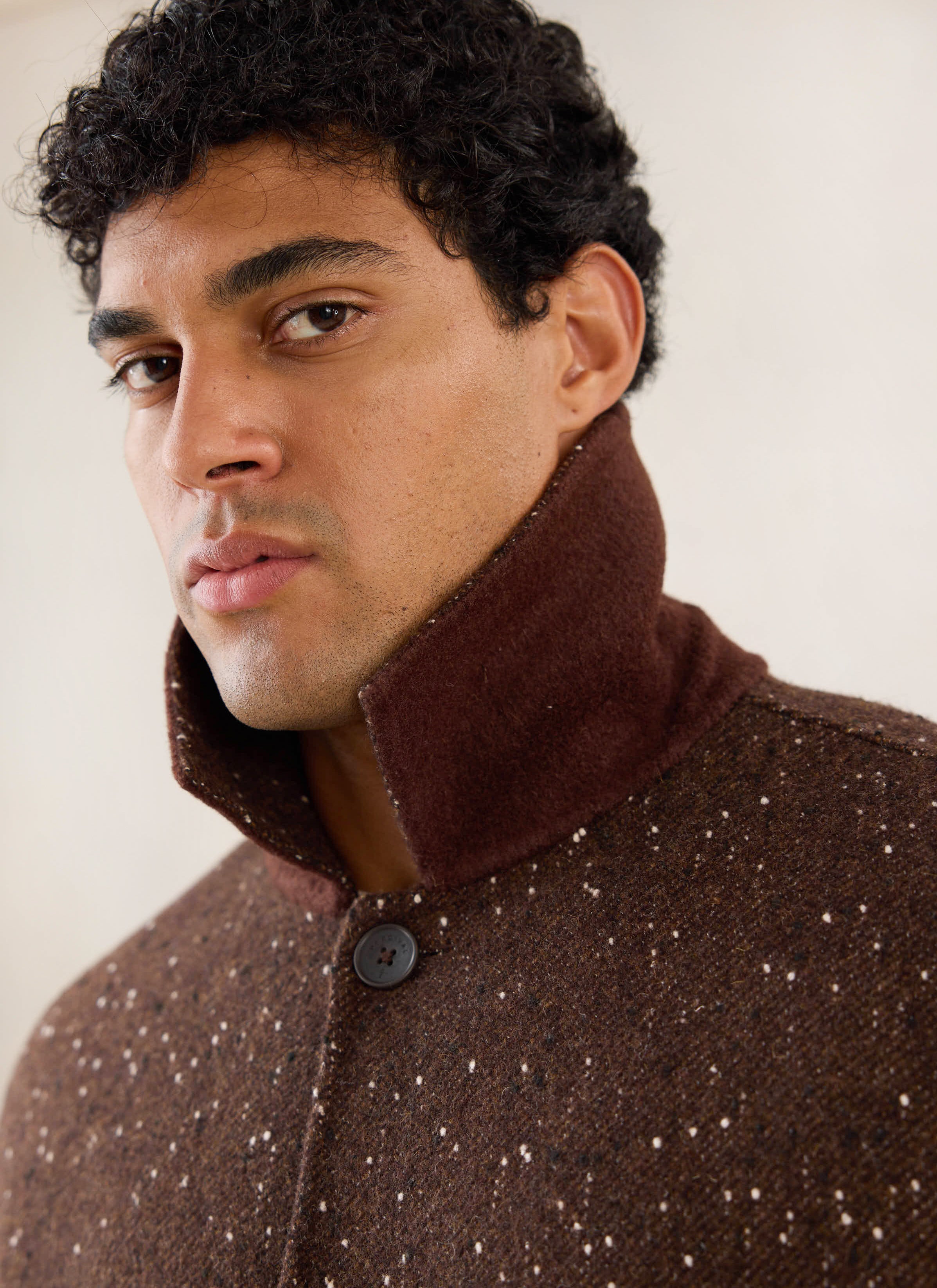
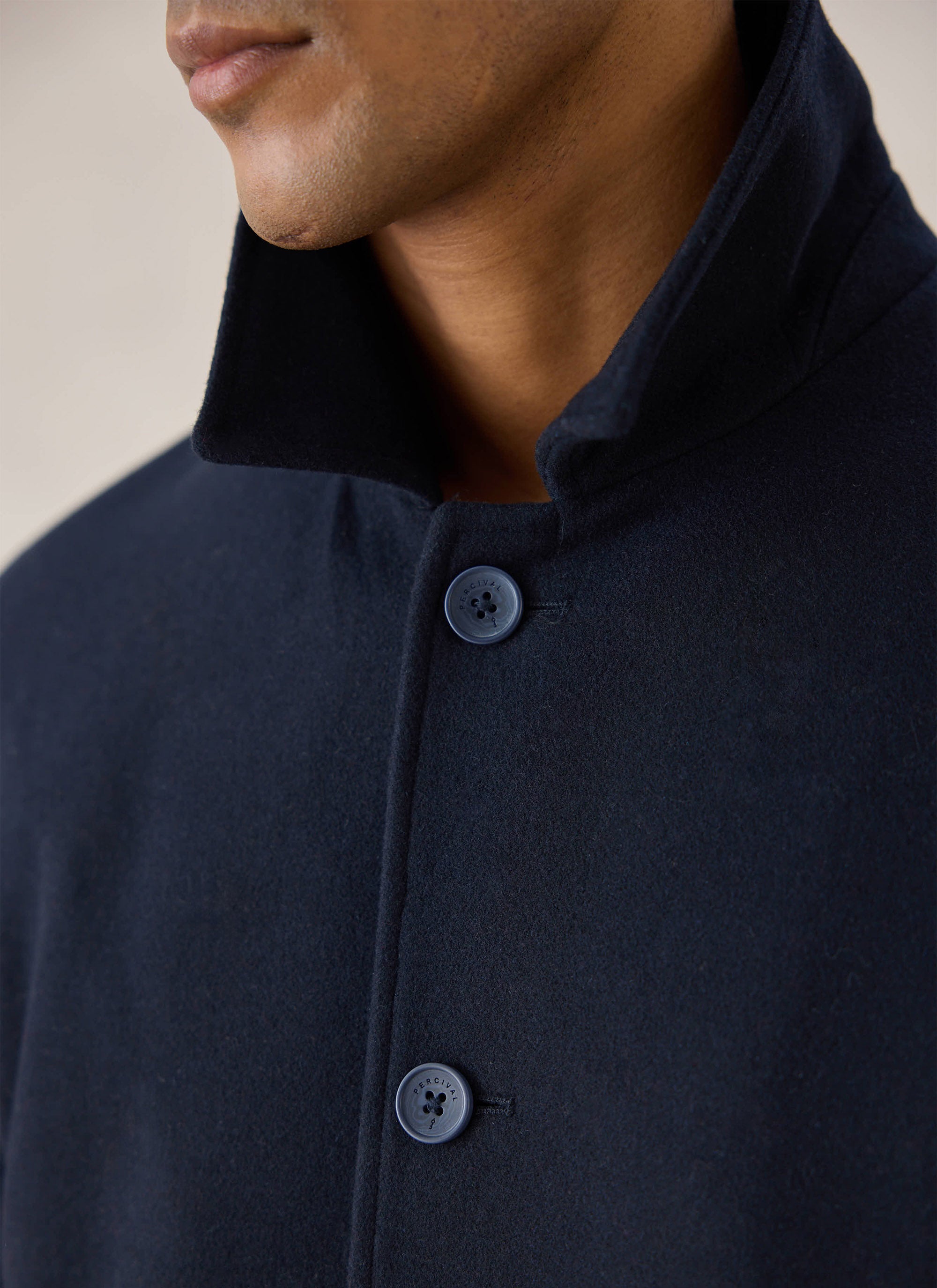
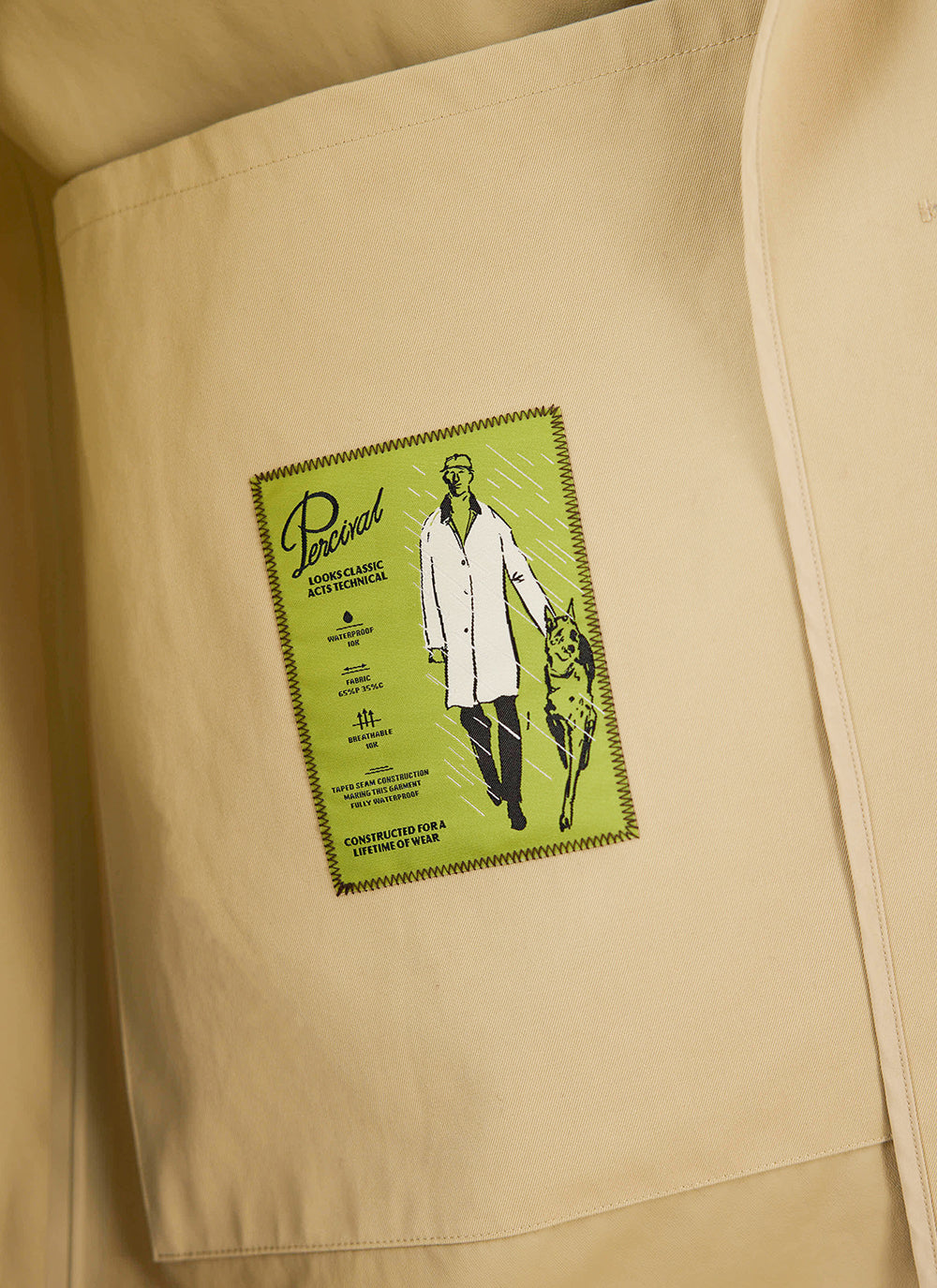
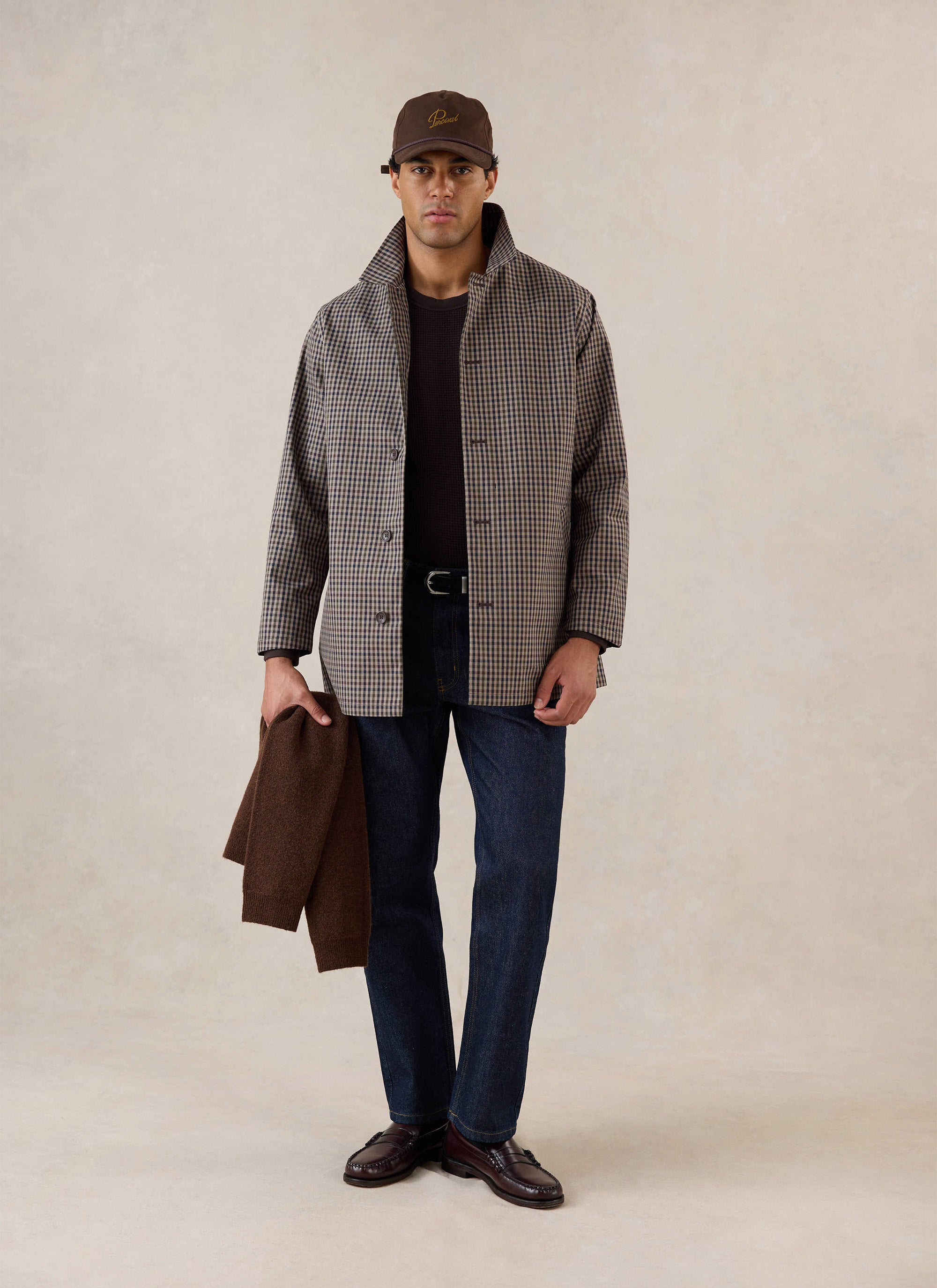
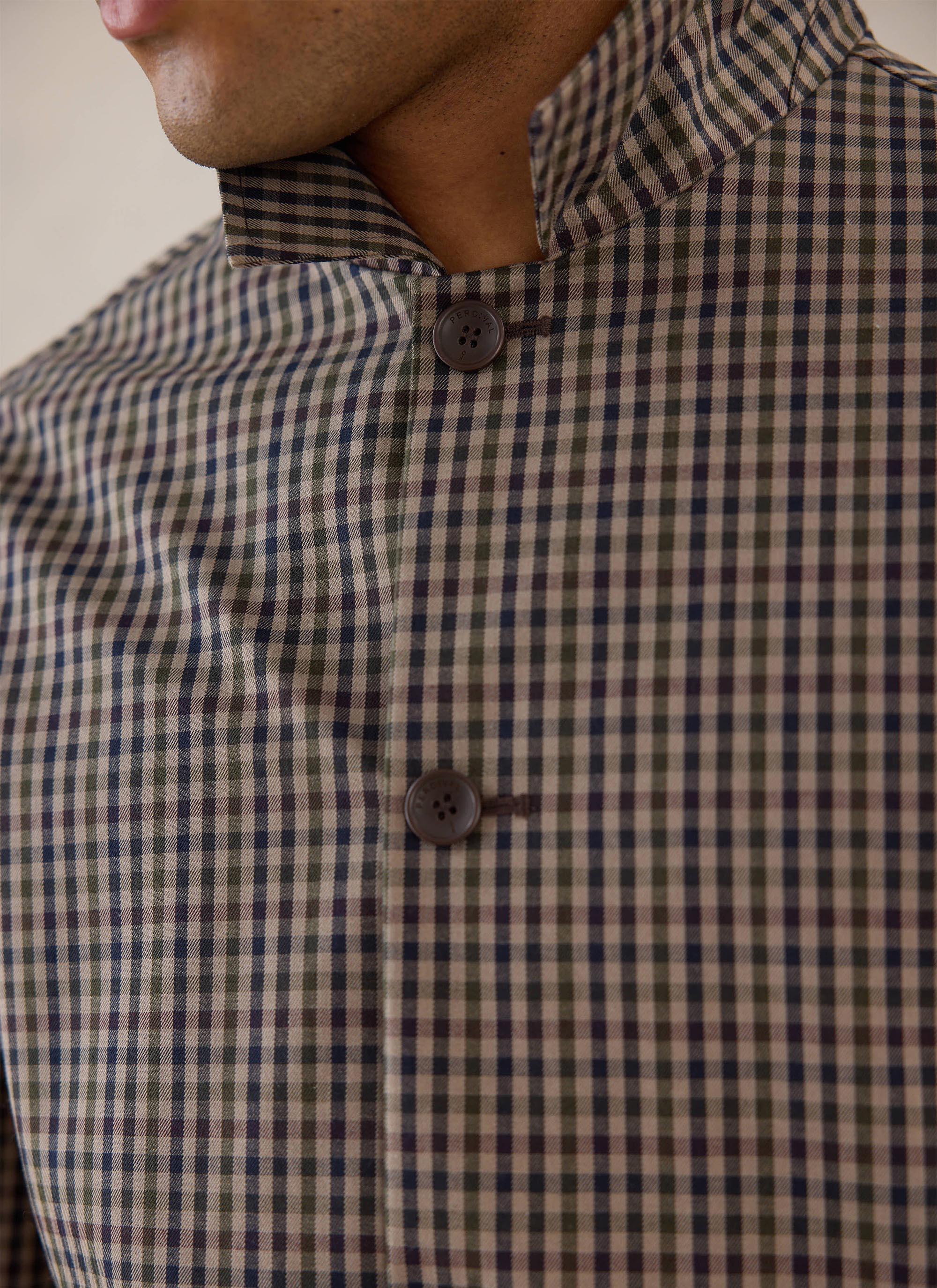
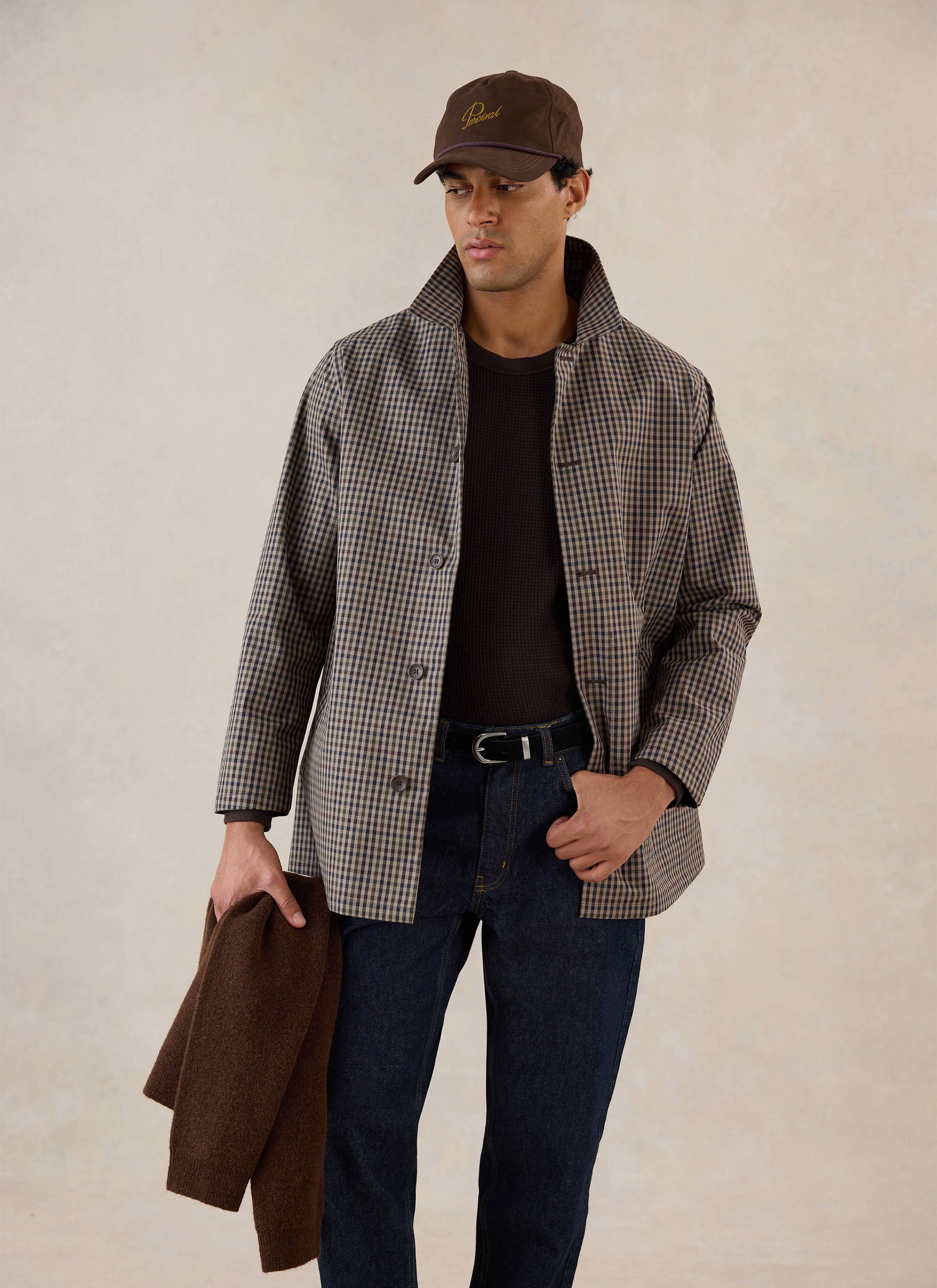
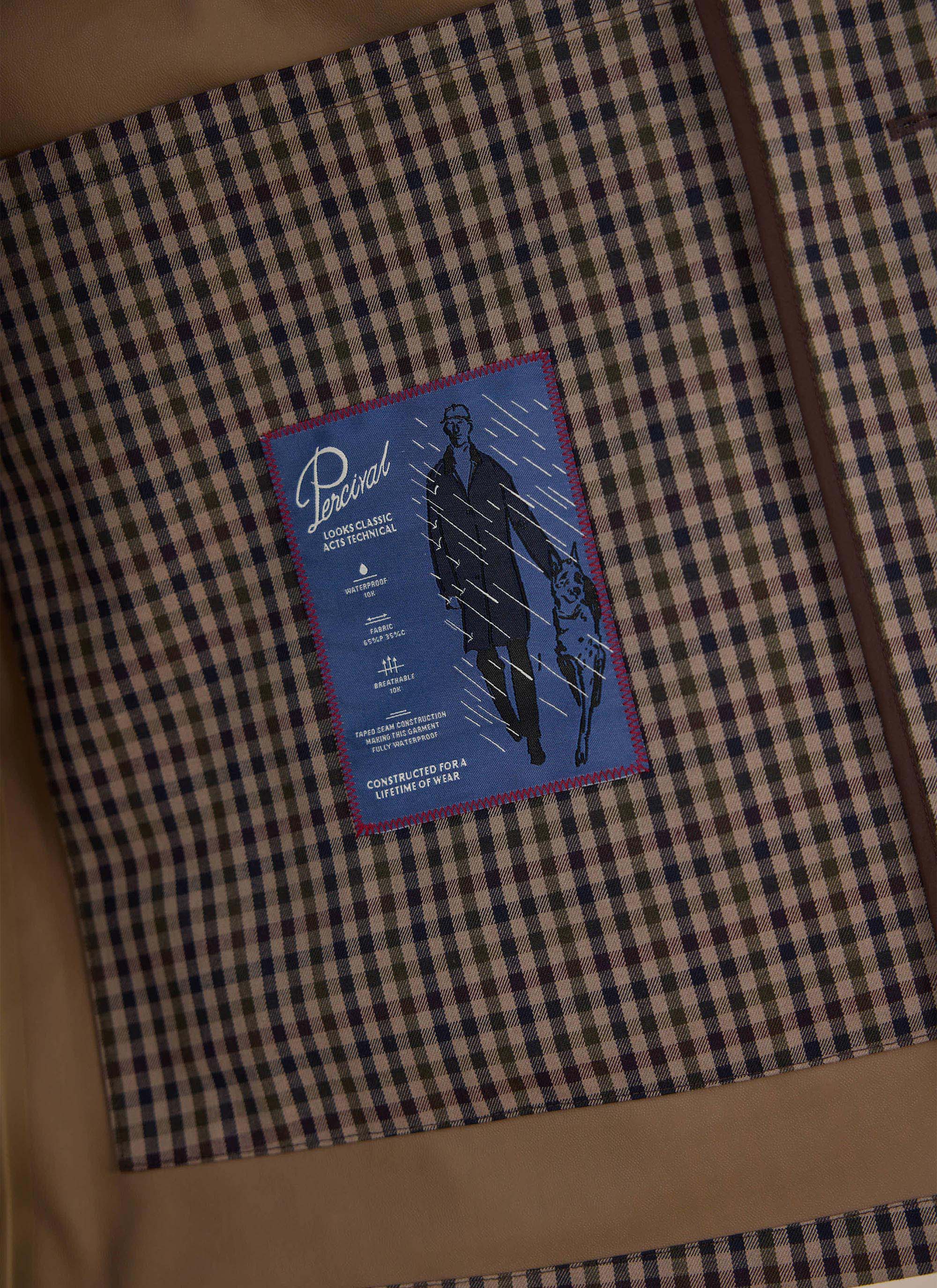
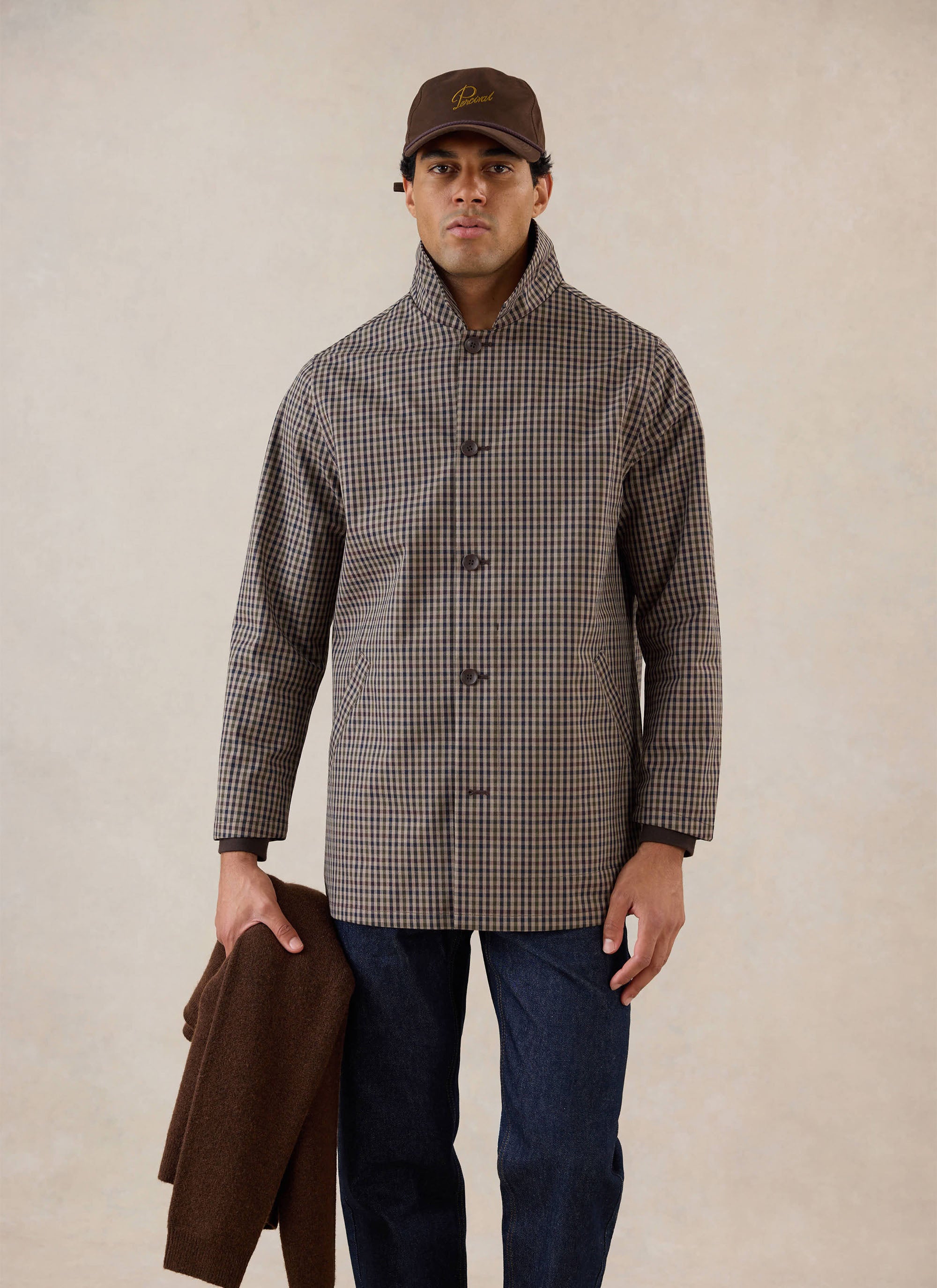
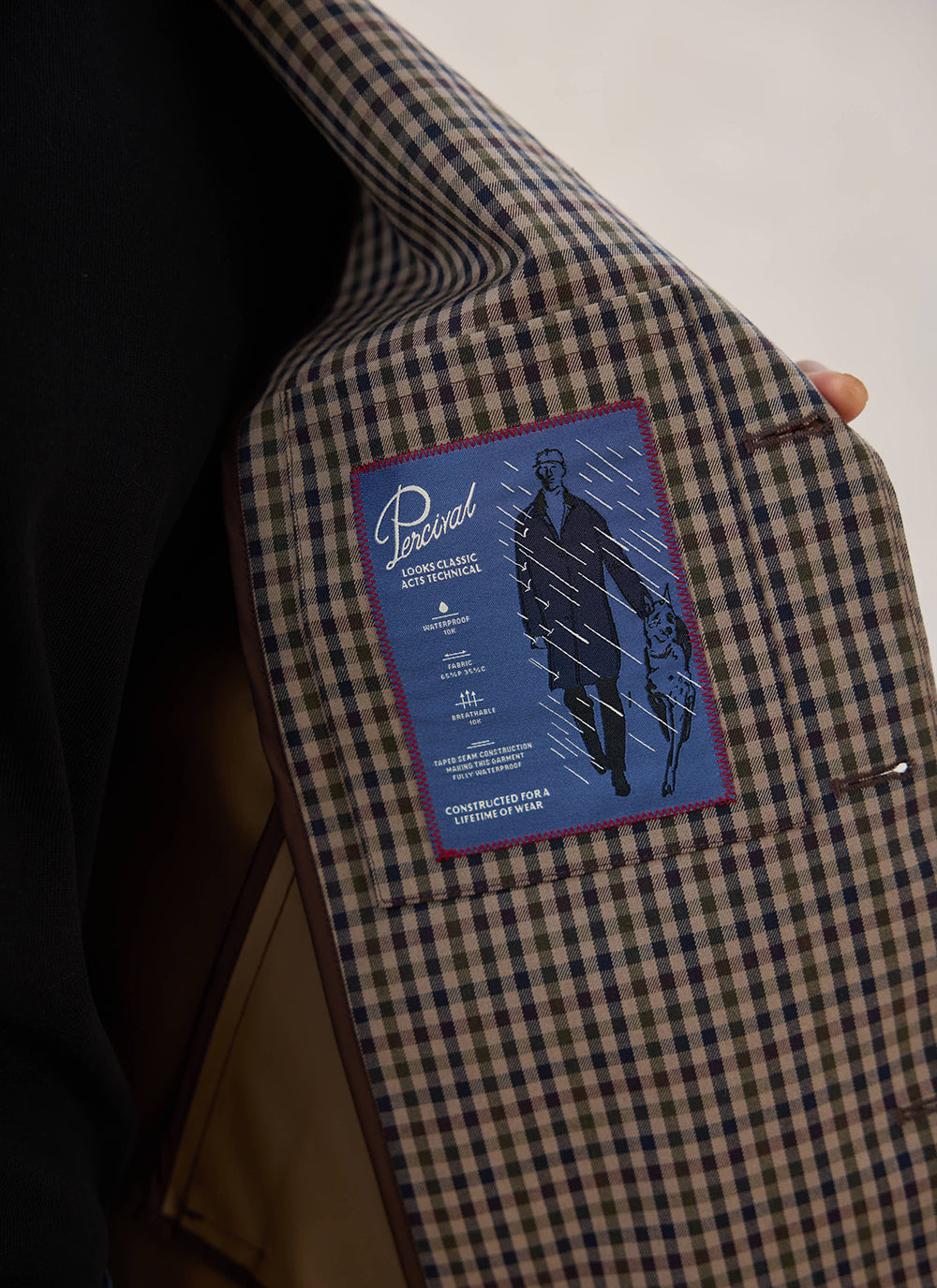
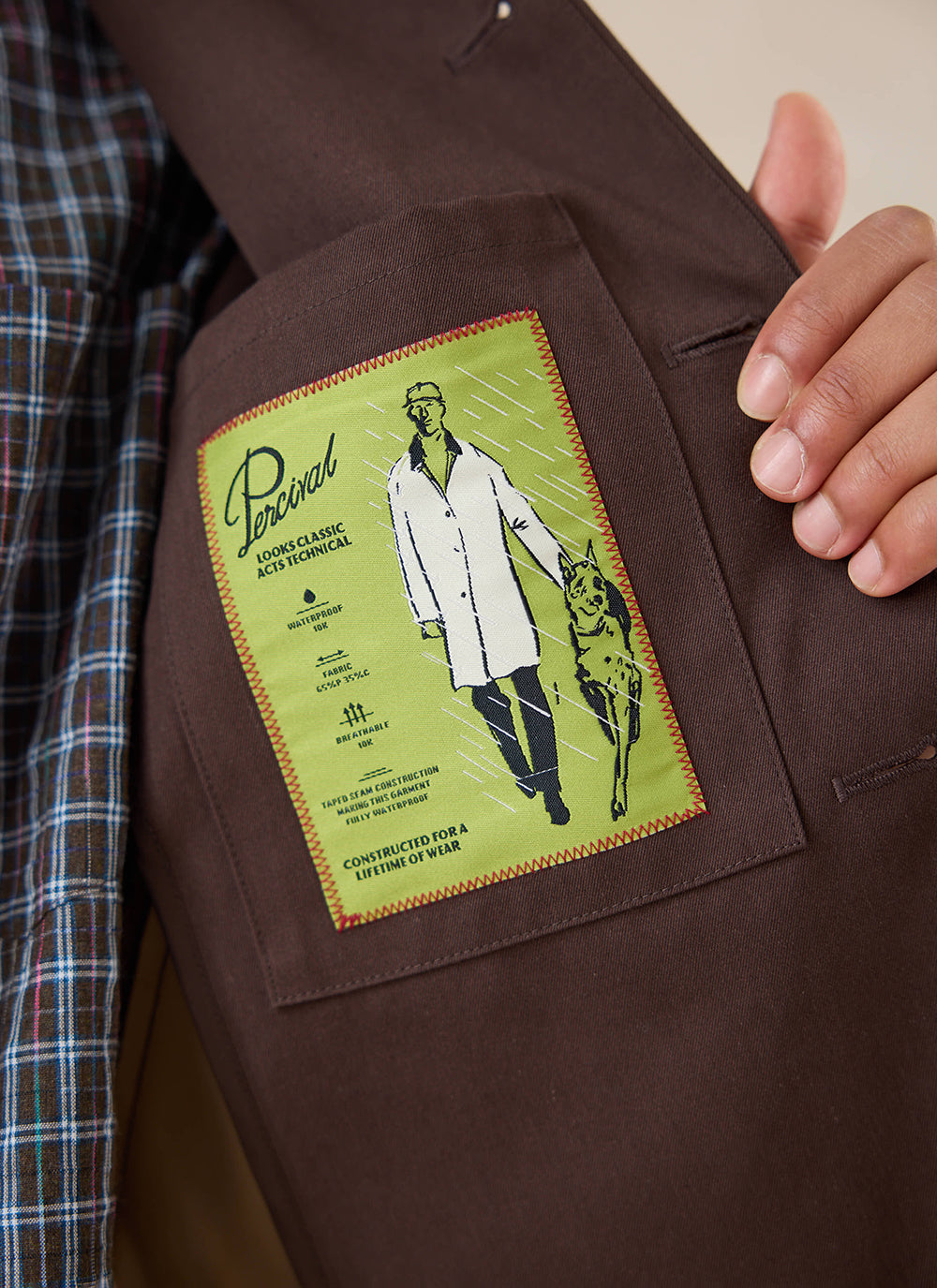
Our opinion is simple: rain, wear waterproof. Cold days, wear wool. British winter will regularly arrange both before lunch, which is why owning one of each is not excessive. It’s admin. The Sherlock is one of our men’s Waterproof Coats, using 10,000mm-rated waterproof fabric, taped seams and 2,000g/m² breathability. In less technical language, serious rain protection rather than a coat that once looked at a bottle of water. For warmth, head to the Men’s Wool Coats. Wool versions of the Minnesota use 100% double-faced wool, while the Peacoat uses a hefty 850gsm wool-melton blend. Wool gives you warmth, weight and structure. We would not choose it as a rain shell. That is what the Sherlock is for.
How Should a Men’s Coat Fit?
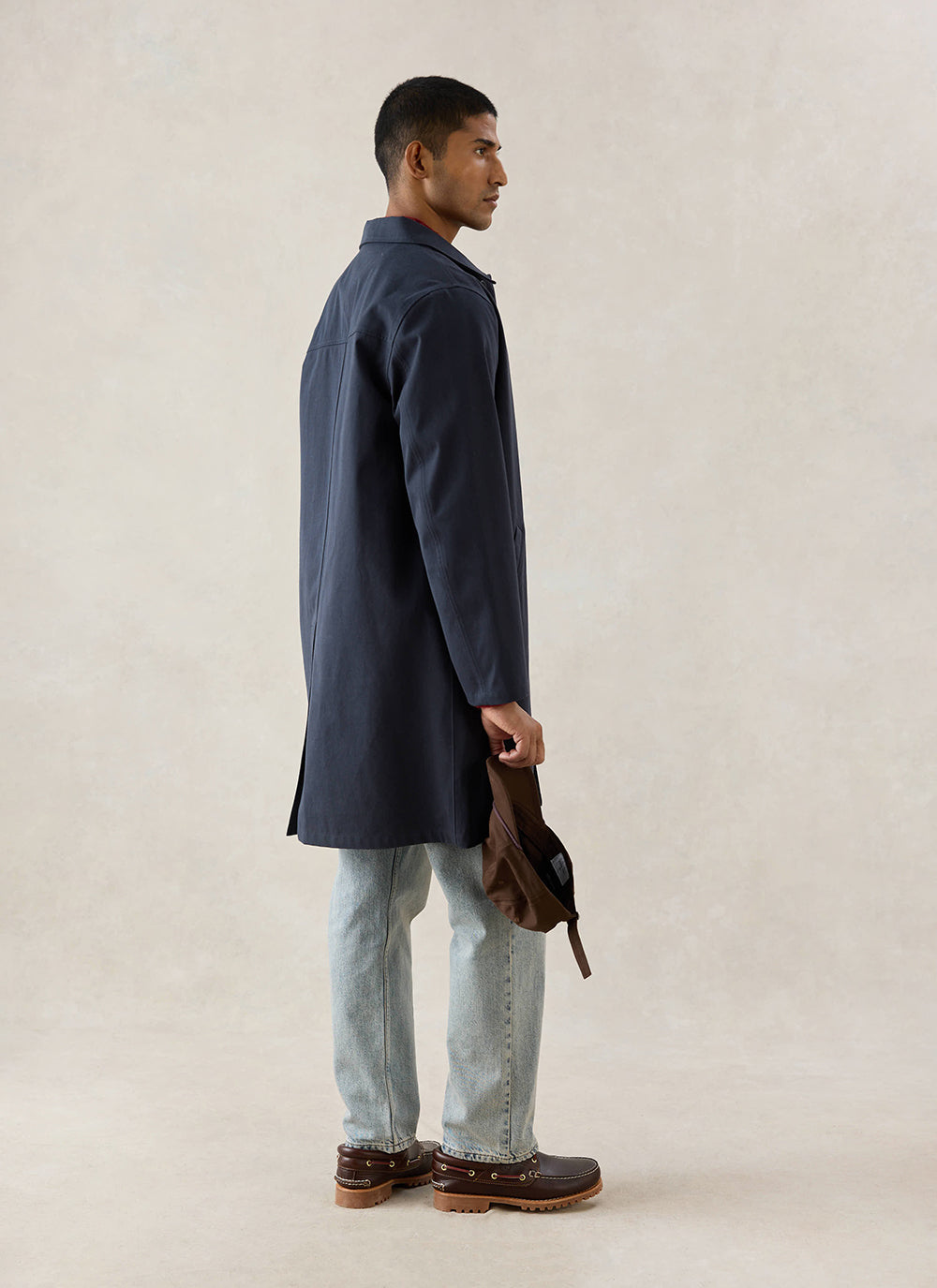
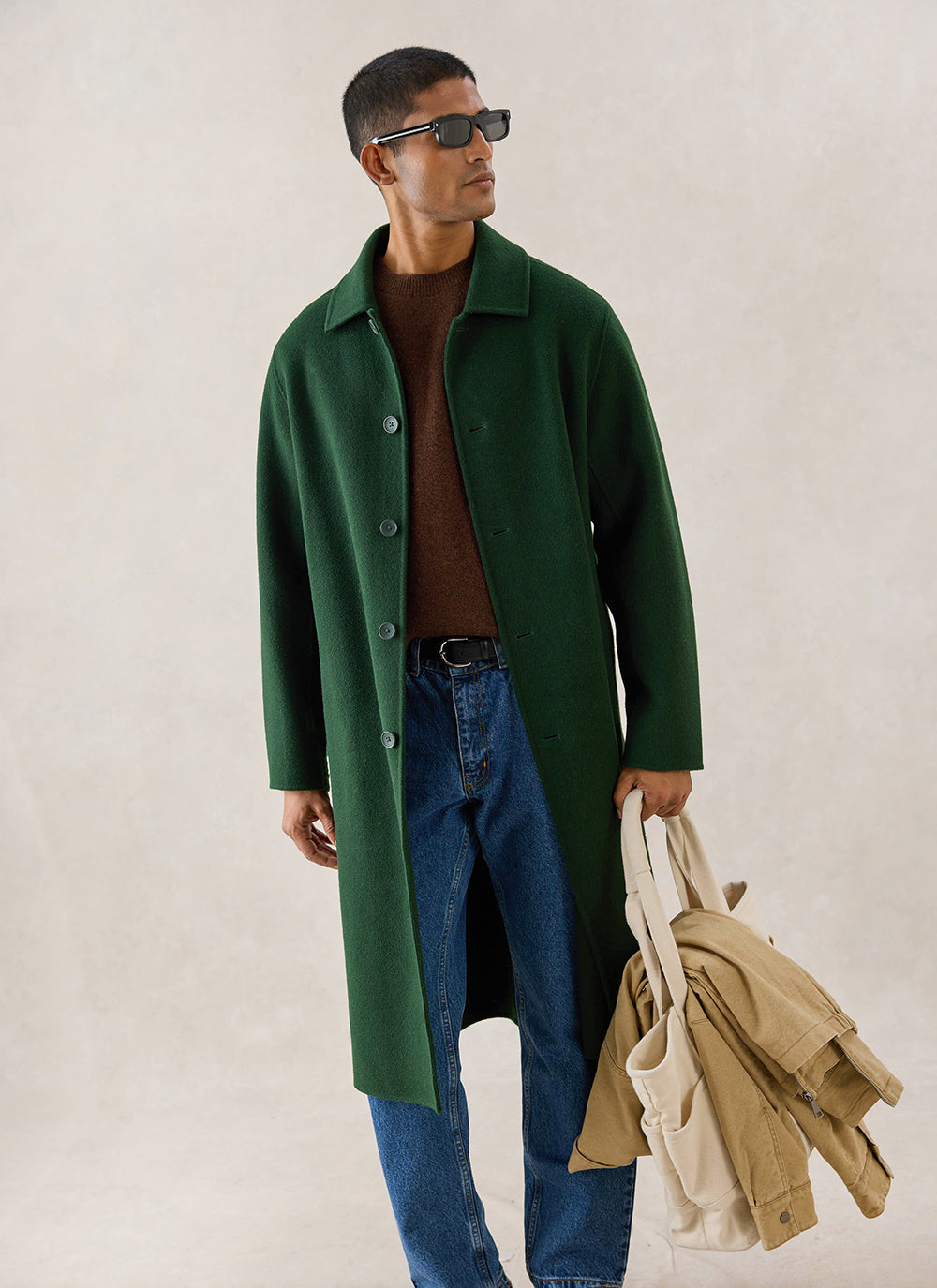
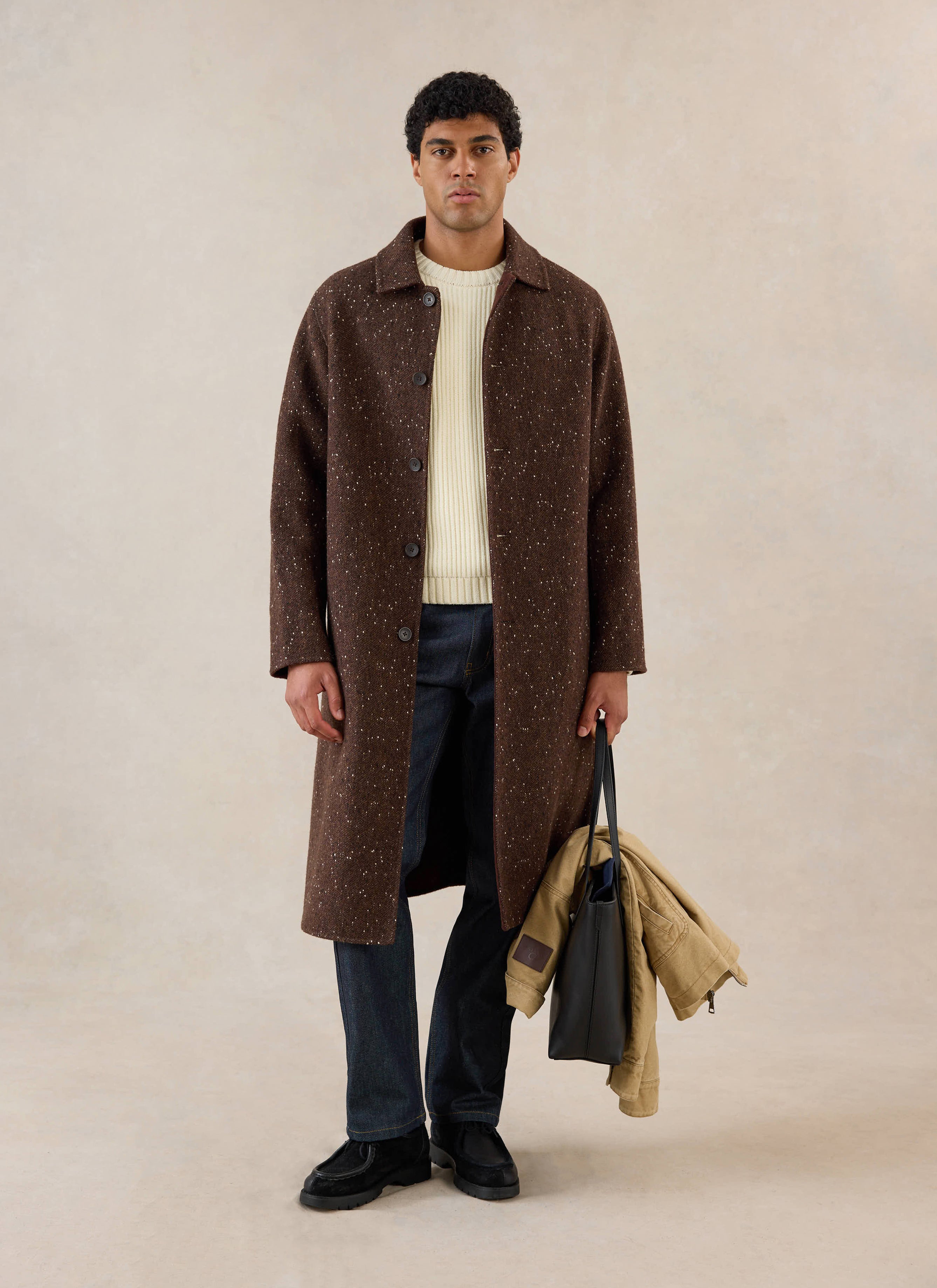
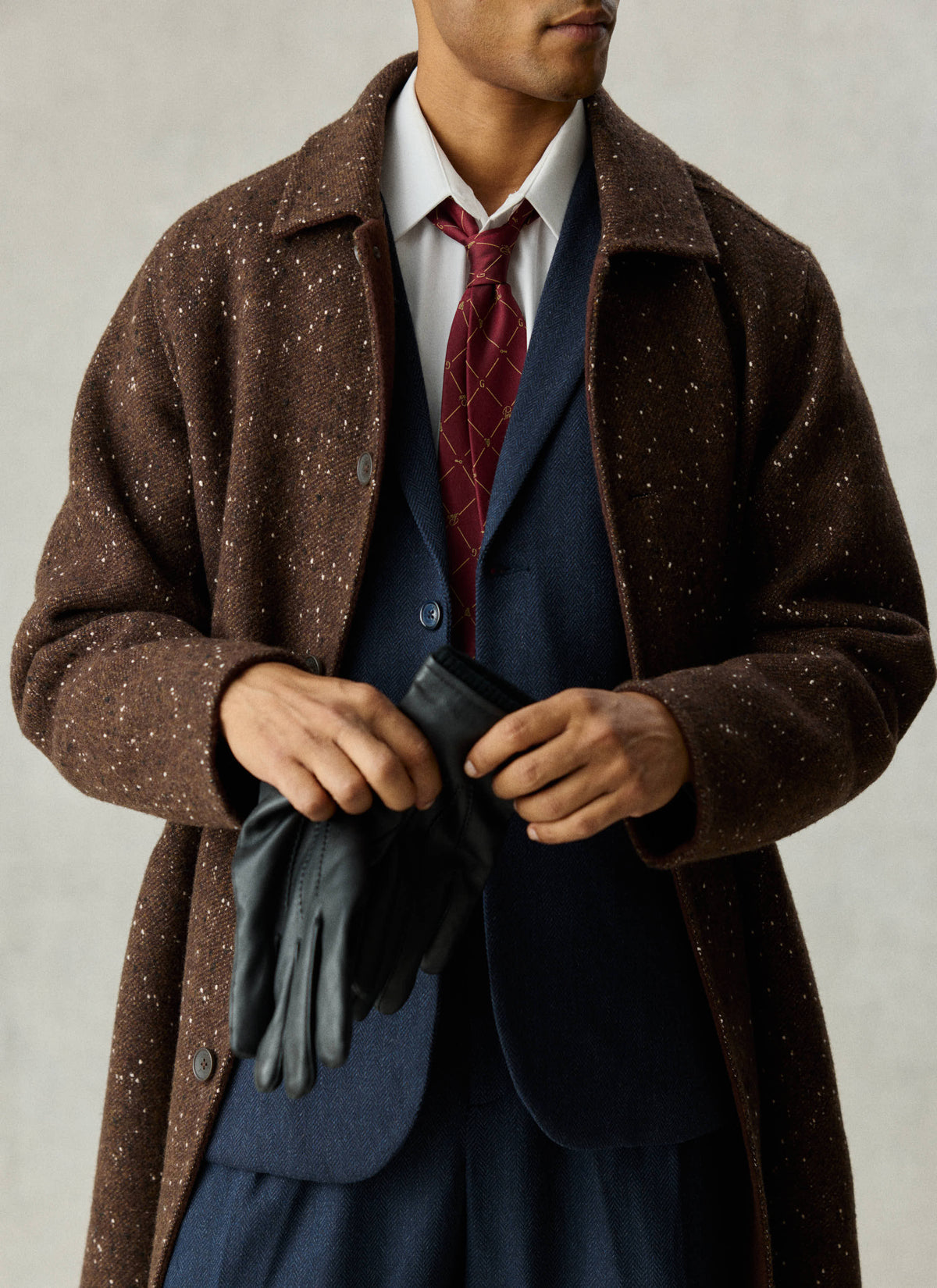
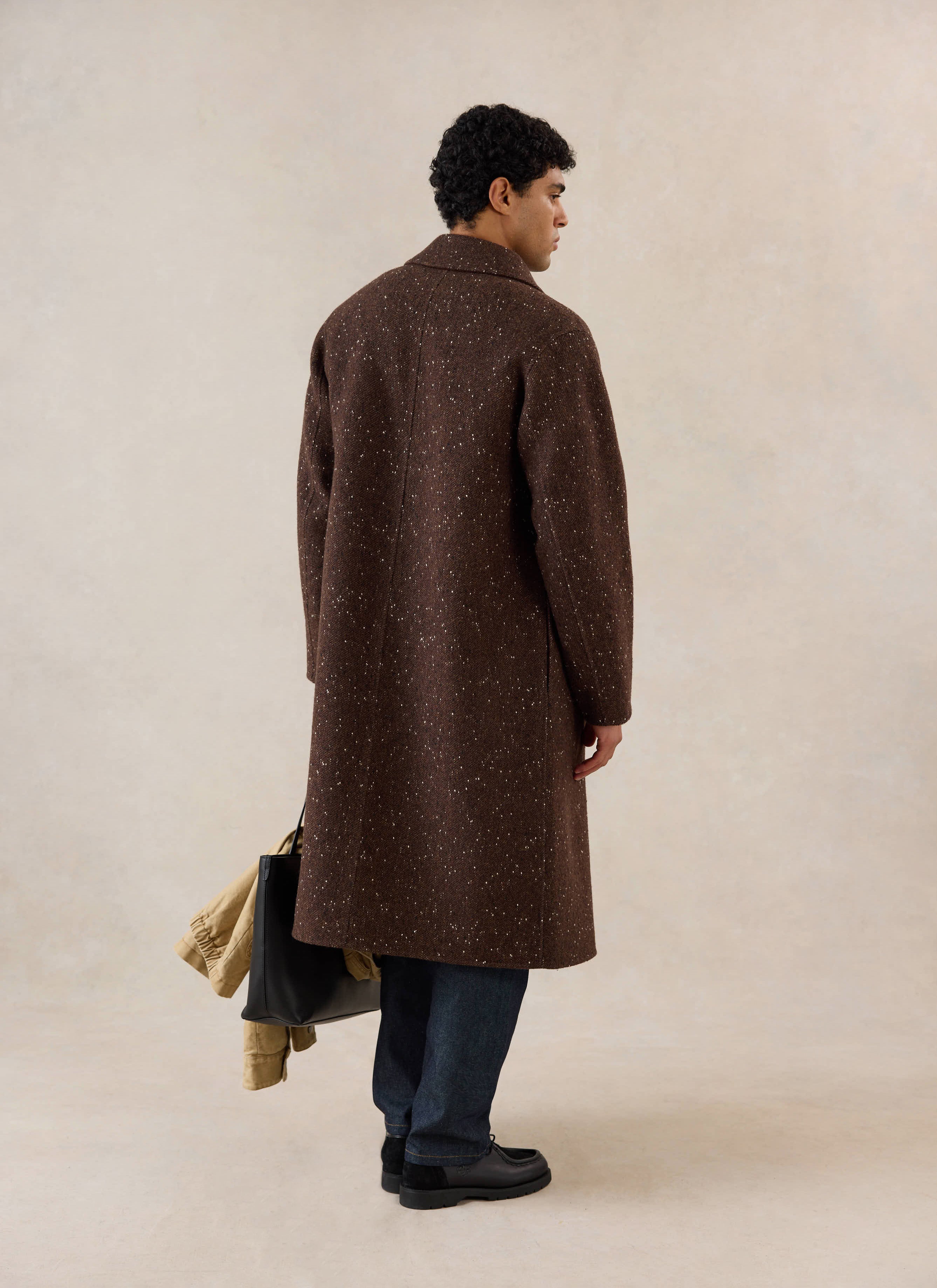
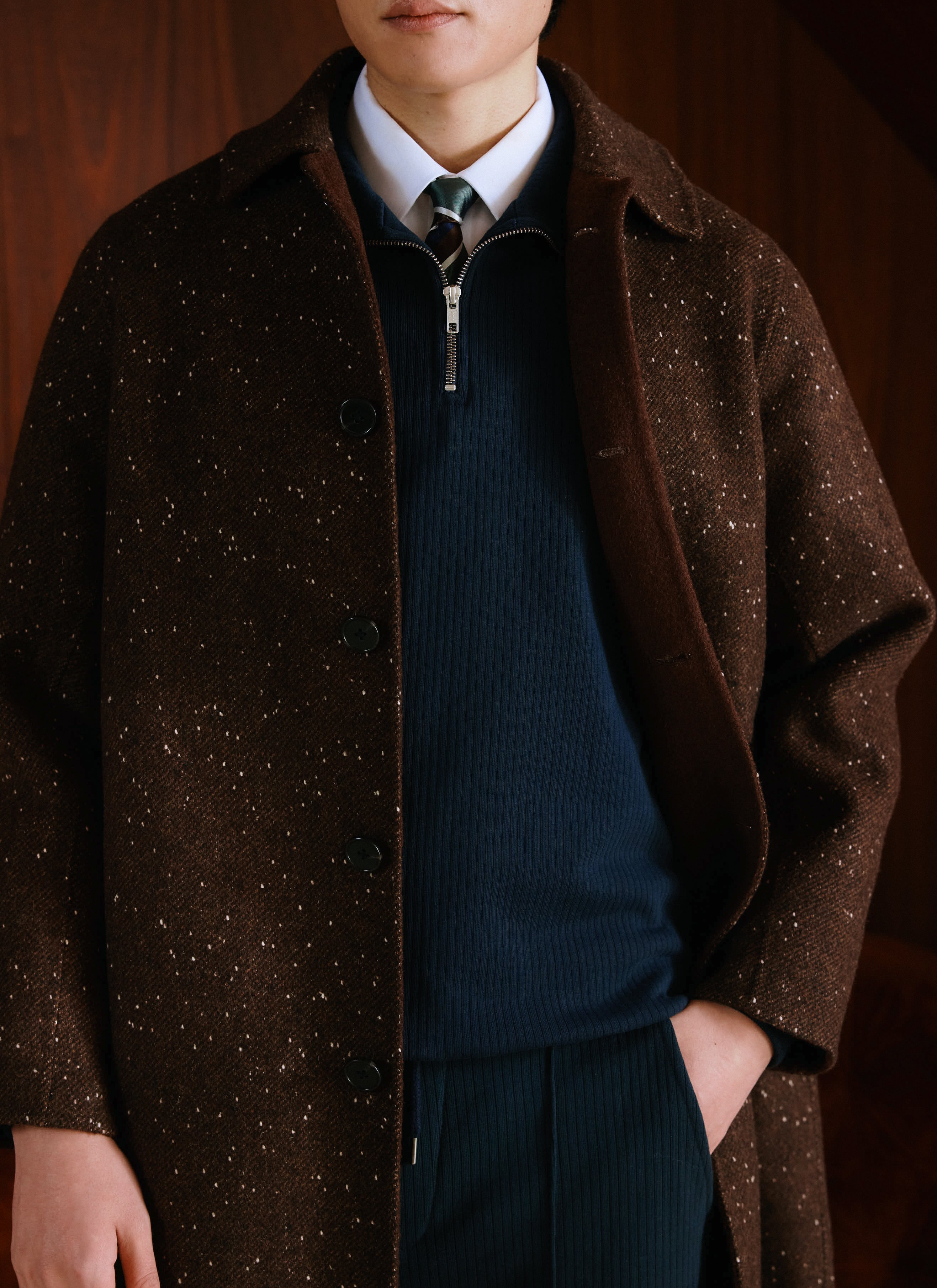
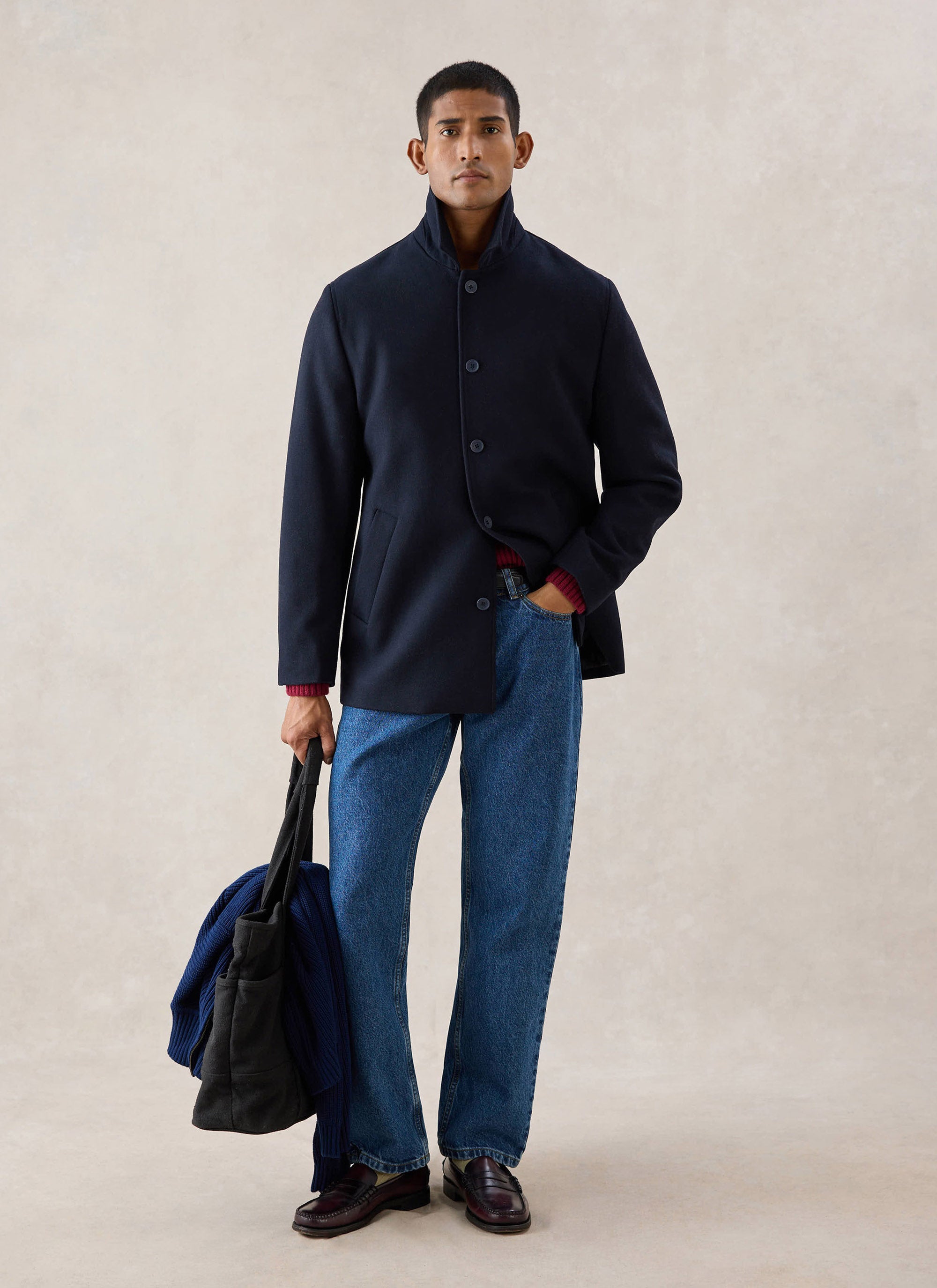
Start with what you’re wearing underneath. Buying an overcoat for work? Try it over a blazer or chunky knit, not a T-shirt, then act surprised in January. A good men’s coat should close without pulling across the chest, give your shoulders room to move and leave enough space for one sensible layer underneath. An overcoat should skim rather than cling. The Minnesota is deliberately oversized, with short and regular lengths available; size down if you want it sharper. For a smart coat worn over tailoring, the jacket underneath should disappear completely. No blazer sleeves or hems peeking out. Nobody needs to see the scaffolding.
What Colour Men’s Coat Should You Buy?
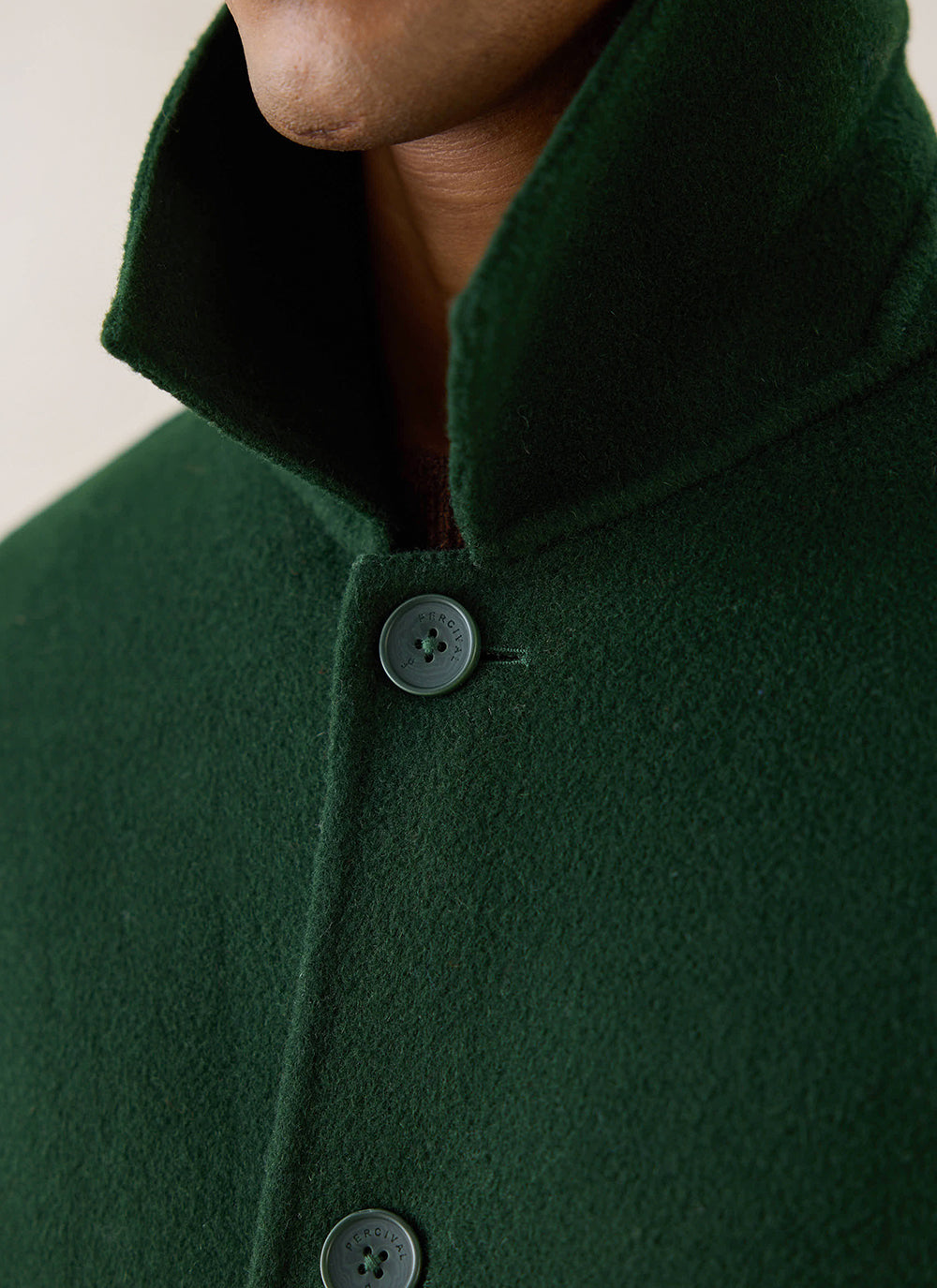
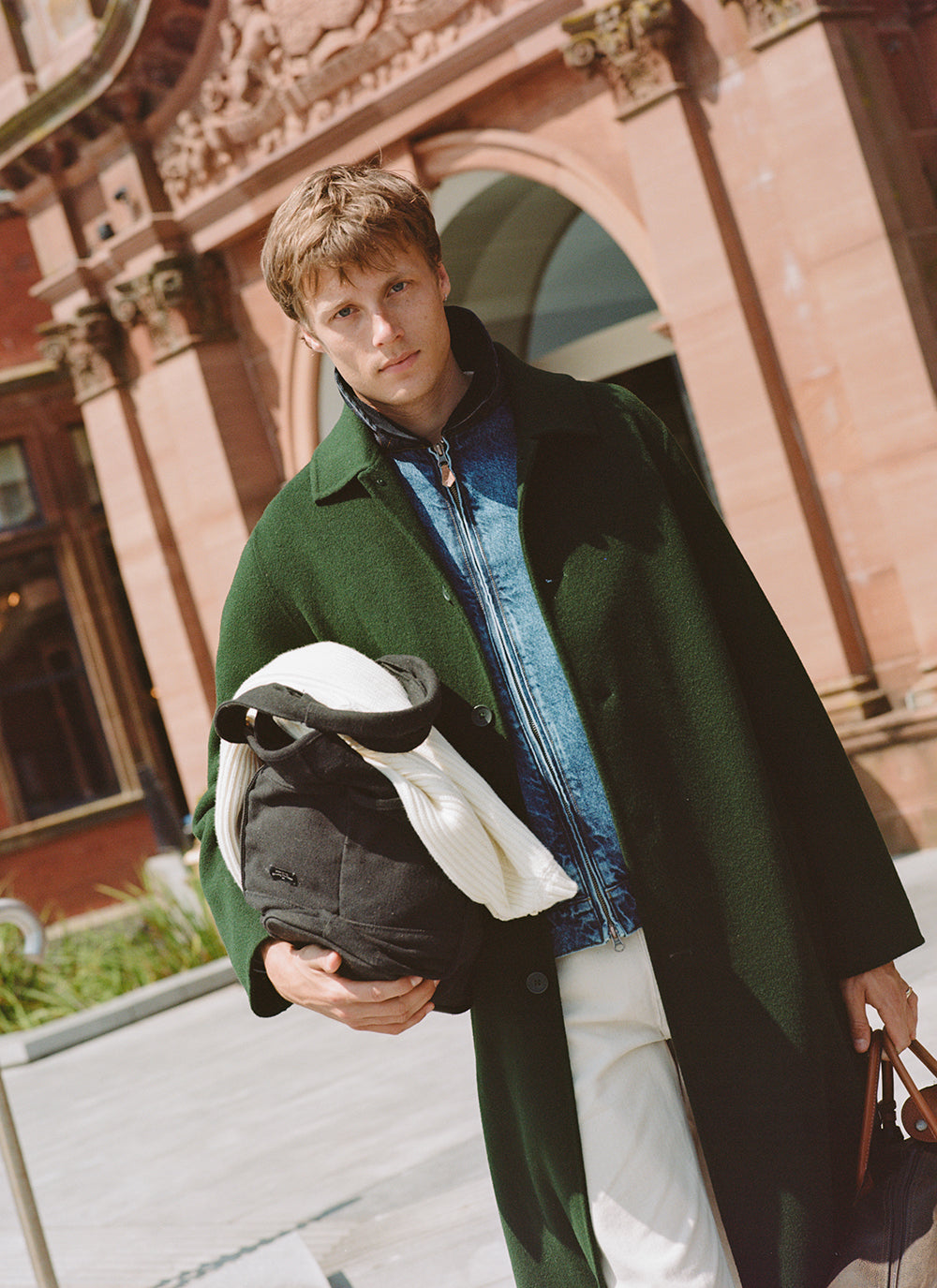
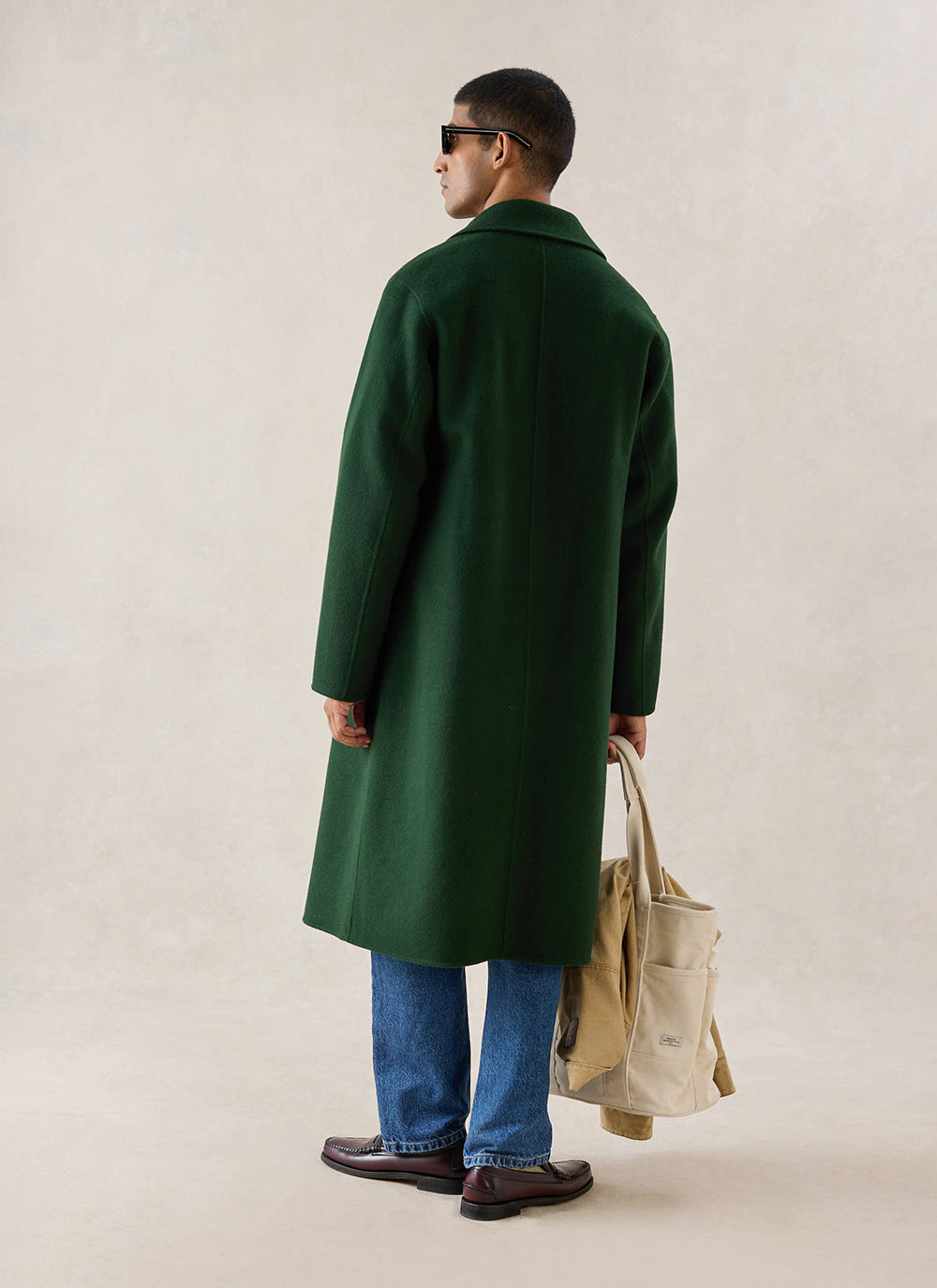
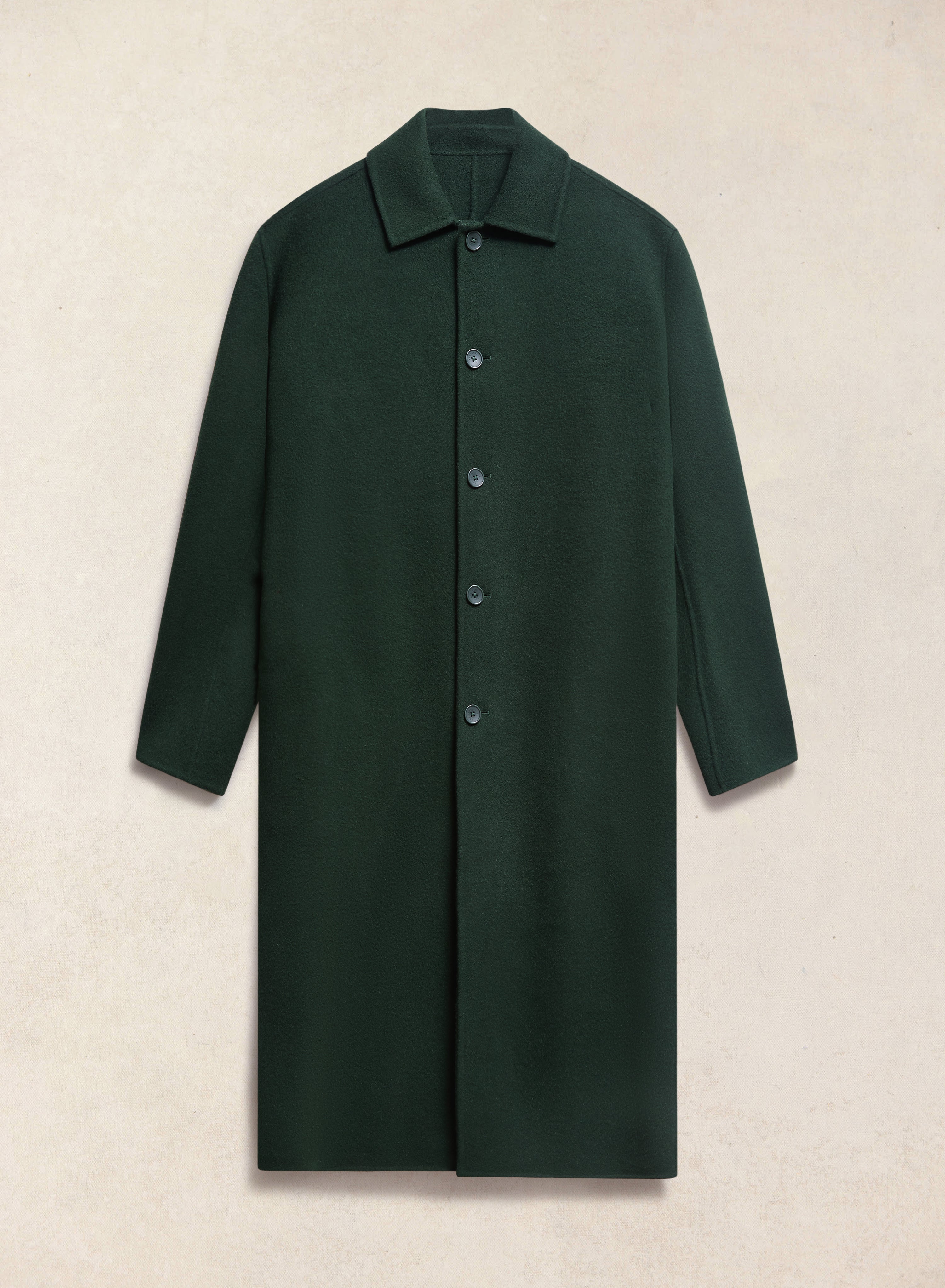
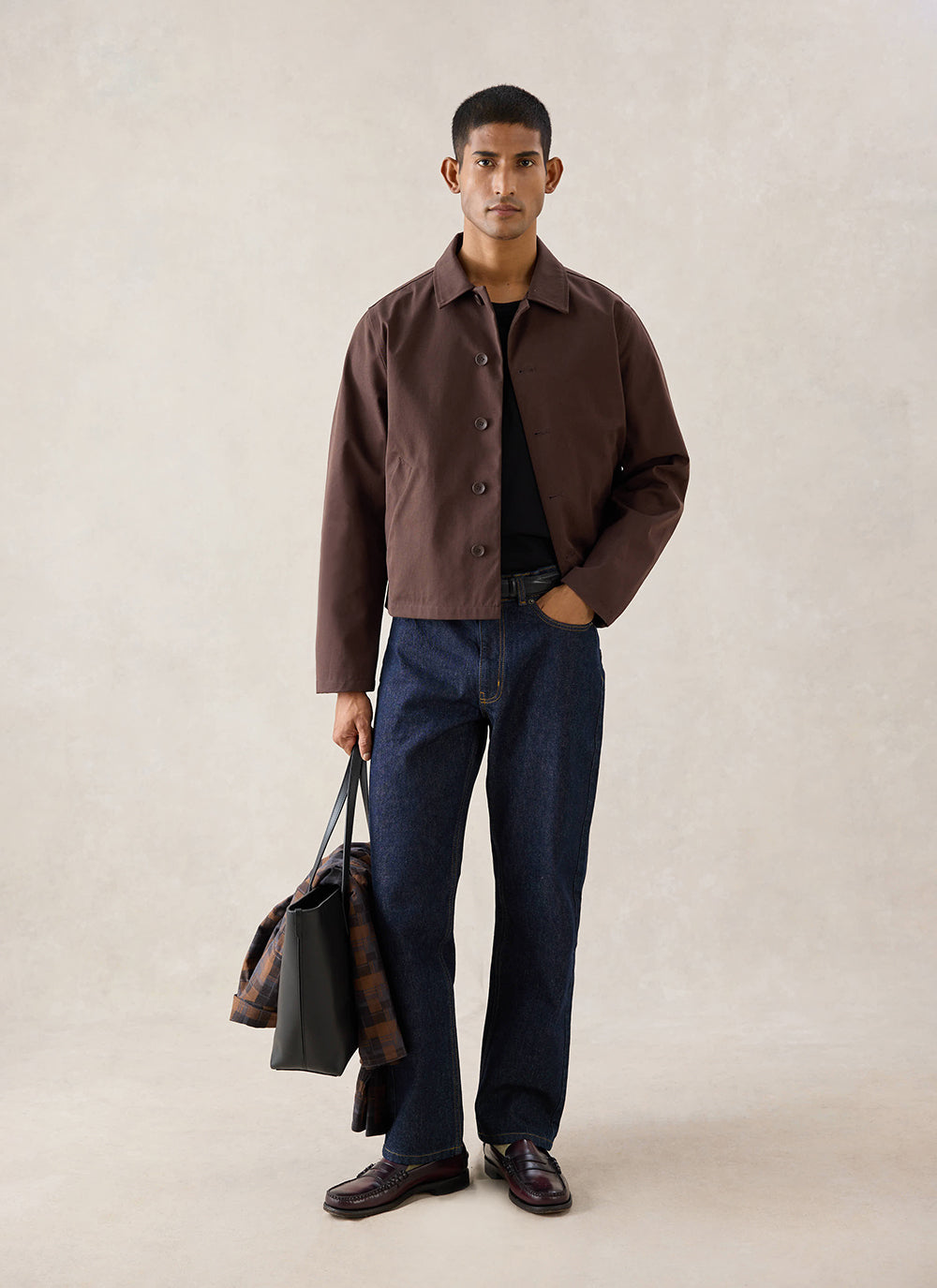
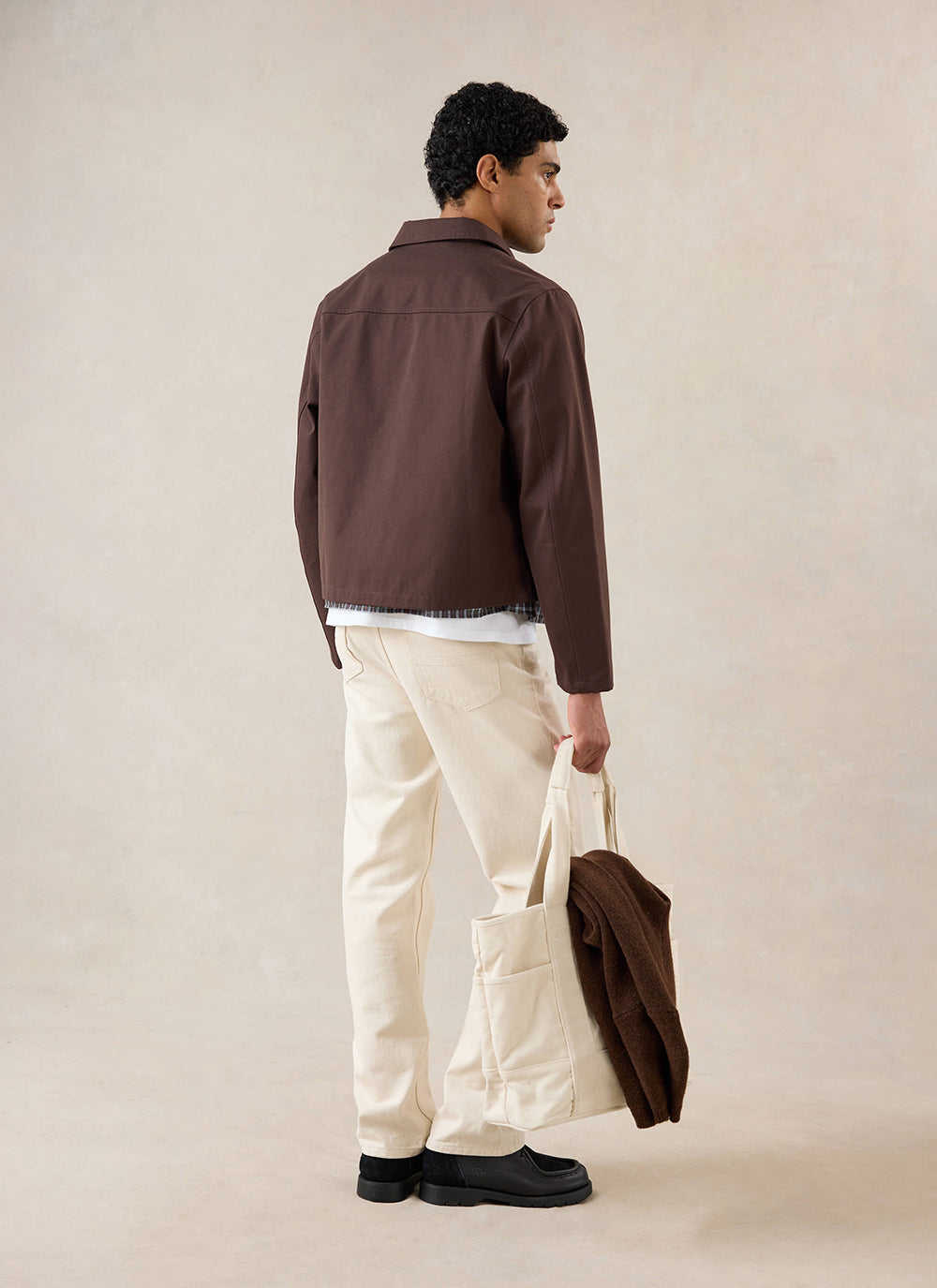
If you are buying one coat, navy is an easy place to start. It works with black, brown, grey, denim and tailoring, and rarely asks much of the rest of your wardrobe. Brown is a strong second choice. Espresso and darker shades sit particularly well with navy, cream, denim and green, with a softer feel than black. A black men’s coat makes sense if most of your wardrobe already leans dark. Forest green is worth more attention, charcoal is difficult to get wrong, and checks come into their own once the classics are covered. For AW26, we’re firmly in favour of a little more colour.